

The Union Cabinet has approved amendments to the Anti Paper leak law, Public Examinations (Prevention of Unfair Means) Act, 2024, marking a significant step in the Central Government’s efforts to strengthen the legal framework against examination paper leaks and other unfair practices in public examinations. The decision comes amid widespread protests across the country over the alleged leak of the National Eligibility-cum-Entrance Test (NEET) examination paper and growing public demand for greater transparency, accountability, and reforms in India’s examination system.
The Cabinet’s approval reflects the government’s intention to tighten existing provisions aimed at preventing organised cheating, paper leaks, impersonation, and other forms of examination malpractice that have repeatedly undermined public confidence in competitive examinations.
The move assumes particular significance as thousands of students, parents, educators, and civil society groups continue to express concerns over the credibility of public examinations. The controversy surrounding the NEET examination has triggered nationwide demonstrations, with students demanding a comprehensive investigation into the alleged paper leak and stronger safeguards to ensure fairness in future examinations.
Table of Contents
Decision Comes During Parliament’s Monsoon Session
The Cabinet decision was taken during the ongoing Monsoon Session of Parliament, which commenced on July 20 and is scheduled to continue until August 13. The timing of the decision indicates the government’s attempt to address growing concerns over examination integrity while Parliament is in session and public attention remains focused on education-related issues.
The amendments are expected to reinforce the implementation of the Public Examinations (Prevention of Unfair Means) Act, 2024, which was enacted to create a robust legal mechanism against organised examination fraud. Although the detailed provisions of the newly approved amendments have not yet been officially disclosed, the Cabinet’s approval signals the government’s intention to make the anti-paper leak framework more effective.
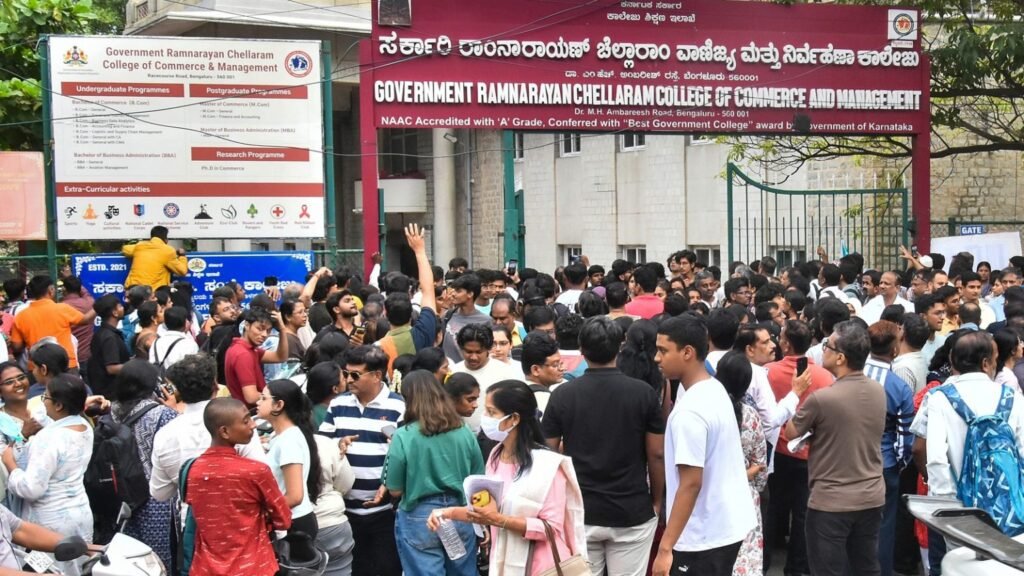
NEET Paper Leak Sparks National Debate
The Cabinet’s decision comes against the backdrop of one of the most significant controversies surrounding public examinations in recent years.
The alleged NEET paper leak has generated widespread criticism from students and opposition parties, raising serious questions about the integrity of one of India’s most important entrance examinations. NEET serves as the gateway for admission to undergraduate medical and dental courses across the country, making its credibility crucial for millions of aspiring medical students.
Following allegations of irregularities, students staged demonstrations in several parts of the country, demanding strict action against those responsible for the paper leak. Protesters have consistently argued that honest candidates should not suffer because of organised examination fraud.
The agitation has centred on several key demands, including:
- A transparent and time-bound investigation into the alleged paper leak.
- Accountability for officials or agencies found responsible for lapses.
- Stronger legal safeguards against organised cheating.
- Enhanced security measures during the conduct of public examinations.
- Structural reforms to restore confidence in the examination system.
The protests have highlighted growing concerns regarding the vulnerability of high-stakes examinations to criminal networks involved in paper leaks and organised cheating.
Government Faces Questions on Future Measures
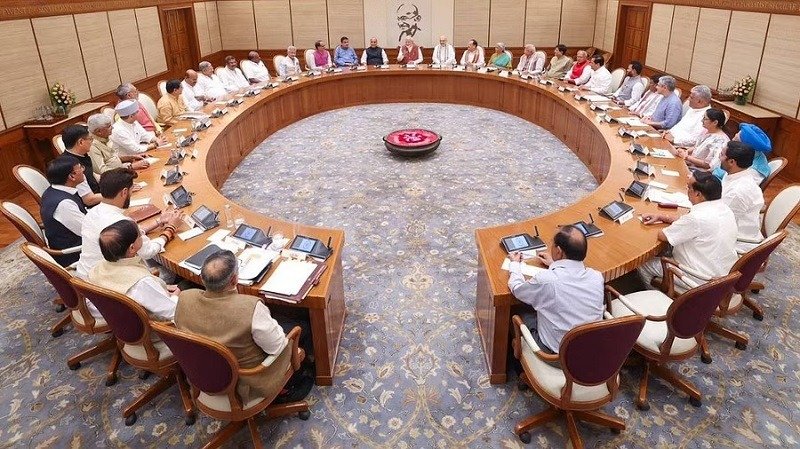
Following the Cabinet meeting, Information and Broadcasting Minister Ashwani Vaishnaw briefed the media regarding Cabinet decisions.
During the press interaction, journalists raised several questions regarding the government’s future strategy to curb examination paper leaks. Reporters specifically sought clarification on whether the government intended to establish fast-track courts for speedy disposal of examination-related offences and what additional strict measures would be introduced against those involved in organised paper leaks.
However, the Minister did not respond to these specific questions during the briefing.
The absence of detailed announcements regarding enforcement mechanisms has left several questions unanswered, including how the proposed amendments would strengthen investigations, prosecution, and punishment under the law.
Observers note that while legislative amendments represent an important step, effective implementation, timely investigations, and swift judicial action will ultimately determine the law’s effectiveness.
Government Engages with Student Representatives
In another important development on the same day, representatives of the Cockroach Janata Party (CJP) met Union Health Minister J.P. Nadda and Union Minister Dr. Jitendra Singh to discuss issues arising from the ongoing agitation over examination irregularities.
The meeting, which lasted for nearly two hours, focused on the concerns raised by students and their representatives regarding examination reforms and accountability.
According to J.P. Nadda, the discussions were constructive, and the government carefully listened to the concerns presented by the delegation.
Following the meeting, Nadda informed reporters that the government would hold another round of discussions with the CJP representatives after conducting internal consultations on the issues raised during Friday’s meeting.
Three Main Demands and Five Reform Suggestions
Speaking to the media after the discussions, J.P. Nadda stated that the representatives had presented three principal demands along with five suggestions for examination reforms.
While the detailed contents of these demands and recommendations were not publicly disclosed, Nadda confirmed that the government intended to deliberate internally before responding.
“The meeting went on for almost two hours. They had three main demands and five reform suggestions for exams. We have told them that we will meet them again tomorrow afternoon and tell them about the discussion we had among the Government,” Nadda told reporters.
The assurance of continued dialogue indicates the government’s willingness to engage with stakeholders as it considers broader reforms aimed at improving the integrity and transparency of public examinations.
Understanding the Public Examinations (Prevention of Unfair Means) Act, 2024
The Public Examinations (Prevention of Unfair Means) Act, 2024, was enacted to tackle organised examination fraud, particularly in large-scale recruitment and entrance examinations conducted by various government agencies.
The legislation seeks to address criminal activities such as:
- Question paper leaks.
- Organised cheating.
- Unauthorized access to confidential examination material.
- Impersonation of candidates.
- Tampering with examination processes.
- Digital manipulation and cyber-enabled examination fraud.
The Act primarily targets organised criminal networks rather than ordinary candidates who may inadvertently violate examination rules. It provides legal mechanisms for investigating and prosecuting individuals and organisations involved in systematic examination malpractice.
The latest amendments approved by the Cabinet are expected to strengthen these provisions further, although official details remain awaited.
Why Paper Leaks Have Become a National Concern
Paper leaks have emerged as one of the most serious challenges confronting India’s education and recruitment systems.
Every year, millions of students compete for limited seats in universities, professional institutions, and government jobs. Even a single examination leak can affect the future of lakhs of candidates who invest years preparing for competitive examinations.
Repeated instances of leaked examination papers have raised concerns about:
- Declining public trust in examination authorities.
- Financial losses for governments conducting re-examinations.
- Emotional stress among students.
- Delays in admissions and recruitment.
- Growth of organised cheating syndicates.
- Increased litigation challenging examination results.
Education experts have consistently argued that maintaining examination integrity requires a combination of legal deterrence, technological safeguards, administrative vigilance, and institutional accountability.
Calls for Comprehensive Examination Reforms
The current controversy has reignited discussions about the need for broader reforms extending beyond stricter legal penalties.
Experts have suggested several measures that could improve examination security, including:
- End-to-end digital monitoring of question paper movement.
- Secure encryption of examination materials.
- Improved cybersecurity systems.
- Enhanced surveillance at examination centres.
- Better coordination between examination authorities and law enforcement agencies.
- Time-bound investigations into examination fraud.
- Greater transparency during investigations.
- Stronger whistleblower protection mechanisms.
Many education policy specialists also believe that examination bodies should periodically review their security protocols to keep pace with evolving technological threats and organised criminal methods.
Student Confidence Remains Central
For students, the primary concern remains ensuring that merit alone determines examination outcomes.
The recent protests have demonstrated the depth of anxiety among aspirants who fear that repeated paper leak incidents may compromise fair competition. Many students have argued that the credibility of public examinations is fundamental to maintaining confidence in India’s education and recruitment systems.
Parents and educational institutions have similarly called for stronger preventive mechanisms to ensure that honest candidates are not disadvantaged due to organised malpractice.
Awaiting Detailed Amendments
Although the Union Cabinet has approved amendments to the anti-paper leak legislation, stakeholders are now awaiting the official publication of the revised provisions.
Legal experts expect the government to provide greater clarity regarding:
- New investigative powers.
- Enhanced penalties, if any.
- Strengthened enforcement mechanisms.
- Coordination among investigative agencies.
- Procedures for speedy prosecution.
The implementation framework will be closely watched by students, educational institutions, state governments, and examination authorities.
The Union Cabinet’s approval of amendments to the Public Examinations (Prevention of Unfair Means) Act, 2024, represents a significant policy response to mounting concerns over examination integrity. Coming amid nationwide protests linked to the alleged NEET paper leak, the decision underscores the government’s recognition of the seriousness of organised examination fraud and the need for stronger safeguards.
At the same time, the government’s continued engagement with representatives of the Cockroach Janata Party, including its commitment to hold further discussions on examination reforms, suggests that legislative amendments may form only one part of a broader effort to restore public confidence.
As Parliament’s Monsoon Session continues and stakeholders await the publication of the amended provisions, attention will increasingly shift from policy announcements to implementation. Students and parents will be looking for tangible measures that strengthen examination security, ensure swift action against offenders, and uphold the principles of fairness, transparency, and merit that are central to India’s public examination system.