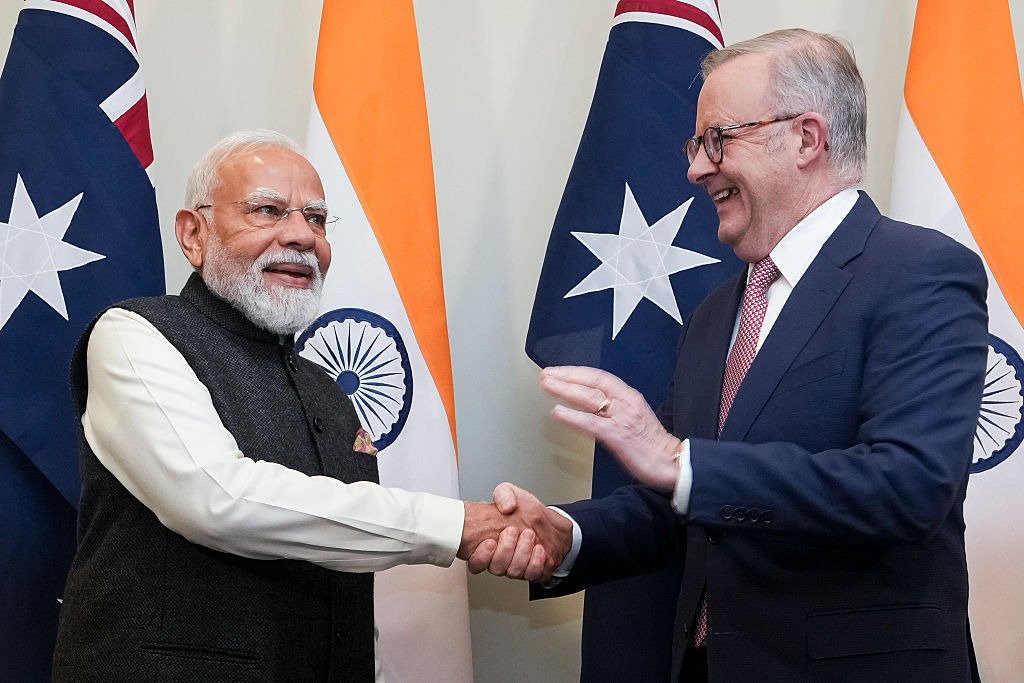
Visa concerns among Indian students have received a significant reassurance from the Australian government, with Foreign Secretary Vikram Misri stating that stricter immigration procedures will not limit opportunities for genuine applicants seeking higher education in Australia. The assurance came during Prime Minister Narendra Modi’s ongoing visit to Melbourne, where education and people-to-people ties featured prominently in discussions between Indian and Australian leaders.
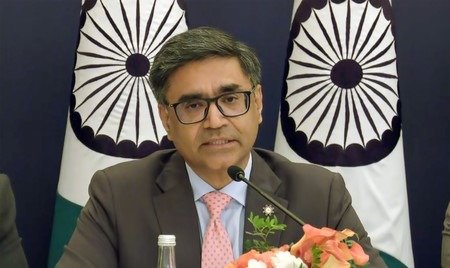
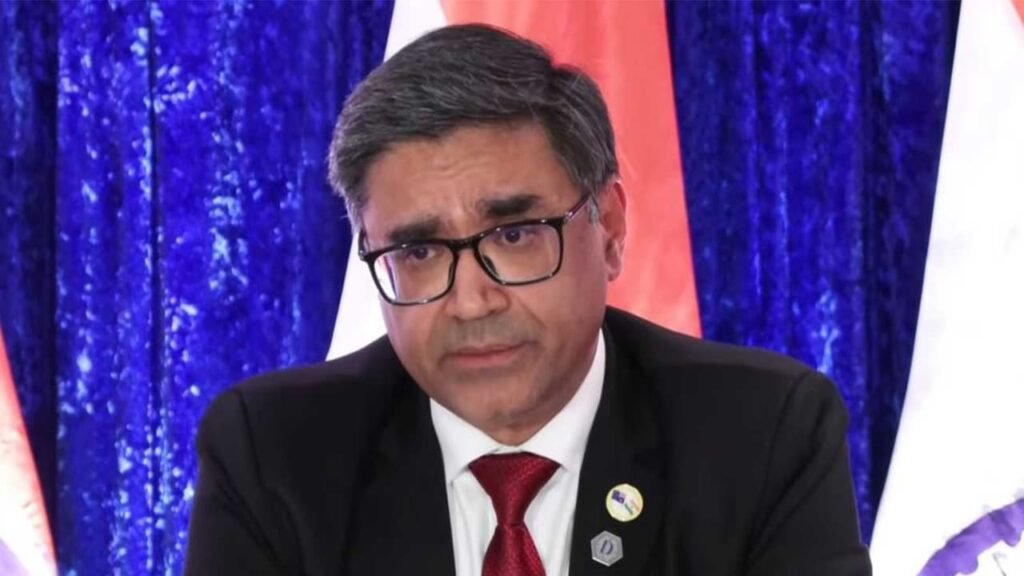
Addressing a press briefing after the high-level meetings, Misri dismissed reports claiming that Australia was planning to restrict new student applications from India. Instead, he clarified that while the country has strengthened its Visa assessment framework and introduced more detailed scrutiny, Australian authorities have assured India that deserving students will continue to receive fair consideration.
The statement offers relief to thousands of Indian students and families who have been closely monitoring changes in Australia’s immigration and education policies over the past year. With Australia remaining one of the most preferred international education destinations for Indian students, the issue of Visa processing has become an important topic in bilateral discussions.
Table of Contents
Education Remains a Strong Pillar of India-Australia Relations
Education has emerged as one of the strongest links between India and Australia over the past decade. Every year, thousands of Indian students choose Australian universities to pursue undergraduate, postgraduate and research programmes in fields such as engineering, information technology, business, healthcare, data science and artificial intelligence.
This growing educational partnership has strengthened cultural understanding, academic collaboration and long-term economic ties between the two nations. Students who travel to Australia not only contribute to its education sector but also become an important bridge connecting the two countries through research, innovation and skilled employment.
Recognising the importance of this relationship, leaders from both nations discussed ways to ensure that changing immigration policies do not affect genuine students seeking quality education.
According to Vikram Misri, Australian leaders repeatedly expressed appreciation for the valuable contribution made by Indian students and reaffirmed their commitment to strengthening educational exchanges.
Concerns Over Visa Changes
In recent months, Indian students and education consultants have expressed concerns over changes introduced in Australia’s Visa assessment framework. Several applicants reported longer processing times, requests for additional documentation and more detailed financial and academic verification.
These developments led to speculation that Australia might be reducing opportunities for students from certain countries, including India.
Addressing these concerns directly, Misri clarified that such reports were inaccurate.
He explained that although Australia has adopted more rigorous Visa assessment procedures, these measures are intended to improve the integrity of the immigration system rather than reduce student intake.
According to him, Australian authorities clearly communicated that stricter checks should not be interpreted as restrictions on genuine applicants.
Australia Rejects Rumours of Student Restrictions
One of the most important messages delivered during the briefing was Australia’s rejection of rumours suggesting that Indian students would be prevented from submitting new Visa applications.
Misri stated that discussions with Australian leaders provided reassurance that there was “no truth” in reports claiming fresh applications would be blocked.
This clarification is particularly important because misinformation regarding immigration policies often creates confusion among prospective students preparing admission documents or planning overseas education.
Australian authorities have emphasised that students who satisfy academic requirements, financial criteria and immigration regulations will continue to have access to educational opportunities.
The government believes that stronger screening procedures help identify genuine applicants while discouraging misuse of the student Visa system.
Why Australia Is Strengthening Visa Assessments
Like many countries experiencing increasing international migration, Australia has been reviewing its immigration policies to improve border management and maintain confidence in its education system.
Authorities have introduced more comprehensive assessments to ensure that applicants genuinely intend to study and possess sufficient financial capacity to support themselves during their stay.
The revised Visa assessment framework focuses on factors such as academic background, financial preparedness, English language proficiency and compliance with immigration requirements.
These measures are designed to reduce fraudulent applications without affecting legitimate students.
According to the Indian government, Australian officials acknowledged that the updated procedures may appear more demanding than before. However, they also assured India that these changes are administrative improvements rather than barriers to education.
A Positive Signal for Indian Students
For thousands of Indian students planning to begin higher education in Australia, the latest assurance provides greater confidence during the admission process.
Many students invest considerable time and financial resources preparing university applications, arranging education loans, taking English language tests and completing documentation required for their Visa.
Uncertainty regarding immigration policies can significantly affect these plans.
By publicly confirming that educational opportunities remain open for genuine applicants, both governments have attempted to reduce anxiety among students and parents.
Misri noted that India is “reasonably assured” that Australia will continue maintaining a fair and transparent system for processing student Visa applications.
This assurance reflects the confidence developed through continuous diplomatic engagement between the two countries.
People-to-People Ties Continue to Grow
Beyond trade and strategic cooperation, India and Australia have consistently described education as one of the strongest pillars of their bilateral relationship.
Indian students studying in Australian universities contribute not only to academic institutions but also to local communities, innovation ecosystems and workforce development.
Many graduates eventually become researchers, entrepreneurs, healthcare professionals and technology specialists who contribute to both economies.
Australian leaders reportedly acknowledged the importance of these people-to-people connections during discussions with Prime Minister Modi.
According to Misri, every interaction highlighted appreciation for the educational partnership and the desire to expand academic cooperation further.
Such exchanges also encourage research collaboration between universities, faculty partnerships, student mobility programmes and innovation projects.
Importance of a Transparent Visa System
A reliable Visa system is essential for maintaining international confidence in higher education.
Students choosing overseas universities often compare countries based on academic quality, post-study work opportunities, affordability and immigration transparency.
When Visa procedures are predictable and fairly implemented, students are better able to plan admissions, accommodation and financial arrangements.
Australia’s assurance that genuine applicants will continue receiving fair treatment sends an important message to prospective students who may have been uncertain because of recent reports.
The emphasis on identifying genuine students rather than restricting applications also demonstrates an effort to balance immigration integrity with educational openness.
India Continues to Engage on Student Mobility
The Indian government has consistently prioritised the interests of students studying abroad through regular diplomatic engagement with partner countries.
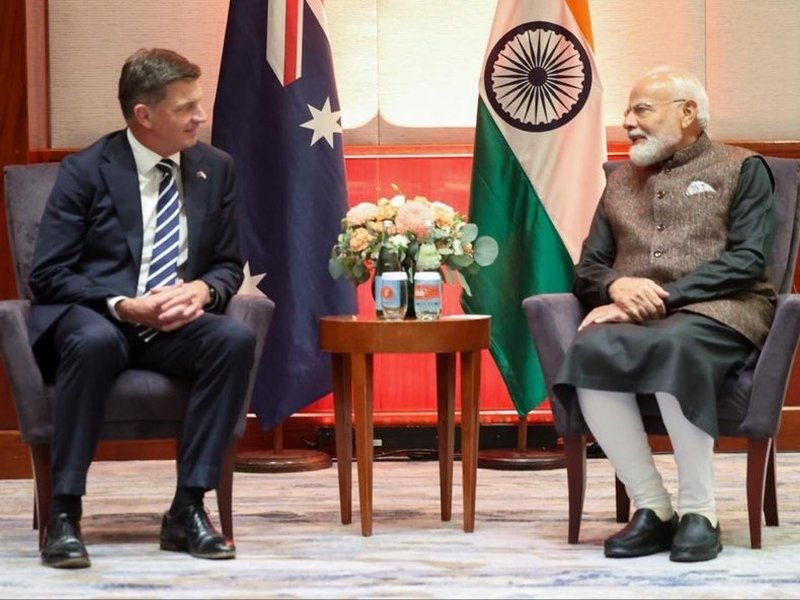
During Prime Minister Modi’s visit, education remained one of several key topics discussed alongside defence, technology, trade, clean energy and scientific cooperation.
By raising concerns regarding Visa processing delays and assessment changes directly with Australian leaders, India sought greater clarity on behalf of students preparing to pursue international education.
According to Misri, the responses received during these discussions were encouraging and reflected Australia’s continued commitment to welcoming deserving Indian students.
The dialogue also demonstrates how educational cooperation has become an integral part of broader India-Australia relations.
What This Means for Future Applicants
For students planning admissions in upcoming academic sessions, the latest developments suggest that Australia remains committed to attracting talented international students from India.
Applicants should continue focusing on submitting accurate academic records, complete financial documentation and genuine statements supporting their study plans.
Although the Visa assessment process may involve more detailed scrutiny than in previous years, Australian authorities have made it clear that deserving candidates will continue to receive opportunities.
As both governments work to deepen cooperation in education, research and innovation, the latest assurance reinforces confidence that student mobility will remain an important pillar of the India-Australia partnership. The commitment expressed by Australian leaders indicates that stronger Visa verification measures are intended to improve system integrity while preserving fair access for genuine Indian students seeking quality higher education abroad.