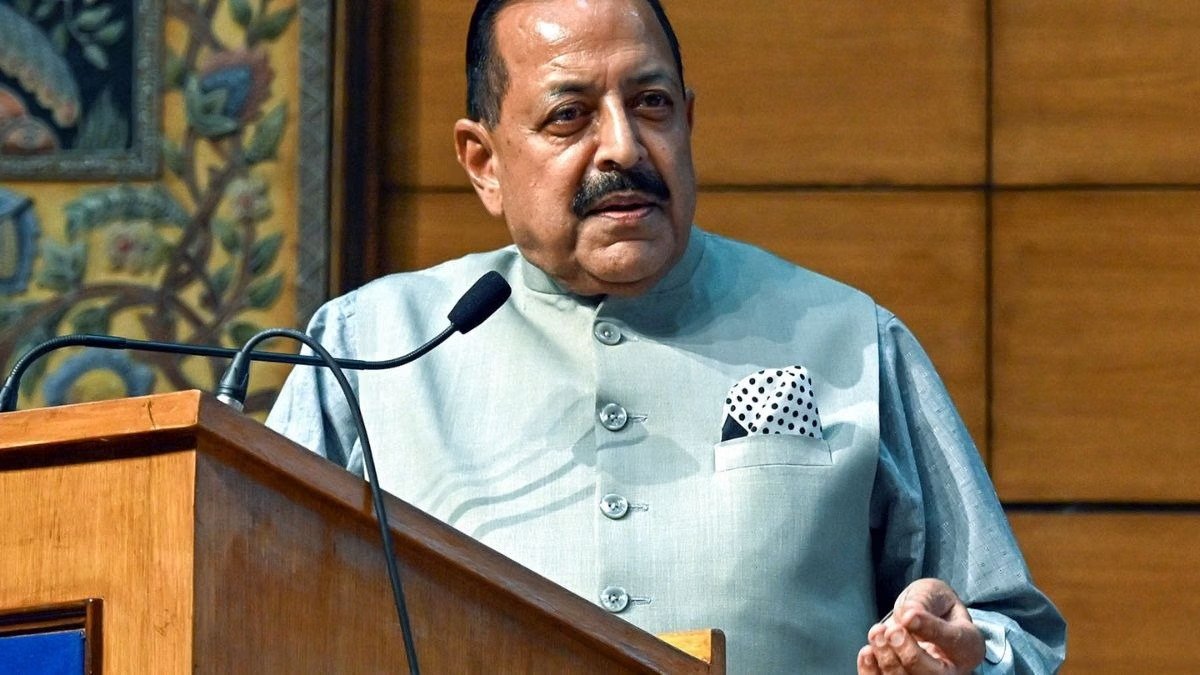
Governance Reforms are entering a new phase in India as the government places artificial intelligence (AI), digital public infrastructure and citizen-focused administration at the centre of policymaking. Union Minister Jitendra Singh announced this vision while inaugurating the two-day National Conference on Next Generation Administrative and e-Governance Reforms in Shillong, stating that India has already laid a strong foundation through extensive administrative changes over the past decade and is now preparing for a more intelligent, technology-enabled governance system.
The conference, jointly organised by the Department of Administrative Reforms and Public Grievances (DARPG) and the Government of Meghalaya, brought together senior officials from the Centre and states to discuss how Governance Reforms can evolve in the coming years. The event was attended by Meghalaya Chief Minister Conrad K. Sangma, DARPG Secretary Nivedita Shukla Verma, Chief Secretary Shakil P. Ahammed and several policymakers involved in administrative modernization.
Jitendra Singh said the government’s vision is no longer limited to digitising services. Instead, Governance Reforms are now focused on building an agile administrative ecosystem that combines technology with transparency, accountability and faster public service delivery. According to him, the next stage of reforms will support the broader national objective of achieving Viksit Bharat@2047.
Table of Contents
Governance Reforms Moving Beyond Traditional Administration
India’s administrative system has witnessed major transformation over the past decade. According to Jitendra Singh, nearly 2,000 obsolete rules and compliance requirements have been removed to simplify governance and reduce unnecessary bureaucratic hurdles.
These Governance Reforms represent a shift from a regulatory approach towards a facilitative model, where governments act as service providers instead of merely enforcing rules. The objective is to reduce paperwork, improve efficiency and make government services easier for citizens and businesses to access.
The minister explained that this transformation has already improved transparency while reducing delays in administrative decision-making.
Instead of relying on lengthy manual procedures, several government departments now use digital platforms that allow applications, approvals and grievance redressal to be processed much faster.
Artificial Intelligence Becomes the Next Frontier
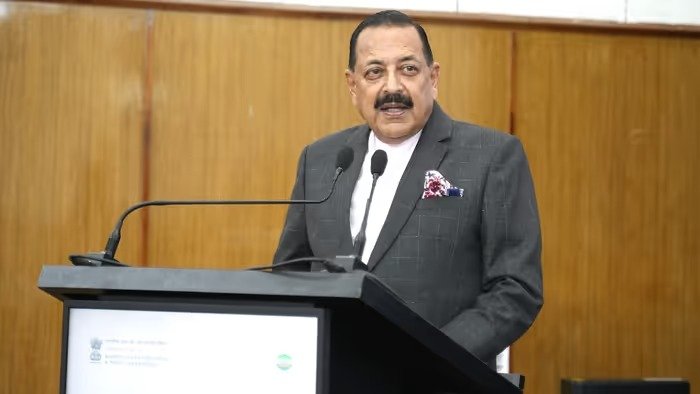
One of the biggest announcements made during the conference was the growing role of artificial intelligence in Governance Reforms.
Jitendra Singh said AI is expected to become a key component of public administration by helping governments analyse data, improve decision-making and deliver services more efficiently.
Unlike conventional software that simply follows programmed instructions, AI systems can identify patterns, process large volumes of information and support faster administrative decisions.
For governments, this means:
- Faster public service delivery
- Better allocation of public resources
- Improved policy planning
- Predictive governance
- Smarter grievance management
- Data-driven administration
However, the minister also stressed that technology should support human decision-making rather than replace it entirely.
Digital Public Infrastructure Driving Change
Governance Reforms over the last decade have largely been powered by India’s rapidly expanding digital public infrastructure.
Jitendra Singh highlighted several initiatives that have fundamentally changed how citizens interact with government institutions.
Among the most significant achievements are:
- More than 56 crore Jan Dhan accounts
- Aadhaar-enabled public service delivery
- Direct Benefit Transfer (DBT)
- Unified Payments Interface (UPI)
Together, these initiatives have created one of the world’s largest digital governance ecosystems.
The minister noted that UPI alone now processes more than 18 billion transactions every month, making India a global leader in digital payments.
This digital ecosystem has significantly reduced leakages in welfare schemes while ensuring benefits reach eligible citizens directly without intermediaries.
Citizen-Centric Governance at the Core
According to Jitendra Singh, Governance Reforms are ultimately about improving citizens’ everyday experiences rather than simply introducing new technology.
He explained that government policies are increasingly designed around citizen needs, making transparency, accountability and service quality central to administrative functioning.
Several initiatives introduced over recent years reflect this approach.
These include:
- Digital Life Certificates using facial recognition technology
- e-Office systems reducing paperwork
- Prashasan Gaon Ki Ore campaign
- National e-Services Delivery Assessment
- State Collaborative Initiatives
Each programme seeks to simplify administrative processes while improving accessibility, especially for rural populations and senior citizens.
For example, Digital Life Certificates allow pensioners to verify their identity remotely using facial recognition technology, eliminating the need to physically visit government offices.
AI Strengthens Public Grievance Redressal
An important component of current Governance Reforms is the modernization of grievance redressal.
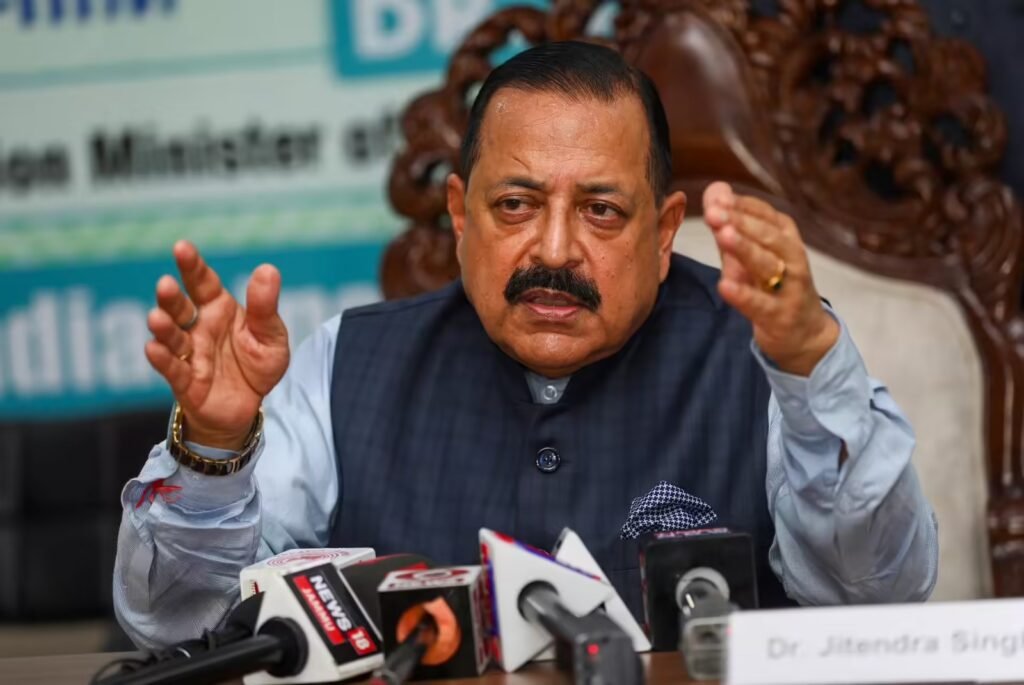
Jitendra Singh highlighted the remarkable growth of the Centralised Public Grievance Redress and Monitoring System (CPGRAMS).
According to government data, annual grievances have increased from approximately two lakh in 2014 to nearly 25 lakh today.
Rather than indicating administrative failure, the minister said this reflects growing public trust in digital governance platforms.
Citizens now feel more confident that their complaints will be acknowledged and addressed through transparent digital systems.
To improve efficiency further, CPGRAMS has introduced AI-powered multilingual chatbots capable of assisting users in multiple Indian languages.
Importantly, while artificial intelligence handles initial interactions and routing of complaints, final grievance resolution continues to remain under human supervision.
This balance ensures both efficiency and accountability.
Cybersecurity Gains Greater Importance
As Governance Reforms increasingly depend on digital infrastructure, cybersecurity has become a major priority.
Jitendra Singh said future administrative systems must be designed to protect sensitive government databases and citizens’ personal information against cyber threats.
Digital governance involves handling enormous amounts of confidential information, including financial records, identity documents, healthcare data and welfare benefits.
Any security breach could affect millions of citizens simultaneously.
Therefore, future Governance Reforms will combine AI with robust cybersecurity frameworks capable of identifying threats, preventing attacks and ensuring uninterrupted public services.
Experts believe that strong cybersecurity is now as important as digital innovation itself because public trust depends heavily on secure online systems.
Meghalaya Showcased as a Governance Model
During the conference, Jitendra Singh praised Meghalaya’s administrative initiatives and highlighted the state’s contribution to innovative Governance Reforms.
He specifically referred to the New Shillong Administrative City as an example of modern institutional planning.
The minister also mentioned Prime Minister Narendra Modi’s appreciation of Meghalaya’s Living Root Bridges during a recent Mann Ki Baat programme, describing them as symbols of sustainable community-led development.
Holding national governance conferences outside New Delhi, he said, encourages stronger Centre-State collaboration while allowing different states to showcase successful administrative practices.
Such exchanges enable governments to learn from one another instead of working in isolation.
Administrative Thinking Must Also Change
Jitendra Singh emphasized that Governance Reforms cannot succeed through technology alone.
He argued that administrative thinking must evolve alongside digital innovation.
Introducing artificial intelligence into outdated bureaucratic structures would produce limited results unless officials also adopt more flexible, responsive and evidence-based approaches.
Future policymaking, according to the minister, should increasingly rely on data analytics, measurable outcomes and continuous evaluation rather than conventional administrative practices.
This approach allows governments to identify challenges earlier, monitor programme performance more accurately and improve decision-making based on real-time information.
Disposal of Pending Matters Improves Efficiency
The minister also highlighted the government’s Special Campaign for Disposal of Pending Matters and Cleanliness, launched in 2021.
The initiative focuses on reducing administrative backlogs while improving workplace efficiency across government departments.
According to official figures, the campaign has generated more than ₹4,000 crore through the disposal of scrap materials and obsolete assets.
Additionally, nearly 700 lakh square feet of office space has been freed for more productive use.
Beyond financial gains, these efforts demonstrate how Governance Reforms can improve operational efficiency through better resource management and streamlined administrative practices.
Vision for the Next Generation of Governance
Looking ahead, Jitendra Singh outlined several priority areas that will define future Governance Reforms across India.
These include AI-enabled administration, integrated digital services, cybersecurity, process re-engineering, evidence-based policymaking and stronger institutional resilience.
He encouraged states and Union Territories to adopt successful governance models from one another while sharing innovations that improve public administration.
The discussions at the Shillong conference are expected to contribute to a proposed “Shillong Declaration 2.0,” which will serve as a roadmap for the next phase of Governance Reforms, supporting India’s long-term vision of building a faster, smarter and more citizen-centric administrative system under the Viksit Bharat@2047 mission.