

The Aadhaar app has crossed the landmark of 5 crore downloads, signalling growing adoption of smartphone-based Aadhaar services and a broader shift towards digital-first identity management in India. The milestone was announced by the Ministry of Electronics and Information Technology (MeitY), which highlighted the increasing use of the app for updating Aadhaar-related information and accessing digital identity services.
The achievement comes as the Unique Identification Authority of India (UIDAI) continues to expand the range of services available through digital platforms. The Aadhaar app is increasingly positioned as an interface between residents and UIDAI, allowing Aadhaar number holders to complete several tasks through their smartphones rather than visiting an Aadhaar centre.
According to the statement, the app has already been used for more than 60 lakh mobile number updates, while residents have completed over 15 lakh address updates and more than 23 lakh email updates through the platform.
The growing numbers indicate increasing reliance on mobile-based access to identity services and reflect the government’s broader objective of making public services more accessible, convenient and technology-driven.
Table of Contents
Aadhaar App Crosses 5 Crore Download Milestone
The Aadhaar app’s 5 crore download milestone represents a significant expansion in the platform’s reach.
For millions of Aadhaar holders, the smartphone has increasingly become an important point of access to government services. Instead of depending entirely on physical visits to service centres, residents can use the app for a growing range of Aadhaar-related functions.
The platform currently enables Aadhaar holders to access services including:
- Mobile number updates
- Address updates
- Email updates
- Biometric lock and unlock facilities
- e-Aadhaar downloads
- Aadhaar-related identity verification services
The expansion of these features is intended to simplify the user experience and reduce the need for residents to physically visit Aadhaar centres for services that can be completed digitally.
The milestone therefore reflects more than just the popularity of a mobile application. It also points towards a broader change in how residents interact with digital public infrastructure.

More Than 60 Lakh Mobile Number Updates Through the App
Mobile number updating has emerged as one of the most widely used services on the Aadhaar app.
According to the information released by the IT Ministry, more than 60 lakh residents have updated their mobile numbers using the app.
Keeping contact information updated is important because a registered mobile number can play a key role in accessing Aadhaar-linked services and receiving authentication-related communications.
The large number of mobile updates conducted through the app indicates that residents are increasingly willing to use digital channels for managing their Aadhaar information.
The availability of such services through smartphones can also reduce dependence on physical service centres and make routine Aadhaar-related tasks more convenient.
Address and Email Updates Also See Strong Adoption
The app has also recorded substantial usage for other personal-information updates.
More than 15 lakh address updates have been completed through the Aadhaar app, according to the ministry’s statement.
Address information is an important component of an individual’s identity records, particularly when people relocate for education, employment, family reasons or other circumstances.
The app has additionally facilitated more than 23 lakh email updates.
Together, these figures demonstrate that residents are using the platform for multiple aspects of Aadhaar management rather than simply downloading digital copies of their Aadhaar documents.
The growing adoption of these services suggests that residents increasingly value the ability to manage identity information through digital channels.

What Services Does the Aadhaar App Offer?
The Aadhaar app has been designed to provide Aadhaar holders with access to several services from their smartphones.
One of its key functions is enabling users to update certain information without having to begin the process through a physical Aadhaar centre.
The platform also supports biometric lock and unlock features. Such tools are intended to provide Aadhaar holders with greater control over the use of their biometric information.
Another important service is the ability to access and download e-Aadhaar, giving residents a digital version of their Aadhaar document when required.
As the platform develops further, the increasing range of services is expected to strengthen the role of smartphones as a convenient access point for Aadhaar-related functions.
‘Show, Share and Verify’: A Resident-Centric Approach
The Aadhaar app has been designed around the principle of “Show, Share and Verify”.
The approach is aimed at giving Aadhaar holders greater control over how their identity information is presented and used.
Instead of treating identity verification simply as an exchange of information, the framework emphasises controlled sharing and verification.
This is particularly relevant as digital identity services become more widespread.
People frequently need to establish their identity when accessing financial services, government schemes, telecommunications services, travel-related facilities and other forms of public and private services.
A system that allows residents to control what information is shared can potentially make such interactions more transparent and privacy-conscious.
UIDAI Expands Offline Aadhaar Verification Ecosystem
The growth of the Aadhaar app is taking place alongside another major development in the Aadhaar ecosystem: the expansion of offline verification.
According to the ministry’s statement, UIDAI has now onboarded more than 200 entities as Offline Verification Seeking Entities (OVSEs) since the rollout of the initiative in January.
The development is intended to strengthen secure and consent-based identity verification while reducing the need for real-time connectivity with UIDAI’s central database.
The onboarding of more than 200 entities indicates growing interest in based offline verification among service providers.
What Is Aadhaar Offline Verification?
Aadhaar offline verification allows identity information to be verified without requiring real-time access to UIDAI’s central database.
This is an important distinction in situations where immediate connectivity may not be available or where a service provider does not need to access UIDAI’s database directly for verification.
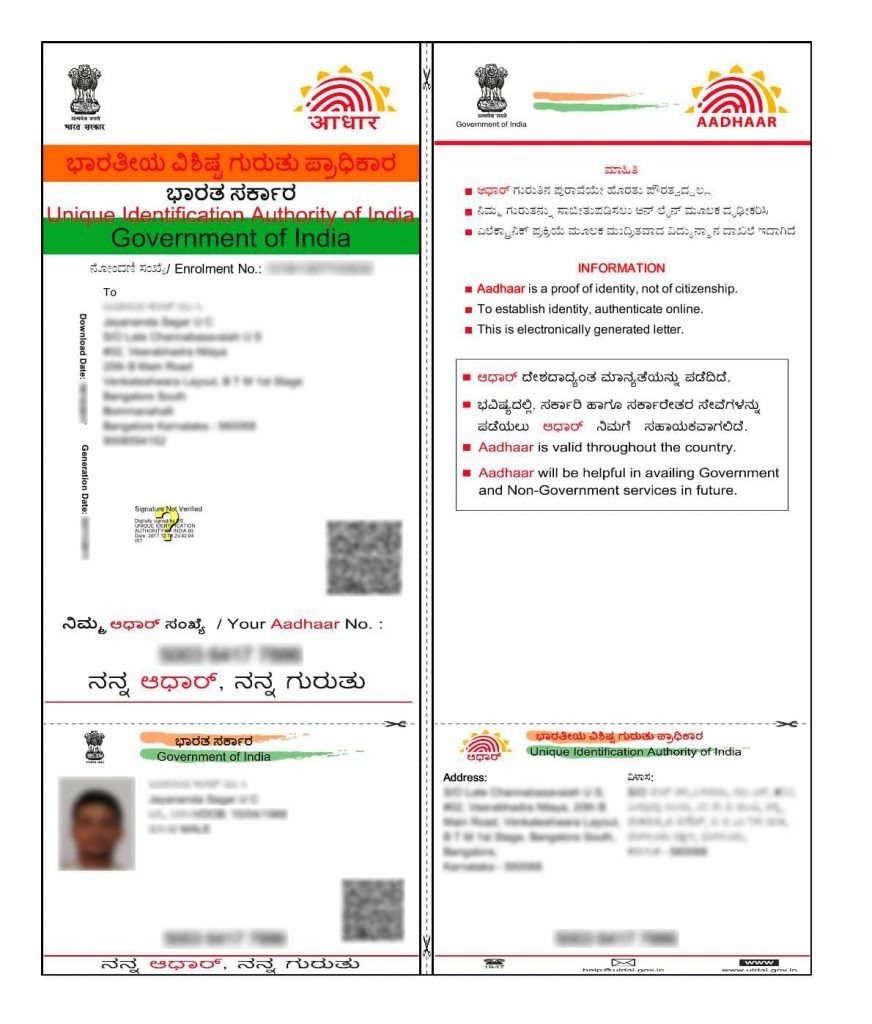
The mechanism can use methods such as QR code-based verification and secure digitally signed documents.
These methods allow authorised entities to verify information provided by holder through digitally secured credentials.
The approach can help create a more privacy-conscious verification process because the service provider does not necessarily need to retrieve information directly from the central database.
Why Offline Verification Matters for Privacy
Privacy has become an increasingly important consideration as digital identity systems expand.
Offline verification is designed around the principle that only the information necessary for a particular verification should be shared.
For residents, this can provide greater control over personal information.
For service providers, offline verification can offer a secure mechanism to confirm identity without depending entirely on real-time database connectivity.
The system therefore aims to balance convenience with data minimisation.
The ability to share only the minimum required information can reduce unnecessary exposure of personal details during identity verification.
QR Codes and Digitally Signed Documents
Two important technologies supporting the offline verification ecosystem are QR codes and secure digitally signed documents.
QR code-based verification can provide a convenient method for checking identity information embedded within an related credential.
Digitally signed documents, meanwhile, provide an additional layer of authenticity by allowing the receiving entity to verify that the document has not been altered.
Together, these tools can support paperless identity verification while maintaining safeguards around the authenticity of the information being presented.
The approach also reduces dependence on physical paperwork, supporting the broader digitisation of identity verification processes.
Aadhaar and the Digital India Vision
The latest developments around the app and offline verification align with the government’s wider Digital India vision.
Digital India seeks to expand access to government services through technology while improving convenience, accessibility and efficiency.
The ecosystem has become an important component of India’s digital public infrastructure, providing a digital identity layer used across numerous services.
The growth of the app suggests that residents are increasingly comfortable accessing identity-related services through smartphones.
At the same time, the expansion of offline verification indicates an effort to build a wider ecosystem in which identity can be verified securely without requiring every transaction to involve direct connectivity to a central database.
From Physical Centres to Digital-First Services
One of the most important implications of the app’s growth is the gradual movement from physical service delivery towards digital-first access.
Traditionally, residents often had to visit service centres to complete identity-related updates or obtain documents.
Mobile applications can reduce that dependency by allowing users to complete certain services remotely.
This can be particularly valuable for residents who live far from service centres, have limited mobility or simply prefer digital interactions.
The growing number of updates completed through the app demonstrates that there is substantial demand for such services.
Convenience Meets Greater User Control
The expansion of digital services reflects two parallel priorities: convenience and control.
Convenience comes from allowing residents to access services through smartphones, while user control is strengthened through features focused on consent, verification and selective information sharing.
The “Show, Share and Verify” approach is particularly relevant in this context because it places greater emphasis on how information is presented and used.
Meanwhile, offline verification provides an additional mechanism for establishing identity without requiring continuous connectivity to UIDAI’s central systems.
What the 5 Crore Milestone Means
Crossing 5 crore downloads represents a significant milestone for the app and demonstrates the scale at which digital identity services are being adopted.
The usage statistics provide further evidence of this adoption.
More than 60 lakh mobile number updates, over 15 lakh address updates and more than 23 lakh email updates have already been carried out through the application.
These numbers suggest that the app is increasingly being used as a practical service platform rather than simply as a digital document-access tool.
The continued expansion of services could further increase its relevance for holders.
Aadhaar App Milestone: Key Takeaways
Theadhaar app’s latest milestone highlights the growing role of mobile technology in India’s digital identity ecosystem.
Key developments include:
- The Aadhaar app has crossed 5 crore downloads.
- More than 60 lakh mobile number updates have been completed through the app.
- More than 15 lakh address updates have been carried out digitally.
- Over 23 lakh email updates have been completed through the platform.
- The app provides access to services including biometric lock/unlock and e-Aadhaar downloads.
- The platform follows the “Show, Share and Verify” principle.
- UIDAI has onboarded more than 200 Offline Verification Seeking Entities since the rollout of the offline verification initiative in January.
- Offline verification can use QR codes and secure digitally signed documents.
- The mechanism is designed to support consent-based and paperless identity verification.
- The initiatives support the government’s broader Digital India and ease-of-living objectives.
Aadhaar’s Digital Ecosystem
The 5 crore download milestone indicates that digital services are becoming an increasingly important part of residents’ interactions with identity infrastructure.
As more services move online, the emphasis will remain on making those services accessible while ensuring that users retain meaningful control over their personal information.
The expansion of offline verification could also broaden the range of situations in which can be used for secure identity verification without requiring direct connectivity to UIDAI systems.
Together, the app and offline verification ecosystem represent a continuing shift towards smartphone-enabled, paperless and consent-based public services.
For residents, the immediate benefit is greater convenience: more related tasks can be managed digitally, reducing the need for physical visits. For the broader digital ecosystem, the developments underline the growing importance of secure identity verification that combines accessibility with privacy-conscious design.
The app’s 5 crore download milestone is therefore not simply a measure of application popularity. It is also a reflection of India’s continuing transition towards digital-first public services and an expanding identity infrastructure designed to give residents more convenient ways to access, manage and verify their information.