

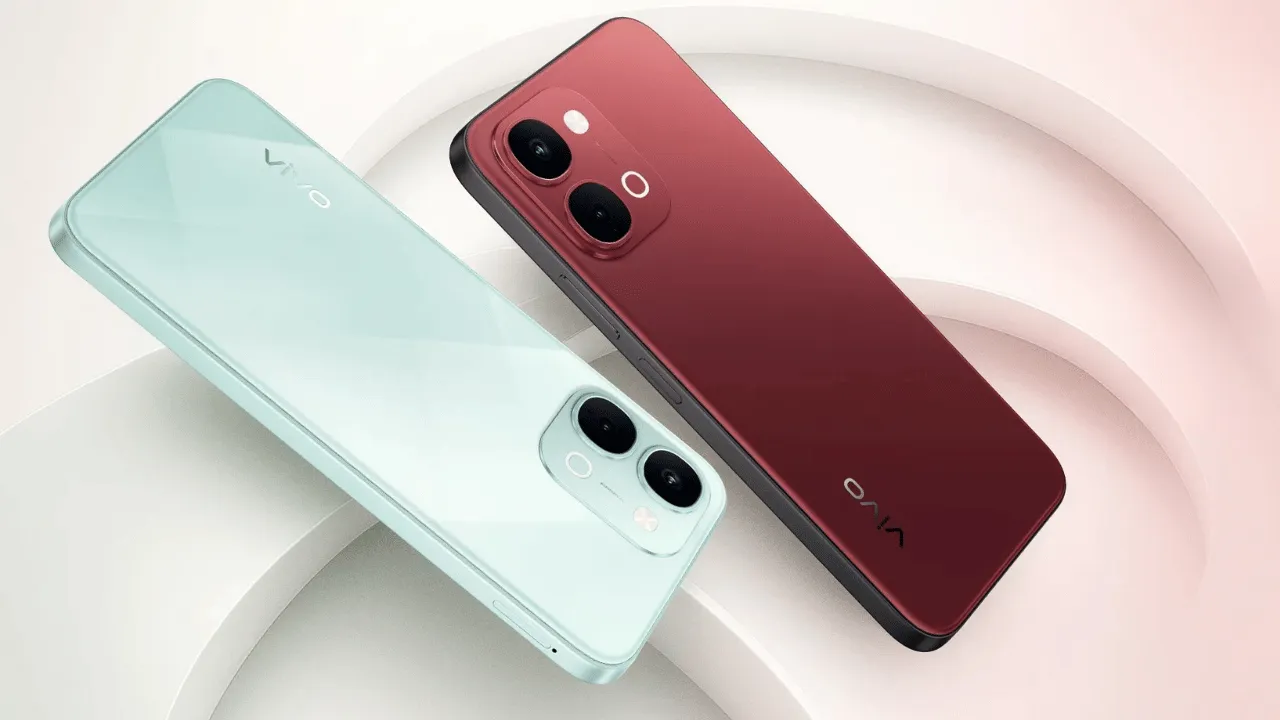
Vivo Y31t 5G is entering an increasingly competitive mid-range 5G smartphone market in India, where brands are offering large displays, high-refresh-rate screens, capable processors and bigger batteries at aggressive prices. The smartphone faces strong competition from the OnePlus N6 5G, with both devices targeting consumers looking for a combination of 5G connectivity, smooth performance, long battery life and modern features at a competitive price.
Both smartphones target users looking for a combination of 5G connectivity, smooth displays, reliable everyday performance and long battery life. Interestingly, both devices feature a 6.75-inch display with a 120Hz refresh rate and an 8-megapixel front-facing camera. However, their hardware configurations, durability ratings, storage options, camera setups and battery capacities differ considerably.
The Vivo Y31t 5G starts at Rs 25,999 in India, while the OnePlus N6 5G has a lower starting price of Rs 22,999. This price difference makes the comparison particularly relevant for buyers trying to decide which phone offers better overall value.
Here is a detailed comparison of the Vivo Y31t 5G and OnePlus N6 5G based on design, display, performance, software, cameras, battery and pricing.

Vivo Y31t 5G vs OnePlus N6 5G: Design and Display
Display quality is one of the areas where the Vivo Y31t 5G and OnePlus N6 5G appear closely matched on paper. Both smartphones feature a large 6.75-inch panel and support a 120Hz refresh rate.
The Vivo Y31t 5G comes with an HD+ LCD display offering a resolution of 720×1608 pixels. The screen supports a refresh rate of up to 120Hz, which can make scrolling through social media feeds, browsing websites and navigating the user interface feel smoother than on conventional 60Hz displays.
The Vivo smartphone also offers up to 1,250 nits of peak brightness and an 83 percent NTSC colour gamut. The higher peak brightness should help improve outdoor visibility, while the relatively large display is designed to provide a more immersive viewing experience for videos and other content.
Durability is another area where Vivo has given the Y31t 5G an advantage. The device carries IP68 and IP69 ratings for dust and water resistance, offering a higher level of protection against environmental exposure.
The OnePlus N6 5G, meanwhile, also features a 6.75-inch HD LCD panel with a 120Hz refresh rate. Its display can reach up to 1,200 nits of brightness in HBM mode. While the brightness figure is slightly lower than that of the Vivo Y31t 5G, the difference is relatively small on paper.
OnePlus has taken a different approach to durability. The N6 5G comes with an IP65 rating and MIL-STD-810H military-grade durability certification. This combination is designed to provide additional protection against everyday environmental challenges and physical stress.
Therefore, users who prioritise water and dust resistance may find the Vivo Y31t 5G more appealing, while buyers interested in military-grade durability certification may prefer the OnePlus N6 5G.
Processor and Performance
Performance is another important factor when comparing these two 5G smartphones.
The Vivo Y31t 5G is powered by Qualcomm’s 4nm Snapdragon 4 Gen 2 chipset. The octa-core processor includes six efficiency cores clocked at up to 1.95GHz and two performance cores capable of reaching speeds of up to 2.2GHz.
The chipset is paired with up to 6GB of LPDDR4x RAM and up to 256GB of UFS 3.1 storage. The combination of relatively fast storage and adequate RAM capacity is designed to support everyday activities such as social media, web browsing, video streaming, photography and multitasking.
The availability of up to 256GB storage is also an advantage for users who regularly store photos, videos, applications and other files on their smartphones.
The OnePlus N6 5G uses a MediaTek Dimensity 6360 Apex processor. According to the company, the smartphone has achieved more than 615,800 points on AnTuTu, indicating a focus on delivering competitive performance within its segment.
The device comes with up to 6GB of RAM and up to 128GB of storage. OnePlus has also included a 5,300-square-millimetre vapour chamber for thermal management.
A vapour chamber can help distribute heat generated during demanding tasks, potentially helping maintain performance during extended usage. This could be particularly useful for users who spend significant time gaming or performing other processor-intensive activities.
On the performance front, both phones are positioned as capable mid-range devices, although their processors come from different platforms. Buyers should therefore consider not only benchmark figures but also their individual requirements, including gaming, multitasking and long-term storage needs.
Software and Operating System
Software is another key difference between the two smartphones.
The Vivo Y31t 5G runs Android 16 with Vivo’s OriginOS 6 user interface. The software provides Vivo’s own interface and additional features on top of Google’s Android platform.
The OnePlus N6 5G also runs Android 16, but it uses OxygenOS 16. OxygenOS has traditionally been positioned around a relatively clean and smooth user experience, while also offering customisation features and system-level tools.
OnePlus has promised two major operating system upgrades and three years of security updates for the N6 5G.
For consumers planning to keep their smartphone for several years, software support can be an important consideration. Regular security updates help keep a device protected, while major Android upgrades can bring new features and improvements.
Camera: Vivo Y31t 5G vs OnePlus N6 5G
The camera configurations of the two smartphones take notably different approaches.
The Vivo Y31t 5G features a dual-camera setup on the rear. Its primary camera uses a 50-megapixel sensor with an f/2.0 aperture. It is accompanied by a 2-megapixel bokeh sensor with an f/2.4 aperture.
The additional bokeh sensor is designed to assist with portrait photography by helping create background separation around the subject.
Vivo also provides a variety of camera modes, including Night, Portrait, Video, Live Photo, Slo-mo, Time-lapse, Pro and Pano. These modes give users more flexibility depending on the type of photography or video they want to capture.
For selfies and video calls, the Y31t 5G features an 8-megapixel front camera.
The OnePlus N6 5G takes a simpler approach with a single 50-megapixel rear camera. The primary sensor features a wider f/1.8 aperture and supports up to 10x digital zoom.
At the front, the smartphone also features an 8-megapixel camera, matching the resolution of the Vivo’s selfie camera.
OnePlus has focused on video capabilities as well. The N6 5G can record 1080p video at up to 60 frames per second and supports a Dual-View video mode. This feature can be useful for creators who want to capture footage from the front and rear cameras as part of the same recording experience.
On paper, Vivo offers more versatility through its dual-camera configuration and multiple shooting modes, while OnePlus focuses on a higher-aperture primary camera and additional video features.
Battery and Charging
Battery capacity is arguably one of the biggest differences between the two smartphones.
The Vivo Y31t 5G packs a substantial 7,200mAh battery. It supports 44W wired fast charging, allowing users to recharge the large battery at a relatively high rate.
A 7,200mAh battery should appeal to consumers who spend long hours watching videos, browsing social media, playing games or using mobile data throughout the day.
However, the OnePlus N6 5G goes even further with an 8,000mAh battery.
OnePlus claims that the battery can retain approximately 80 percent of its original capacity even after 1,600 full charging cycles. The company also claims that the smartphone can deliver up to three days of usage on a single charge, although actual battery life will naturally vary depending on network conditions, display settings, applications and usage patterns.
Charging support is rated at 45W wired fast charging, slightly higher than the 44W charging offered by Vivo.
The OnePlus N6 5G also supports 6.5W reverse wired charging, allowing the phone to provide power to compatible accessories or another device.
For users who prioritise battery endurance, the OnePlus N6 5G therefore has a clear advantage based on capacity alone.
Storage Options
Storage is another area where the Vivo Y31t 5G offers greater flexibility.
The Vivo smartphone is available with up to 256GB of storage, while the OnePlus N6 5G offers up to 128GB.
For users who regularly capture high-resolution photographs, download movies and music, install numerous applications or record videos, the additional storage offered by Vivo could prove useful.
The OnePlus N6 5G, on the other hand, may be sufficient for consumers who primarily use cloud storage or do not maintain a large collection of locally stored files.
RAM capacity is comparable, with both smartphones offering up to 6GB of RAM.
Price in India
Pricing could ultimately play a major role in determining which smartphone provides better value.
The Vivo Y31t 5G starts at Rs 25,999 in India. The 4GB RAM and 128GB storage variant is priced at Rs 25,999, while the 6GB+128GB version costs Rs 29,999. The top-end 6GB+256GB variant is priced at Rs 34,999.
The OnePlus N6 5G is more aggressively priced. Its starting price is Rs 22,999 for the 4GB+128GB variant. The 6GB+128GB model is priced at Rs 24,999.
This gives the OnePlus N6 5G a significant price advantage over the Vivo Y31t 5G, particularly for buyers looking for a 6GB smartphone.
Vivo Y31t 5G vs OnePlus N6 5G: Which Phone Is Better?
The answer ultimately depends on what a buyer prioritises.
The Vivo Y31t 5G stands out with its IP68 and IP69 ratings, up to 256GB of UFS 3.1 storage, a dual rear-camera system and a 7,200mAh battery. It also offers slightly higher peak brightness on paper.
The OnePlus N6 5G counters with an even larger 8,000mAh battery, 45W charging, reverse wired charging, a vapour chamber for thermal management, MIL-STD-810H durability certification and a lower starting price.
The two smartphones also share some important specifications, including 6.75-inch displays, 120Hz refresh rates and 8-megapixel front cameras.
For buyers who want maximum battery capacity and a lower purchase price, the OnePlus N6 5G appears to offer a strong value proposition. Its 8,000mAh battery and 45W charging combination could make it particularly attractive to heavy users.
On the other hand, consumers who value higher storage capacity and stronger water and dust protection may find the Vivo Y31t 5G more suitable. Its 256GB top storage option also provides more room for users who store a large amount of content on their phones.

The Vivo Y31t 5G and OnePlus N6 5G are aimed at similar consumers but take different approaches to the mid-range 5G smartphone market.
Vivo focuses on durability, storage flexibility and a dual-camera setup, while OnePlus places greater emphasis on battery capacity, thermal management, durability certification and aggressive pricing.
With a starting price of Rs 22,999, the OnePlus N6 5G has the immediate advantage for budget-conscious buyers. Meanwhile, the Vivo Y31t 5G starts at Rs 25,999 but offers higher maximum storage and stronger IP protection.
Therefore, there is no single winner for every user. The OnePlus N6 5G could be the better choice for consumers seeking long battery life and value, while the Vivo Y31t 5G could appeal more to those prioritising storage, camera versatility and enhanced water and dust resistance.
For consumers shopping in this competitive 5G segment, comparing these differences rather than focusing solely on the price or individual specifications will be important in deciding which smartphone best matches their daily requirements.