
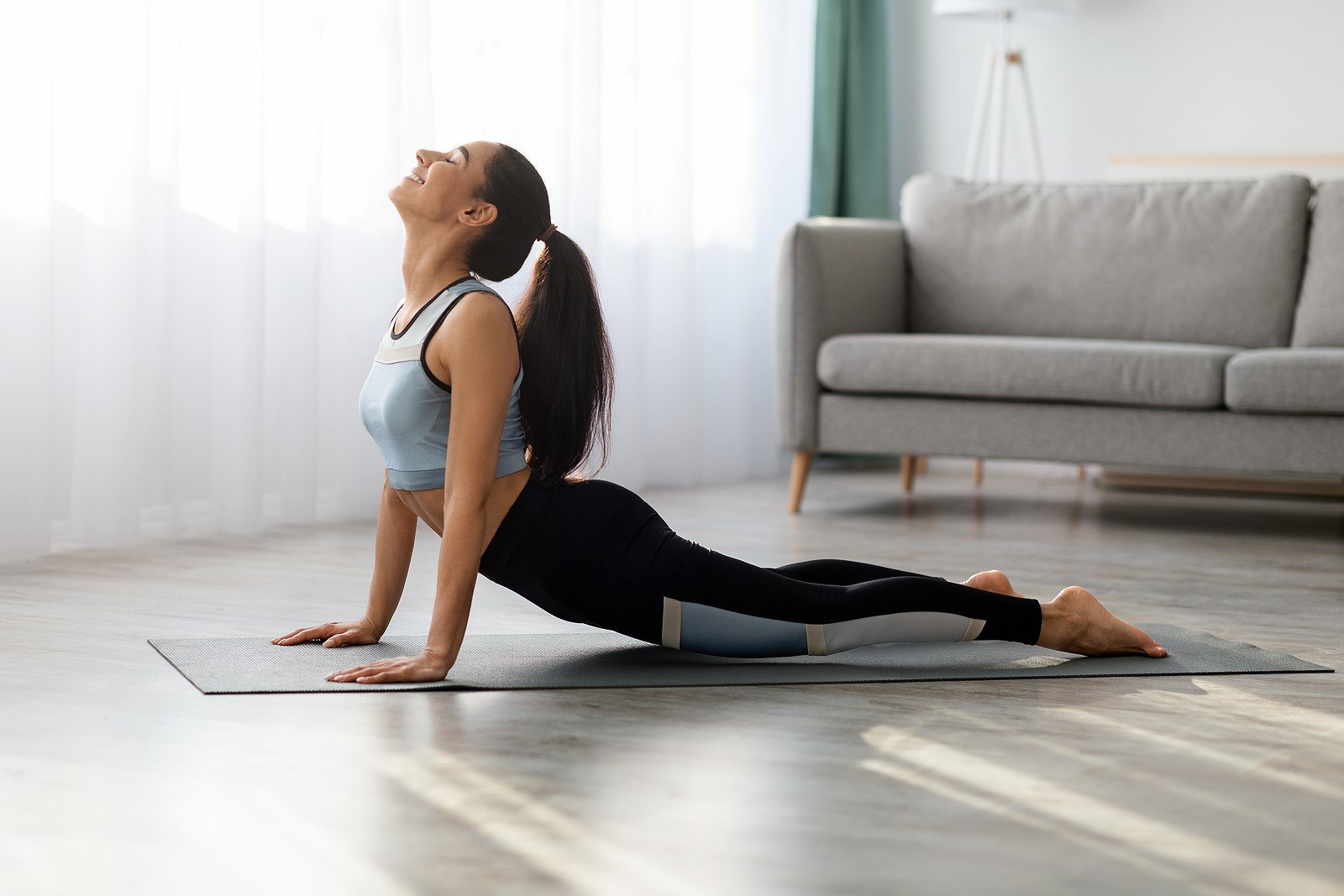
Stress is a normal part of life, but when it becomes frequent or overwhelming, it can affect concentration, sleep, mood and overall well-being. One accessible way to support mental and physical health is regular physical activity. Research and public-health guidance show that exercise can help reduce symptoms of anxiety and depression, improve sleep and support overall well-being.
Importantly, exercise does not have to mean intense gym workouts. Walking, cycling, dancing, playing a sport or simply being more active during the day can all contribute to physical activity. The World Health Organization (WHO) emphasises that some activity is better than none and that movement of different types counts.
Table of Contents
What Is Stress and How Can It Affect the Body?
Stress is the body’s response to challenging or demanding situations. In the short term, this response can help a person stay alert and respond to a problem. However, persistent stress can place pressure on several body systems.

Long-lasting stress can be associated with physical and psychological effects involving the cardiovascular, respiratory, digestive, nervous and other systems.
People experiencing ongoing stress may notice difficulties such as:
- Trouble concentrating
- Changes in sleep
- Irritability or low mood
- Muscle tension
- Feeling constantly tired
- Headaches or other physical discomfort
These symptoms can have different causes, so persistent or severe symptoms should not automatically be attributed to stress.
How Does Exercise Help Reduce Stress?
Physical activity affects both the body and the brain. Its benefits are not limited to improving physical fitness.
Regular activity is associated with reduced symptoms of anxiety and depression, improved brain health and better overall well-being.
1. It Can Help Improve Mood
Exercise can provide a temporary mental break from worries, academic pressure, work demands or other sources of stress.
When someone focuses on walking, cycling, swimming, dancing or playing a sport, attention can shift away from stressful thoughts toward the activity itself.
This does not make problems disappear, but it can provide a healthier way of managing everyday tension.
2. It Supports Better Sleep
Sleep and stress are closely connected. Stress can make it difficult to relax at bedtime, while poor sleep can make everyday challenges feel harder.
Regular physical activity can support sleep quality. The U.S. Physical Activity Guidelines note that physically active adults can experience improvements in sleep and quality of life.
A consistent routine is generally more useful than trying to compensate for inactivity with occasional very long workouts.
3. It Can Reduce Anxiety Symptoms
Physical activity is associated with reductions in anxiety symptoms. The effect can occur even with relatively modest increases in activity, particularly among people who are otherwise inactive.
For someone feeling tense, a short walk or another enjoyable activity can be a practical way to introduce movement into the day.
4. It Gives the Mind a Break
Exercise can function as a change of environment and routine.
For example, going outside for a walk after studying can create a clear transition between focused work and rest. Similarly, playing a favourite sport can provide social interaction and recreation.
These benefits can be especially useful when physical activity is enjoyable rather than treated as another source of pressure.
How Much Exercise Should You Do Every Day?
The appropriate amount depends on age and individual circumstances.
For children and adolescents aged 5–17, WHO recommends an average of at least 60 minutes of moderate- to vigorous-intensity physical activity each day across the week. Activities that strengthen muscles and bones should be included at least three days a week.
For adults aged 18–64, WHO recommends at least 150 minutes of moderate-intensity activity per week, or at least 75 minutes of vigorous-intensity activity, or an equivalent combination. Adults can gain additional benefits by increasing moderate activity to around 300 minutes per week.
These are weekly targets, so adults do not necessarily need to complete the same amount every day.
What Counts as Moderate Physical Activity?
Moderate-intensity activities generally make breathing and heart rate noticeably faster while still allowing a person to continue the activity.
Examples can include:
- Brisk walking
- Cycling at a comfortable pace
- Dancing
- Recreational swimming
- Active games
- Some forms of recreational sport
The goal should be regular movement rather than chasing a particular number of calories burned or exercising until exhaustion.
What Counts as Vigorous Activity?
Vigorous activity requires more effort and causes breathing and heart rate to increase substantially.
Examples can include running, fast cycling and some higher-intensity sports.
However, people do not need vigorous exercise to receive health benefits. Moderate activity can contribute substantially to the recommended weekly total.
Does a Short Workout Still Help?
Yes. A person who is currently inactive does not need to suddenly begin a demanding exercise programme.
WHO specifically notes that any amount of physical activity is better than none. People who are not meeting recommended levels can start with smaller amounts and gradually increase frequency, intensity and duration.
This makes activities such as a short walk, taking the stairs when appropriate, cycling or playing outside useful ways to become more active.
Exercise Does Not Have to Mean Going to the Gym
One common misconception is that stress-relieving exercise must happen in a gym.
In reality, physical activity can take many forms. WHO includes recreational activities, sports, transportation such as walking and cycling, and other forms of movement within its definition of physical activity.
For younger people, activities can include:
- Walking
- Cycling
- Dancing
- Playing football or another sport
- Swimming
- Outdoor games
- Active recreation
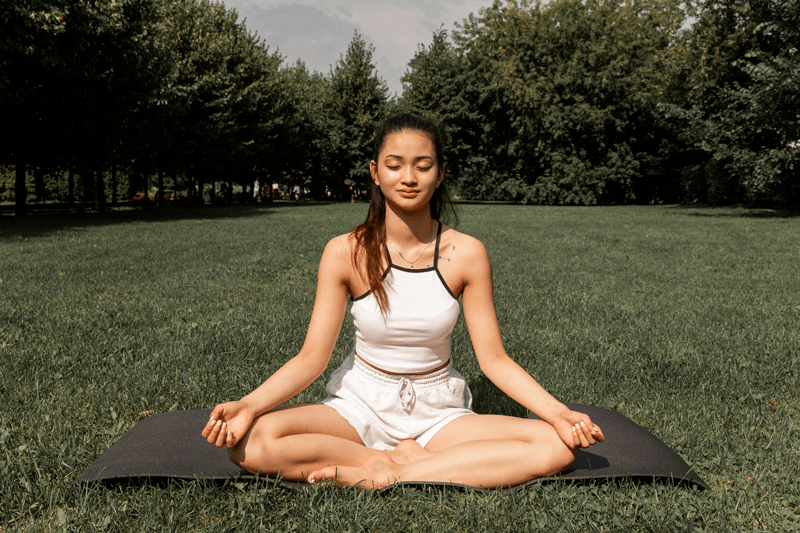
Choosing something enjoyable can make it easier to remain consistent.
Why Consistency Matters More Than Intensity
A very demanding workout once in a while is not necessarily a better approach than regular, manageable activity.
For stress management, a sustainable routine can be more useful. Someone might choose to walk regularly, play a sport several times a week or incorporate movement breaks into a study routine.
WHO recommends gradually increasing activity when someone is starting from a low level.
The focus should therefore be on building healthy habits rather than trying to achieve unrealistic exercise targets immediately.
Exercise and Students: Why Movement Can Be Helpful
Students can experience stress from examinations, assignments, academic expectations and changes in routine.
Physical activity can provide a break between study sessions while supporting physical and mental well-being. WHO’s recommendations for children and adolescents also associate physical activity with cognitive and mental-health benefits.
A practical routine might involve walking, playing a sport, cycling or another enjoyable activity rather than remaining seated for the entire day.
Exercise should complement studying, sleep and proper nutrition—not replace them.
Can Exercise Completely Eliminate Stress?
No.
Exercise can be an effective part of a healthy stress-management routine, but it is not a solution for every cause or severity of stress.
If stress becomes persistent, severely interferes with everyday life, or is accompanied by significant changes in mood, sleep or functioning, talking to a trusted adult, doctor or qualified mental-health professional can be important.
Exercise should be viewed as one part of overall well-being, alongside adequate sleep, nutritious food, social connection, relaxation and appropriate support.
Avoid Turning Exercise Into Another Source of Pressure
More exercise is not automatically better.
The aim should be to become healthier and feel better, not to punish the body or chase unrealistic physical standards. Young people in particular should focus on activities that are safe, enjoyable and appropriate for their age and abilities.
WHO recommends that children and adolescents gradually increase activity and participate in activities that are enjoyable, varied and appropriate for their abilities.
Rest and recovery are also important parts of a healthy routine.
A Simple Approach to Becoming More Active
People who currently do little physical activity can begin with manageable changes.
For example, they can:
- Choose an activity they genuinely enjoy.
- Start with a comfortable amount of movement.
- Gradually increase activity over time.
- Include movement throughout the day instead of sitting continuously.
- Take rest when needed.
- Combine physical activity with adequate sleep and regular meals.
There is no requirement to follow one particular type of exercise. The best activity is generally one that is safe, enjoyable and realistic enough to continue.
The Bigger Health Benefits of Regular Movement
Stress management is only one reason to stay physically active.
Regular physical activity is also associated with better cardiovascular health, stronger muscles and bones, improved brain health and reduced risk of several chronic diseases. For children and adolescents, it supports healthy growth and development.
The WHO also reports that physical inactivity remains widespread globally, with about 31% of adults and 80% of adolescents not meeting recommended activity levels.
This makes encouraging enjoyable, accessible movement an important public-health priority.
Exercise can be a valuable tool for managing everyday stress because physical activity supports mood, sleep, mental well-being and overall health. It can also provide a healthy break from stressful routines and help people establish a more balanced daily schedule.
For children and adolescents aged 5–17, WHO recommends an average of 60 minutes of moderate-to-vigorous physical activity each day across the week, while adults should aim for at least 150 minutes of moderate activity or 75 minutes of vigorous activity per week, with additional benefits possible at higher levels.
The key message is not to exercise as hard as possible, but to move regularly, choose activities you enjoy and build healthy habits gradually. Even starting with a small amount of activity is better than remaining inactive, and consistency can make physical activity a sustainable part of a healthy lifestyle.