Student Protest Over JPSC and JSSC Exam Irregularities Gains National Attention as Sonam Wangchuk Extends Support
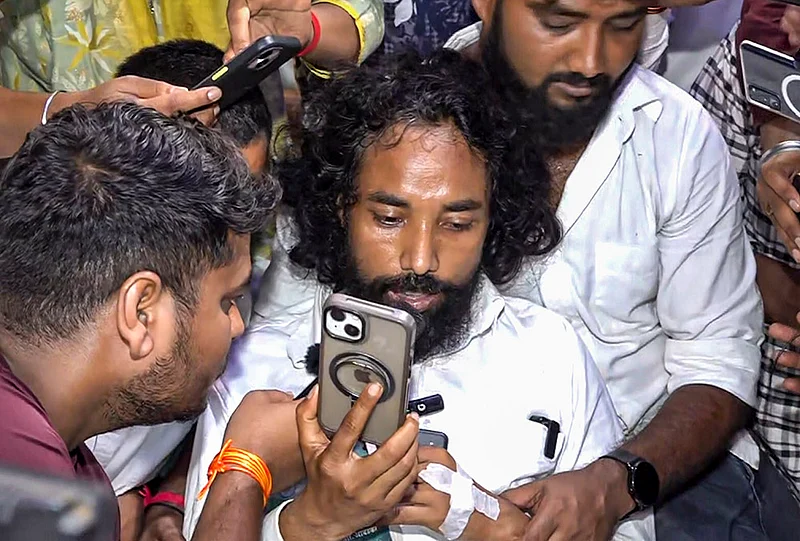
Ranchi: Jharkhand’s ongoing student movement against alleged irregularities in competitive examinations has entered a crucial phase after student leader Devendra Nath Mahato agreed to consume water and salt following an appeal by renowned education reform activist Sonam Wangchuk. Despite partially ending his fast due to health concerns, Mahato has made it clear that his indefinite hunger strike will continue until the Jharkhand government addresses the demands of protesting students.
The development has brought fresh national attention to the movement, which has been gathering momentum since early July over allegations of irregularities in recruitment examinations conducted by the Jharkhand Public Service Commission (JPSC), Jharkhand Staff Selection Commission (JSSC), and other state recruitment agencies.
Mahato’s decision came after an emotional conversation with Wangchuk, who urged the student leader not to risk his life while assuring him that the struggle for justice would continue.
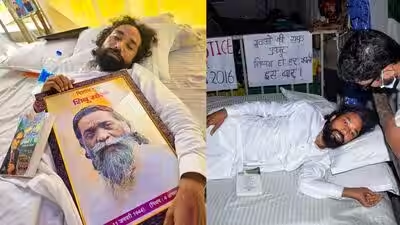
Table of Contents
Student Protest Reaches Critical Stage
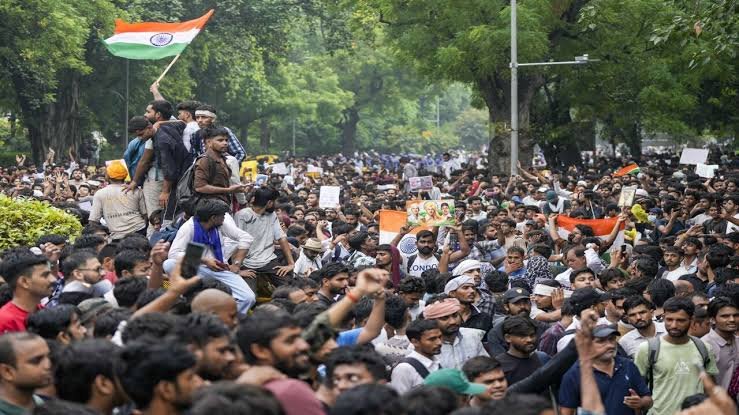
The ongoing agitation has become one of Jharkhand’s largest student-led movements in recent years, with thousands of aspirants demanding fairness and transparency in competitive recruitment examinations.
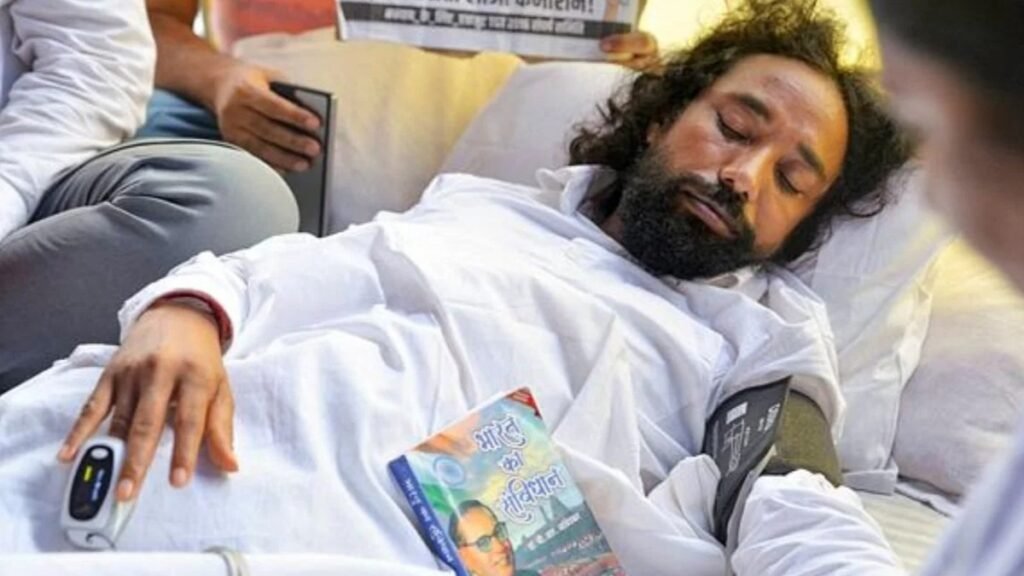
Devendra Nath Mahato, who has emerged as one of the leading faces of the movement, began an indefinite hunger strike on August 2 at Ranchi’s Jaipal Singh Munda Stadium, where students have been holding continuous protests.
According to Mahato, the movement is aimed at securing justice for thousands of candidates who believe recruitment examinations have repeatedly been affected by alleged paper leaks and procedural irregularities.
As his health deteriorated after several days without food or water, concerns grew among supporters and medical professionals regarding his condition.
Sonam Wangchuk Appeals to Devendra Mahato
In a significant moment for the movement, education reform activist Sonam Wangchuk personally spoke with Mahato and appealed to him to reconsider refusing water.
During their conversation, Wangchuk first enquired about Mahato’s health and listened as the student leader described the challenges faced by aspirants in Jharkhand.
Mahato said students had been holding a peaceful Satyagraha since July 25 and that he had begun his indefinite hunger strike on August 2 after years of frustration over alleged examination irregularities.
He also revealed that doctors had warned him that his condition had become critical and that hospitalization might become necessary if he continued refusing water.
Responding to his condition, Wangchuk appealed to Mahato to protect his life while continuing the movement through peaceful democratic means.
He reportedly urged him to drink water, saying the struggle for justice could take time and that preserving his health was essential for leading the movement.
Wangchuk also expressed hope that the Jharkhand government would respond positively to the students’ concerns.
Mahato Agrees to Consume Water but Continues Fast
Following Wangchuk’s intervention, Mahato agreed to consume water and salt but maintained that he would continue his indefinite hunger strike by refusing food until the government responds to the students’ demands.
Speaking to reporters after the conversation, Mahato described Wangchuk’s support as a major source of encouragement for the protesting students.
He said numerous people had earlier appealed to him to end his fast by taking water, but he had declined every request.
However, he accepted Wangchuk’s appeal on one condition—that the activist would continue supporting Jharkhand students until their movement achieved justice.
Mahato stated that Wangchuk accepted this request and assured him that he would remain connected with the movement, continue interacting with student leaders, and remain available through regular video calls.
The student leader said he would now consume water and salt while continuing his hunger strike until the Jharkhand government fulfilled the protesters’ demands.
Why Are Students Protesting in Jharkhand?
The present movement began after the declaration of results for the 14th JPSC Civil Services Preliminary Examination on July 5.
Following the announcement, numerous aspirants alleged irregularities in the recruitment process and questioned the transparency of the examination system.
The controversy soon expanded beyond the JPSC examination, with students also raising concerns regarding the JSSC Combined Graduate Level (CGL) examination and several other recruitment processes conducted in the state.
Since then, thousands of aspirants have participated in round-the-clock demonstrations, sit-ins, and peaceful protests demanding an impartial investigation into the allegations.
Student organizations argue that repeated controversies over recruitment examinations have severely affected the careers of deserving candidates while eroding confidence in the state’s recruitment system.
Hunger Strike Highlights Growing Frustration
Mahato’s indefinite hunger strike has become the symbolic centre of the protest movement.
Supporters say his decision reflects the growing frustration among unemployed youth who have spent years preparing for competitive examinations while repeatedly facing uncertainty over recruitment processes.
The movement has largely remained peaceful, with participants adopting methods inspired by Gandhian principles of non-violent protest.
Students have continued gathering at Jaipal Singh Munda Stadium, demanding transparency, timely investigations, and accountability from authorities.
Sonam Wangchuk Extends Continued Support
Wangchuk’s support has significantly boosted the morale of the protesters.
Known nationally for advocating education reforms and peaceful public movements, Wangchuk has previously supported student campaigns on issues affecting education and governance.
According to Mahato, Wangchuk assured him that he would continue supporting the Jharkhand students until their demands were addressed.
The assurance has strengthened confidence among protesters, many of whom see national attention as increasing pressure on authorities to respond more quickly.
Chief Minister Hemant Soren Responds
Amid the continuing demonstrations, Jharkhand Chief Minister Hemant Soren has assured students that the government is closely monitoring the situation.
Addressing the issue earlier, the Chief Minister said the government remains sensitive to the concerns of students and that an investigation is progressing.
He stated that the investigation team is working continuously and that its findings would soon be shared with the public.
Soren also assured students that their concerns would be addressed fairly and reiterated that justice would be delivered after the inquiry reaches its conclusion.
His remarks have offered some reassurance, although protesting students continue to insist that concrete action is needed before they end their agitation.
Students Demand Transparency and Accountability
The central demand of the movement is greater transparency in recruitment examinations conducted by state agencies.
Students have called for impartial investigations into alleged paper leaks, accountability for those responsible, stronger safeguards against future examination malpractice, and reforms that restore public confidence in Jharkhand’s recruitment system.
Many aspirants argue that repeated examination controversies not only delay recruitment but also affect the careers and mental well-being of thousands of young candidates preparing for government jobs.
The protests therefore represent broader concerns regarding fairness, governance, and the credibility of public recruitment processes.
What Happens Next?
The coming days are expected to be crucial for both the protesting students and the Jharkhand government.
Although Devendra Nath Mahato has agreed to consume water and salt following Sonam Wangchuk’s appeal, he has reiterated that his indefinite hunger strike will continue until meaningful action is taken.
With the government awaiting the outcome of the ongoing investigation and students continuing their demonstrations, the movement remains at a decisive stage.
Whether the administration announces concrete measures or further dialogue takes place, the outcome is likely to shape not only the future of the current protest but also public confidence in Jharkhand’s recruitment system.
For now, the student movement continues to draw widespread attention, highlighting growing demands for transparency, accountability, and fair opportunities in competitive examinations across the state.