Bajaj Auto, one of India’s largest and most established two-wheeler manufacturers, is preparing for a major expansion of its electric mobility business with plans to launch its first mass-market electric motorcycle during the financial year 2027–28 (FY28). The move reflects the company’s long-term strategy to strengthen its position in the rapidly evolving electric vehicle (EV) segment while expanding production capacity across motorcycles, electric vehicles, and commercial vehicles.
The announcement comes at a time when India’s electric mobility ecosystem is witnessing rapid transformation, driven by changing consumer preferences, technological advancements, government incentives, and stricter environmental regulations. With increasing competition from both established automobile manufacturers and EV-focused startups, Bajaj Auto is positioning itself to play a bigger role in shaping the future of electric transportation.
According to the company’s Chief Financial Officer (CFO) Dinesh Thapar, development of the upcoming electric motorcycle is progressing steadily, and if everything remains on schedule, the motorcycle will make its debut during FY28. The company plans to initially introduce the motorcycle in international markets before making it available for Indian customers.
Table of Contents
Bajaj Auto Plans Major Entry into the Electric Motorcycle Segment
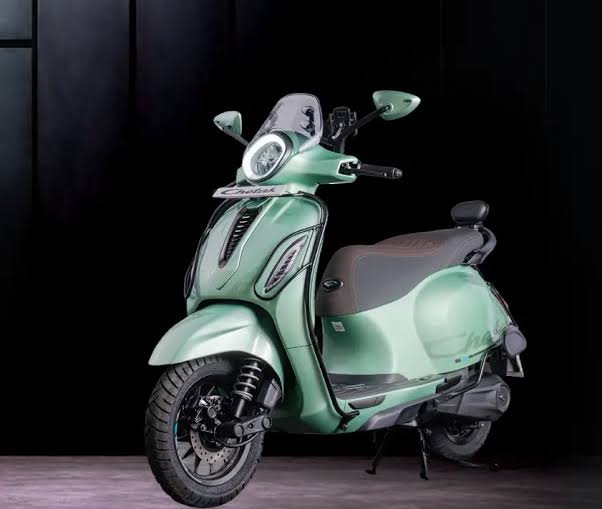
While Bajaj Auto has already established a strong presence in the electric scooter market through its Chetak Electric, the company is now preparing to enter another important category—mass-market electric motorcycles.
Electric motorcycles are increasingly being viewed as the next major growth opportunity within India’s EV market. As charging infrastructure improves and battery technology continues to evolve, more consumers are expected to consider electric motorcycles as practical alternatives to conventional petrol-powered bikes.
Recognising this shift, Bajaj Auto is investing in developing an electric motorcycle that can cater to a broader customer base rather than focusing solely on premium or niche buyers.
According to Dinesh Thapar, the project is progressing rapidly, and the company remains confident about introducing the model during FY28.
International Markets to Get the First Launch
Unlike many new vehicle launches that begin in India, Bajaj Auto has decided to first introduce its upcoming electric motorcycle in export markets.
The company believes international demand for electric mobility continues to grow steadily, creating an opportunity to establish its presence before expanding domestically.
Following its overseas launch, Bajaj Auto plans to introduce the motorcycle in India, where demand for electric two-wheelers has been increasing significantly over the past few years.
This phased rollout strategy allows the company to gather customer feedback, fine-tune the product, and strengthen production before a wider Indian launch.
Electric Portfolio to Expand Beyond Electric Motorcycles
Bajaj Auto’s electric ambitions extend well beyond introducing a single electric motorcycle.
The company is actively expanding its complete EV portfolio, which includes:
- Electric scooters
- Electric motorcycles
- Electric three-wheelers
- Electric commercial vehicles
- E-rickshaws
This diversified approach enables Bajaj Auto to participate across multiple segments of India’s growing EV industry rather than relying on a single product category.
The company believes demand for electric commercial mobility will continue to increase as businesses seek cleaner and more economical transportation solutions.
Delhi’s Proposed EV Policy Adds Momentum
The company’s announcement also comes against the backdrop of Delhi’s proposed Electric Vehicle Policy 2.0, which includes plans to prohibit the registration of new petrol and CNG-powered two-wheelers from April 1, 2028, if implemented.
Although the policy proposal is still subject to government approval and implementation, it highlights the broader direction in which India’s mobility sector is heading.
As governments continue encouraging electric mobility through policy initiatives and infrastructure development, automobile manufacturers are accelerating investments in EV technology.
For Bajaj Auto, launching an electric motorcycle around FY28 could position the company well to benefit from changing market dynamics.
Major Expansion Planned for Manufacturing Capacity
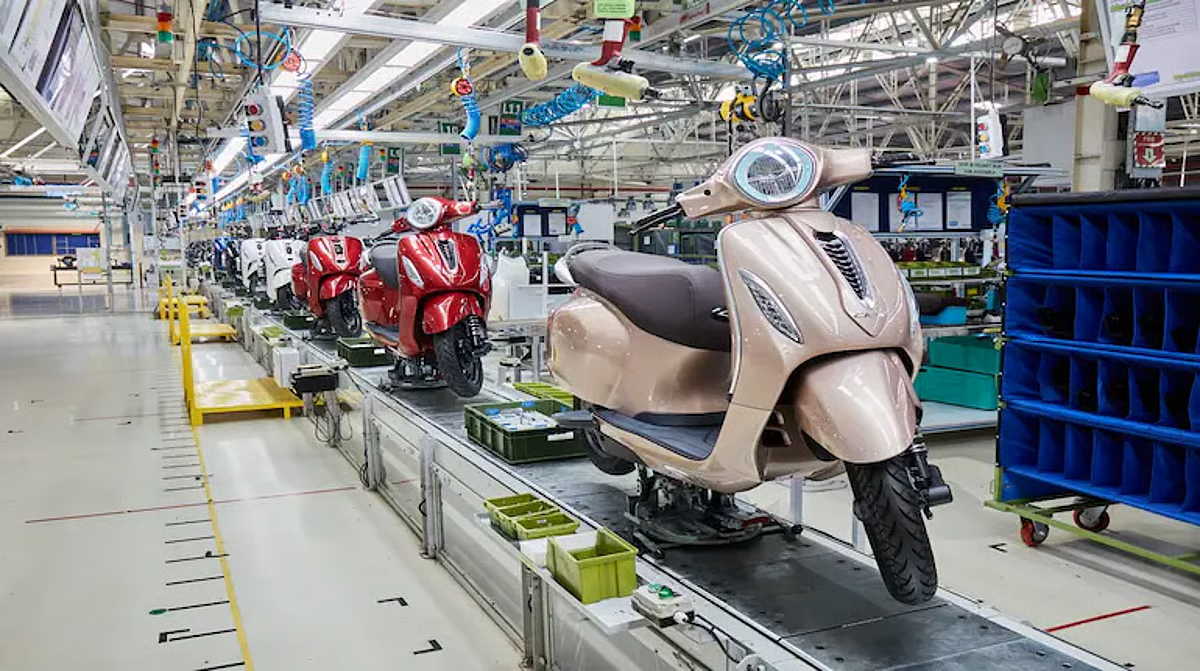
To support future demand across conventional and electric vehicle categories, Bajaj Auto is preparing a significant increase in manufacturing capacity.
The company aims to expand its total production capability by approximately 20 percent.
According to management, this expansion will be carried out in two phases.
During the first phase, manufacturing capacity will increase by nearly 10 percent over the next few months.
The second phase will add another 10 percent by the end of the financial year.
The increased capacity will support production across:
- Motorcycles
- Electric vehicles
- Commercial vehicles
This expansion is expected to improve supply efficiency while enabling the company to respond more effectively to growing customer demand.
Chetak Electric Scooter Production to Increase
Bajaj Auto is also strengthening production of its flagship electric scooter, the Chetak, which has become one of India’s leading electric scooter brands.
The company plans to increase monthly production from approximately 50,000 units to 60,000 units.
The decision reflects growing consumer demand for electric scooters in both urban and semi-urban markets.
Higher production capacity is expected to improve product availability while reducing waiting periods for customers.
Electric Three-Wheeler Production Also Set to Grow
Apart from two-wheelers, Bajaj Auto is increasing investments in electric commercial mobility.
The company intends to raise production capacity for electric three-wheelers and commercial vehicles by approximately 50 percent.
Electric three-wheelers are becoming increasingly important in India’s transportation ecosystem due to lower operating costs, improved efficiency, and growing adoption among fleet operators.
With this expansion, Bajaj aims to strengthen its presence in one of the fastest-growing segments of India’s EV market.
Strong Financial Performance Supports Expansion Plans
Bajaj Auto’s ambitious investment strategy is backed by strong financial performance.
The company reported impressive results during the first quarter of FY2027, reflecting healthy demand across multiple business segments.
According to the company’s financial results:
- Consolidated net profit increased by approximately 46 percent year-on-year.
- Net profit reached ₹3,225.63 crore.
- Two-wheeler sales increased by 11 percent.
- More than 6.34 lakh two-wheelers were sold during the quarter.
The strong earnings provide Bajaj Auto with greater financial flexibility to invest in research, product development, manufacturing expansion, and future technologies.
Electric Vehicle Business Has Turned Profitable
One of the most significant developments highlighted by the company is that its electric vehicle business has now achieved profitability.
This marks an important milestone because many EV manufacturers continue investing heavily while waiting to achieve sustainable profits.
Profitability demonstrates that Bajaj’s EV strategy is beginning to generate positive financial returns alongside market growth.
It also provides confidence for future investments in electric motorcycles, scooters, and commercial vehicles.
Updates Planned for Petrol Motorcycle Portfolio
While expanding aggressively in electric mobility, Bajaj Auto has also confirmed that it remains committed to strengthening its conventional motorcycle lineup.
The company plans to introduce new products and updates within the popular 125cc to 160cc motorcycle segment, which continues to account for significant sales in India.
These upgrades are expected to help Bajaj maintain competitiveness in both petrol-powered and electric vehicle markets simultaneously.
India’s Electric Mobility Landscape Continues to Evolve
India’s automotive industry is currently undergoing one of its biggest transitions in decades.
Electric vehicles are steadily moving from niche products to mainstream transportation options.
Government incentives, improving battery technology, lower running costs, expanding charging infrastructure, and growing environmental awareness are encouraging consumers to consider electric alternatives.
Major manufacturers including Bajaj Auto are responding by accelerating investments in EV research, production capacity, and product development.
Competition in the electric two-wheeler segment is expected to become even more intense over the next few years as companies introduce newer models with improved performance, range, safety features, and connected technologies.
Bajaj Positions Itself for Long-Term Growth
Rather than focusing only on immediate sales, Bajaj Auto appears to be adopting a long-term strategy that combines product diversification, manufacturing expansion, financial discipline, and technological innovation.
Its plans to simultaneously strengthen electric scooters, electric motorcycles, commercial EVs, and conventional motorcycles indicate a balanced approach to future growth.
By expanding production capacity ahead of demand, the company also aims to ensure supply remains stable as consumer interest in electric mobility continues increasing.
Bajaj Auto’s announcement of its first mass-market electric motorcycle for FY28 marks another significant milestone in the company’s evolving electric mobility strategy. With plans to initially launch the motorcycle in international markets before bringing it to India, the company is adopting a phased approach aimed at strengthening its global and domestic presence.
Alongside the upcoming electric motorcycle, Bajaj is expanding its electric portfolio across scooters, three-wheelers, commercial vehicles, and e-rickshaws while significantly increasing manufacturing capacity to meet future demand. The planned production expansion, higher output of the popular Chetak electric scooter, and increased commercial EV manufacturing underline the company’s commitment to supporting India’s transition toward cleaner mobility.
Backed by strong quarterly financial performance, rising two-wheeler sales, and an electric vehicle business that has now turned profitable, Bajaj Auto appears well-positioned to compete in the rapidly evolving EV landscape. As the industry moves closer to widespread electrification and policy-driven adoption, the company’s investments in innovation, manufacturing, and product development could play a key role in shaping its long-term growth in both Indian and global markets.