A little-known Chinese animation film that initially appeared destined to disappear without a trace has unexpectedly become one of the most talked-about cinema releases of the summer. Niu Lai, translated as The Cow Is Coming, has transformed from an obscure micro-budget production into a viral box-office phenomenon, driven largely by social media mockery, curiosity and audiences deliberately paying to experience what online commentators have branded the “worst movie of 2026.”
The film’s unusual rise has occurred during a period dominated by major international releases, including Christopher Nolan’s The Odyssey and Marvel’s Spider-Man: Brand New Day. While those productions arrive with enormous budgets, established franchises and extensive global marketing campaigns, Niu Lai has taken an entirely different route to public attention.
Its success illustrates how social media can dramatically alter the commercial fate of a film, particularly when audiences turn negative reviews and criticism into entertainment of their own.
Table of Contents
From Obscure Release to Internet Sensation
Niu Lai was released in China on August 5 with almost no conventional promotional campaign. The 86-minute animated film reportedly had no major publicity tour, pre-release media campaign or even an official trailer designed to attract audiences.
Its initial box-office performance reflected that lack of visibility.
During its first 10 days in cinemas, the film reportedly earned only around 7,700 yuan, equivalent to approximately Rs 1.04 lakh, while attracting fewer than 300 viewers nationwide.
At that point, there appeared to be little reason to believe that the film would become a major theatrical story.
That changed when clips from the movie began appearing across social media platforms.
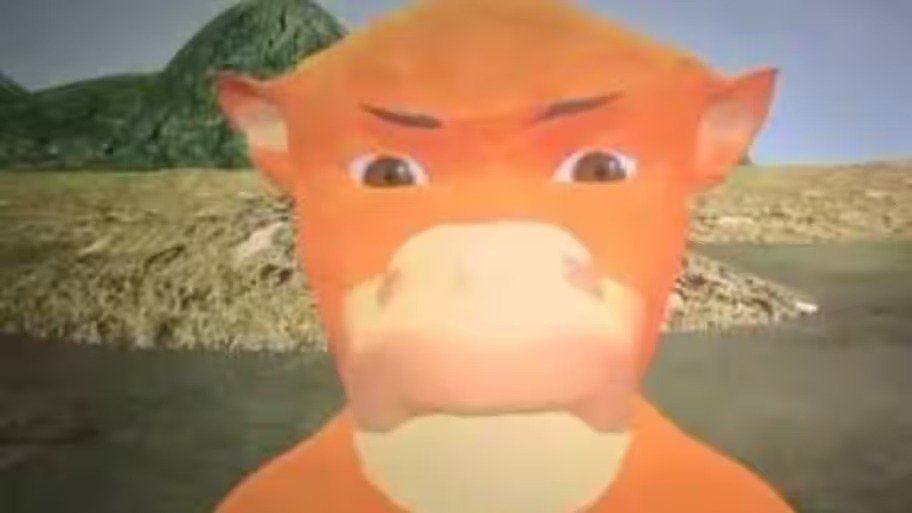
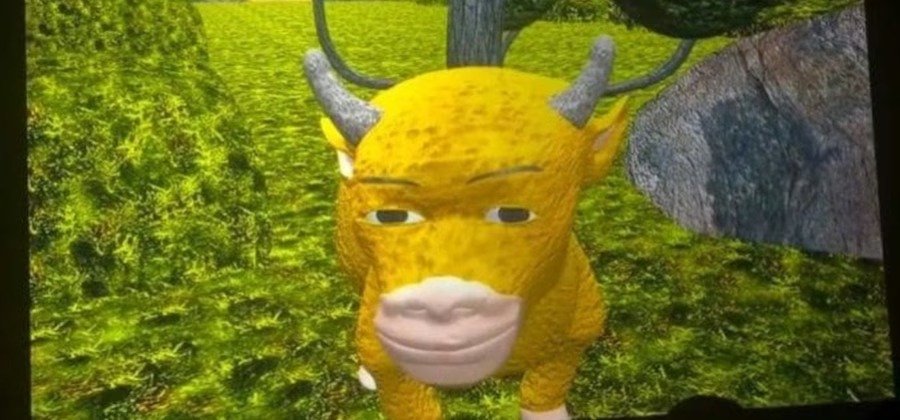
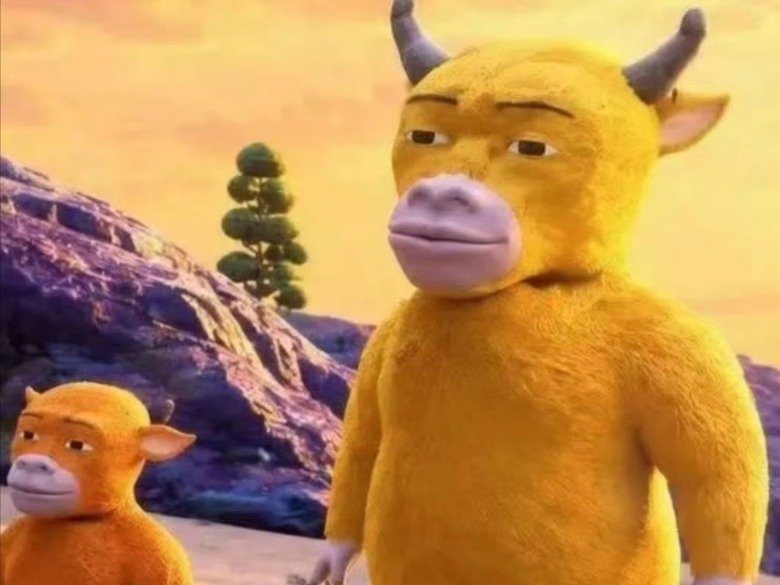
Instead of receiving conventional praise or critical attention, Niu Lai became the subject of intense online ridicule. Users focused on what they described as crude computer-generated visuals, stiff character movements, awkward voice performances and an unconventional storyline that was difficult for many viewers to understand.
Yet the criticism unexpectedly created curiosity.
People who encountered clips online began asking whether the film could really be as strange or poorly made as commentators claimed. Rather than avoiding the movie, some viewers decided to purchase tickets specifically to see the film for themselves.
How Negative Publicity Became Free Marketing
The phenomenon surrounding Niu Lai demonstrates a peculiar but increasingly powerful form of internet-driven publicity: hate-watching.
Traditionally, negative reviews can damage a film’s commercial prospects. A poorly received movie may struggle to attract audiences, particularly when viewers have numerous alternatives available.
In the case of Niu Lai, however, negative reactions became the central attraction.
Social media users shared scenes, screenshots and reactions, creating a cycle in which every joke about the movie generated additional awareness. The more people described the film as terrible, the more curious other users became.
The result was essentially free publicity.
The film did not need a major advertising campaign because online users were doing the promotional work themselves. Every viral post introduced the movie to another group of potential viewers.
This created a remarkable contradiction: people were not necessarily recommending Niu Lai because they believed it was a good film. Instead, they were recommending it because they believed it was an experience worth witnessing.
Box Office Surges Into the Millions
The transformation in the film’s commercial fortunes has been dramatic.
According to data cited from Chinese ticketing platform Maoyan, Niu Lai has reportedly crossed 14.9 million yuan in box-office revenue, equivalent to approximately Rs 20 crore.
The figure represents an extraordinary increase from the film’s first 10 days of theatrical performance.
Its sudden rise has placed the micro-budget animated feature alongside much larger mainstream productions in China’s cinema revenue rankings.
The scale of the turnaround is particularly striking because the film began with almost no visibility. What appeared to be an insignificant theatrical release has instead become a nationwide online conversation.
The story also highlights the unpredictability of modern box-office economics. Large budgets, famous actors and major franchises remain powerful advantages, but viral internet culture can sometimes produce attention that traditional marketing cannot easily replicate.
What Is Niu Lai About?
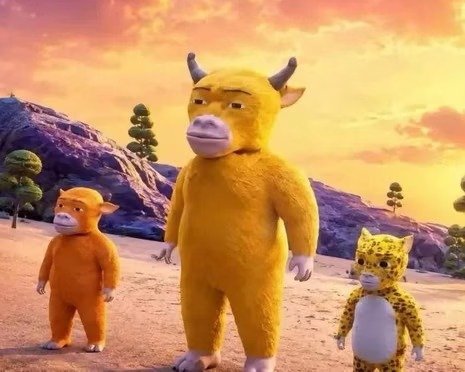
At the centre of Niu Lai is an unusual relationship between a newborn calf and a skylark.
The 86-minute Chinese animated feature reportedly follows the two characters through an abstract dream-like narrative. Rather than relying on a conventional commercial animation structure, the film adopts an unconventional visual and storytelling approach.
The unusual premise has contributed to the Chinese movie’s online reputation, particularly because audiences accustomed to polished mainstream animation have found its presentation strikingly different.
Much of the discussion surrounding the movie has focused less on Chinese traditional storytelling analysis and more on the experience of watching its unusual animation and narrative.
That disconnect between expectations and execution has helped fuel the film’s meme status.
A Film Made by Just Two People
Perhaps the most remarkable part of the Niu Lai story is the reported scale of its production team.
The movie was reportedly developed over approximately five years by just two people, Xin Yumeng and Sun Lifang, who are believed to be a mother-and-son filmmaking team.
The pair reportedly handled numerous responsibilities themselves, including writing, directing, producing and voice acting.
That production history provides important context for understanding the film’s visual style.
Unlike major Chinese animated productions that involve large teams of animators, technical artists, voice performers, composers, editors and other specialists, Niu Lai reportedly emerged from an exceptionally small creative operation.
Its rough appearance, therefore, may be viewed differently depending on the viewer.
For some audiences, the primitive animation represents a failure to meet modern cinematic standards. For others, it represents an unusually personal and handcrafted creative effort.
The Poster That Looked Nothing Like the Film
Another unusual detail surrounding the movie is its promotional poster.
Before the Chinese film’s release, its primary marketing material was reportedly an elegant poster featuring a traditional ink-wash artistic style.
The refined visual presentation reportedly created an impression that was dramatically different from the crude computer animation audiences later encountered inside theatres.
This contrast became another source of online discussion.
The polished poster suggested a carefully designed artistic production, while the film itself was described by viewers as technically primitive and visually awkward.
The contrast between the marketing image and the finished Chinese movie helped reinforce the film’s unexpected internet appeal.
Distributor Was Reportedly Warned About the Film
The unusual release story extends to the movie’s distributor.
According to the information surrounding the film, the distributor had reportedly been advised against releasing Niu Lai because of concerns about its quality.
Despite those reservations, the film was eventually released, reportedly because of a personal friendship with its director.
Under normal circumstances, such a decision might have resulted in a minor theatrical release with little commercial impact.
Instead, the decision inadvertently placed Niu Lai in a position to benefit from an unpredictable social media phenomenon.
Had the movie never reached theatres, the viral curiosity that ultimately drove audiences to cinemas would not have been possible.
Critics Call It the ‘Worst Movie of 2026’
The film’s online reputation has become central to its success.
Several viewers and commentators have described Niu Lai as the “worst movie of 2026,” while others have compared its animation unfavourably with AI-generated visual content.
Criticism has focused on technical elements including character movement, computer graphics, voice acting and the narrative structure.
However, the label has not necessarily discouraged audiences.
Instead, it has become part of the film’s identity.
The phrase “worst movie of 2026” effectively functions as a marketing hook. Once audiences encounter that description repeatedly online, curiosity can become stronger than the negative review itself.
This is particularly evident in the way viewers are reportedly purchasing tickets simply to determine whether the movie really deserves its reputation.
Letterboxd Becomes a Hub for Ironic Reactions
Online movie platform Letterboxd has reportedly become an important space for the film’s growing reputation.
Rather than conventional reviews focusing solely on cinematography, storytelling or animation quality, many reactions have adopted a humorous and ironic tone.
One user reportedly joked that Christopher Nolan was “shaking in his boots” after the film’s emergence.
Another viewer described the movie as being “still better than AI,” while another expressed surprise at becoming emotionally affected by the story.
These reactions demonstrate how internet audiences can transform a film into something larger than its original artistic intention.
The discussion surrounding Niu Lai is now as much about the phenomenon itself as it is about the movie.
Why Audiences Are Paying to See a ‘Bad’ Film
The most interesting aspect of the Niu Lai phenomenon may be the psychology behind its audience.
People generally pay to watch films because they expect entertainment, emotional engagement or artistic quality. In this case, a portion of the audience is reportedly paying because they expect the opposite.
The movie’s reputation creates a challenge: Is it really as bad as everyone says?
That question creates curiosity.
Once enough people begin discussing the film, avoiding spoilers or sharing bizarre scenes, other users may feel compelled to participate in the cultural moment.
This is similar to the way certain cult films acquire audiences through their reputations rather than conventional critical acclaim. The difference is that social media can accelerate that process dramatically.
A Human-Made Film in the Age of AI
The Niu Lai phenomenon also carries an unexpected connection to the rapidly changing animation and entertainment industry.
At a time when artificial intelligence can generate increasingly polished images, animation and video content, the roughness of Niu Lai has been interpreted by some viewers as evidence of human creativity rather than technological sophistication.
Some audiences have reportedly found it refreshing to know that the movie was created through the work of a tiny human team rather than being an AI-generated production.
This does not necessarily mean viewers consider the film technically successful.
Instead, its imperfections have become part of its appeal.
The movie’s Animation limitations provide evidence of the human effort behind its production, making its unusual aesthetic feel personal to some viewers.
The Changing Meaning of ‘Success’ at the Box Office
Niu Lai also raises broader questions about how success should be measured in the modern entertainment industry.
From a traditional Chinese filmmaking perspective, the movie’s initial performance could have been considered a failure. With fewer than 300 viewers during its first 10 days, there was little indication of commercial potential.
But the subsequent surge demonstrates Chinese that theatrical success can emerge from unexpected sources.
The Chinese Animation film’s box-office performance is now being discussed because of its viral status, not because of an expensive marketing campaign or celebrity-driven promotion.
The Chinese Animation case suggests that audience attention itself has become an increasingly valuable commodity.
What the Niu Lai Phenomenon Says About Social Media
The rise of Chinese Animation Niu Lai offers another example of the unpredictable relationship between social media and entertainment.
Online platforms can turn criticism into publicity, transform obscure content into viral material and create demand for products that traditional marketing might never have successfully promoted.
The Chinese Animation process is particularly powerful when a piece of content generates strong emotional reactions.
In Chinese Animation Niu Lai‘s case, disbelief, humour, ridicule and curiosity appear to have combined to create a self-sustaining cycle of attention.
The Chinese Animation film became a joke, the joke became a trend, and the trend eventually translated into ticket sales.
From ‘Worst Movie’ to Unexpected Hit
The story of Chinese Animation Niu Lai is ultimately less about whether the movie deserves to be called the “worst movie of 2026” and more about how audiences decide what is worth watching.
A virtually unknown Chinese animated feature, released without a trailer or major promotional campaign, has reportedly grown from earning just 7,700 yuan in its first 10 days to generating more than 14.9 million yuan.
Its Chinese Animation success has been driven not by conventional acclaim but by online criticism, memes and curiosity.
Created over five years by a reported Chinese Animation two-person team, Chinese Animation Niu Lai now stands as one of the year’s most unusual box-office stories.
Whether Chinese Animation audiences ultimately regard the film as an artistic experiment, an amateur production, a genuine disaster or a charmingly human piece of animation, its Chinese Animation cultural impact is already difficult to ignore.
In an Chinese Animation entertainment landscape increasingly shaped by algorithms, viral trends and AI-generated content, the Chinese Animation Niu Lai phenomenon offers a particularly strange lesson: sometimes, Chinese Animation being called the worst movie in the room can be the best publicity a film could possibly receive.