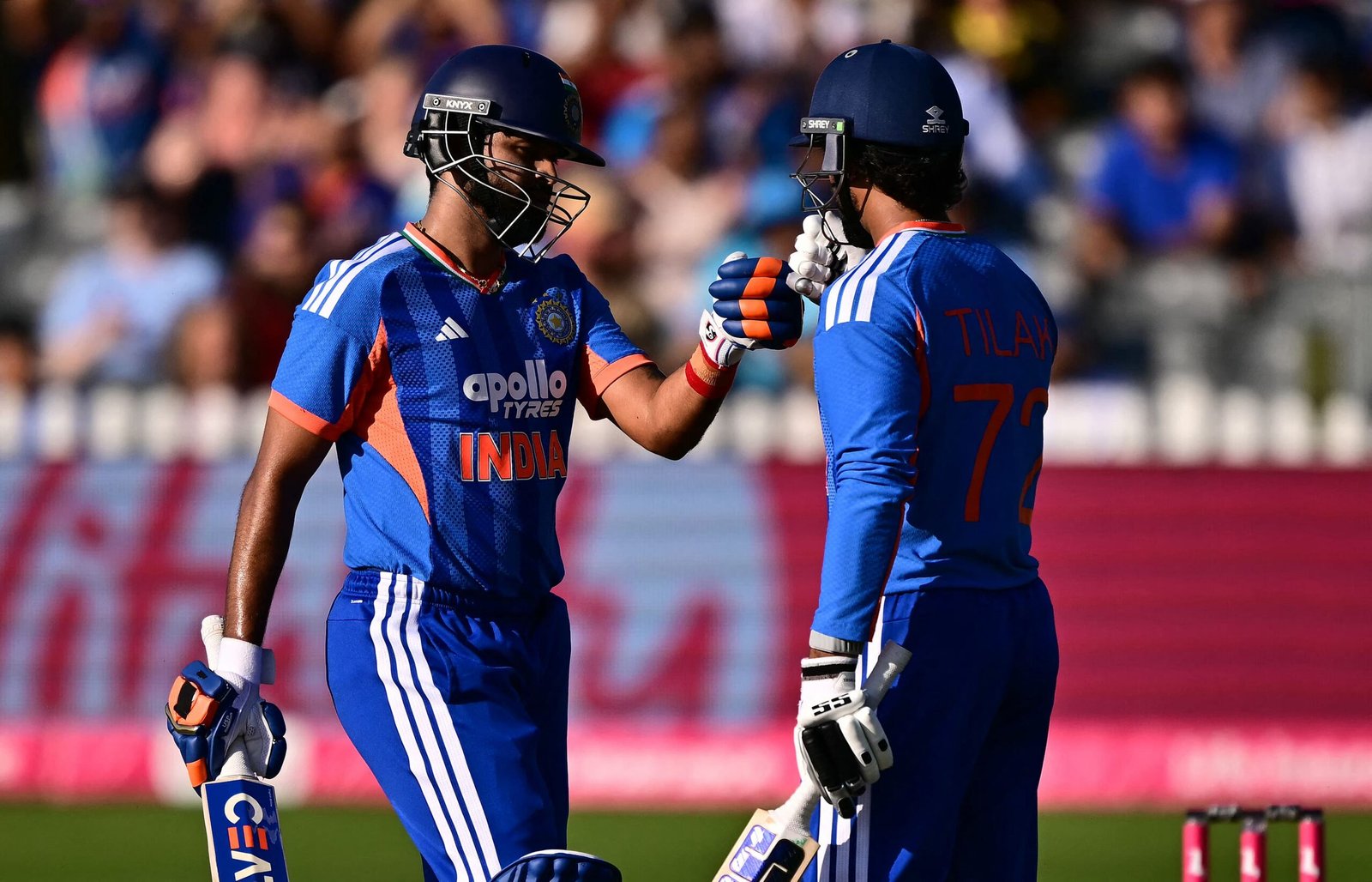
Shreyas Iyer’s expected absence could bring a significant change to India’s middle order in the upcoming ODI series against West Indies, with the three-match series scheduled to begin on September 27. In his absence, young left-handed batter Tilak Varma is emerging as one of the strongest candidates to take over the crucial No. 4 position.
The development could force the Indian team management and selectors to reassess the balance of the middle order ahead of the West Indies series. Iyer has been a regular presence at No. 4 in India’s ODI setup, making his absence a notable change for a batting unit that has relied on his ability to build an innings and accelerate when required.
According to the information provided, Iyer is expected to lead India’s cricket team at the Asian Games in Japan, which begin on September 19. His involvement in the continental multi-sport event is likely to make it difficult for him to feature in the ODI series against West Indies.
With the selectors expected to finalise the squad soon, attention is now turning toward the possible candidates for Iyer’s position. Tilak Varma has emerged as a particularly interesting option because of his left-handed batting style and ability to operate in the middle order.
Shreyas Iyer’s Absence Creates a Key Selection Question
Shreyas Iyer has established himself as an important part of India’s ODI batting structure, particularly at No. 4.
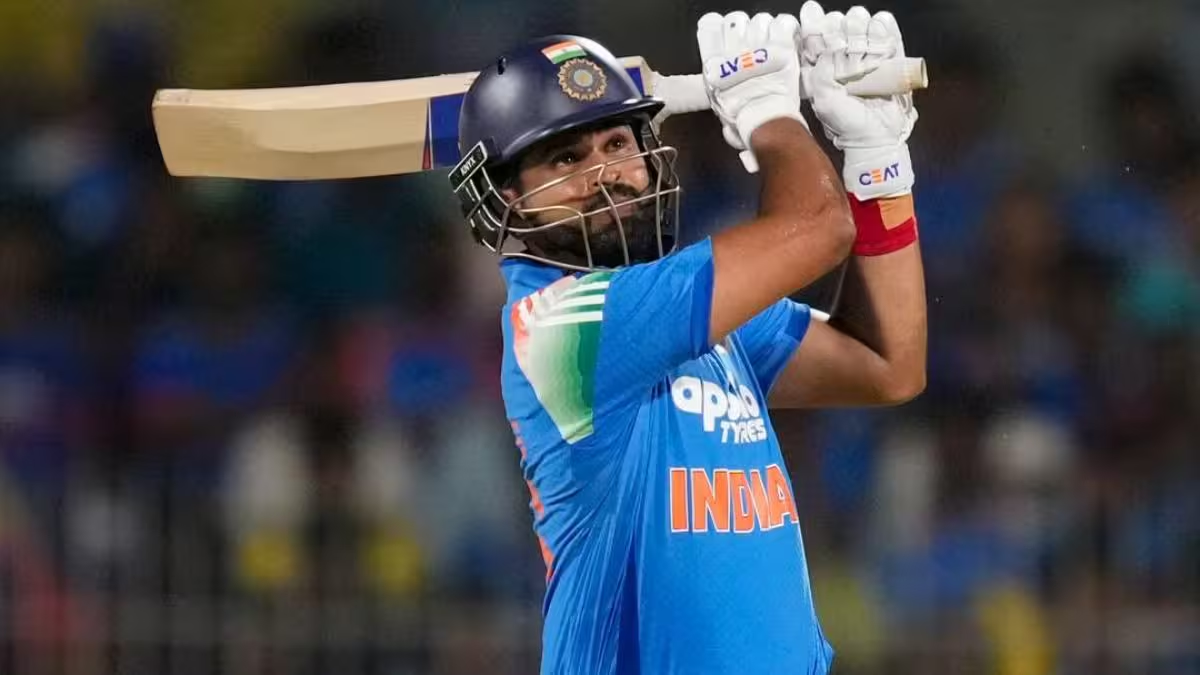 The position is traditionally regarded as one of the most important slots in a one-day international batting lineup. The No. 4 batter often enters the game after the opening phase and may have to perform different roles depending on the match situation.
If India loses early wickets, the batter at No. 4 may be required to rebuild the innings. If the openers provide a strong start, the same player may be expected to maintain the scoring rate and attack the opposition during the middle overs.
Iyer has generally been trusted with these responsibilities because of his experience and ability to play through the middle overs.
His expected absence against West Indies therefore creates a tactical question for the selectors: should India replace him with a player who offers a similar batting profile, or use the opportunity to introduce a different combination?
Tilak Varma appears to offer an option that could change the shape of the batting order.
Tilak Varma Emerges as the Leading No. 4 Option
Tilak Varma’s name is gaining considerable attention as a potential replacement for Iyer.
One of the biggest advantages in his favour is that he is a left-handed batter. If India selects Rohit Sharma and Shubman Gill as the opening combination, with Virat Kohli at No. 3, the top order could potentially feature three right-handed batters.
Introducing Tilak at No. 4 would immediately provide a left-right combination.
This can make it more difficult for opposition bowlers to settle into a rhythm because they have to adjust their lines and lengths when the batter changes from right-handed to left-handed.
The tactical benefit becomes particularly relevant in limited-overs cricket, where bowlers often attempt to create specific matchups against batters.
Tilak’s left-handedness is therefore more than simply a statistical characteristic. It could become an important component of India’s overall batting strategy.
Why No. 4 Could Suit Tilak Varma
Tilak Varma has developed a reputation for being capable of adapting his batting according to the situation.
A middle-order batter needs to be flexible. There are occasions when the team requires stability and others when it needs quick runs.
Tilak can potentially perform both roles.
If India loses wickets early, he could be asked to settle down and build a partnership. If the top order provides a solid platform, he could be encouraged to increase the tempo and take advantage of the fielding restrictions or favourable matchups.
That adaptability could make him an attractive option for the No. 4 role.
The West Indies series could therefore provide an important opportunity to assess whether Tilak can translate his skills into a more permanent role in India’s ODI setup.
Tilak Varma’s ODI Experience So Far
Tilak Varma has already represented India in five ODI matches and has scored 68 runs.
Although those numbers do not yet provide a large sample size, they indicate that he has already been exposed to international one-day cricket.
His most recent ODI appearance came against South Africa on December 6, 2025. According to the supplied information, Tilak did not get an opportunity to bat in that match.
As a result, a return to the ODI side against West Indies could be particularly important for him.
If selected, he would have an opportunity not only to make an impact with the bat but also to establish himself as a serious option for India’s middle order in future ODI assignments.
Ruturaj Gaikwad Also in the Race
Tilak Varma is not the only player being considered for Shreyas Iyer’s position. With Shreyas Iyer expected to miss the West Indies ODI series, the selectors could have an interesting decision to make regarding India’s middle-order combination.
Ruturaj Gaikwad is also reportedly in contention for a place in the squad. His inclusion could provide an alternative to the role previously occupied by Shreyas Iyer.
Gaikwad offers a different batting profile and has considerable experience in domestic cricket. His ability to score consistently makes him an option that the selectors cannot easily overlook, particularly with Shreyas Iyer potentially unavailable.
The final decision could come down to what the selection committee values most for the West Indies series. Shreyas Iyer’s absence gives the selectors an opportunity to assess the available options.
If the selectors prioritise a left-right combination and a middle-order specialist, Tilak could have an advantage over the replacement options for Shreyas Iyer.
If they prefer a batter based on current form, experience or a particular tactical requirement, Gaikwad could strengthen his case for the position vacated by Shreyas Iyer.
The competition between the two players could therefore become one of the most interesting selection battles surrounding the upcoming series, particularly because Shreyas Iyer has been an important part of India’s ODI middle order.
Duleep Trophy Could Influence the Decision
Tilak Varma is currently leading South Zone in the Duleep Trophy, giving him another opportunity to impress the selectors while Shreyas Iyer remains unavailable for consideration in this series.
Domestic cricket remains an important pathway for players looking to establish themselves at the international level. Performances in the Duleep Trophy can provide selectors with valuable information about a player’s current form, temperament and consistency, especially when they are searching for an alternative to Shreyas Iyer.
For Tilak, strong performances with the bat could further strengthen his case for selection and increase his chances of replacing Shreyas Iyer in the middle order.
His leadership responsibilities also provide another dimension to his development. Captaining South Zone requires him to manage different match situations and players, potentially adding to the experience needed to take on a role similar to the one previously handled by Shreyas Iyer.
If he performs well while leading the side, it could give the selectors additional confidence in his ability to handle responsibility following Shreyas Iyer’s expected absence.
 Possible India Batting Order Against West Indies
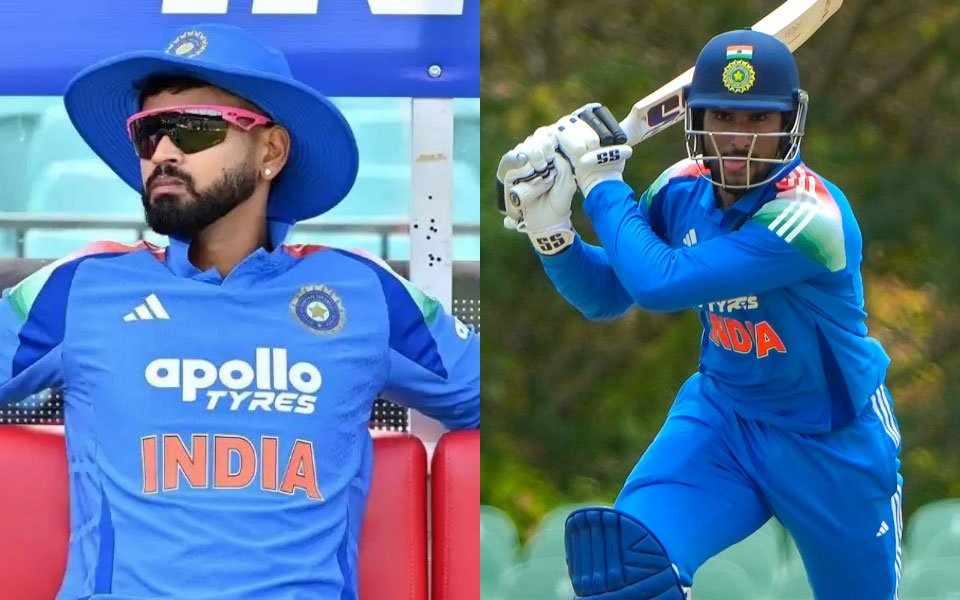
If the projected combination is selected, India could have a top order featuring Rohit Sharma and Shubman Gill as openers, followed by Virat Kohli at No. 3. With Shreyas Iyer unavailable, the biggest question would be who takes responsibility at No. 4.
Tilak Varma could then be considered for No. 4, while KL Rahul could provide stability at No. 5. This would give India a potential combination capable of filling the gap created by Shreyas Iyer.
Such a combination would give India a mixture of experience, youth, right-handed and left-handed batting options.
Rohit and Kohli would bring significant international experience, while Gill has established himself as a key part of India’s modern batting lineup. Their presence could provide a strong foundation even without Shreyas Iyer.
Tilak, meanwhile, would represent the younger generation and could provide greater flexibility in the middle overs. If he takes over the No. 4 position, the role previously associated with Shreyas Iyer could become an important opportunity for him.
KL Rahul’s presence could further strengthen the middle order because of his ability to adapt to different match situations.
However, the final batting order will depend on the squad selected and the team management’s tactical preferences, with the absence of Shreyas Iyer likely to be a major factor in the final combination.
The Importance of Left-Right Combination
The potential inclusion of Tilak at No. 4 highlights a wider tactical consideration in modern limited-overs cricket. Shreyas Iyer’s absence could allow India to experiment with a different batting structure.
Teams increasingly look for batting combinations that can disrupt an opposition’s bowling plans.
A sequence of right-handed batters can allow bowlers to maintain a consistent angle and field placement. Introducing a left-hander can force immediate changes.
For India, a top order of Rohit, Gill and Kohli would potentially consist entirely of right-handed batters. Tilak’s arrival at No. 4 would break that pattern and provide a different option from Shreyas Iyer.
This could give India more flexibility during the middle overs and potentially make it harder for opposition captains to maintain defensive field settings.
The tactical advantage could become particularly useful against teams with strong spin options. It also gives India a chance to explore a new combination while Shreyas Iyer is away.
What Tilak Needs to Prove
While Tilak has several qualities in his favour, selection alone would not guarantee that he becomes India’s permanent No. 4 batter or a long-term replacement for Shreyas Iyer.
He would need to demonstrate consistency.
One of the biggest challenges for a young player entering a crucial middle-order role is managing expectations. International cricket can quickly expose technical or tactical weaknesses, particularly against disciplined bowling attacks.
Tilak would need to show that he can rotate the strike effectively, build partnerships and accelerate without taking unnecessary risks.
His ability to adapt to different match situations will be closely watched if he receives the opportunity to step into the role vacated by Shreyas Iyer.
The West Indies series could therefore serve as an important audition for the young batter and potentially show whether he can handle the responsibilities associated with Shreyas Iyer’s usual position.
West Indies Series Could Offer Valuable Opportunities
The three-match ODI series against West Indies begins on September 27 and could provide India with an opportunity to test its squad depth while Shreyas Iyer is expected to be unavailable.
With Iyer potentially unavailable, the selectors have an opportunity to assess another player in a key position without necessarily making a permanent change to the team.
This kind of series can be particularly valuable for younger players. Shreyas Iyer’s absence could give a player such as Tilak Varma the opportunity to gain valuable international experience.
A successful run for Tilak could increase competition for middle-order places and give India another reliable option heading into future ODI assignments.
For the team management, it would also provide an opportunity to understand how the batting lineup performs with a different combination instead of Shreyas Iyer.
Selection Announcement Will Provide the Final Answer
At this stage, Tilak Varma appears to be one of the strongest candidates to replace Shreyas Iyer, but the final decision rests with the selectors.
The selection committee will have to consider several factors, including current form, recent performances, team balance, batting combinations and the long-term requirements of Indian cricket.
Ruturaj Gaikwad remains another credible candidate, meaning the No. 4 debate created by Shreyas Iyer’s absence is far from settled.
The Duleep Trophy performances of players involved in the selection race could also influence the final decision. For Shreyas Iyer’s replacement, every recent performance could prove important.
For Tilak, the opportunity could represent an important step in his international career and potentially give him a chance to establish himself beyond the shadow of Shreyas Iyer.
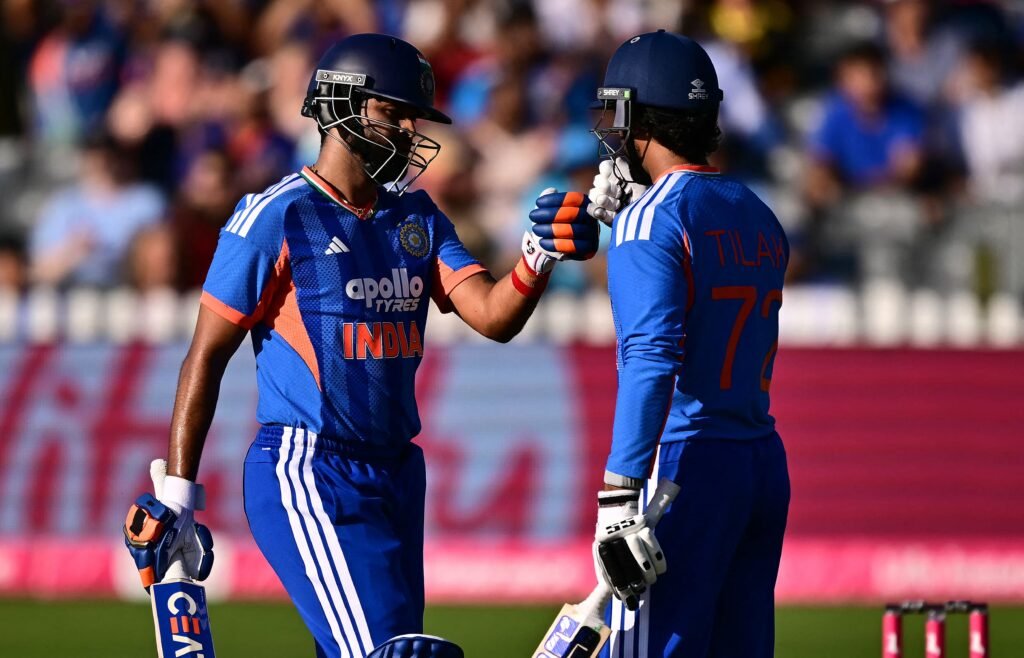 A Chance for the Next Generation
Shreyas Iyer’s expected absence may create a challenge for India, but it could also open the door for a younger player to establish himself.
Tilak Varma has several factors working in his favour: he is a left-handed middle-order batter, possesses the ability to adapt his scoring rate and already has international experience.
The possibility of placing him at No. 4 could also help India create a more varied batting lineup alongside Rohit Sharma, Shubman Gill, Virat Kohli and KL Rahul while Shreyas Iyer is away.
However, the competition from Ruturaj Gaikwad means the selectors have a genuine choice to make. Whoever gets the opportunity will be expected to fill the gap created by Shreyas Iyer effectively.
As India prepares for the three-match ODI series against West Indies, the focus will be on the squad announcement and, in particular, who is entrusted with the responsibility of filling Shreyas Iyer’s place.
For Tilak Varma, the opportunity could be much more than a temporary replacement. A strong performance could help him make a lasting claim for one of the most important positions in India’s ODI batting order and provide a long-term option whenever Shreyas Iyer is unavailable.