New international railway order strengthens India-Bangladesh rail cooperation and highlights RCF’s growing manufacturing capabilities
RCF Kapurthala is set to achieve another significant milestone with the rollout of its first rake of 20 Linke Hofmann Busch (LHB) broad-gauge passenger coaches manufactured for Bangladesh Railway. The development marks an important step in India’s railway manufacturing and export capabilities while further strengthening the long-standing railway cooperation between India and Bangladesh.
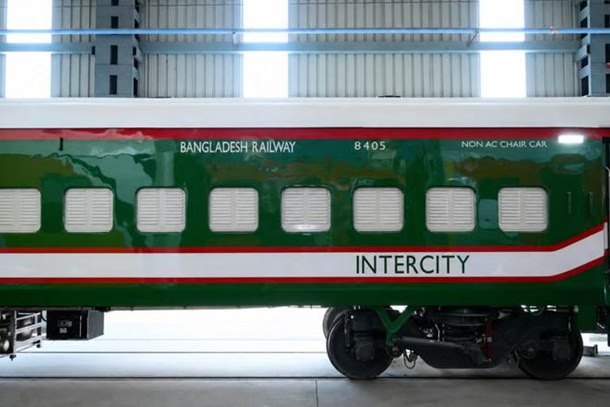
The first rake will comprise 20 passenger coaches in multiple configurations, including air-conditioned sleeper cars, air-conditioned chair cars, non-air-conditioned chair cars and power cars. According to the information provided by RCF, the coaches feature several design modifications and engineering solutions developed specifically for the project.
The order also builds on an established relationship between RCF and Bangladesh Railway. The two organisations have previously worked together on the supply of LHB broad-gauge passenger coaches, with 120 coaches supplied during 2015-16. The latest project represents a significant expansion of that partnership.
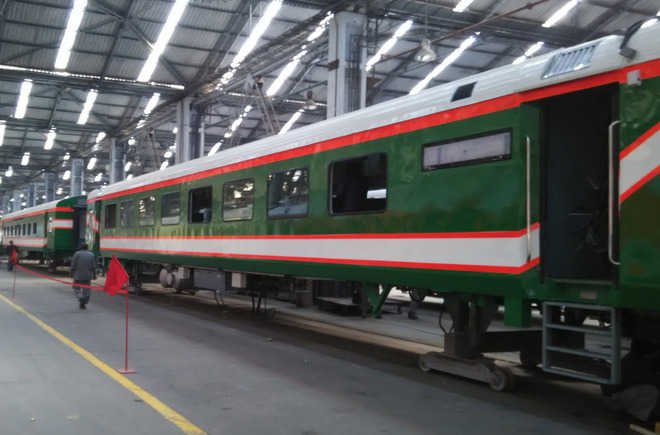
Table of Contents
First Rake Includes 20 LHB Broad-Gauge Coaches
The first rake being rolled out by RCF Kapurthala consists of 20 coaches designed to serve different passenger requirements.
The composition includes three AC Sleeper Cars, three AC Chair Cars, 12 Non-AC Chair Cars and two Power Cars. This combination provides Bangladesh Railway with a mix of passenger accommodation and operational support coaches within a single rake.
The use of LHB technology is particularly significant because these coaches represent a modern passenger-coach platform developed for higher-capacity and improved railway operations.
According to RCF Kapurthala, the coaches incorporate several unique design features and modifications. Some of these changes have reportedly been developed for the first time in LHB-type coaches, demonstrating the engineering and manufacturing capabilities of the Kapurthala-based production facility.
The project therefore goes beyond simply fulfilling an export order. It also provides an opportunity for Indian railway engineers and manufacturers to develop solutions suited to the requirements of an international railway system.
Specialised Design Features Highlight RCF Engineering Strength
One of the key features of the Bangladesh Railway project is the incorporation of specialised modifications into the coaches.
RCF Kapurthala has highlighted that several design features have been introduced specifically for these coaches. Some of the modifications represent first-of-their-kind applications in LHB-type coaches, reflecting the factory’s ability to adapt established railway platforms for specific customer requirements.
International railway projects often require manufacturers to consider the operational environment, passenger requirements and technical standards of the receiving railway system. The Bangladesh Railway order provides RCF Kapurthala with an opportunity to demonstrate this adaptability.
The successful development and rollout of the coaches also highlights the role of design, engineering and manufacturing teams in delivering customised railway products.
For RCF Kapurthala, the project reinforces its position not only as a major coach manufacturing facility within India’s railway system but also as a potential supplier for international railway markets.
RCF and Bangladesh Railway Share a Long-Standing Partnership
The relationship between RCF Kapurthala and Bangladesh Railway is not new.
The association dates back to 2015-16, when RCF Kapurthala successfully supplied 120 LHB broad-gauge passenger coaches to Bangladesh Railway.
The earlier supply established a foundation for continued cooperation between the two railway organisations. The latest order demonstrates that the previous project helped build confidence in RCF Kapurthala’s manufacturing capabilities and ability to deliver coaches for Bangladesh Railway.
The continuation of this relationship is significant because railway projects require long-term technical confidence. Passenger coaches must meet operational requirements while also maintaining reliability, safety and passenger comfort over extended periods.
The fact that Bangladesh Railway again entrusted RCF Kapurthala with a major order indicates the importance of the earlier association.
Major 2024 Order for 200 Passenger Coaches
Building on the successful supply of 120 coaches, Bangladesh Railway placed another major order with RCF Kapurthala in 2024 through RITES.
The order covers 200 broad-gauge passenger coaches across seven variants.
The scale of the order represents a substantial expansion compared with the earlier project and underlines the growing importance of RCF Kapurthala’s international railway business.
The use of multiple coach variants also indicates that the project has been designed to address different operational and passenger requirements rather than relying on a single standard configuration.
The rollout of the first rake is therefore an important intermediate milestone in the execution of the larger 200-coach order.
As additional coaches are manufactured and supplied, the project could further strengthen the operational relationship between Indian railway manufacturing organisations and Bangladesh Railway.
What LHB Coaches Mean for Modern Passenger Rail
LHB coaches are an important part of the modernisation of passenger railway fleets.
The LHB platform has become associated with modern passenger coach design and has been adopted extensively within India’s railway network. Its broad-gauge configuration is particularly relevant for railway systems operating on the same gauge.
For Bangladesh Railway, the availability of LHB broad-gauge coaches manufactured by RCF Kapurthala provides an opportunity to expand or modernise passenger services using a proven coach platform.
The latest coaches being produced by RCF Kapurthala also demonstrate how the LHB platform can be adapted to meet specific requirements.
The combination of AC sleeper, AC chair, non-AC chair and power cars allows the rake to support different passenger categories and operational requirements.

First Rake Marks an Important Manufacturing Milestone
The rollout of the first rake is being viewed as another proud chapter in RCF Kapurthala’s journey.
The project showcases the factory’s ability to manage a large international order involving multiple variants and specialised design requirements.
For a manufacturing facility, the successful rollout of the first rake is an important stage because it demonstrates that design concepts have been translated into finished railway products.
It also provides a foundation for subsequent production under the larger 200-coach order.
The project brings together several areas of railway manufacturing, including design engineering, fabrication, assembly, electrical systems, passenger accommodation and quality-related processes.
The successful completion of these stages is essential before the coaches can eventually enter service with Bangladesh Railway.
Strengthening India-Bangladesh Railway Cooperation
The project carries significance beyond the manufacturing sector because it contributes to broader railway cooperation between India and Bangladesh.
Railways have historically been an important component of connectivity between the two neighbouring countries. Passenger and freight railway links provide an important foundation for regional movement and economic cooperation.
The supply of Indian-built coaches adds another dimension to that relationship by connecting railway manufacturing capabilities with operational requirements in Bangladesh.
The latest RCF project could therefore contribute to deeper technical and industrial cooperation between the two countries.
The continued relationship between RCF and Bangladesh Railway also demonstrates how railway manufacturing can support wider bilateral engagement.
RITES Plays an Important Role in the International Order
The latest order was entrusted to RCF through RITES, an Indian engineering and consultancy organisation associated with railway infrastructure and transport projects.
RITES has played an important role in facilitating international railway business for Indian railway-related manufacturing and engineering capabilities.
In the Bangladesh Railway project, its involvement helped connect the customer requirement with RCF’s manufacturing capacity.
The partnership between RCF and RITES demonstrates how different organisations within India’s railway ecosystem can work together to deliver international projects.
Such collaboration can become increasingly important as Indian railway manufacturing companies seek opportunities beyond the domestic market.
Opening Doors to More International Opportunities
The successful rollout could have implications for RCF’s future international business.
According to the supplied information, the project is expected to open new avenues for international opportunities.
The ability to successfully deliver a major overseas railway order can strengthen a manufacturer’s credentials when competing for future international contracts.
RCF’s experience with Bangladesh Railway provides a practical example of how an established domestic railway manufacturing facility can adapt its products for an international customer.
The project may also help showcase Indian expertise in railway coach design, engineering and manufacturing to other potential markets.
As countries look to modernise their railway networks, demand for reliable passenger coaches and railway equipment could create additional opportunities for Indian manufacturers.
A Showcase of India’s Railway Manufacturing Capabilities
The Bangladesh Railway project is also a reflection of India’s growing capabilities in railway manufacturing.
RCF Kapurthala has been an important part of India’s passenger coach manufacturing ecosystem, and the latest export order demonstrates the ability to produce coaches for requirements beyond the domestic railway network.
The incorporation of specialised features in the Bangladesh coaches is particularly noteworthy because it highlights engineering flexibility.
Instead of simply supplying a standard product, RCF has developed modifications suited to the requirements of the international customer.
This ability to customise railway products can be an important competitive advantage in international markets.
A New Chapter in a Continuing Partnership
The rollout of the first 20-coach rake represents a new chapter in the relationship between RCF Kapurthala and Bangladesh Railway.
The partnership began with 120 LHB broad-gauge passenger coaches supplied during 2015-16 and has now progressed to a much larger 200-coach order placed in 2024 through RITES.
The first rake from the latest order demonstrates that the project has moved from the order and development stages into physical production and rollout.
With 200 coaches included in the overall order across seven variants, the project has considerable scope for continued cooperation.
For Bangladesh Railway, the coaches will add modern passenger stock to its fleet. For RCF, the project provides valuable international manufacturing experience and strengthens its credentials as an exporter of railway products.
The rollout of the first rake is therefore more than a routine manufacturing event. It represents the convergence of engineering innovation, international railway cooperation and India’s expanding railway manufacturing capabilities.
The specialised design features developed for the Bangladesh project demonstrate RCF’s ability to respond to customer-specific requirements, while the scale of the 200-coach order highlights the confidence placed in its manufacturing capabilities.
As production progresses, the project is expected to strengthen the railway relationship between India and Bangladesh and potentially create opportunities for similar international assignments.
The first rake of 20 LHB broad-gauge passenger coaches thus marks an important milestone for RCF Kapurthala. It builds on a decade-long association with Bangladesh Railway, reinforces India’s role as a supplier of railway equipment and showcases the country’s ability to develop customised passenger coaches for international markets.
For RCF, Bangladesh Railway and the broader India-Bangladesh partnership, the rollout represents not only the completion of an important production milestone but also the beginning of another phase of cooperation with the potential to support future railway and manufacturing opportunities.