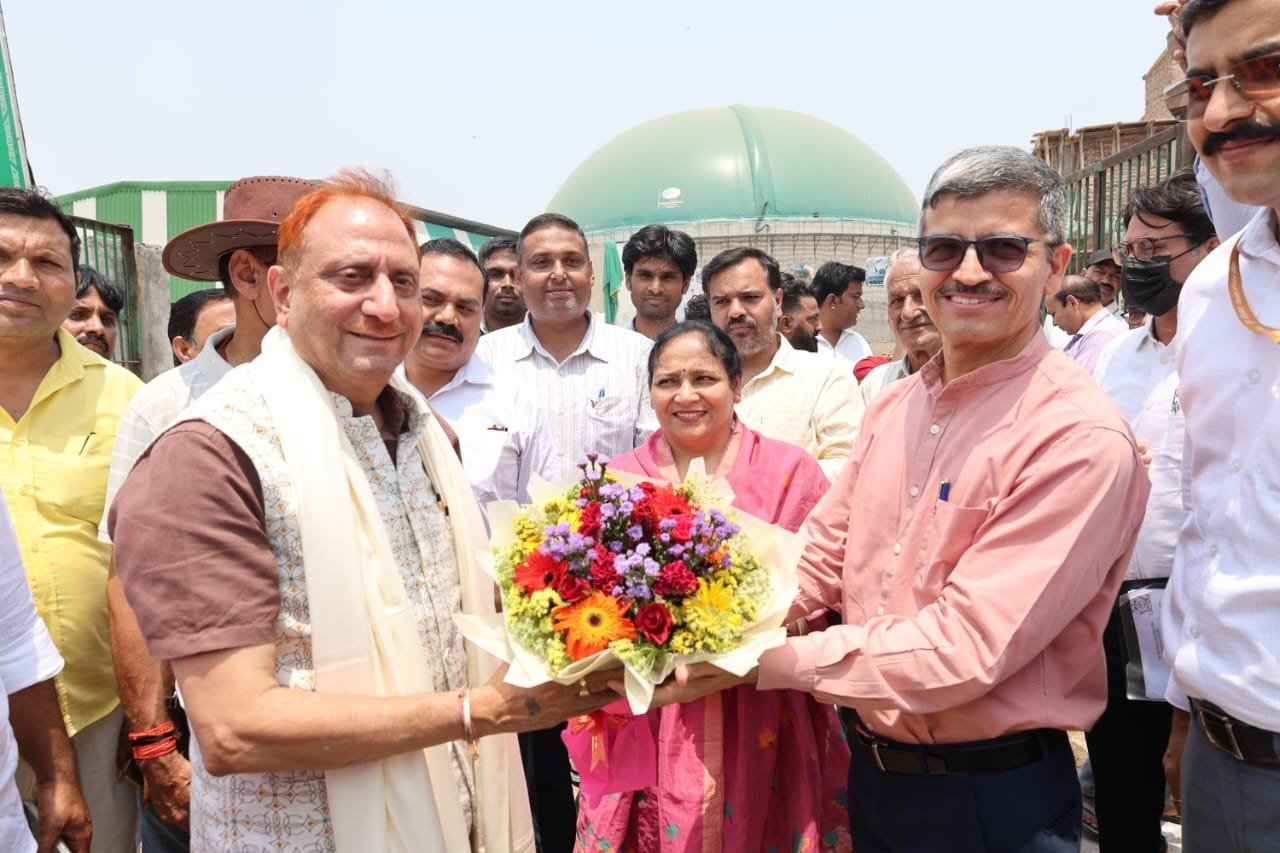
The Biogas plant project in Delhi’s Najafgarh zone has received a fresh push toward timely completion, with Delhi Mayor Pravesh Wahi directing officials to ensure that the facility becomes fully operational without unnecessary delays.
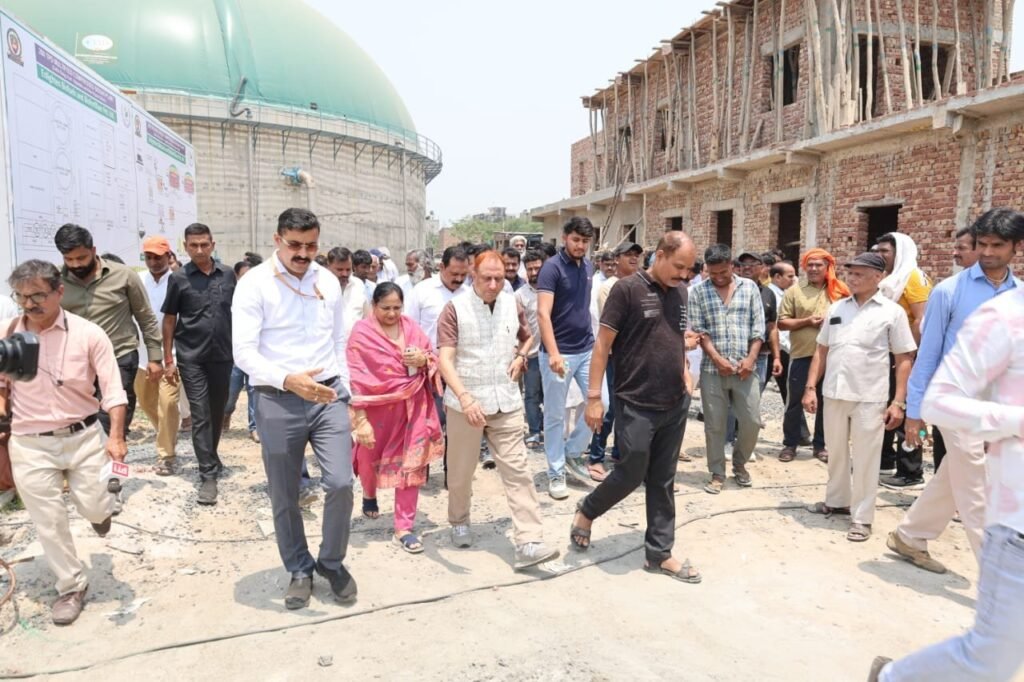
During an inspection visit to the Goyla dairy area, the Mayor reviewed the progress of the proposed biogas plant and stressed the importance of completing pending work on priority. The project is being positioned as an important component of Delhi’s efforts to strengthen scientific waste management, improve sanitation and develop cleaner, greener infrastructure.
The Goyla biogas plant is particularly significant because it is intended to address the large quantities of cow dung generated by dairy clusters in and around Goyla and Nangli. Much of this untreated animal waste has traditionally entered open drainage channels, eventually reaching the Najafgarh drain and contributing to pollution in the Yamuna.
The proposed facility is expected to process nearly 200 metric tonnes of cow dung every day, converting the waste into useful resources including compressed biogas (CBG), organic manure and other reusable byproducts.
Table of Contents
Delhi Mayor Reviews Progress of Goyla Biogas Plant
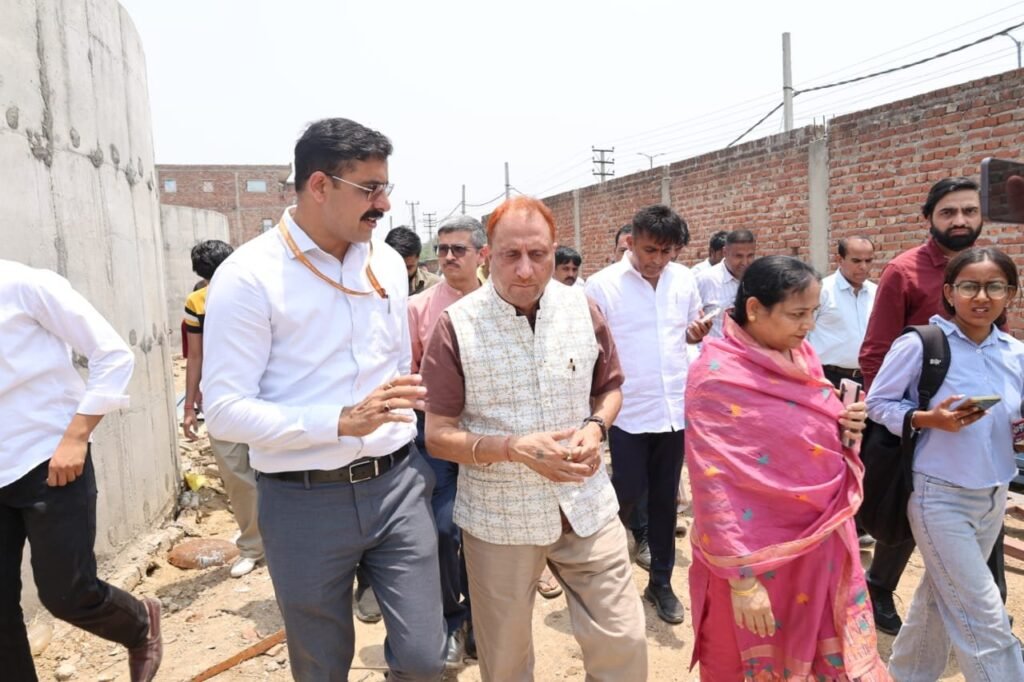
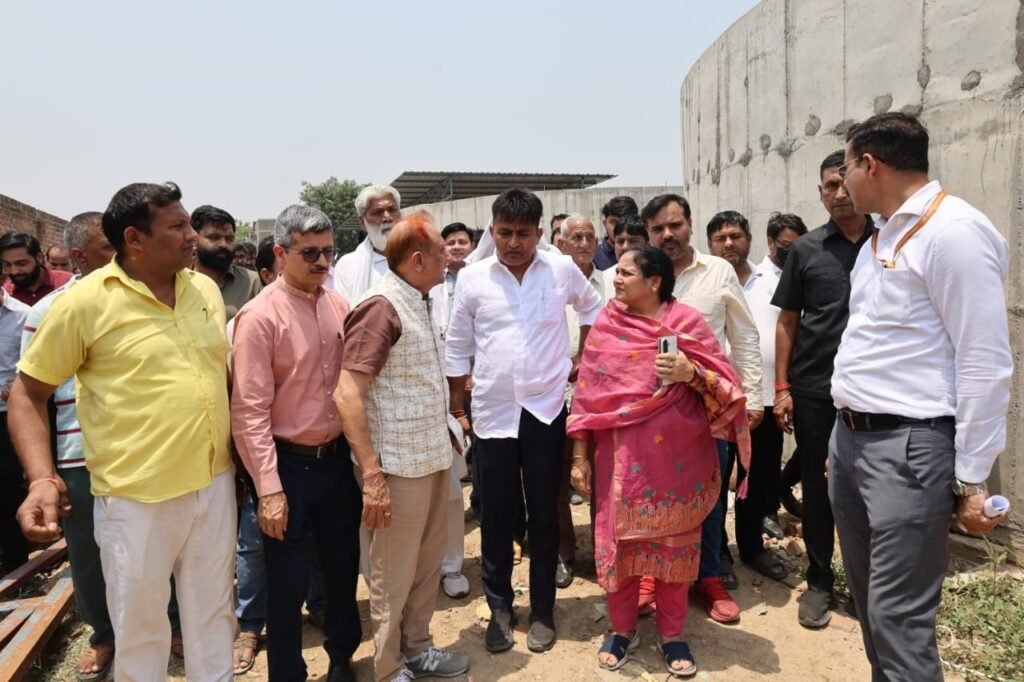
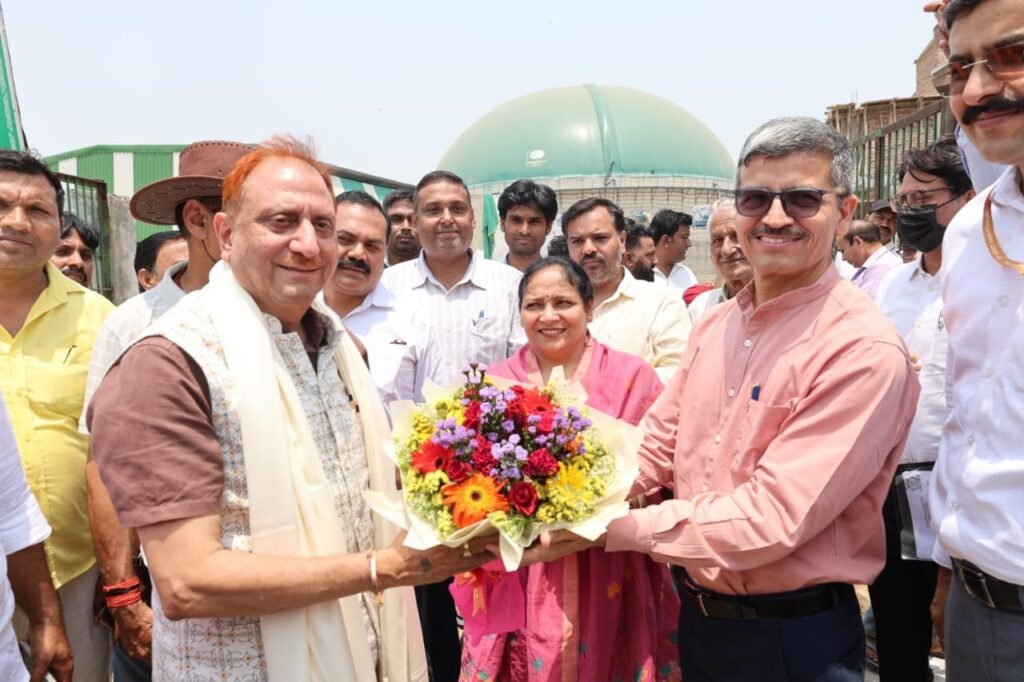
Mayor Pravesh Wahi inspected the project along with senior officials from the Municipal Corporation of Delhi (MCD) and representatives of the agency associated with the plant.
Officials present during the inspection included Najafgarh Zone Chairperson Savita Sharma, MCD Additional Commissioner B. S. Jaglan and Deputy Commissioner of the Najafgarh Zone Sumit Kumar.
During the visit, the Mayor directed the concerned departments and agencies to complete pending construction-related activities and ensure smooth operationalisation of the facility.
The administration has indicated that the project is intended to become operational without unnecessary delays. According to the information provided during the inspection, officials were earlier expected to complete and operationalise the plant before July 2026.
The emphasis on timely completion reflects the administration’s view that environmental infrastructure needs to move from planning and construction to actual operation as quickly as possible.
The Mayor described the project as an important step towards transforming Delhi into a cleaner and greener capital. The inspection also highlighted the need for coordination between different departments and agencies involved in the construction and operational process.
Why the Goyla Biogas Plant Is Important for Delhi
Delhi’s environmental challenges extend beyond conventional municipal solid waste. Untreated animal waste from dairy clusters is another issue that can affect sanitation, drainage systems, air quality and water bodies.
The Goyla and Nangli areas are home to nearly 1,500 dairies, generating substantial quantities of cow dung every day. When this waste is not scientifically processed, it can enter open drains and eventually flow into larger drainage networks.
The source material notes that untreated dairy waste can contribute to foul smells, methane emissions, unhygienic surroundings and water pollution.
The proposed Goyla Biogas plant is designed to tackle the problem at its source.
Rather than allowing cow dung to become a waste-management burden, the facility will process it through scientific methods and convert it into useful resources. This approach forms part of the broader concept of a circular economy, where waste is treated as a potential resource rather than something that simply needs to be discarded.
For a densely populated city such as Delhi, such infrastructure can have multiple benefits. It can help improve local sanitation while simultaneously supporting renewable energy generation and reducing the amount of untreated organic waste entering the drainage system.
How a Biogas Plant Converts Cow Dung Into Energy
A Biogas plant uses a biological process known as anaerobic digestion to break down organic material.
In a typical facility, cow dung and other suitable organic waste are collected and transferred into airtight digestion tanks. In the absence of oxygen, naturally occurring microorganisms break down the organic matter.
One of the primary products of this process is methane-rich biogas.
After appropriate purification and processing, biogas can be used for several purposes, including fuel and energy generation. Depending on the technology and treatment process used, it can also be upgraded to compressed biogas, which has applications as a cleaner fuel.
The remaining material from the digestion process, commonly known as digestate or slurry, can be processed into organic manure.
This means the process can simultaneously address waste disposal, renewable energy generation and agricultural resource recovery.
For the Goyla project, this approach is particularly relevant because the primary feedstock—cow dung—is continuously generated by the surrounding dairy clusters.
200 Metric Tonnes of Cow Dung to Be Processed Daily
The proposed Goyla facility is expected to process approximately 200 metric tonnes of cow dung per day.
This capacity makes the project significant from a waste-management perspective. Instead of allowing large quantities of dairy waste to accumulate or enter drainage systems, the facility will provide a dedicated mechanism for its scientific treatment.
The resulting products are expected to include compressed biogas (CBG), organic manure and other reusable byproducts.
The conversion of waste into energy can also provide an alternative to conventional waste-disposal practices.
The project therefore has the potential to create a connection between sanitation and renewable energy: waste that could otherwise contribute to pollution is instead processed into useful resources.
Potential Impact on Yamuna Pollution
One of the most important environmental objectives associated with the Goyla Biogas plant is reducing the amount of untreated animal waste entering the drainage network connected to the Yamuna.
The Yamuna has faced persistent pollution pressures in Delhi, with sewage, industrial discharge and other pollutants entering the river through various drains.
The Najafgarh drain is an important part of this wider drainage system. Untreated dairy waste entering local drains can add to the organic pollution burden before eventually reaching the river.
By processing cow dung at the source, the Goyla plant aims to prevent a portion of this waste from entering the drainage network in the first place.
This represents a preventive approach to pollution control.
Instead of relying solely on cleaning polluted water after contaminants have entered the river system, source-level waste management attempts to reduce the flow of pollutants before they reach water bodies.
The success of this approach will ultimately depend on the efficient collection of dairy waste, consistent operation of the plant and cooperation from local stakeholders.
Lessons From the Nangli Sakrawati Biogas Plant
Officials also referred to the Nangli Sakrawati biogas plant, which was established with government support and has reportedly demonstrated the potential for scientific processing of dairy waste.
The experience gained from that facility could provide useful operational lessons for the Goyla plant.
According to the source material, MCD-operated biogas facilities together have the capacity to process nearly 200 metric tonnes of cow dung per day.
The development of multiple facilities could eventually provide Delhi with a more structured approach to managing waste generated by dairy clusters.
If the model proves effective, similar projects could potentially be considered in other areas with substantial dairy populations across Delhi-NCR.
Biogas Can Support a Cleaner and More Sustainable Delhi
The importance of Biogas extends beyond waste disposal.
When organic waste is processed through anaerobic digestion, it can generate renewable energy while producing useful organic material. This makes biogas technology relevant to cities looking for ways to address both environmental pollution and resource management.
The Goyla project fits into this broader approach.
Its potential benefits include reducing untreated waste dumping, improving sanitation, limiting organic waste entering water bodies, supporting renewable energy generation and creating useful organic manure.
For Delhi, where land availability and waste-management pressures remain major urban challenges, converting waste into resources can provide an alternative to simply transporting and disposing of waste elsewhere.
However, the long-term environmental benefits will depend on effective operations after the plant becomes functional. Infrastructure alone cannot solve the problem unless waste is regularly collected, properly processed and prevented from being diverted back into drains.
Mayor Stresses Clean and Green Infrastructure
During the inspection, Mayor Pravesh Wahi reiterated the Municipal Corporation of Delhi’s commitment to supporting the vision of Delhi Chief Minister Rekha Gupta to develop a cleaner and greener capital.
The Mayor emphasised that environmental projects such as the Goyla biogas plant should deliver practical benefits for residents rather than remain limited to announcements or construction milestones.
The project is expected to improve sanitation conditions in surrounding rural and semi-urban areas, particularly communities located close to dairy clusters.
Residents in parts of Najafgarh and nearby villages have faced issues associated with untreated dairy waste, including foul odour, poor drainage, mosquito breeding and unhygienic surroundings.
Effective operation of the facility could help address some of these problems by providing a structured mechanism for managing animal waste.
Tree Plantation Drive Adds to Environmental Focus
The inspection also included a tree plantation drive near the project site.
The activity reinforced the broader environmental message associated with the visit, highlighting the need to combine waste management with other ecological measures.
Urban environmental planning increasingly requires multiple interventions rather than a single solution. Waste management, water conservation, green cover and pollution reduction can complement one another when implemented as part of a wider sustainability strategy.
The plantation activity therefore formed part of the administration’s broader emphasis on environmental conservation around the project area.
Administrative Coordination Key to Timely Completion
The Mayor’s instructions also highlighted the importance of coordination between the MCD, technical agencies and other stakeholders.
Large infrastructure projects can face delays because of construction-related issues, administrative approvals, coordination challenges or operational planning.
For an environmental project such as the Goyla Biogas plant, delays can also mean that the intended environmental benefits are postponed.
The Mayor therefore instructed the concerned agencies to coordinate closely and complete the remaining work on priority.
Regular monitoring will be important after construction as well. Once operational, the facility will require a reliable supply of cow dung, appropriate processing systems and efficient management of the resulting biogas and organic byproducts.
A Potential Model for Dairy Waste Management
The Goyla project could eventually become a useful model for managing dairy waste in other parts of Delhi-NCR.
Dairy clusters generate organic waste on a continuous basis, making them well suited to decentralised or strategically located waste-processing facilities.
A successful model could demonstrate how municipalities can combine sanitation objectives with renewable energy generation.
It could also help shift the perception of animal waste from being solely an environmental liability to being a potential source of energy and agricultural resources.
The experience of the Goyla and Nangli Sakrawati facilities may therefore be relevant to future waste-management planning in other dairy-dominated areas.
Challenges That Will Determine the Project’s Success
While the Goyla Biogas plant has significant potential, its eventual impact will depend on how effectively it operates.
The first requirement will be a reliable system for collecting cow dung from the surrounding dairies. Without consistent waste collection, even a high-capacity processing facility cannot operate efficiently.
The second requirement will be sustained technical and administrative oversight. The plant must be properly maintained and operated to ensure that the intended conversion of waste into biogas and organic manure takes place efficiently.
Community participation will also matter. Dairy owners and local stakeholders will need to cooperate with waste collection and disposal arrangements.
Finally, the products generated by the plant must have viable uses and markets. Effective utilisation of CBG and organic manure can strengthen the economic sustainability of the overall system.
Goyla Biogas Plant Marks a Shift Towards Resource Recovery
The inspection of the Goyla Biogas plant comes at a time when Delhi is seeking more sustainable approaches to its environmental challenges.
The project represents a shift away from conventional waste disposal towards resource recovery, where organic waste can be transformed into energy and useful materials.
With a proposed processing capacity of around 200 metric tonnes of cow dung daily, the facility has the potential to make a meaningful contribution to dairy waste management in Najafgarh.
Its impact could extend beyond the plant itself if it helps reduce the amount of untreated animal waste entering drains and ultimately reaching the Yamuna.
For the project to achieve its full potential, however, timely completion must be followed by efficient operations, reliable waste collection and continuous monitoring.
As Delhi continues to face pressure from pollution, waste generation and water contamination, investments in scientific waste-processing infrastructure are likely to become increasingly important.
The Goyla Biogas plant, therefore, is more than an individual infrastructure project. It represents an attempt to connect waste management, renewable energy, sanitation and environmental protection within a single system.
If successfully implemented and operated, the initiative could provide a practical example of how Delhi can turn a persistent waste problem into an opportunity for cleaner energy, improved sanitation and more sustainable urban development.