Menstrual health is an important part of overall health, yet menstrual problems such as painful periods, excessive bleeding, irregular cycles, bloating, fatigue and mood changes are often dismissed as something people simply have to tolerate. While changes in the menstrual cycle can occur for many reasons, diet and everyday lifestyle are increasingly being examined as factors that may influence nutritional status and the severity of some menstrual problems.
Medical experts caution that wrong eating habits alone cannot explain all menstrual difficulties. Menstrual health is influenced by hormonal, metabolic, reproductive, genetic and lifestyle factors. Conditions such as polycystic ovary syndrome (PCOS), endometriosis, fibroids, adenomyosis and bleeding disorders can also contribute to menstrual difficulties. Unpredictable, infrequent, very painful or heavy bleeding may sometimes indicate an underlying medical condition and should be evaluated by a healthcare professional.
At the same time, nutrition matters. A diet dominated by highly processed foods while lacking essential nutrients can make it harder to meet the body’s requirements for iron, calcium, vitamin D, protein and other nutrients. Healthier dietary patterns may be associated with a lower burden of premenstrual symptoms, although more research is needed before specific foods or supplements can be presented as universal treatments for these symptoms.
Why Nutrition Matters During the Menstrual Cycle
The menstrual cycle is regulated by complex hormonal changes. Along with menstrual bleeding, many people experience cramps, bloating, headaches, tiredness and mood changes. For some, these symptoms are manageable, while others experience symptoms severe enough to interfere with school, work, sleep and daily activities.
 Nutrition does not control every aspect of the menstrual cycle, but it provides the building blocks required for normal body functions. Inadequate intake of important nutrients can contribute to deficiencies, particularly in people experiencing menstrual problems linked with heavy bleeding.
Iron deserves special attention. Heavy menstrual bleeding can increase the risk of iron deficiency anaemia, which may lead to tiredness, weakness and reduced energy. This makes adequate iron intake especially important for people dealing with regular blood loss.
Regularly consuming nutrient-rich foods may therefore support overall health and help the body cope better with the nutritional demands associated with menstrual problems.
Ultra-Processed Foods May Add to the Problem
Modern eating habits often include packaged snacks, sugary foods, refined carbohydrates, fast food and other highly processed products. These foods are not automatically harmful when eaten occasionally, but diets that rely heavily on them may provide fewer essential nutrients than a varied diet based on whole or minimally processed foods.
Research examining nutritional factors and premenstrual syndrome has found that diets higher in ultra-processed foods, refined carbohydrates and saturated fats are more frequently associated with greater symptom severity, while healthier dietary patterns may be linked with a lower symptom burden. This does not prove that these foods directly cause menstrual problems, but it highlights the importance of overall diet quality.
A balanced eating pattern may be especially useful for people who frequently experience menstrual problems, because it can help them meet their nutritional requirements throughout the cycle.
The focus should not be on completely eliminating every packaged food. Instead, people should gradually increase nutrient-dense foods and reduce excessive dependence on foods that provide calories without enough essential nutrients.
What Should Be Included in the Diet?
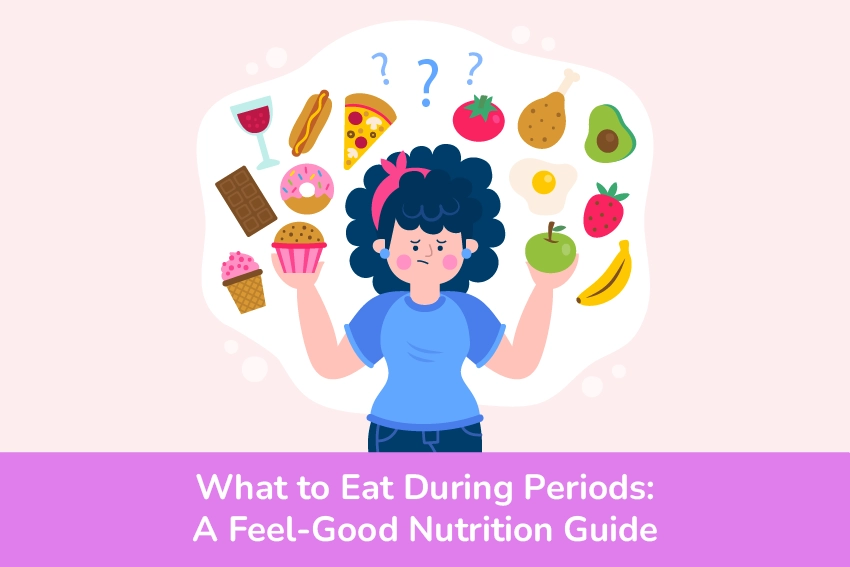
A balanced diet can help ensure that the body receives the nutrients it needs throughout the menstrual cycle. There is no single “magic” food that can prevent all menstrual problems. The most practical approach is to choose a variety of foods consistently.
1. Iron-Rich Foods
Iron is particularly important for people who experience heavy bleeding and related menstrual problems. Iron-rich foods include lentils, beans, chickpeas, leafy green vegetables, fortified cereals, nuts and seeds. Depending on dietary preferences, eggs, fish and meat can also contribute dietary iron.
Pairing plant sources of iron with vitamin C-rich foods such as oranges, guava, tomatoes, capsicum and other fruits and vegetables can help improve absorption of non-heme iron.
However, food alone may not correct significant iron deficiency. Anyone experiencing persistent fatigue, weakness or unusually heavy bleeding alongside menstrual problems should discuss testing and treatment with a healthcare professional rather than starting supplements independently.
2. Calcium-Rich Foods
Calcium has also received attention in research on menstrual and premenstrual symptoms. Dairy products such as milk, curd and paneer provide calcium, while suitable non-dairy options can include calcium-fortified foods, tofu and some leafy greens.
Adequate calcium intake may be useful for people who regularly report menstrual problems, although evidence varies between studies and calcium should not be presented as a guaranteed solution.
3. Foods Providing Vitamin D
Vitamin D helps the body absorb calcium and plays several important roles in health. Dietary sources can include fortified foods, eggs and oily fish, while sunlight contributes to vitamin D production.
Low vitamin D status has been investigated in relation to menstrual pain and premenstrual symptoms. Some studies suggest supplementation may help certain people, but supplementation should be based on individual needs and professional advice rather than taken routinely without assessment, especially when menstrual problems persist.
4. Omega-3 Sources
Omega-3 fatty acids are found in foods such as fatty fish, walnuts, chia seeds and flaxseeds. Research has explored their potential role in menstrual pain and inflammation-related symptoms.
Evidence remains mixed, but omega-3-rich foods are part of a generally healthy dietary pattern. Including them can be a useful nutritional strategy for people looking to improve their overall diet while managing recurring menstrual problems.
5. Fruits and Vegetables
Fruits and vegetables provide fibre, vitamins, minerals and a range of protective plant compounds. They are also an important way to improve overall diet quality.
A practical meal pattern could include vegetables at lunch and dinner, one or more servings of fruit during the day, and pulses or whole grains as regular carbohydrate sources. Such meals may help people maintain nutritional balance when menstrual problems are accompanied by tiredness, bloating or changes in appetite.
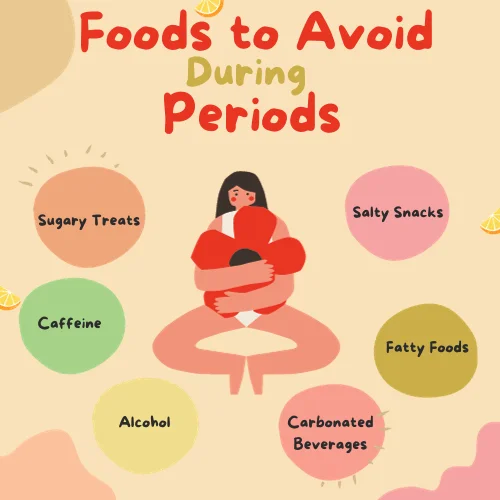
Do Caffeine, Sugar and Salty Foods Need to Be Completely Avoided?
There is a common tendency to create strict lists of foods that people should never eat during their periods. Such advice can be unnecessarily restrictive and may make it harder to maintain a balanced relationship with food.
Instead, attention should be paid to overall dietary patterns. Highly sugary, salty and heavily processed foods may contribute to an unbalanced diet when they replace nutrient-rich meals. Some people may also notice that certain foods worsen bloating or other symptoms associated with menstrual problems.
The focus should therefore be moderation rather than extreme elimination. A varied diet that includes sufficient protein, fibre, vitamins and minerals is more sustainable than a highly restrictive plan designed to manage menstrual problems.
Adequate fluid intake is also important for general health. Water should remain a major source of hydration, while balanced meals should provide adequate protein, carbohydrates and healthy fats.
 Skipping Meals Can Also Affect Overall Well-Being
Irregular eating patterns can make it more difficult to meet nutritional needs. Skipping meals and relying on snacks instead of balanced meals may reduce intake of iron, protein, calcium, fibre and other essential nutrients.
A regular eating pattern can make it easier to build meals containing multiple food groups. For example, a meal combining whole grains or another carbohydrate source with pulses or another protein source, vegetables and a calcium-rich food can be more nutritionally complete than a meal based mostly on packaged snacks.
For adolescents in particular, adequate nutrition is important because the body is still developing. Period-related symptoms, including menstrual problems, should not be managed through extreme dieting or unnecessary food restriction.
Can Changing the Diet Fix Irregular Periods?
Not necessarily. Diet can support health, but it should not be presented as a substitute for medical evaluation of menstrual problems.
Irregular menstruation can have many causes. PCOS, for example, is a common hormonal disorder associated with irregular or infrequent periods and abnormal ovulation. Other conditions can also cause heavy or painful periods, including endometriosis, adenomyosis, fibroids and bleeding disorders.
This distinction is important because someone with persistent menstrual problems may need medical treatment in addition to dietary and lifestyle changes. A healthier diet may be one part of a broader plan rather than a standalone treatment.
When Menstrual Problems Should Not Be Ignored
Some menstrual problems deserve professional attention rather than home dietary management.
Very heavy bleeding, periods that are highly unpredictable, persistent or severe pain, periods that suddenly become much different from a person’s normal pattern, or symptoms that interfere significantly with school, work, sleep or everyday activities should be discussed with a healthcare professional.
People should also seek medical advice when menstrual problems are new, worsening or accompanied by significant weakness or other concerning changes. Keeping a simple record of cycle dates, bleeding patterns and symptoms can help a clinician understand what has changed.
 A Sustainable Approach to Better Period Health
Improving menstrual health does not require an expensive “period diet” or a long list of supplements. A practical approach is to build everyday meals around minimally processed and nutrient-rich foods.
A balanced routine can include vegetables and fruits, whole grains, pulses, nuts and seeds, adequate protein and calcium-rich foods, while highly processed foods, excess added sugar, salt and unhealthy fats are kept in moderation.
For people experiencing recurring menstrual problems, consistency is more useful than short-term dietary changes. Eating balanced meals regularly, staying hydrated, maintaining adequate sleep and remaining physically active within comfortable limits can all contribute to overall well-being.
Evidence on specific nutritional interventions for menstrual symptoms is still developing. Some research has found potential benefits from nutrients such as vitamin D and calcium for certain symptoms, but differences between studies make it difficult to establish universal recommendations. People with significant menstrual problems should therefore avoid treating supplements as a replacement for professional care.
Menstrual problems should not automatically be blamed on food. The menstrual cycle is influenced by numerous biological and medical factors, and persistent abnormalities can sometimes signal conditions requiring diagnosis and treatment.
However, nutrition remains an important part of menstrual health. Diets rich in iron, calcium, vitamin D sources, omega-3-rich foods, fruits, vegetables, whole grains and pulses can help the body meet its nutritional needs. At the same time, excessive reliance on ultra-processed foods, refined carbohydrates and foods high in unhealthy fats may be associated with greater premenstrual symptom severity, although stronger evidence is still needed.
The healthiest approach is simple: eat a varied and balanced diet, avoid extreme restrictions, stay attentive to changes in the menstrual cycle and do not dismiss severe or persistent symptoms as “normal.” Good nutrition can support menstrual well-being, but when symptoms become unusually painful, heavy or irregular, professional medical advice remains essential.