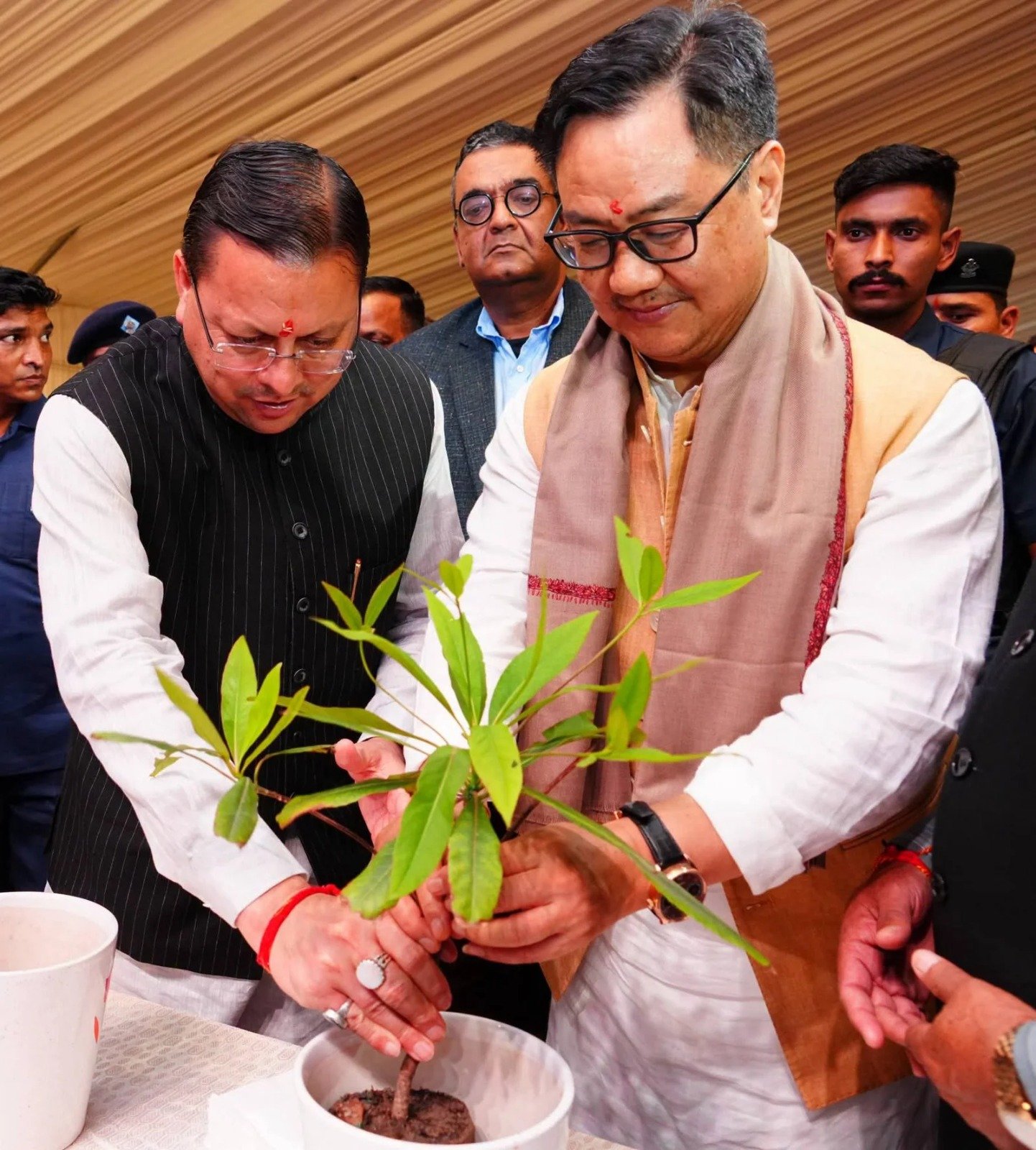
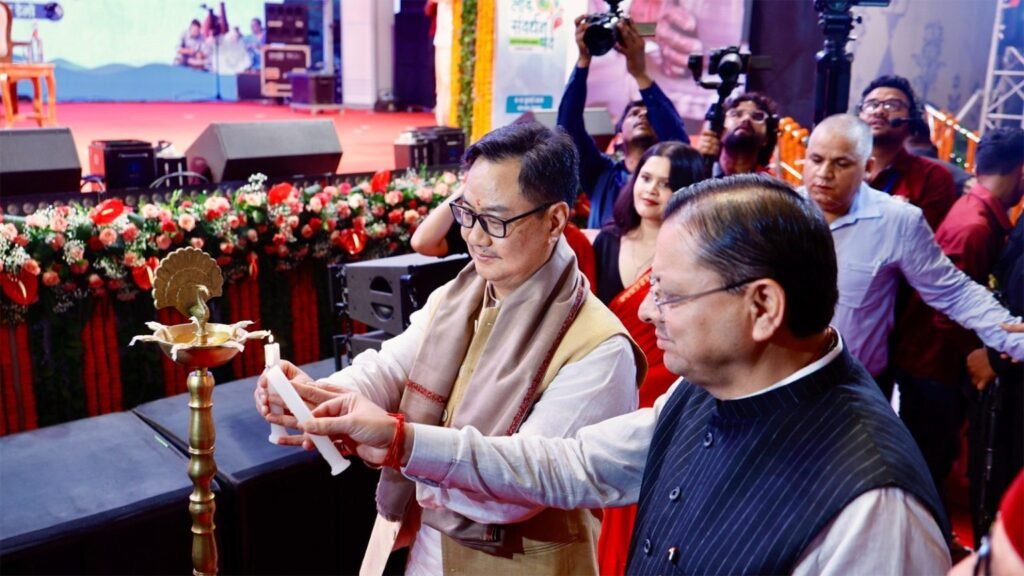
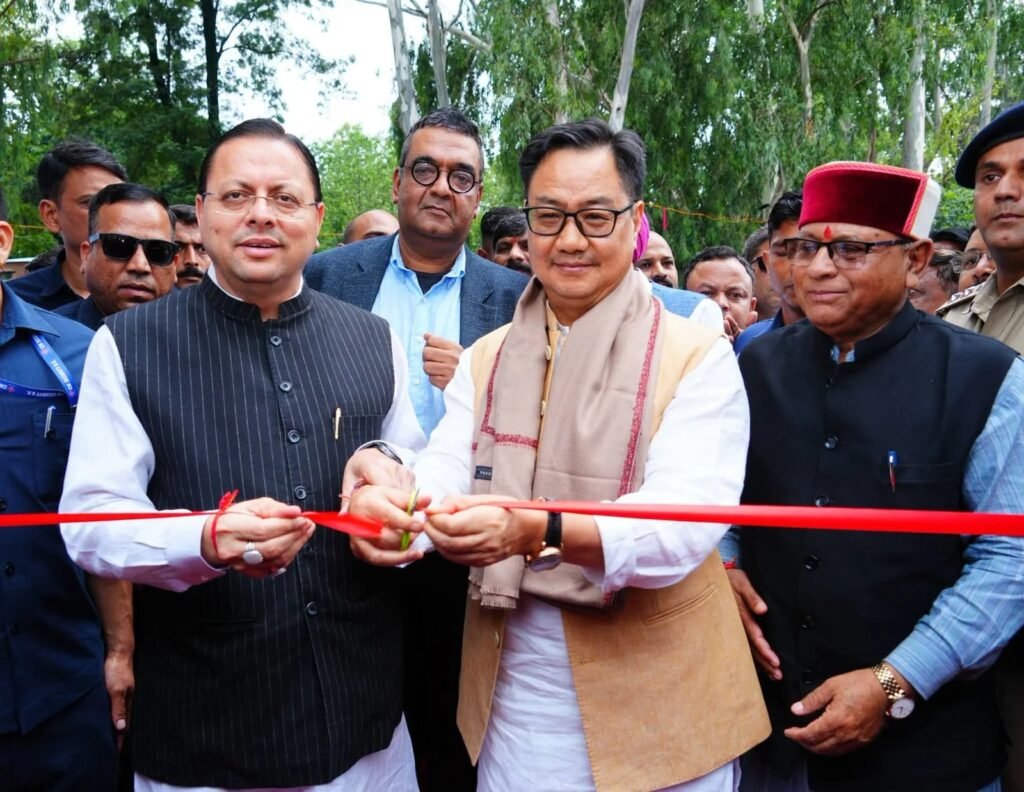
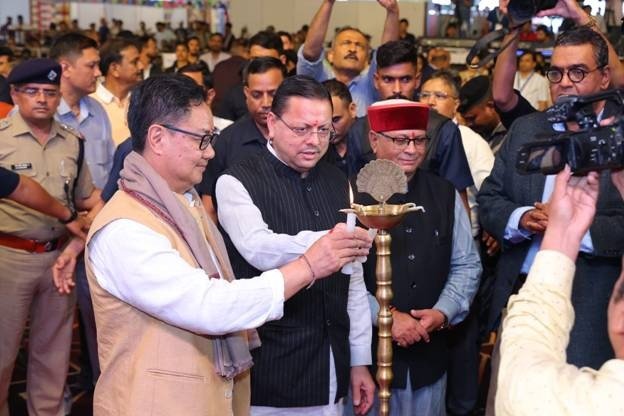
Lok Samvardhan Parv has returned with a stronger national vision as Union Minister for Minority Affairs Kiren Rijiju and Uttarakhand Chief Minister Pushkar Singh Dhami jointly inaugurated the sixth edition of the flagship cultural and entrepreneurship festival in Dehradun.
Organized for the first time in partnership with a state government under the PM VIKAS Scheme, the five-day event aims to celebrate India’s rich traditional arts, crafts, handloom, food culture, and entrepreneurship while creating new economic opportunities for artisans, weavers and small business owners.
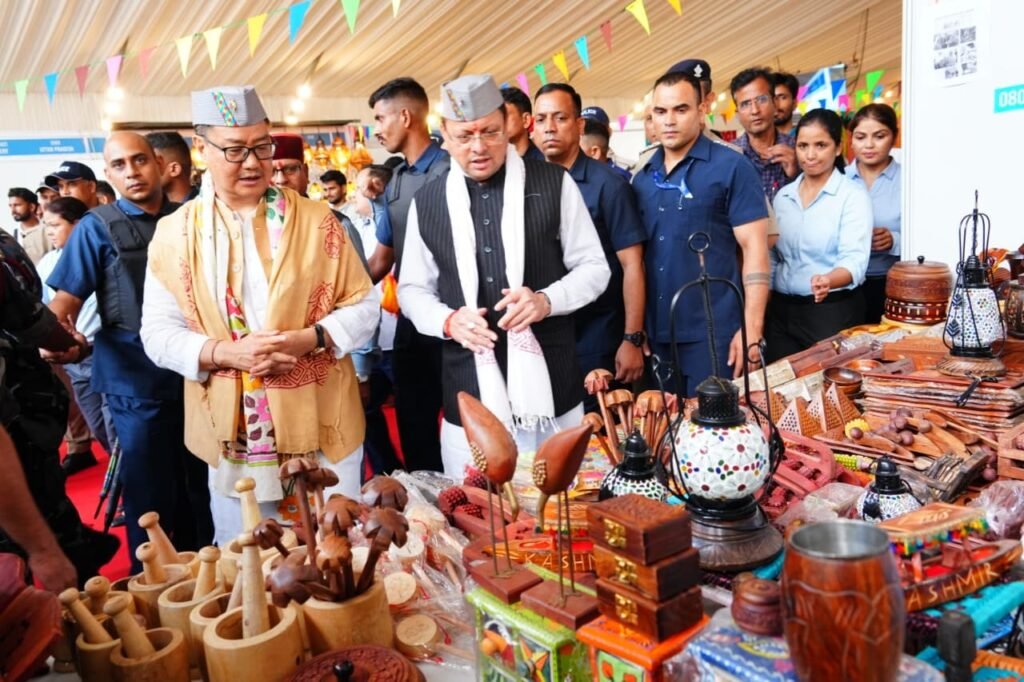
With nearly 150 exhibition and food stalls, live demonstrations, cultural performances and business networking sessions, the festival reflects the government’s growing emphasis on preserving heritage alongside promoting sustainable livelihoods.
Table of Contents
A Landmark Edition Held in Uttarakhand
This year’s Lok Samvardhan Parv is significant for several reasons. While previous editions were organised directly by the Ministry of Minority Affairs, the Dehradun event marks the first collaboration with a state government. The festival is jointly organised by the Ministry of Minority Affairs and the Uttarakhand Minorities Welfare and Waqf Development Corporation, highlighting a new model of Centre-State cooperation.
Hosted at Parade Ground in Dehradun from July 11 to July 15, the event is open to visitors daily between 11:30 a.m. and 9 p.m. It brings together artisans, craftsmen, culinary experts, entrepreneurs, buyers, designers and visitors from different parts of India under one platform.
Officials believe this collaborative approach can help expand the reach of Lok Samvardhan Parv while enabling individual states to showcase their own cultural identity alongside national diversity.
Promoting India’s Living Cultural Heritage
India possesses one of the richest traditions of handicrafts and handloom production in the world. From Kashmiri embroidery and Banarasi silk to Kutch embroidery, Madhubani paintings, Channapatna toys and bamboo crafts from the Northeast, every region has developed unique artistic traditions over centuries.
However, many traditional artisans continue to face challenges including limited market access, competition from machine-made products, changing consumer preferences and lack of digital exposure.
Lok Samvardhan Parv seeks to bridge this gap by connecting artisans directly with customers while giving them opportunities to interact with wholesalers, exporters, designers and business experts.
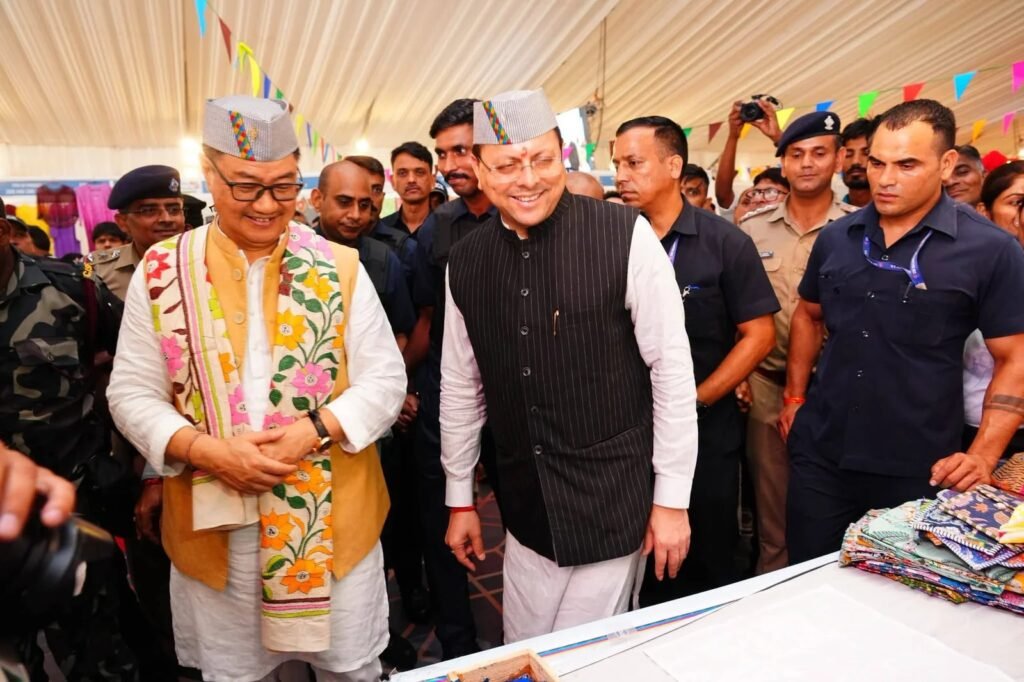
The exhibition displays handcrafted products representing different regions of India, allowing visitors to experience the country’s cultural diversity in one venue. Products on display include Ajrakh block prints, brassware, woodcraft, cane and bamboo products, lac bangles, terracotta creations, traditional textiles, handmade decorative items and regional handicrafts.
Nearly 40 percent of all exhibition stalls have been allocated to artisans from Uttarakhand, enabling local craftsmen to showcase their work before a national audience.
A Platform Beyond Exhibition
Unlike conventional trade fairs, Lok Samvardhan Parv combines commerce with education, culture and entrepreneurship.
Visitors not only purchase handmade products but also observe live demonstrations where artisans explain centuries-old crafting techniques passed down through generations. These demonstrations help people understand the time, effort and skills involved in producing handmade goods.
The festival also includes buyer-seller meetings that connect artisans with retailers and commercial buyers who may place bulk orders. Such interactions often help small producers expand beyond local markets.
Entrepreneurship workshops and digital marketing sessions form another important component of the event. Many traditional artisans possess exceptional craftsmanship but limited knowledge of branding, online sales, packaging or digital payments. These sessions aim to equip them with practical business skills required in today’s competitive economy.
Officials believe combining cultural promotion with entrepreneurship training creates long-term economic benefits rather than temporary sales opportunities.
Kiren Rijiju Highlights Inclusive Development
During the inauguration, Union Minister Kiren Rijiju described Lok Samvardhan Parv as a national celebration rather than an event limited to any particular community.
He reiterated that the government remains committed to the principle of “Sabka Saath, Sabka Vikas,” ensuring that development programmes benefit every section of society without discrimination.
According to Rijiju, the festival has evolved into an important national platform where artisans, weavers, entrepreneurs and craftsmen receive recognition for preserving India’s traditional knowledge systems.
He encouraged visitors to support indigenous industries by purchasing locally manufactured products, linking the festival with the Prime Minister’s “Vocal for Local” campaign.
The minister noted that strengthening domestic demand for handcrafted goods not only preserves cultural traditions but also creates employment opportunities across rural India.
He also reaffirmed that the Ministry of Minority Affairs continues to focus on improving education, skill development, entrepreneurship and market access for minority communities through various government schemes.
Supporting Traditional Livelihoods
India’s handicraft sector provides employment to millions of artisans, many of whom belong to rural households where craft production serves as an important source of income.
Government estimates have consistently highlighted the importance of handicrafts and handloom industries in supporting women artisans, family-based enterprises and small-scale rural producers.
Events such as Lok Samvardhan Parv provide direct market exposure that many artisans cannot easily access independently.
Instead of depending entirely on middlemen, participants have opportunities to interact directly with customers, receive immediate feedback and understand changing market preferences.
This direct engagement often results in better pricing for producers while increasing awareness about authentic handmade products among consumers.
Uttarakhand’s Growing Role
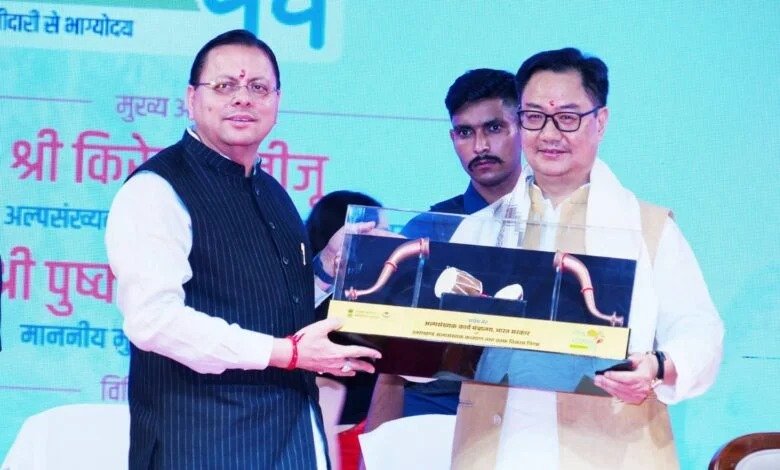
Chief Minister Pushkar Singh Dhami described it as a proud moment for Uttarakhand to become the first state to partner with the Ministry of Minority Affairs in organising Lok Samvardhan Parv.
He said hosting the event provides local artisans with national visibility while introducing younger generations to India’s diverse artistic traditions.
The Chief Minister highlighted several initiatives already being implemented by the state government to promote entrepreneurship and minority welfare.
Among them is the Mukhyamantri Hunar Yojana, under which eligible beneficiaries can receive term loans of up to ₹20 lakh for establishing businesses and expanding entrepreneurial ventures.
He also referred to initiatives like House of Himalayas and the One District Two Products Scheme, both designed to promote Uttarakhand’s traditional products in domestic and national markets.
These programmes aim to improve branding, packaging, marketing and commercial visibility for locally produced goods.
Focus on Women Entrepreneurs
An important feature of this year’s Lok Samvardhan Parv is the significant participation of women artisans.
According to the Ministry of Minority Affairs, nearly 90 of the approximately 150 participating artisans are women.
Their participation reflects increasing efforts to strengthen women’s economic empowerment through skill development and entrepreneurship support.
Across India, women play a major role in textile weaving, embroidery, pottery, food processing, bamboo craft, natural fibre production and traditional handicrafts.
Providing women artisans with access to exhibitions, business networks and direct customers contributes not only to household income but also to financial independence and community development.
Technology Meets Tradition
Although the festival celebrates traditional craftsmanship, it equally acknowledges the importance of modern business practices.
Digital marketing workshops, online selling strategies and entrepreneurship sessions are helping artisans understand how technology can expand their customer base.
Many consumers today purchase handmade products through e-commerce platforms and social media marketplaces.
Training artisans to photograph products professionally, create digital catalogues, use online payment systems and market through digital platforms enables them to compete more effectively beyond physical exhibitions.
Experts believe combining traditional craftsmanship with digital commerce can significantly increase income opportunities for small producers.
Cultural Performances Add Wider Appeal
Lok Samvardhan Parv is not limited to exhibitions and business activities.
The event also features performances by well-known artists including Jyoti Nooran, Parmish Verma, Kishan Mahipal, Maya Upadhyay, Vivek Nautiyal and Pandavaas.
These performances celebrate India’s musical diversity while attracting larger public participation.
The food section offers visitors an opportunity to explore authentic regional cuisine, including traditional Pahadi and Kumaoni dishes alongside popular foods from different states.
This combination of arts, music and cuisine transforms the festival into a broader cultural experience rather than simply a commercial exhibition.
PM VIKAS Scheme and Long-Term Vision
The sixth edition of Lok Samvardhan Parv is organised under the PM VIKAS Scheme, which focuses on improving education, skill development, entrepreneurship and livelihood opportunities, particularly for minority communities.
Rather than providing only financial assistance, the scheme seeks to build sustainable economic ecosystems where beneficiaries gain market access, professional training and long-term business opportunities.
Events such as Lok Samvardhan Parv complement these objectives by creating direct connections between artisans, consumers, institutional buyers and government support systems.
Officials believe such integrated approaches help preserve India’s traditional knowledge while generating employment and encouraging self-reliance.
Growing National Impact
Since its launch, Lok Samvardhan Parv has steadily expanded its reach.
According to the Ministry of Minority Affairs, the previous Lok Samvardhan Parv five editions have collectively benefited more than 550 artisans, weavers, craftsmen and culinary experts by providing opportunities for business development, product promotion and wider market access.
Each edition has introduced new participants from different states, allowing regional crafts to reach audiences beyond their traditional markets.
The Dehradun edition represents another important milestone by strengthening Centre-State collaboration and demonstrating how governments can jointly promote India’s cultural economy.
Lok Samvardhan Parv as India’s creative industries continue to gain global recognition, platforms like Lok Samvardhan Parv are increasingly becoming valuable tools for preserving traditional craftsmanship while helping artisans adapt to changing economic realities. By combining heritage conservation, entrepreneurship, women-led participation, digital empowerment and cultural promotion, the festival reflects a broader effort to ensure that India’s centuries-old artistic traditions continue to thrive in the modern marketplace.