JPSC-JSSC Row: The Jharkhand High Court’s recent intervention in the dispute over the cancellation of 22 recruitment examinations has brought temporary relief to nearly 3,000 selected candidates whose appointments were under threat following allegations of paper leaks and irregularities. The order has put a pause on the state government’s decision to cancel the examinations, creating a fresh legal and administrative pathway for candidates who had already secured government jobs.
The dispute affects recruitment examinations conducted through TSR Data Processing Pvt Ltd (TDPL), a private examination agency that was engaged to conduct several recruitment tests in Jharkhand. Following allegations of paper leaks and other irregularities, the state government decided to scrap the examinations and consequently put the appointments made through them under question.
The affected recruitment processes include posts such as assistant professors, civil judges, food safety officers, deputy collectors, as well as appointments made through the Jharkhand Staff Selection Commission (JSSC) Combined Graduate Level (CGL) examination.
The High Court’s intervention has now shifted the immediate focus from termination to judicial scrutiny. The court has allowed appointed candidates and successful recruits to resume their duties until the next hearing, giving them temporary protection while the legality of the government’s cancellation decision is examined.
The case could have consequences extending beyond the nearly 3,000 candidates directly affected. It raises broader questions about recruitment transparency, the accountability of private examination agencies, the rights of successful candidates and the manner in which governments should respond when an examination is suspected of being compromised.
Table of Contents
What Is the JPSC-JSSC Recruitment Dispute?
The controversy centres on allegations of malpractice in recruitment examinations conducted through an external agency, TDPL. The state government subsequently took the decision to cancel 22 examinations after concerns were raised over alleged paper leaks and irregularities.
For candidates who had successfully cleared these examinations and received appointments, the government’s decision created significant uncertainty. Many had already joined government departments and begun working in their allotted positions.
The dispute became particularly complicated because a blanket cancellation potentially affected candidates who may have had no involvement in any alleged wrongdoing.
This distinction is now central to the legal proceedings.
The High Court has reportedly accepted arguments that cancelling an entire examination without providing individual candidates an opportunity to respond could raise concerns relating to natural justice and constitutional protections under Articles 14 and 21.
The principle of natural justice broadly requires that individuals affected by an adverse administrative decision should receive a fair opportunity to present their case, particularly when the decision has serious consequences for their employment or rights.

Why the High Court Stay Matters for Nearly 3,000 Candidates
The immediate significance of the High Court order is that appointed candidates have received temporary relief.
Instead of facing immediate termination or removal from service, candidates covered by the order can resume their duties while the court considers the larger dispute.
However, the stay should not be interpreted as a final judicial declaration that all appointments are permanently secure.
The court is still examining the circumstances surrounding the examinations, the government’s cancellation decision and the allegations of malpractice. The final outcome could depend on evidence produced during the proceedings, investigation findings and the legal justification offered by the state.
For candidates, therefore, the current situation represents temporary protection rather than a conclusive victory.
Their long-term employment status will depend on subsequent court orders and the eventual resolution of the dispute.
Four Possible Outcomes of the Jharkhand Recruitment Exam Row
The High Court’s intervention has opened several possible paths. While the final decision will rest with the judiciary and relevant authorities, four broad outcomes could emerge from the ongoing proceedings.
1. Selected Candidates Could Continue in Their Jobs
The most immediate possibility is that the appointed candidates continue working while the legal proceedings remain pending.
The High Court’s order already provides temporary relief to candidates who had been appointed, allowing them to return to their respective departments.
If the court ultimately finds that the government’s blanket cancellation was legally unsustainable, candidates who were selected fairly could potentially retain their appointments.
Such an outcome would provide considerable relief to employees who have already begun their careers in government service.
It would also establish an important principle for future recruitment disputes: allegations of irregularities in an examination may not automatically justify cancelling every candidate’s result if individual wrongdoing cannot be established.
However, the final decision could depend heavily on the findings of the ongoing investigations and the evidence placed before the court.
2. Candidates Allegedly Involved in Malpractice Could Be Separated
A second possibility is an individualised approach.
Instead of cancelling all 22 examinations, authorities could attempt to identify candidates who allegedly benefited from paper leaks, manipulation or other forms of malpractice.
The Crime Investigation Department (CID) and Special Investigation Team (SIT) could play an important role in establishing whether specific candidates were involved in irregularities.
If investigators are able to produce evidence connecting particular candidates to malpractice, their selections or appointments could face action.
At the same time, candidates who are found to have obtained their positions through legitimate means could potentially be allowed to continue.
Such an approach would attempt to balance two competing objectives: protecting the integrity of the recruitment system while avoiding collective punishment of candidates who were not responsible for the alleged misconduct.
For the candidates, this could be one of the most consequential aspects of the case because it shifts the focus from the integrity of the examination as a whole to the conduct of individual participants.
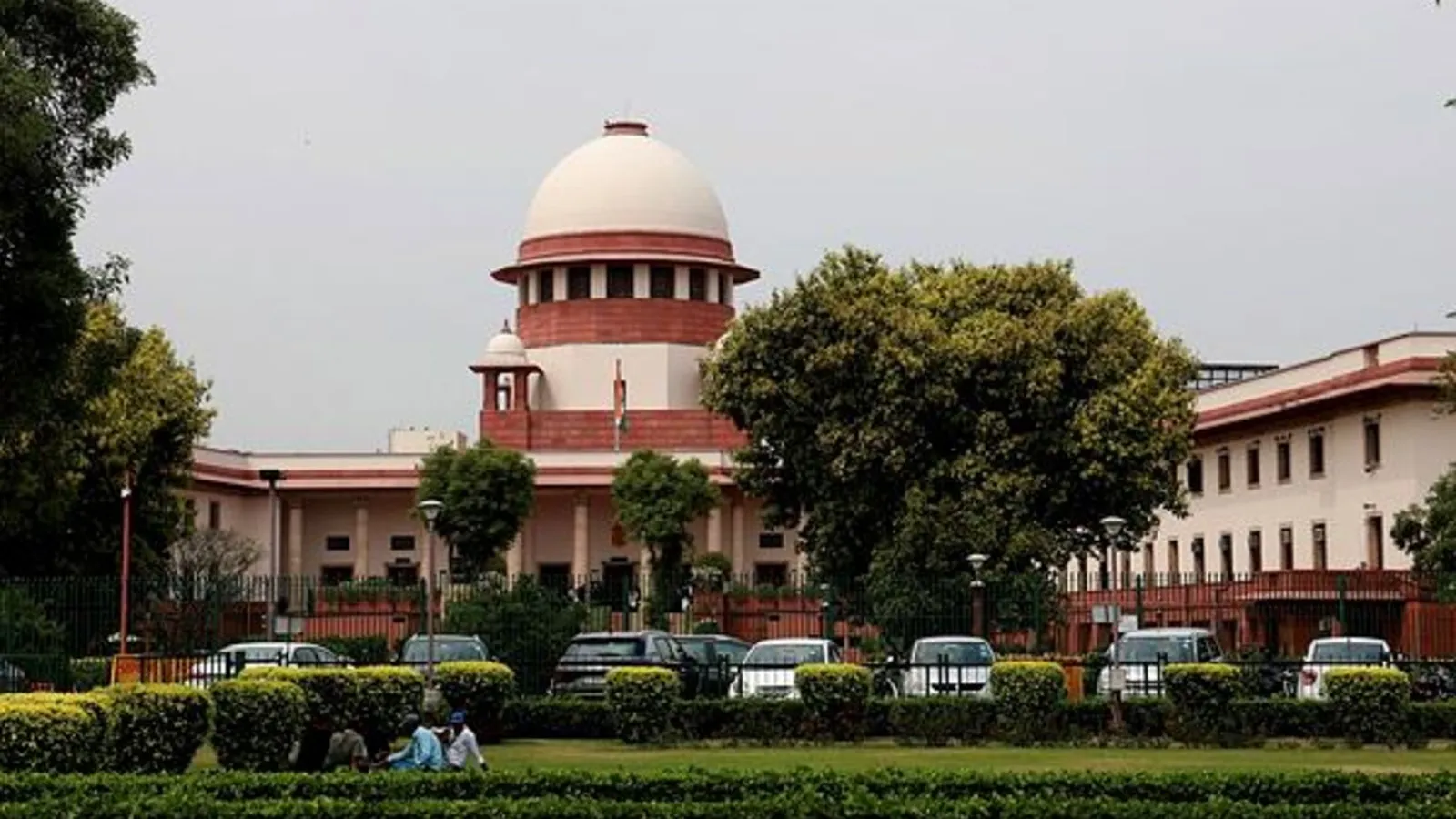
3. Jharkhand Government Could Move the Supreme Court
Another possible development is an appeal by the Jharkhand government against the High Court’s interim order.
If the state believes that the alleged irregularities were sufficiently widespread to compromise the integrity of the entire recruitment process, it could challenge the High Court’s intervention before the Supreme Court of India.
The government’s potential argument would be that allowing appointments based on examinations allegedly affected by paper leaks or other serious irregularities could undermine the credibility of the recruitment process.
From JPSC the government’s perspective, maintaining public confidence in competitive examinations is critical. If a recruitment test has been substantially compromised, authorities may argue that a fresh examination is necessary to ensure a level playing field.
For candidates, however, a move to the Supreme Court could extend the uncertainty.
Legal proceedings involving multiple examinations and thousands of appointments could take considerable time. Candidates who are already working would face uncertainty about the long-term status of their jobs, while aspirants who were excluded from the disputed JPSC recruitment processes could remain uncertain about whether fresh examinations will eventually be conducted.
4. Fresh Examinations and Recruitment Reforms Could Follow
The fourth possible outcome involves both a fresh examination process and broader reforms to Jharkhand’s recruitment system.
The state government has already constituted a high-level committee headed by senior IAS officer Amitabh Kaushal to examine the state’s recruitment examination framework.
The committee is expected to examine the processes through which recruitment examinations are conducted and recommend measures aimed at improving transparency, security and accountability.
One of the major questions likely to receive attention is the use of private examination agencies.
The allegations involving TDPL have highlighted the risks associated with outsourcing critical recruitment processes. While private agencies can provide technological infrastructure, examination centres and logistical support, the government ultimately remains responsible for ensuring that competitive examinations are conducted fairly.
Future reforms could therefore focus on stronger monitoring mechanisms, secure question-paper handling, digital safeguards, tighter vendor scrutiny and clearer accountability mechanisms.
Age Relaxation Could Become Important for Candidates
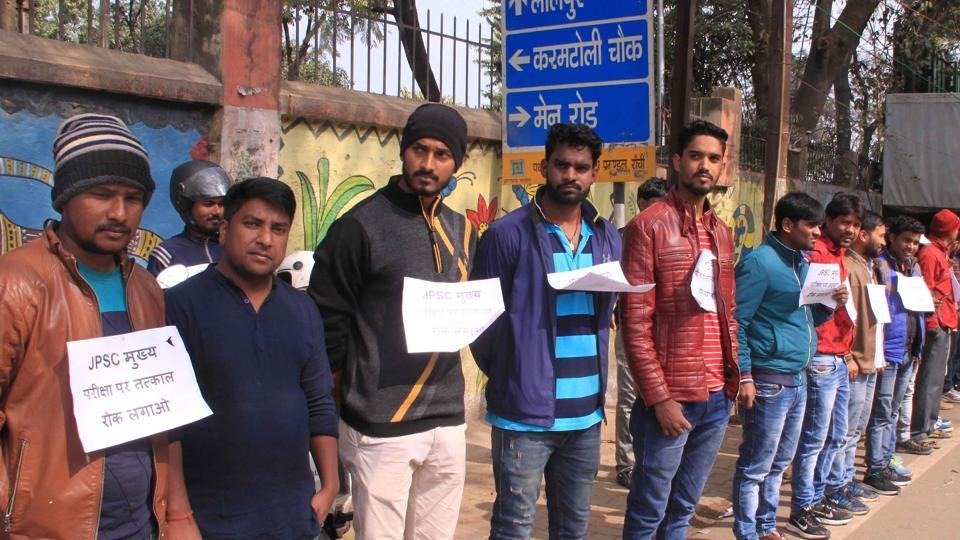
If any of the disputed examinations are eventually cancelled and fresh examinations are conducted, another issue will be the age of candidates who have already spent years preparing for or participating in the recruitment process.
The government could consider age relaxation for candidates affected by delays arising from the controversy.
Such a measure would be significant because candidates should not necessarily lose eligibility simply because an examination was delayed, cancelled or subjected to a fresh recruitment process due to administrative or procedural problems beyond their control.
Age relaxation could therefore become an important component of any future re-examination framework.
The exact eligibility conditions, however, would have to be determined through official government notifications and applicable recruitment rules.
JPSC and JSSC: Why the Dispute Has Wider Significance
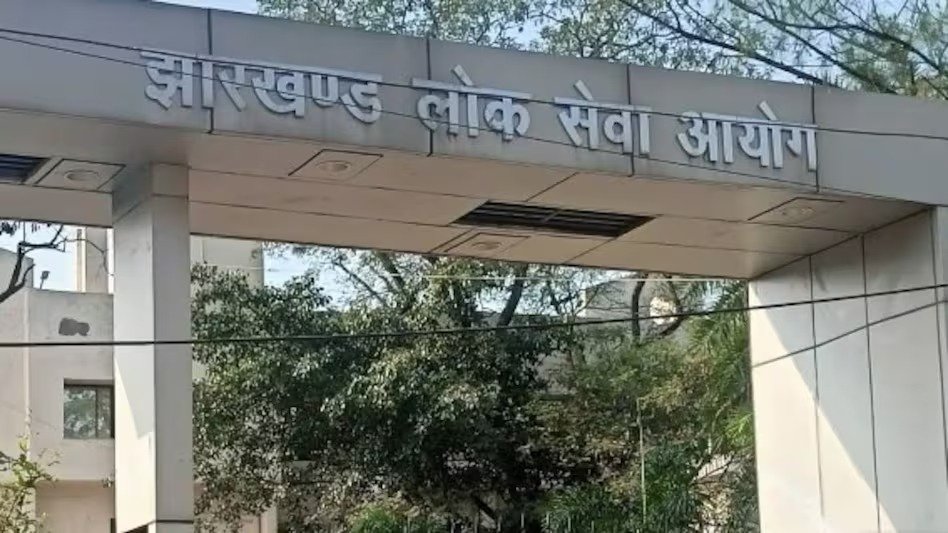
The controversy is particularly significant because Jharkhand’s recruitment ecosystem includes major institutions such as the Jharkhand Public Service Commission (JPSC) and Jharkhand Staff Selection Commission (JSSC).
These bodies play an important role in recruiting candidates for government positions across the state.
Recruitment examinations conducted for government jobs are closely watched by thousands of young aspirants. Any allegation of a paper leak or manipulation can therefore have consequences far beyond the candidates who appeared for a particular test.
For aspirants, the credibility of the examination system is fundamental. They invest years in preparation, often competing for a limited number of vacancies.
If an examination is compromised, honest candidates can feel that their efforts have been undermined. At the same time, blanket cancellation can also create problems for candidates who successfully cleared an examination without participating in any wrongdoing.
The JPSC current court proceedings highlight this difficult balance.
Natural Justice at the Centre of the Legal Debate
One of the most important legal questions arising from the dispute concerns natural justice.
The principle generally requires authorities to provide affected individuals with a meaningful opportunity to be heard before taking decisions that adversely affect their rights or interests.
In recruitment disputes, this principle becomes particularly significant when candidates have already been selected and appointed.
The question is whether an entire examination can be cancelled solely on the basis of alleged irregularities when there may be differences between candidates who were allegedly involved in malpractice and those who were not.
The High Court’s consideration of Articles 14 and 21 adds another constitutional dimension to the dispute.
Article 14 guarantees equality before the law and equal protection of laws, while Article 21 protects life and personal liberty. Courts have interpreted these provisions in ways that encompass principles of fairness and procedural safeguards in appropriate circumstances.
The eventual judicial interpretation of these principles could influence how governments handle similar recruitment controversies in the future.
What Happens to Candidates Waiting for Fresh Recruitment?
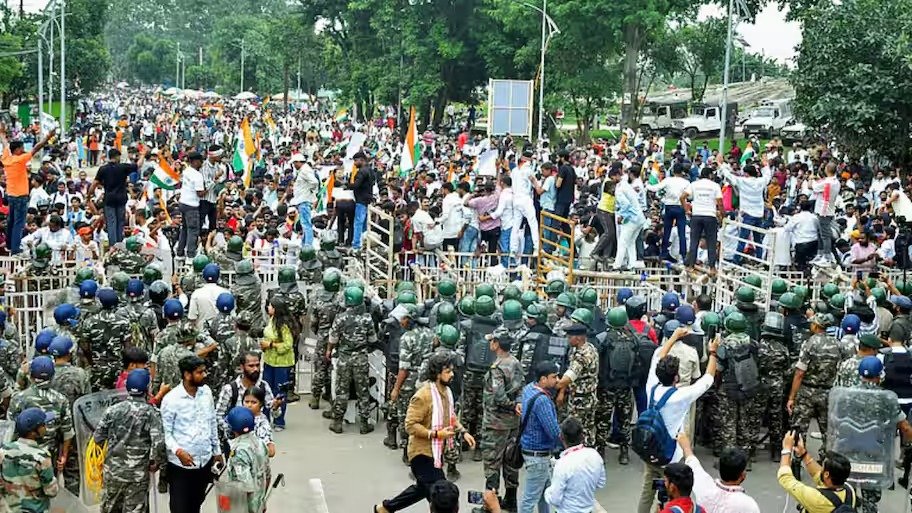
While appointed candidates are at the centre of the current legal dispute, another group is also watching the developments closely: aspirants who were hoping for recruitment opportunities.
If the disputed examinations remain valid, existing appointments may continue and there may be no immediate need for fresh recruitment for those posts.
If examinations are cancelled and conducted again, however, new opportunities could emerge.
This could provide another chance for candidates who believe they were disadvantaged by the alleged irregularities.
At the same time, a fresh examination would mean additional preparation, time and uncertainty for candidates who had already cleared the original selection process.
The government will therefore face the difficult task of balancing the interests of existing appointees, unsuccessful candidates and future aspirants.
Why the Private Examination Agency Issue Matters
The controversy also raises questions about the role of private agencies in conducting government recruitment examinations.
Outsourcing examination-related services is increasingly common because modern competitive tests require significant technological and logistical infrastructure.
However, the use of an external agency creates a need for strict oversight.
Governments must ensure that question papers are securely prepared and transported, candidate data is protected, examination centres are properly monitored and irregularities are detected quickly.
Contracts with private agencies may also need stronger accountability provisions, including penalties and clear responsibility for security breaches.
The committee headed by Amitabh Kaushal could therefore play an important role in determining how Jharkhand approaches external examination agencies in the future.
What Candidates Should Watch Now
Candidates affected by the JPSC-JSSC recruitment controversy should closely monitor official court orders, government notifications and investigation updates.
The key developments to watch include:
- The next hearing of the Jharkhand High Court.
- Any detailed order explaining the scope of the stay.
- Findings or reports submitted by the CID and SIT.
- Any decision by the Jharkhand government to approach the Supreme Court.
- Recommendations of the high-level recruitment examination committee.
- Any notification regarding fresh examinations.
- Possible age relaxation for affected candidates.
- Further directions concerning candidates already appointed.
Candidates JPSC should avoid relying on unverified social-media claims, particularly regarding the permanent status of appointments.
Final Outcome Could Set a Precedent
The Jharkhand High Court’s intervention has temporarily changed the trajectory of a recruitment dispute involving 22 examinations and nearly 3,000 selected candidates.
The JPSC immediate effect is clear: appointed candidates have received relief and can resume their duties while the legal challenge continues.
But the larger question remains unresolved.
The JPSC case could ultimately result in continuation of appointments, identification and removal of candidates allegedly involved in malpractice, a fresh round of examinations, or further litigation before the Supreme Court.
The JPSC dispute also raises a broader issue for public recruitment in India: how should governments protect the integrity of competitive examinations without unfairly penalising candidates who may have played no role in alleged irregularities?
For thousands of JPSC and JSSC aspirants, the answer could determine not only the fate of JPSC existing appointments but also the credibility of future recruitment examinations in Jharkhand.
Until the JPSC court reaches a final conclusion, the JPSC High Court’s stay provides a temporary pause rather than a final resolution. JPSC Candidates, government departments and recruitment authorities will now await the next stage of judicial proceedings, investigation JPSC findings and the recommendations of the state’s examination reform committee.
For now, JPSC nearly 3,000 selected candidates have received breathing room. Whether JPSC that relief becomes permanent employment—or merely a temporary reprieve—JPSC will depend on the evidence, subsequent JPSC court orders and the government’s next move.