Indian food is often described as one cuisine, but the reality is far more diverse. From wheat-based rotis and parathas in many northern and central households to rice, dosa and idli across the south, India’s everyday food habits vary significantly by region, culture, climate and local ingredients.
Yet, despite this enormous diversity, certain dishes have managed to cross state borders and become familiar favourites across the country. Some appear regularly on family dining tables, while others are popular at restaurants, roadside stalls, office canteens and food-delivery platforms.
Recent food-ordering data offers a glimpse into these changing preferences. Swiggy’s 2025 list of the most ordered dishes in India placed biryani at the top with 93 million orders, while veg dosa, idli and medu vada also featured prominently. Meanwhile, iconic dishes such as masala dosa and butter chicken have developed a nationwide following far beyond their regional origins.
There is, of course, no single Indian food that everyone eats. Dietary preferences, regional traditions and household habits differ considerably. However, some dishes are so widespread that they have become part of India’s shared food culture.
Here are 10 Indian foods that are among the most commonly eaten, recognised and loved across the country.
Table of Contents
1. Dal Chawal: The Everyday Comfort Meal
If there is one combination that represents everyday Indian home cooking, dal chawal is a strong contender.
Made with lentils and rice, dal chawal is simple, affordable and adaptable. Different households use different varieties of dal, including toor dal, moong dal, masoor dal and urad dal. The preparation can range from a lightly seasoned everyday dal to richer versions finished with ghee, cumin, garlic, onions or chillies.
Rice serves as the staple carbohydrate, while dal provides an important source of plant-based protein. Dal and rice are also commonly eaten together because their protein profiles complement one another nutritionally.
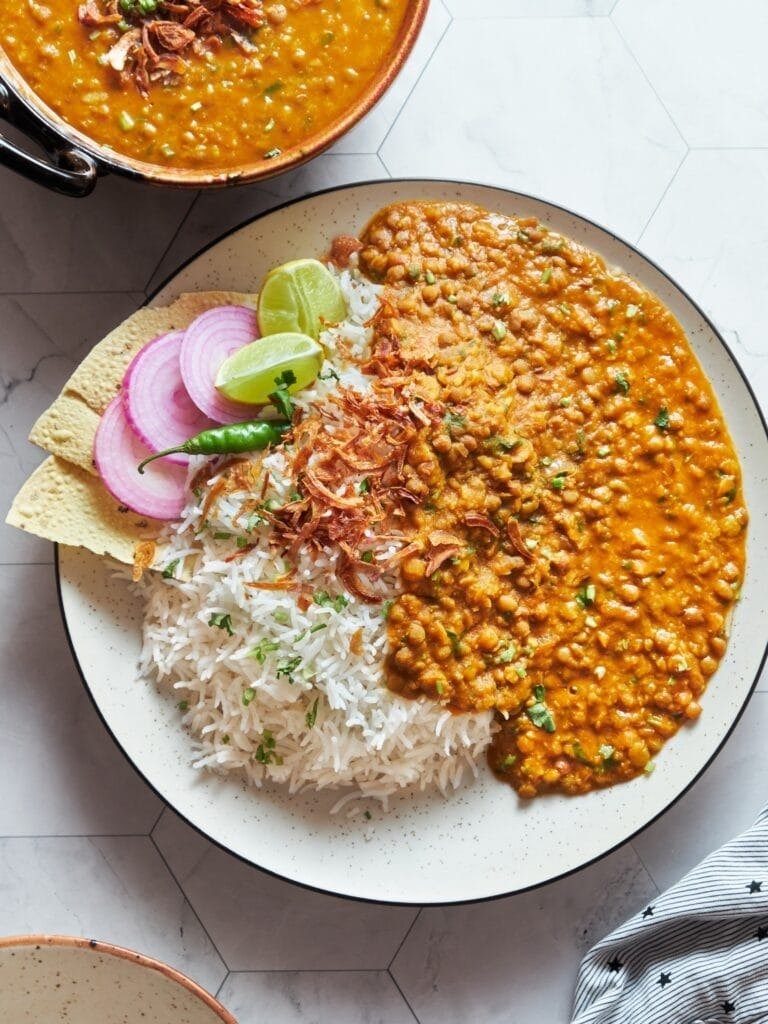
The combination is particularly significant because rice and lentils are staples in several parts of India. Regional food patterns vary, but rice, lentils and vegetables remain central to many Indian meals.
For many people, dal chawal is less about elaborate cooking and more about familiarity. It is the meal associated with busy weekdays, home kitchens and comfort.
2. Roti or Chapati: A Staple on Indian Dining Tables
For millions of households, particularly across northern and central India, roti or chapati is a regular part of lunch and dinner.
Usually made from wheat flour, water and sometimes a little oil or ghee, roti is cooked on a tawa and often served alongside dal, sabzi, curd, pickle or a meat-based curry.
Its simplicity is part of its appeal.
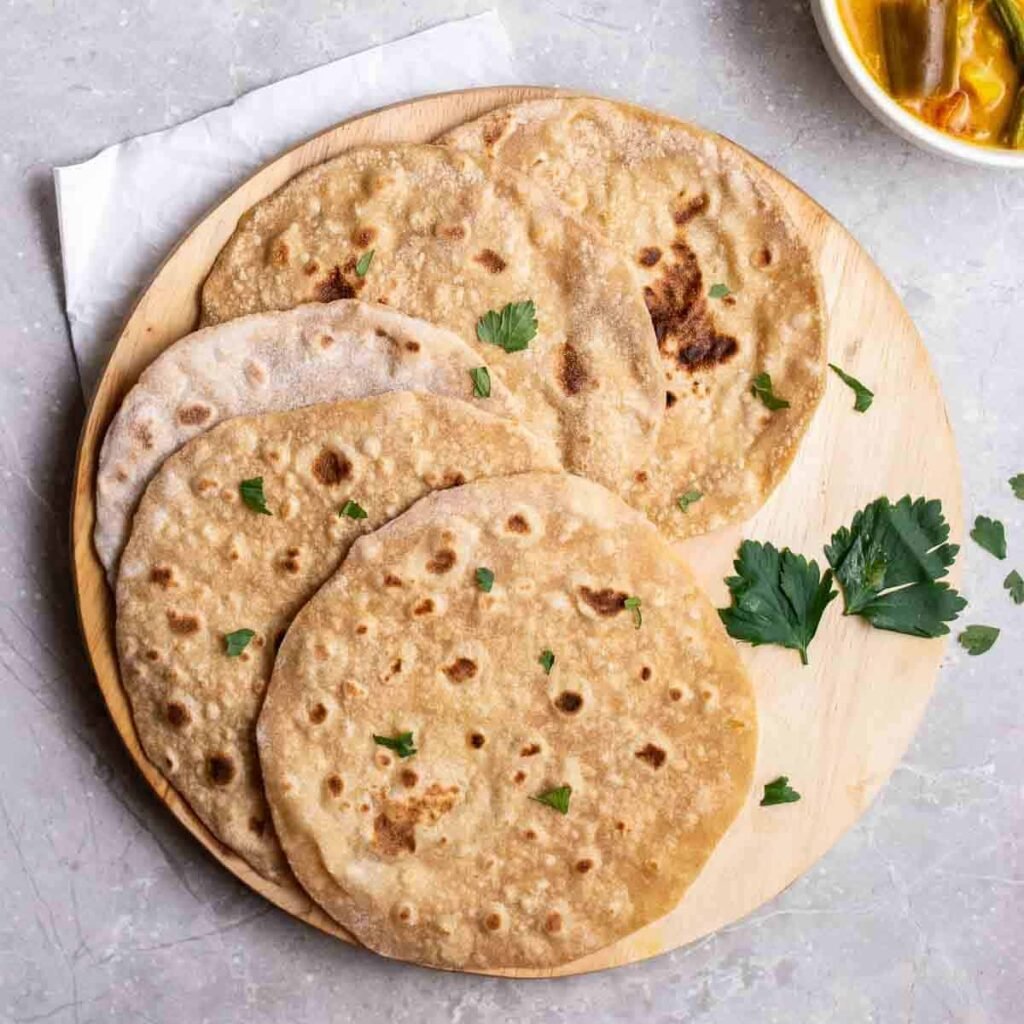
Roti can accompany everything from a basic potato or seasonal vegetable preparation to elaborate gravies. It can also be modified into different regional flatbreads, including stuffed parathas and millet-based rotis.
Indian food traditions demonstrate how strongly wheat and bread-based meals are associated with northern and western regions, while rice plays a particularly important role in southern and eastern cuisines.
That regional distinction, however, has become less rigid as migration, urbanisation and restaurants have made different Indian foods available throughout the country.
3. Biryani: The Dish That Dominates Food Delivery
Few Indian dishes generate as much enthusiasm as biryani.
Made using rice, spices and either meat, vegetables or other ingredients, biryani has numerous regional versions. Hyderabadi, Lucknowi, Kolkata and several other styles have developed distinctive cooking methods and flavour profiles.
Its popularity is not limited to special occasions. Biryani has become a regular choice for lunch, dinner, celebrations, parties and food delivery.
Swiggy’s 2025 ordering data reported 93 million biryani orders, putting it well ahead of other dishes on its list of India’s most ordered foods.
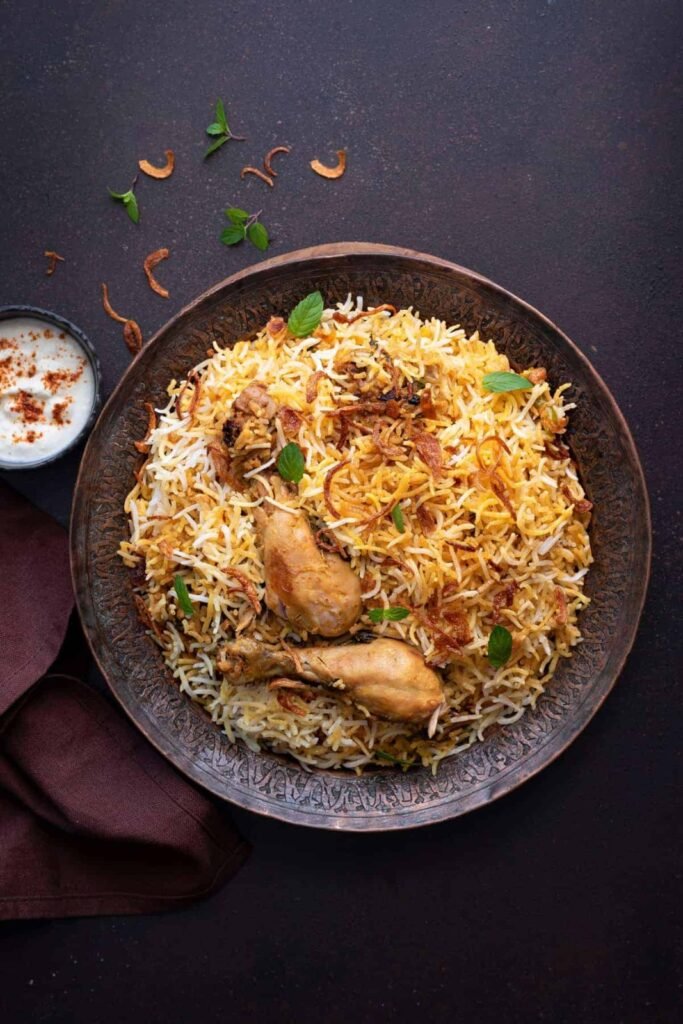
Biryani’s appeal also comes from its ability to function as a complete meal. Fragrant rice, spices, vegetables or meat and accompaniments such as raita can come together in a single serving.
The dish has also become a symbol of India’s culinary diversity because different regions strongly defend their own versions.
4. Masala Dosa: South Indian Favourite That Went Nationwide
The masala dosa is one of India’s most recognisable South Indian foods.
Traditionally made from a fermented batter of rice and lentils, dosa is cooked into a thin, crisp crepe. The masala version is filled with a spiced potato preparation and typically served with sambar and chutneys.
Although it originated in southern India, masala dosa is now a familiar breakfast, lunch and dinner option across major Indian cities.
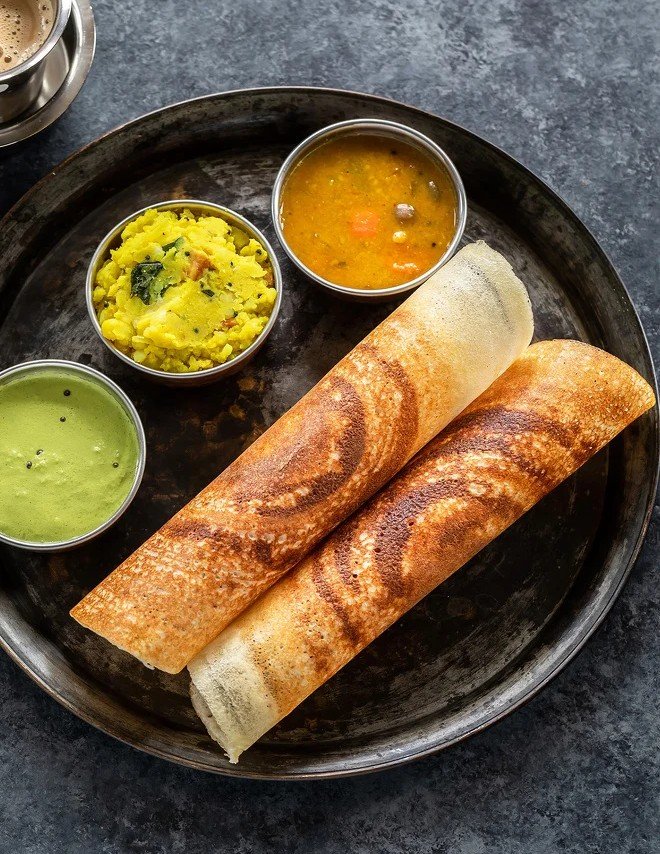
Its popularity is also reflected in food-ordering trends. Swiggy’s 2025 data placed veg dosa among India’s most ordered dishes, with 26.2 million orders.
The dish demonstrates how Indian food travels. A regional speciality can become a national favourite when it is affordable, adaptable and easy to serve in restaurants and homes.
5. Idli and Sambar: A Breakfast Classic
Soft, steamed idlis paired with sambar and chutney are another staple of Indian food culture.
Idli is generally prepared from fermented rice and lentil batter and steamed in moulds. Its soft texture and relatively simple preparation have made it a popular breakfast and snack.
Sambar adds a contrasting combination of lentils, vegetables, tamarind and spices. It is also served with dosa, vada and rice.
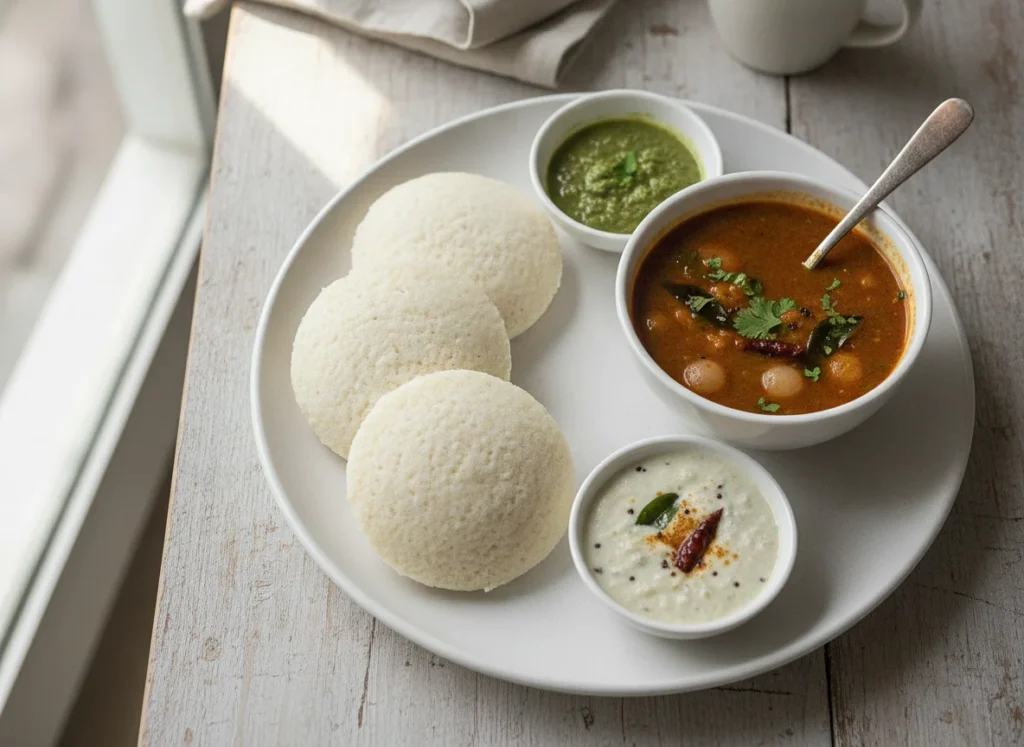
The combination has long been associated with South Indian breakfasts, but it is now available throughout India in restaurants, canteens, railway stations and food-delivery menus.
Idli also appeared prominently in recent food-ordering data, with Swiggy reporting 11 million orders in 2025.
The popularity of idli and dosa highlights the increasingly national character of regional Indian foods.
6. Samosa: India’s Favourite Tea-Time Snack?
When discussing popular Indian snacks, it is difficult to ignore the samosa.
The triangular pastry, typically filled with spiced potatoes, peas and other ingredients, is widely available at tea stalls, bakeries, restaurants, railway stations and street-food outlets.
It is particularly associated with North Indian snack culture but has spread extensively across the country.
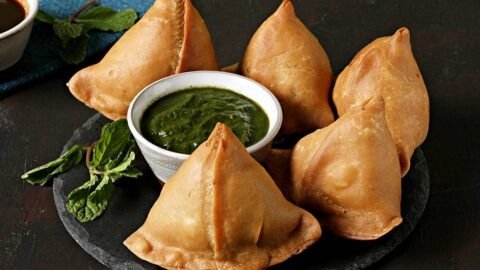
Interestingly, the samosa’s historical journey illustrates the way Indian cuisine has evolved through cultural exchange. Food historians often trace the dish’s earlier roots to West and Central Asia before it became deeply integrated into South Asian culinary traditions.
Today, however, the samosa is firmly embedded in Indian food culture.
Whether served during office tea breaks, family gatherings or evening outings, it has become one of the country’s most recognisable snacks.
7. Paratha: From Breakfast Table to All-Day Meal
Paratha is another versatile Indian food that appears in countless variations.
Unlike a basic roti, paratha is generally layered, pan-fried and sometimes stuffed. Popular versions include aloo paratha, gobi paratha, paneer paratha and methi paratha.
A typical North Indian breakfast may pair paratha with curd, pickle or butter, but the dish is not limited to mornings.
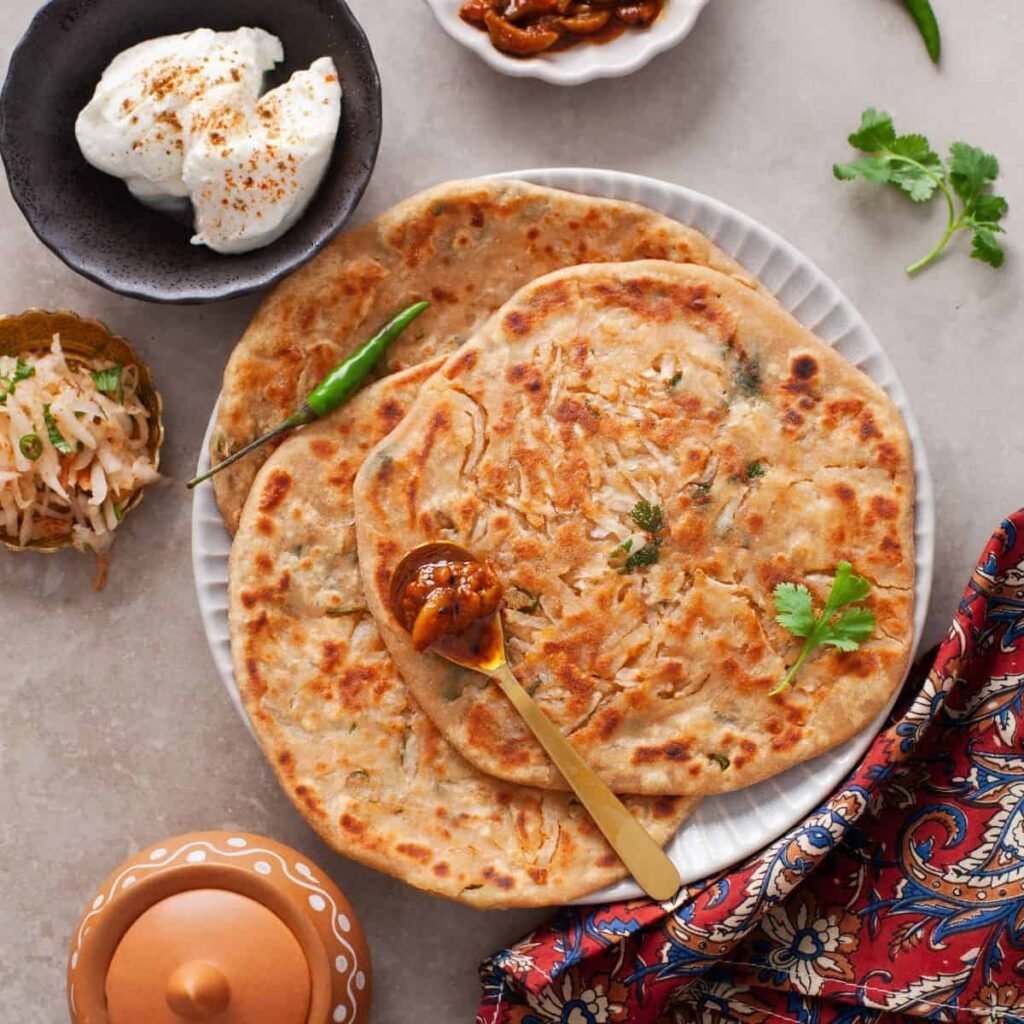
Parathas are also commonly eaten for lunch or dinner and are particularly popular as a filling travel or takeaway food.
The versatility of wheat flour in Indian cooking is remarkable. Traditional dishes made with atta range from roti and poori to stuffed parathas, litti and various sweet preparations.
This adaptability helps explain why flatbreads remain central to Indian food culture.
8. Paneer Dishes: A Vegetarian Favourite
Paneer, or Indian cottage cheese, occupies an important place in vegetarian Indian cuisine.
It can be grilled, fried, sautéed or cooked into rich gravies. Popular preparations include paneer butter masala, palak paneer, kadai paneer and shahi paneer.
Paneer-based dishes are particularly popular in restaurants because they provide a substantial vegetarian option and pair easily with roti, naan, paratha or rice.
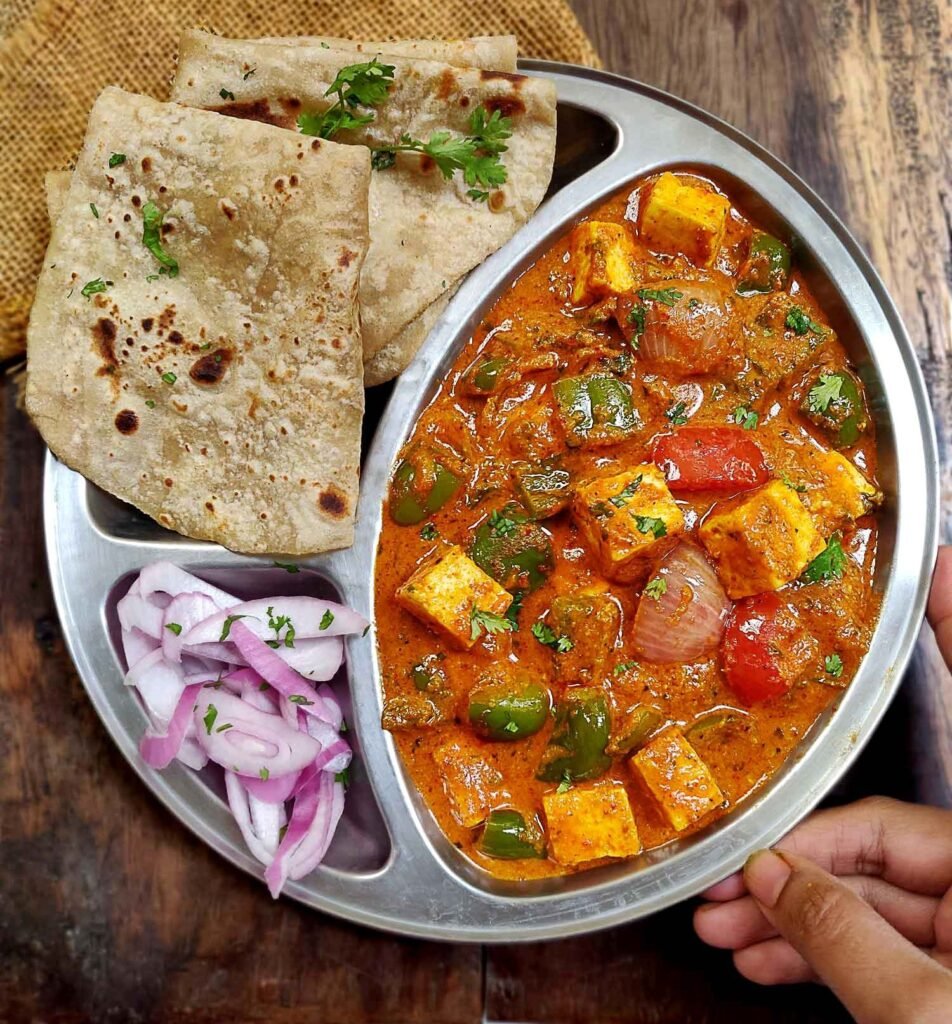
The popularity of paneer also reflects the broader role of dairy in many Indian food traditions.
For people following vegetarian diets, paneer can be an important source of protein. Other Indian vegetarian protein sources include dal, rajma, chana, soy, milk, curd, peas, nuts and seeds.
9. Chaat: India’s Flavour-Packed Street Food
Chaat is less a single dish than a broad family of snacks featuring combinations of crispy ingredients, potatoes, chickpeas, chutneys, spices, curd and other toppings.
Popular varieties include aloo tikki, papdi chaat, bhel puri and several regional preparations.
Chaat is particularly interesting because it demonstrates India’s ability to combine contrasting flavours and textures. Sweet, sour, spicy, salty and tangy elements can appear in the same serving.
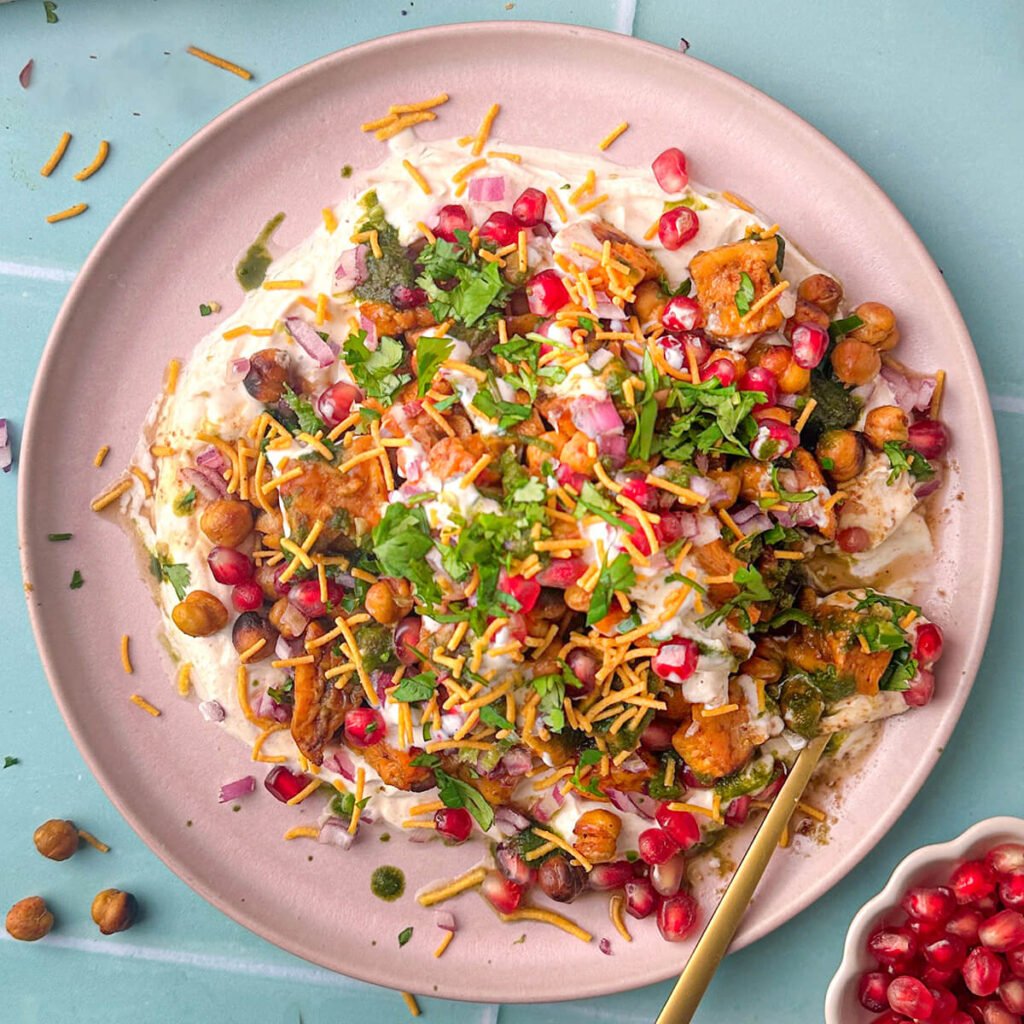
Regional versions differ significantly. Delhi’s chaat culture, Mumbai’s bhel puri and Kolkata’s phuchka traditions demonstrate how street food changes as it moves across India.
Despite these differences, the underlying idea of combining multiple flavours into an affordable snack has made chaat a nationwide favourite.
10. Butter Chicken: A Restaurant Favourite Across India
The final entry is butter chicken, one of the most widely recognised Indian dishes.
Prepared using chicken in a creamy tomato-based gravy, butter chicken is commonly flavoured with spices, butter and other ingredients. It is often served with naan, roti or rice.
Although strongly associated with Delhi and North Indian restaurant cuisine, butter chicken has become popular across the country and internationally.
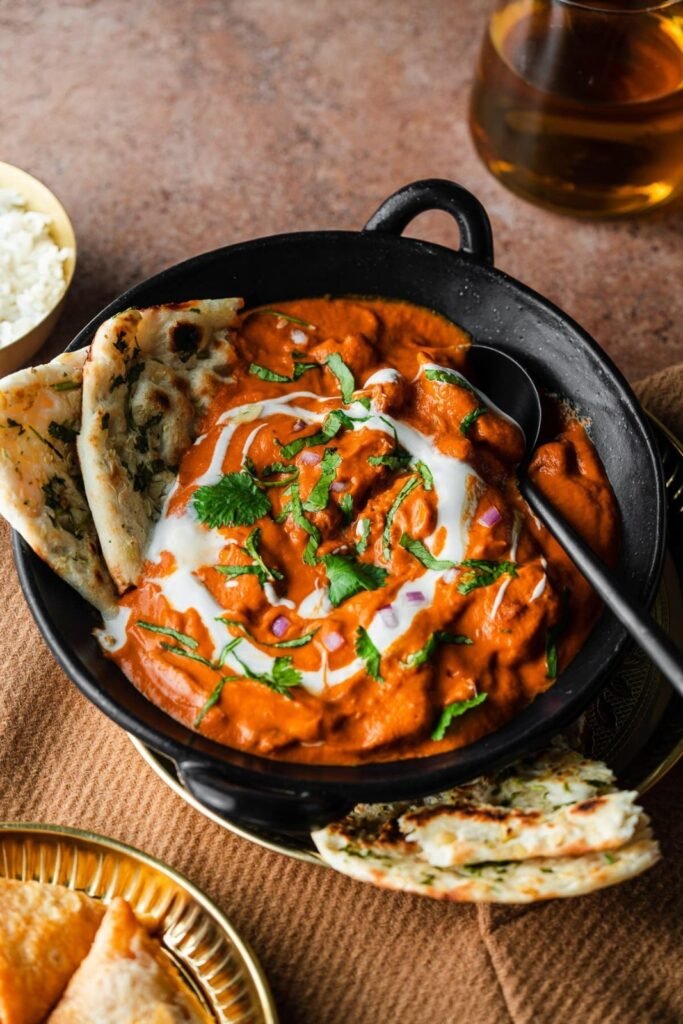
Its widespread appeal is partly due to its relatively rich, creamy gravy and its ability to pair with several Indian breads and rice dishes.
Butter chicken has also consistently featured among India’s most recognised Indian dishes. Previous search and food-interest data have placed it alongside biryani, dosa, samosa, tandoori chicken, dal makhani and other major favourites.
What These Foods Reveal About Indian Food Culture
The popularity of these dishes reveals something important about Indian food: there is no single formula for what Indians eat.
A meal in Punjab may centre on wheat, dairy and vegetables. A household in Tamil Nadu may rely heavily on rice, lentils, fermented foods and coconut. Coastal communities may incorporate seafood, while parts of eastern and northeastern India have their own distinctive combinations of rice, fish, meat and vegetables.
Migration has blurred many of these regional boundaries.
A dosa restaurant can now be found in cities far from southern India. Biryani is available throughout the country. North Indian restaurants have made paneer, naan and butter chicken familiar nationwide, while regional snacks increasingly travel through food-delivery platforms.
This movement has created a shared Indian food vocabulary without eliminating regional identities.
Indian Food Is More Than Just Popular Dishes
Another important aspect of Indian food is its connection to routine and memory.
Dal chawal may remind someone of home. Roti may represent an everyday family meal. Samosas may be associated with evening tea. Biryani may be connected with celebrations. Dosa may bring back memories of weekend breakfasts.
This emotional connection helps explain why certain dishes survive changes in food trends.
At the same time, Indian food continues to evolve. Restaurant menus are experimenting with new combinations, healthier ingredients and contemporary presentations, while traditional dishes remain deeply popular.
The result is a food culture that constantly changes without abandoning its roots.
From dal chawal and roti to biryani, dosa, idli, samosa, paratha, paneer, chaat and butter chicken, India’s most familiar foods reflect a remarkable combination of regional diversity and national popularity.
Some are everyday staples, while others are restaurant favourites or snacks. Some originated in specific regions, while others have histories shaped by centuries of cultural exchange.
What connects them is their ability to travel beyond their original communities and become part of everyday Indian life.
Ultimately, Indian food cannot be reduced to a list of 10 dishes. The country’s culinary identity is too diverse for that. But these foods offer a useful snapshot of the flavours, ingredients, cooking traditions and eating habits that continue to bring people together across India’s many regions and cultures.