The Special Investigation Team (SIT) probing alleged theft and irregularities involving donations at the Ayodhya Ram Temple has reportedly cleared former Shri Ram Janmabhoomi Teerth Kshetra Trust general secretary Champat Rai and former Trust member Anil Mishra in its final report. The report has been submitted to the Trust for further action, marking a significant development in a controversy that has been under investigation for several months.
The case concerns allegations of theft and irregularities involving donations offered at the Ram Temple. The investigation has attracted considerable attention because of the religious significance of the temple, the large number of devotees visiting the shrine and the public importance of the Trust responsible for its administration.
According to reports, the SIT’s final report does not name Champat Rai or Mishra as accused in connection with the alleged donation theft. However, the development needs to be understood alongside earlier stages of the investigation, when questions had been raised about administrative and supervisory lapses within the Trust.
Table of Contents
SIT Submits Final Report to Ram Temple Trust
The Uttar Pradesh Home Department has submitted the SIT’s final report to the Shri Ram Janmabhoomi Teerth Kshetra Trust. The report follows an investigation into allegations concerning the handling and security of donations at the Ayodhya temple.
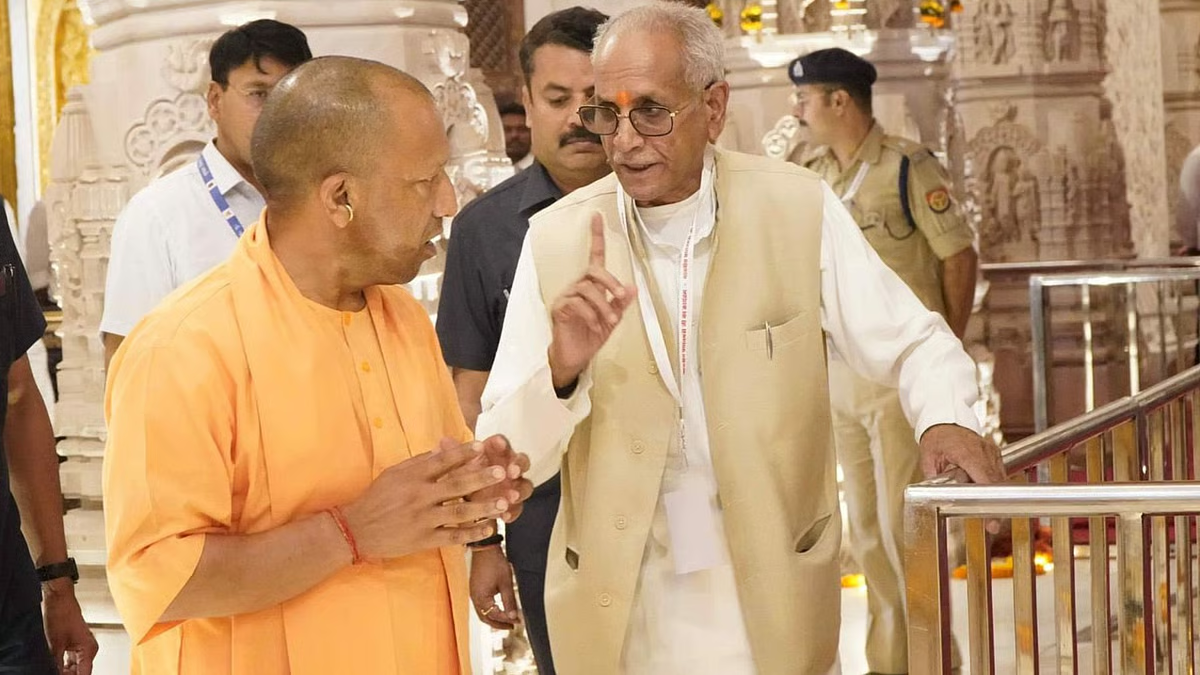
The latest reports indicate that Champat Rai and Mishra have been cleared in the final findings. Both had resigned from their respective positions earlier amid the controversy surrounding alleged irregularities.
The submission of the final report represents an important stage in the case because it moves the matter from an investigative phase toward consideration of the findings by the Trust and other relevant authorities.
However, a distinction remains important: a reported clean chit for particular former Trust officials does not necessarily mean that every issue identified during the wider investigation has been resolved.
Who Is Champat Rai?
Champat Rai has been one of the prominent figures associated with the Ram Janmabhoomi movement and the construction and administration of the Ram Temple in Ayodhya.
For years, Champat Rai served as the general secretary of the Shri Ram Janmabhoomi Teerth Kshetra Trust and became one of its most recognisable public representatives. His responsibilities placed him close to major administrative decisions concerning the temple project.
His long association with the Ram Temple movement also made his role particularly significant when allegations concerning donations and temple management emerged.
The controversy therefore attracted attention not merely because of the financial allegations but also because of the senior position Champat Rai previously held within the Trust.
What Was the Donation Controversy About?
The investigation was launched following allegations of theft and irregularities concerning donations at the Ram Temple.
The temple receives offerings from devotees, making the secure collection, counting, recording and depositing of donations an important administrative responsibility.
Earlier reporting on the investigation pointed to alleged weaknesses in procedures governing donation handling. A preliminary SIT report was reported to have identified security and supervisory lapses, including failures involving access controls and procedures in the donation-counting process.
The investigation subsequently examined the role of people involved in the handling and counting of donations.
The key question was whether the alleged thefts were the result of deliberate wrongdoing by specific individuals, administrative failures, or a combination of factors.
Earlier Investigation Had Raised Questions
The latest final report comes after an earlier phase of the investigation in which senior Trust officials were under scrutiny.
A report published in June said the SIT had identified management and supervisory failures and was examining the roles of senior Trust functionaries, including Champat Rai, Mishra and others. At that stage, the investigation had not given a clean chit to senior officials, according to sources cited by the report.
This earlier stage is important because it shows that the investigation developed over time.
Being examined or questioned during an investigation does not by itself establish criminal responsibility. Investigators must distinguish between direct involvement in an alleged offence and broader administrative responsibility or negligence.
The latest reported final findings therefore represent a significant change from the earlier uncertainty surrounding the roles of senior Trust officials.
Anil Mishra Also Cleared
Champat Rai is not the only former Trust official reportedly cleared by the SIT.
Former Trust member Anil Mishra has also been given a clean chit, according to reports on the final investigation.
Mishra had also resigned amid the controversy. His role had attracted scrutiny during the investigation, particularly in connection with broader questions concerning the administration and functioning of the Trust.
The SIT’s final findings, as reported, therefore provide relief to both former officials.
The report’s conclusions are expected to influence the next phase of discussion over the Trust’s administrative structure and the systems used to manage temple donations.
Administrative Lapses Remain a Separate Issue
One of the most important aspects of the case is the difference between alleged theft and administrative shortcomings.
Earlier reports about the SIT investigation referred to failures in supervision and security procedures. These reportedly included issues related to access protocols, personal belongings, frisking, cash-counting procedures and supervision.
Such shortcomings can create opportunities for wrongdoing without necessarily proving that senior officials personally participated in theft.
This distinction is particularly relevant when assessing the reported clean chit given to Champat Rai and Mishra.
The SIT’s findings regarding individual responsibility and its observations about the broader administrative system should therefore be viewed separately.
Donation Handling Became a Major Focus
The handling of temple donations became one of the central areas of the investigation.
Donation boxes and counting operations require multiple layers of security because they involve large volumes of cash and offerings. Proper procedures can include controlled access, documentation, surveillance, counting protocols and independent oversight.
Earlier reports indicated that investigators examined weaknesses in these systems and the activities of individuals involved in donation handling.
The controversy has consequently raised wider questions about how religious institutions manage large-scale public donations.
For an institution as prominent as the Ram Temple, transparent financial management is particularly important because devotees expect their offerings to be handled responsibly.
Supreme Court Also Seeks Progress
The investigation has also received judicial attention.
The Supreme Court of India has directed the SIT to submit a status report and take the investigation to its logical conclusion. The court’s intervention underlines the importance of completing the inquiry properly and establishing the facts surrounding the allegations.
The judicial dimension means that the final outcome of the investigation remains significant beyond the internal functioning of the Trust.
The court’s focus on the investigation reaching a logical conclusion also highlights the need for evidence-based findings rather than conclusions based solely on political or public claims.
Why the Clean Chit Matters
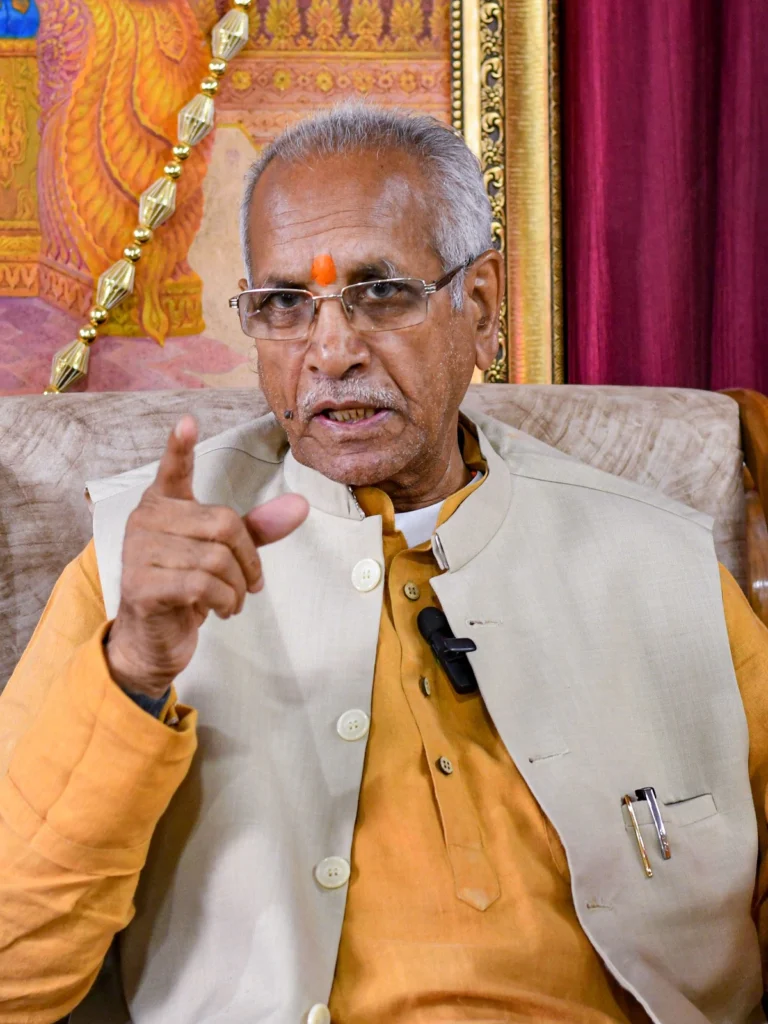
The reported clearance of Champat Rai is significant for several reasons.
First, Champat Rai was one of the most prominent officials associated with the Trust. Allegations involving the temple’s donations inevitably brought attention to his position.
Second, the investigation had generated considerable public and political debate. Questions had been raised about accountability, management systems and the responsibility of senior officials.
Third, the final report could help separate allegations concerning individual wrongdoing from documented administrative weaknesses.
For Champat Rai, the reported clean chit provides an important clarification regarding his alleged involvement in the donation theft case.
However, the broader questions about management and internal controls remain relevant.
Champat Rai Had Earlier Maintained Silence
During an earlier stage of the controversy, Champat Rai had indicated that he would respond to the allegations after the SIT completed its investigation.
A July report quoted Champat Rai as saying that he had maintained silence while the preliminary report was being discussed and that he would respond to the allegations after the final report.
His decision to wait for the investigation’s conclusion reflected the continuing uncertainty surrounding the case at that time.
The reported final clearance now provides the context in which his earlier position can be understood.
Trust’s Administrative Structure Had Already Changed
The controversy also resulted in changes within the Trust.
Earlier reports said the Trust accepted the resignations of Champat Rai and Anil Mishra and appointed Krishna Mohan, a former Indian Forest Service officer, as interim general secretary.
This administrative change occurred while the investigation was still underway.
The reported clean chit now creates a different situation for the former officials, although questions about the Trust’s future administrative structure remain.
The episode may encourage the Trust to strengthen its internal systems regardless of the findings concerning individual officials.
What the Investigation Could Mean for Temple Administration
The controversy has highlighted the importance of professional financial and administrative systems at major religious institutions.
The Ayodhya Ram Temple attracts devotees from across India and abroad. As the temple’s visitor numbers and activities grow, systems for managing donations, security and administration become increasingly important.
Even when an investigation clears individuals of direct wrongdoing, institutional lessons can still emerge from allegations and identified procedural weaknesses.
Stronger auditing, transparent accounting, secure donation handling and clearly defined responsibilities could help prevent similar controversies in the future.
Allegations Must Be Distinguished From Proven Findings
The case also demonstrates the importance of separating allegations from established facts.
During the investigation, various claims were made concerning the functioning of the Trust and the handling of donations. Some political and religious figures also criticised the investigation itself.
For example, seer Swami Avimukteshwaranand had previously questioned the credibility of the SIT probe and alleged that the investigation would favour certain Trust officials. Those were his allegations and were not established findings.
The reported final SIT findings now provide an official investigative position concerning Rai and Mishra.
Responsible reporting requires keeping these two categories separate: allegations made during the controversy and conclusions reached by investigators.
The Larger Question of Transparency
The donation controversy has raised a broader question about transparency in religious institutions.
Temples and other religious organisations often receive contributions from large numbers of devotees. When those institutions operate on a large scale, clear financial procedures become essential.
The Ram Temple’s importance makes the issue particularly sensitive.
Devotees who contribute money expect proper accounting and security. At the same time, administrators need systems that make responsibilities clear and allow irregularities to be detected quickly.
The investigation has therefore provided an opportunity to examine not only individual allegations but also the effectiveness of the Trust’s overall systems.
What Happens Next?
With the SIT’s final report reportedly submitted to the Trust, attention will now shift to how the findings are formally acted upon.
The reported clean chit removes a major cloud over Champat Rai and Anil Mishra in relation to the alleged donation theft case.

However, the broader investigation into alleged irregularities and the institutional issues surrounding donation management remain important.
The authorities and Trust will have to consider the findings and determine what administrative measures, if any, are required.
The Supreme Court’s earlier direction for the investigation to reach a logical conclusion also adds importance to the next steps.
The reported clean chit to Champat Rai and Anil Mishra marks a major development in the Ayodhya Ram Temple donation probe. The SIT’s final report, submitted to the Shri Ram Janmabhoomi Teerth Kshetra Trust, reportedly does not hold the two former Trust officials responsible for the alleged donation theft.
The development comes after months of scrutiny, during which questions were raised about donation handling, security procedures and administrative supervision at the temple.
While the reported findings provide relief to the former officials, the controversy has also highlighted the importance of stronger institutional safeguards. Transparent accounting, secure donation systems and effective supervision remain essential for maintaining public confidence.
For Champat Rai, who had been one of the most visible figures associated with the Ram Temple Trust, the reported SIT clearance represents an important turning point. For the Trust, meanwhile, the case could serve as an opportunity to strengthen its administrative and financial systems as the Ayodhya temple continues to grow in national and religious significance.