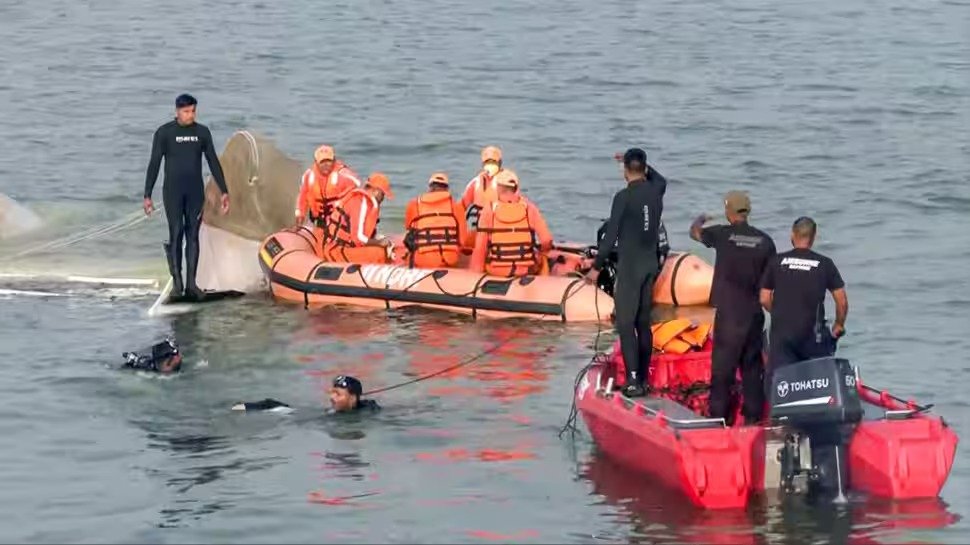
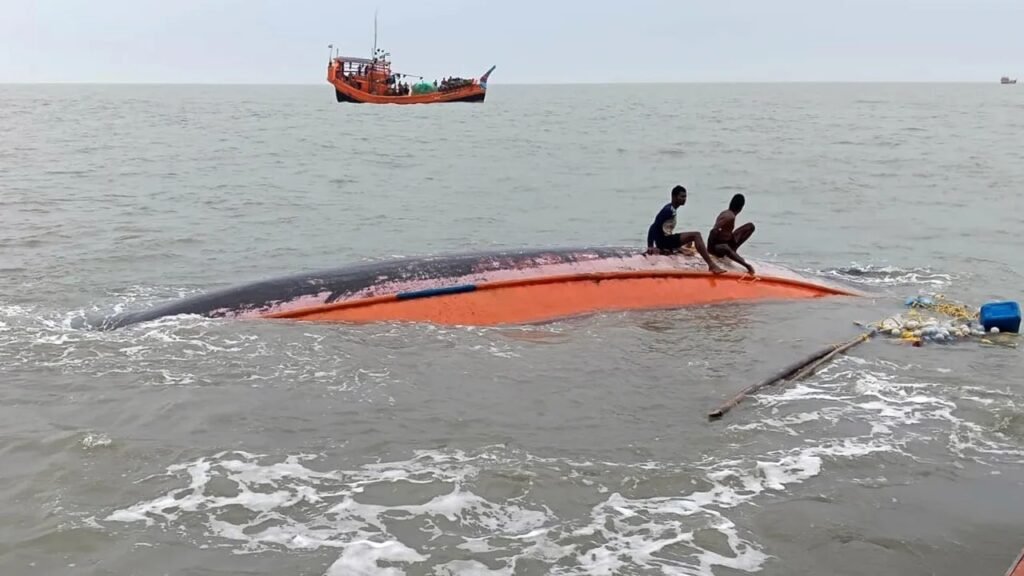
The Bengal boat tragedy has once again drawn national attention to the safety of inland water transport after a passenger boat capsized in West Bengal’s South 24 Parganas district, resulting in the loss of several lives. Following the incident, Prime Minister Narendra Modi expressed deep sorrow over the tragedy, extended condolences to the affected families, and announced financial assistance from the Prime Minister’s National Relief Fund (PMNRF) for the victims and those injured.
The accident has highlighted the risks associated with river transport in many parts of eastern India, where boats remain an essential mode of travel for thousands of people every day. While rescue operations and relief measures continue, the Bengal boat tragedy has also renewed discussions about passenger safety, vessel regulation, and disaster preparedness in water transport systems.
Table of Contents
Prime Minister Announces Financial Assistance
Soon after reports of the Bengal boat tragedy emerged, Prime Minister Narendra Modi conveyed his condolences through a message shared by the Prime Minister’s Office.
Describing the loss of lives as deeply painful, the Prime Minister expressed sympathy for the bereaved families and wished a speedy recovery to those injured in the accident.
To support the affected families, the Prime Minister announced ex-gratia assistance from the Prime Minister’s National Relief Fund.
Under the announcement, the next of kin of each deceased victim will receive financial assistance of ₹2 lakh, while every injured person will be provided ₹50,000.
The relief package is intended to offer immediate financial support to families coping with the sudden loss of loved ones and to help injured survivors meet urgent medical expenses.
Although monetary compensation cannot replace the lives lost, such assistance forms an important part of the government’s immediate humanitarian response following major accidents and natural disasters.

The Incident in South 24 Parganas
The Bengal boat tragedy occurred in South 24 Parganas district, a region characterised by an extensive network of rivers, creeks, and waterways.
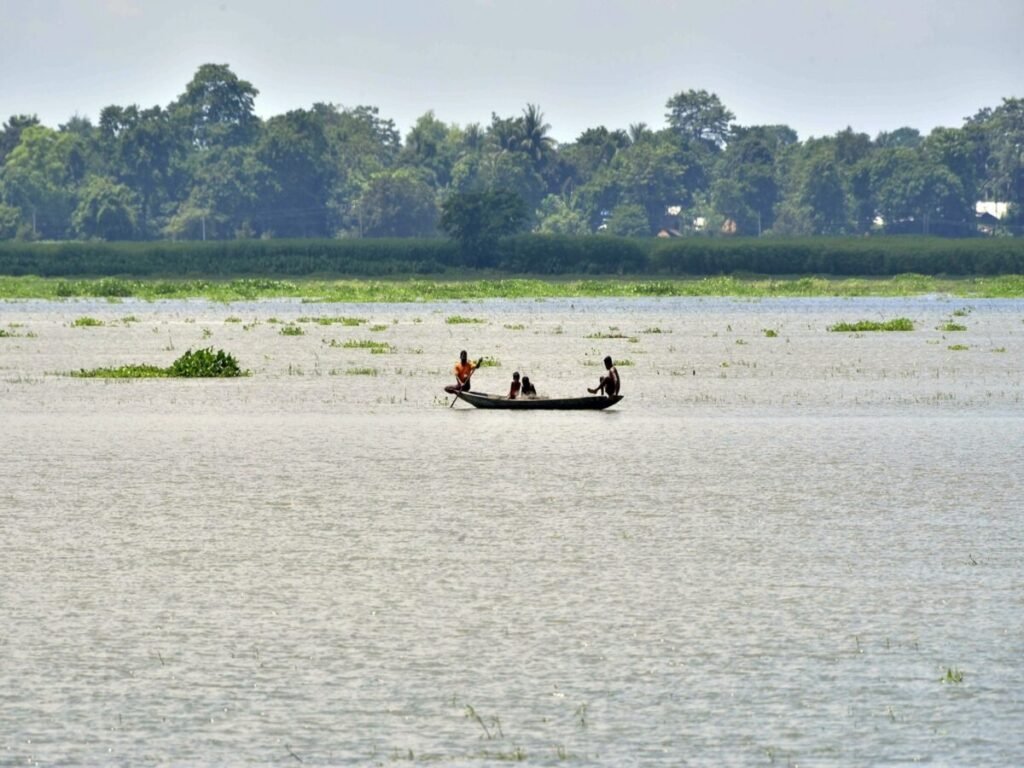
Large sections of the district, particularly areas near the Sundarbans, depend heavily on boats for daily transportation. For many residents, waterways provide the quickest and sometimes the only practical means of reaching schools, hospitals, markets, workplaces, and government offices.
Because of this dependence, thousands of passenger boats operate across the district every day.
Although authorities have not yet released complete details regarding the circumstances that caused the boat to capsize, rescue teams were immediately deployed after the incident to search for passengers and assist survivors.
Emergency response agencies, local administration, police personnel, and disaster management teams coordinated rescue operations to recover victims and provide medical treatment to those injured.

Importance of Inland Water Transport in West Bengal
The Bengal boat tragedy has once again highlighted the critical role played by inland waterways across West Bengal.
Unlike many other Indian states where road and rail networks dominate transportation, several districts in West Bengal rely extensively on ferries and passenger boats because of their unique geography.
The state possesses one of India’s largest inland water transport networks, with rivers such as the Hooghly, Ganga, Matla, Ichamati, and numerous distributaries connecting hundreds of villages and towns.
For residents of riverine districts, boats are not simply an alternative means of travel—they are an essential public transport service.
This dependence makes passenger safety particularly important, as even minor operational failures can have serious consequences.
Why Boat Accidents Continue to Occur
Experts note that accidents similar to the Bengal boat tragedy often result from multiple contributing factors rather than a single cause.
Common reasons include overcrowding, adverse weather conditions, strong river currents, inadequate safety equipment, poor vessel maintenance, and occasional lapses in operational oversight.
Monsoon conditions can make river transport even more challenging.
Heavy rainfall, changing water levels, strong winds, and reduced visibility significantly increase navigational risks, especially for smaller passenger boats operating in narrow waterways.
Safety experts also emphasise the importance of ensuring that every passenger vessel carries adequate life jackets, emergency communication equipment, and follows prescribed passenger capacity limits.
Strict compliance with these measures can substantially reduce casualties during emergencies.
Importance of Rescue Operations
Rapid rescue operations often determine survival rates following boat accidents.
In incidents such as the Bengal boat tragedy, local fishermen, nearby residents, police personnel, disaster response teams, and medical services usually work together to rescue passengers from the water as quickly as possible.
The first few hours after a capsizing incident are considered extremely critical.
Emergency responders focus on locating missing passengers, providing first aid, transporting injured individuals to hospitals, and coordinating search operations across affected waterways.
Modern rescue operations increasingly rely on specialised boats, divers, drones, sonar equipment, and communication systems to improve response efficiency.
Strengthening such capabilities remains an important priority for disaster management authorities in states with extensive inland waterways.
PMNRF Assistance and Its Role
The Prime Minister’s National Relief Fund has long served as an important mechanism for providing immediate financial assistance following major accidents, natural disasters, and other emergencies.
The fund supports victims affected by earthquakes, floods, cyclones, industrial accidents, and transportation disasters.
In the case of the Bengal boat tragedy, the announced compensation aims to provide urgent support while state authorities continue longer-term rehabilitation efforts.
Although financial assistance cannot compensate for emotional loss, it often helps families manage immediate expenses related to medical treatment, funeral arrangements, and temporary financial hardship.
Strengthening Passenger Safety
The Bengal boat tragedy has once again drawn attention to the importance of improving passenger safety standards across inland waterways.
Experts suggest several measures that can reduce accident risks without disrupting essential transport services.
Regular inspection of passenger vessels remains one of the most effective preventive measures. Authorities also recommend mandatory safety audits, strict enforcement of passenger limits, improved licensing procedures for boat operators, and periodic maintenance of vessels.
Bengal Boat Tragedy, Installing GPS tracking systems, emergency distress communication devices, weather alert systems, and digital passenger registration mechanisms can further strengthen operational safety.
Public awareness also plays an important role.
Passengers are often encouraged to use life jackets whenever available, avoid boarding overcrowded boats, follow safety instructions issued by operators, and cooperate with emergency responders during rescue operations.
Challenges in Riverine Districts
Districts such as South 24 Parganas present unique transportation challenges because of their geography.
Many villages remain separated by rivers, tidal creeks, and islands, making construction of permanent bridges technically difficult and financially expensive.
As a result, passenger ferries continue to function as vital public transport infrastructure.
Ensuring the safety of these services therefore requires continuous investment in better boats, trained operators, improved terminals, navigation systems, weather monitoring, and emergency preparedness.
Infrastructure improvements become especially important as passenger demand increases during festivals, market days, school sessions, and agricultural seasons.
Broader Lessons for Inland Water Transport
India has been actively promoting inland waterways as an environmentally sustainable and cost-effective mode of transportation.
Projects under the Inland Waterways Authority of India (IWAI) aim to improve cargo movement as well as passenger connectivity across major river systems.
However, transportation experts point out that expansion must be accompanied by equally strong investments in safety infrastructure.
Countries with well-developed inland navigation systems generally maintain comprehensive safety regulations covering vessel design, crew certification, passenger management, emergency response, navigation technology, and weather monitoring.
Strengthening similar systems across India’s inland water network can improve public confidence while reducing accident risks.
Need for Better Preparedness
The Bengal boat tragedy serves as a reminder that accident prevention requires coordinated efforts involving multiple agencies.
Local administrations, transport departments, disaster management authorities, police, health services, and boat operators all play essential roles in ensuring safe river transport Bengal Boat Tragedy.
Regular mock drills, emergency response training, public awareness campaigns, and continuous monitoring of passenger services can significantly improve preparedness during emergencies.
Technology is also becoming increasingly valuable.
Real-time weather forecasting, satellite-based navigation, automated distress alerts, and digital monitoring of passenger vessels can help authorities identify potential risks before they escalate into disasters.
Bengal Boat Tragedy As rescue efforts continue and affected families receive assistance, the Bengal boat tragedy has once again underlined the importance of maintaining high safety standards across India’s inland water transport network while ensuring that communities dependent on river travel have access to secure, reliable, and well-regulated passenger services.