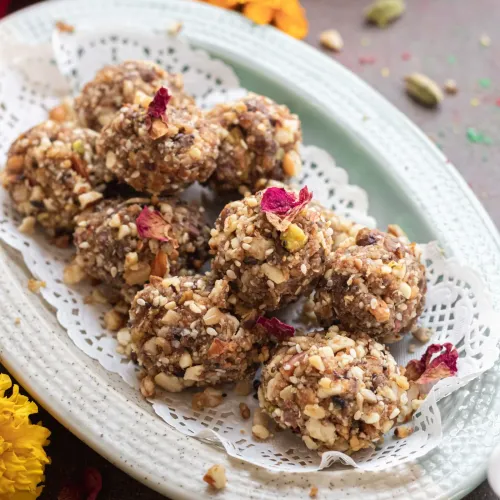
Laddoos have long been one of India’s most cherished traditional sweets, enjoyed during festivals, family celebrations, religious ceremonies, and even as an everyday homemade treat. From besan laddoos to motichoor and atta laddoos, these delicious desserts hold a special place in Indian kitchens across generations.
However, as awareness about healthy eating continues to grow, many people are becoming increasingly conscious of their sugar intake. Excessive consumption of refined sugar has been linked to obesity, diabetes, heart disease, and several other lifestyle-related health conditions. As a result, nutrition-conscious families are now looking for healthier alternatives that satisfy sweet cravings without compromising overall well-being.
One of the easiest ways to make laddoos healthier is by replacing refined sugar with natural sweeteners such as dates, ripe bananas, or dried fruits. Combined with nutrient-rich ingredients like ragi, makhana, oats, coconut, sesame, and moong dal, these laddoos become not only delicious but also rich in fiber, protein, vitamins, minerals, and healthy fats.
Table of Contents
Health experts emphasize that while sugar-free desserts can be a better alternative to traditional sweets, portion control and balanced nutrition remain equally important. Homemade laddoos prepared using wholesome ingredients can serve as an excellent snack option for children, working professionals, fitness enthusiasts, and even senior citizens when consumed in moderation.
Here are five healthy sugar-free laddoo recipes, their nutritional benefits, storage methods, and important tips for preparing them successfully at home.
Why Reducing Refined Sugar Matters
Refined sugar is widely consumed in desserts, beverages, bakery products, and packaged foods. While occasional consumption is generally acceptable for healthy individuals, excessive intake may increase the risk of several health problems.
According to nutrition experts, consuming large amounts of added sugar may contribute to:
- Weight gain
- Increased blood sugar levels
- Higher risk of type 2 diabetes
- Tooth decay
- Increased risk of cardiovascular disease
- Energy crashes
- Poor metabolic health
Natural sweeteners such as dates and bananas contain naturally occurring sugars along with fiber, vitamins, minerals, and antioxidants, making them a comparatively more nutritious alternative in many homemade recipes.
Why Homemade Sugar-Free Laddoos Are Becoming Popular
Unlike commercially available sweets that often contain refined sugar, preservatives, and artificial flavoring, homemade laddoos allow complete control over ingredients.
Some key advantages include:
- No refined sugar
- Rich in natural nutrients
- High fiber content
- Better satiety
- Easy to customize
- Suitable for festive occasions
- Convenient healthy snack option
Using wholesome grains, pulses, nuts, and seeds also increases the nutritional value of every serving.
1. Ragi Laddoo: A Calcium-Rich Traditional Superfood
Ragi, also known as finger millet, has gained popularity as one of India’s healthiest grains.
To prepare sugar-free ragi laddoos, lightly roast ragi flour in a small amount of ghee until aromatic. Add mashed seedless dates and a pinch of cardamom powder before shaping the mixture into small laddoos.
Nutritional Benefits
Ragi is naturally rich in:
- Calcium
- Iron
- Dietary fiber
- Protein
- Complex carbohydrates
Nutritionists often recommend ragi for children, women, and elderly individuals because of its calcium content, which supports bone health.
Its high fiber content also promotes better digestion and helps provide sustained energy.
2. Makhana Laddoo: Light, Crunchy and Protein-Rich
Makhana, or fox nuts, has become increasingly popular as a healthy snack.
To make laddoos, lightly roast the makhanas before grinding them into a fine powder. Mix them with mashed dates, grated dry coconut, and cardamom powder before shaping into laddoos.
Health Benefits
Makhana contains:
- Protein
- Calcium
- Magnesium
- Phosphorus
- Antioxidants
It is also naturally low in fat while being highly filling, making it a preferred snack among health-conscious individuals.
Many nutrition experts consider makhana an excellent alternative to processed snacks because of its nutrient density.
3. Oats and Banana Laddoo: A Fiber-Packed Energy Snack
Oats are widely regarded as one of the healthiest whole grains available today.
To prepare these laddoos, lightly roast oats and grind them into powder. Add mashed ripe bananas and grated coconut before shaping the mixture into small balls.
They can be refrigerated briefly to help them firm up.
Nutritional Highlights
Oats provide:
- Soluble fiber
- Beta-glucan
- Iron
- Magnesium
- Complex carbohydrates
Bananas contribute:
- Potassium
- Vitamin B6
- Natural sweetness
- Dietary fiber
Together, they create a naturally sweet snack without requiring refined sugar.
The combination may help provide sustained energy, making these laddoos suitable before workouts or as an evening snack.
4. Coconut and Date Laddoo: Naturally Sweet and Rich in Healthy Fats
This is among the simplest sugar-free laddoo recipes.
Blend fresh or dried coconut with seedless dates until the mixture binds together. Roll into bite-sized laddoos.
Nutritional Benefits
Coconut contains:
- Healthy fats
- Fiber
- Manganese
- Copper
Dates provide:
- Natural sugars
- Iron
- Potassium
- Antioxidants
The natural sweetness of dates eliminates the need for added sugar while also improving texture.
These laddoos are often served during festive seasons as a healthier dessert option.
5. Moong Dal Laddoo: Protein-Rich Traditional Nutrition
Moong dal has been valued in Indian cuisine for centuries due to its high nutritional value.
Roast moong dal until golden before grinding it finely. Add a small amount of ghee and mashed dates to prepare the mixture.
Shape into laddoos once the mixture cools slightly.
Health Benefits
Moong dal is an excellent source of:
- Plant protein
- Fiber
- Folate
- Magnesium
- Iron
Its protein content makes these laddoos particularly suitable for individuals seeking filling snacks between meals.
Why Dates Are an Excellent Sugar Alternative
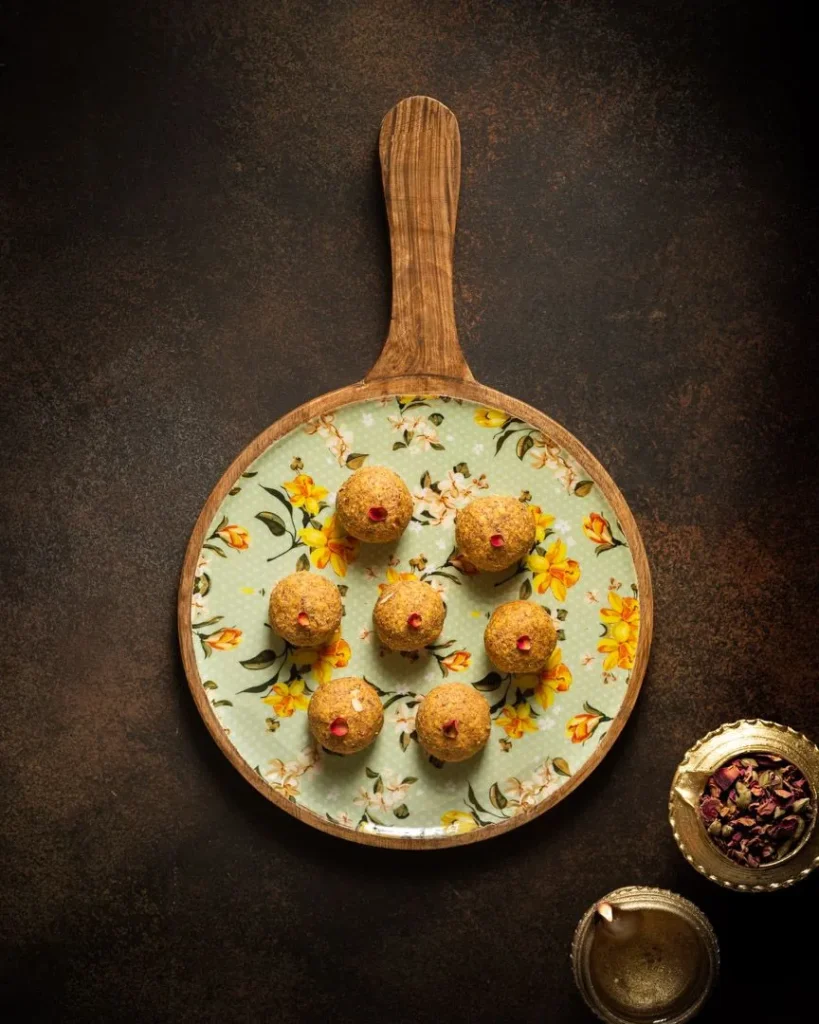
Dates are among the most commonly used natural sweeteners in homemade desserts.
Unlike refined sugar, dates also provide:
- Fiber
- Potassium
- Magnesium
- Iron
- Antioxidants
Their natural sweetness helps reduce the need for added sugars while contributing additional nutrients.
However, experts note that dates still contain natural sugars and should also be consumed in moderation.
Storage Tips for Sugar-Free Laddoos
Proper storage helps maintain freshness, flavor, and food safety.
Laddoos Containing Fresh Banana or Coconut
If fresh banana or coconut has been used:
- Store in an airtight container.
- Refrigerate immediately after cooling.
- Consume within 2 to 3 days.
These ingredients contain moisture, making them more perishable.
Dry Ingredient Laddoos
Laddoos prepared using:
- Ragi
- Makhana
- Moong dal
- Dry coconut
can generally be stored:
- In an airtight container
- Inside the refrigerator
- For approximately 5 to 7 days
Avoid exposing them to excessive humidity.
Important Hygiene Practices
Food safety is equally important while preparing homemade sweets.
Experts recommend:
- Wash hands thoroughly before preparation.
- Use fresh ingredients.
- Avoid wet utensils.
- Allow laddoos to cool completely before storage.
- Always use dry spoons while serving.
- Keep containers tightly sealed.
These practices help prevent spoilage and maintain freshness.
Choosing the Right Ingredients
The nutritional quality of laddoos depends largely on ingredient selection.
Experts advise choosing:
- Fresh dates
- Good-quality ragi flour
- Fresh makhana
- Whole oats
- Fresh coconut
- Good-quality ghee
- Ripe bananas
Avoid ingredients containing artificial preservatives whenever possible.
Portion Control Still Matters
Although these laddoos are healthier than traditional sugar-loaded sweets, moderation remains important.
Natural sweeteners like dates and bananas still contribute calories.
Nutritionists generally recommend enjoying one or two laddoos as part of a balanced diet rather than consuming them in large quantities.
People with diabetes or specific dietary restrictions should consult a healthcare professional or registered dietitian before making significant changes to their diet.
Suitable for Different Age Groups
One advantage of these homemade laddoos is their versatility.
They can be prepared for:
- School-going children
- College students
- Office workers
- Fitness enthusiasts
- Elderly family members
For children and senior citizens, the laddoos should be made softer by adjusting the texture and using ingredients that are easier to chew.
Healthy Snacking Made Simple
With growing awareness about nutrition, many families are replacing processed snacks with wholesome homemade alternatives.
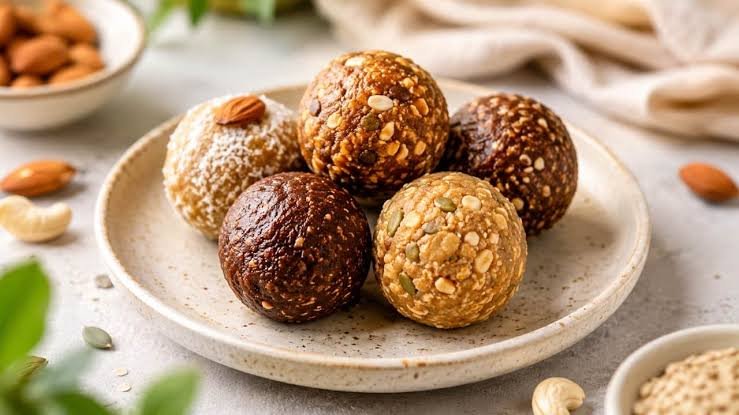
Sugar-free laddoos prepared using ingredients such as ragi, makhana, oats, coconut, dates, bananas, and moong dal offer a balanced combination of taste and nutrition while reducing dependence on refined sugar.
These recipes are easy to prepare, require minimal ingredients, and can be customized according to individual preferences. Whether served during festivals, packed in lunch boxes, enjoyed as an evening snack, or offered as a healthier dessert after meals, they provide a nourishing alternative to conventional sweets.
While no single food can guarantee perfect health, incorporating nutrient-rich homemade snacks into an overall balanced diet, along with regular physical activity and healthy lifestyle habits, can contribute positively to long-term well-being. By choosing natural ingredients, practicing proper portion control, and storing the laddoos correctly, families can enjoy these traditional treats without sacrificing either flavor or nutrition.