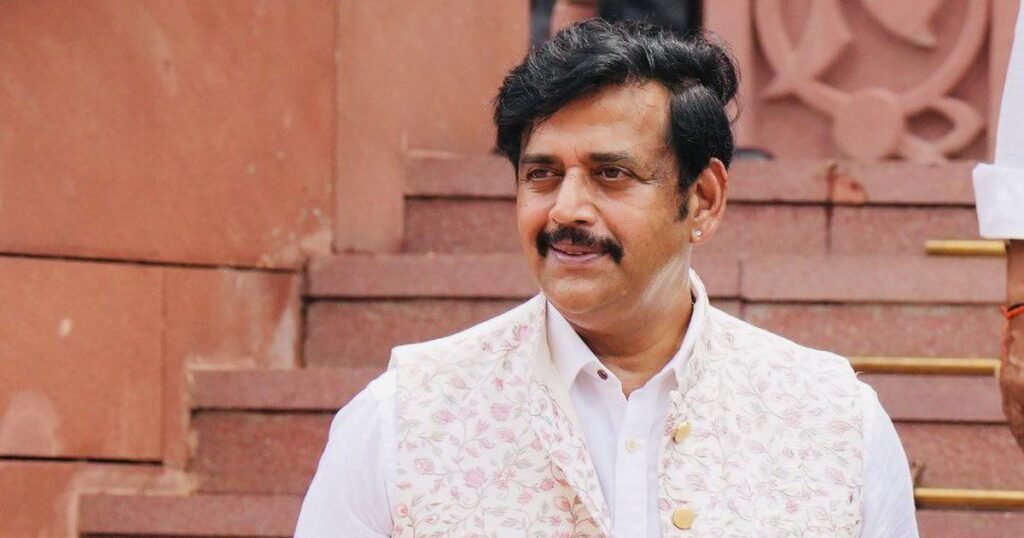
In a landmark order reinforcing the protection of individual dignity in the digital age, the Delhi High Court has granted interim relief to actor Ravi Kishan and Bharatiya Janata Party (BJP) Member of Parliament restraining the unauthorised use of his name, image, voice, likeness, and other personality attributes across digital and physical platforms.
The ruling, delivered on July 2 by Justice Jyoti Singh, specifically bans the creation, circulation, and monetisation of deepfakes and AI-generated content that misappropriates Ravi Kishan’s identity for commercial or personal gain. The order has been widely seen as a significant step in India’s evolving jurisprudence on personality rights, privacy, and the misuse of emerging technologies such as Artificial Intelligence (AI), Generative AI, Machine Learning, and deepfake tools.
Table of Contents
A Strong Judicial Stand on Personality Rights
The Delhi High Court passed an ex parte ad interim injunction after observing that Ravi Kishan had successfully established a prima facie case warranting immediate protection. The Court noted that the balance of convenience lay clearly in favour of the plaintiff and that failure to intervene at this stage would cause irreparable harm to his reputation, dignity, and commercial interests.
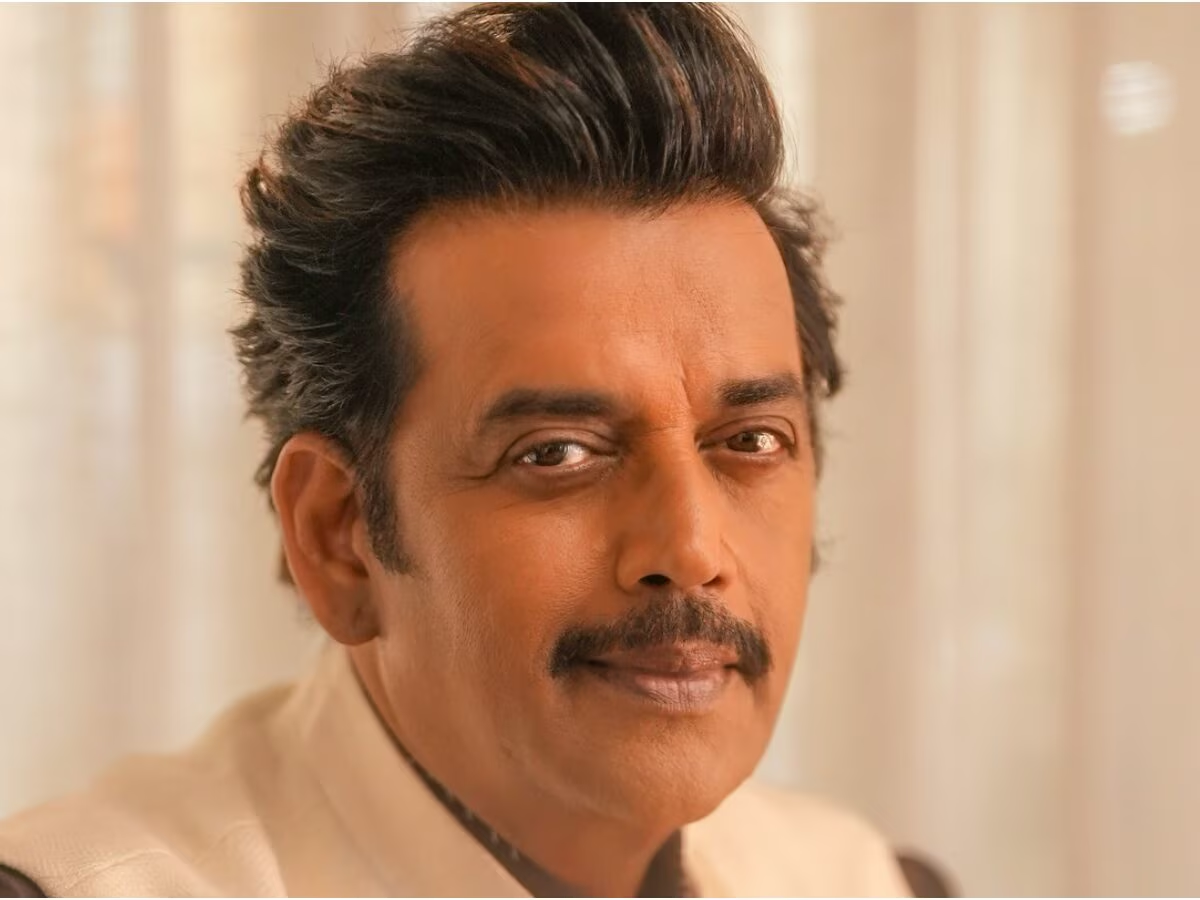
In its order, the Court reiterated a principle increasingly recognised by Indian courts: that the unauthorised exploitation of a public figure’s persona is not merely a commercial wrong but also a serious violation of the fundamental right to privacy and dignity. The judge relied on earlier judicial precedents which affirm that celebrities retain enforceable rights over their identity, irrespective of their public status.
Allegations of Widespread Digital Misuse
According to the pleadings placed before the Court, several unidentified entities and online actors had allegedly misused Ravi Kishan’s identity in deeply concerning ways. These included:
- Uploading obscene and pornographic content using his name in website URLs and page titles
- Circulating fabricated videos and reels on social media platforms
- Creating AI-generated videos and audio clips that mocked or distorted his speech, voice, and mannerisms
- Publishing false and misleading statements falsely attributed to him
- Broadcasting manipulated content that damaged his public image and personal dignity
The Court took serious note of the fact that such misuse was facilitated by rapidly advancing AI tools, making it easier to impersonate public figures with alarming realism and speed.
Explicit Ban on AI, Deepfakes, and Emerging Technologies
One of the most significant aspects of the order is its technology-neutral yet future-facing approach. The Court expressly restrained the defendants from misappropriating Ravi Kishan’s personality attributes through any technological means, including:
- Artificial Intelligence
- Generative AI systems
- Machine Learning tools
- Deepfake technologies
The prohibition applies across all mediums, including physical formats, digital platforms, websites, mobile applications, and social media networks. By doing so, the Court acknowledged that traditional legal frameworks must evolve to address new-age digital threats that transcend conventional boundaries.
Protection Extends to Name, Voice, and Persona
The interim injunction bars the use of both “Ravi Kishan” and his birth name “Ravindra Shukla”, along with his image, voice, likeness, persona, and any other identifiable personal attributes. The Court made it clear that any commercial or personal use of these attributes without consent would amount to unlawful misappropriation.
Importantly, the order also prohibits the publication, transmission, or circulation of vulgar, obscene, or sexually explicit content that uses any aspect of Ravi Kishan’s identity, recognising the profound reputational and psychological harm such content can cause.
Directions to Platforms and Domain Registrars
These directions aim to prevent further circulation of content misusing Ravi Kishan across digital platforms. To ensure effective enforcement, the Delhi High Court directed all concerned defendants and domain name registrars to take down the infringing URLs identified in the suit within three days. The Court further ruled that in the event of non-compliance, major technology platforms would be required to act swiftly.
Accordingly, leading digital intermediaries such as have been directed to disable access to the offending content within 72 hours of receiving formal intimation. This reflects the judiciary’s increasing insistence on platform accountability in cases involving clear violations of personality rights.
A Broader Message for the Digital Ecosystem
Legal experts believe the ruling sends a strong signal to both content creators and technology platforms that misuse of AI for impersonation and reputational harm will not be tolerated. While innovation in AI continues to accelerate, the Court underscored that technological progress cannot come at the cost of individual rights.
The judgment also aligns with global concerns surrounding deepfakes, misinformation, and identity theft, issues that have increasingly affected public figures, journalists, and private individuals alike. By granting swift interim relief, the Delhi High Court demonstrated judicial sensitivity to the speed and scale at which digital harm can spread.
Implications for Celebrities and Public Figures
For celebrities and public personalities, the order reinforces the legal recognition of personality rights as enforceable intellectual and privacy rights. It strengthens the legal remedies available to those whose identities are exploited without consent, particularly in an era where AI-generated content can blur the line between reality and fabrication.
The case also highlights the growing importance of proactive legal strategies to counter digital misuse, including monitoring online platforms and seeking timely judicial intervention.
The Delhi High Court’s interim injunction in favour of Ravi Kishan marks a crucial development in India’s legal response to AI-driven identity misuse. By explicitly banning deepfakes and unauthorised AI-generated content, the Court has set a strong precedent that balances technological innovation with constitutional values of dignity, privacy, and personal autonomy.
The ruling sets a strong precedent for protecting individuals like Ravi Kishan from AI-driven identity misuse. As digital technologies continue to evolve, this ruling is likely to serve as a reference point for future cases involving personality rights, platform responsibility, and the ethical limits of artificial intelligence in India’s rapidly transforming digital landscape.