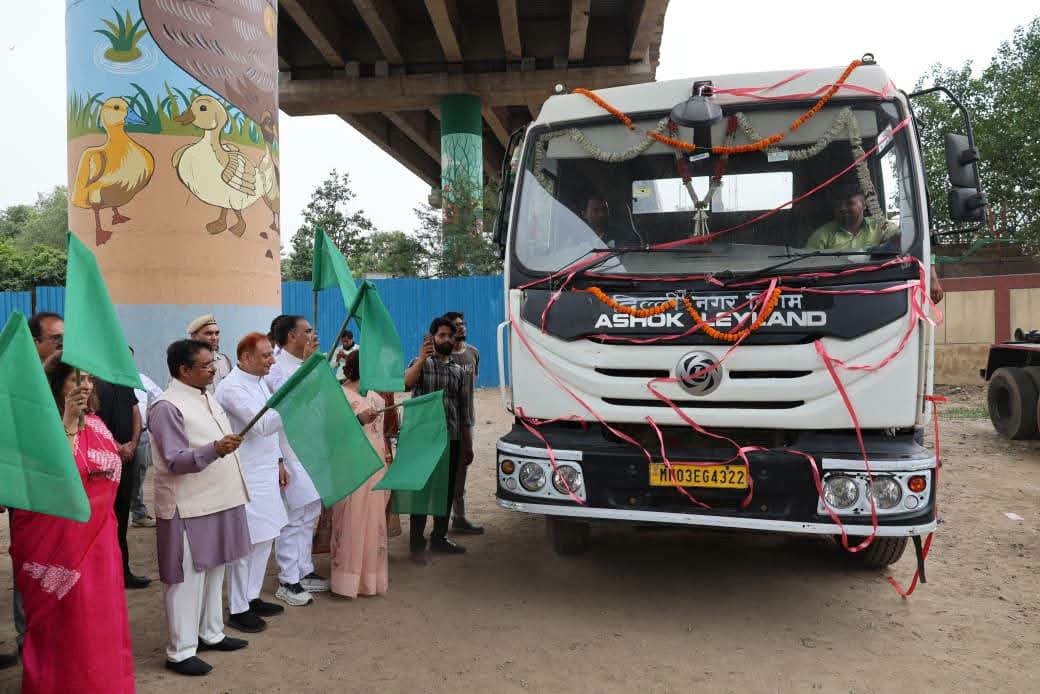
A major cleanliness boost has arrived for residents of Delhi’s Shahdara North Zone as the Municipal Corporation of Delhi (MCD) flagged off additional sanitation resources to improve waste collection and public hygiene. The initiative reflects the civic body’s ongoing efforts to modernize sanitation services and enhance the overall cleanliness of the national capital through better infrastructure, improved operational efficiency, and active public participation.
The newly deployed sanitation resources are expected to make garbage collection faster, reduce delays in waste disposal, and improve the quality of civic services across residential and commercial areas. With rapid urbanization and increasing waste generation, the latest cleanliness boost is being viewed as an important step toward creating a healthier and more sustainable urban environment.
Table of Contents
Additional Resources Mark a Significant Cleanliness Boost
The flag-off ceremony was attended by Delhi BJP President Harsh Malhotra as the Chief Guest. He was accompanied by Mayor Pravesh Wahi, Deputy Mayor Monica Pant, Municipal Commissioner Sanjeev Khirwar, Standing Committee Chairperson Satya Sharma, senior municipal officials, and several public representatives.
The launch of these additional sanitation resources represents more than just the addition of new vehicles or equipment. It highlights a broader administrative effort to improve civic infrastructure and strengthen municipal services in one of Delhi’s densely populated regions.
Officials stated that the cleanliness boost aims to ensure that sanitation workers have better resources to perform their duties efficiently while reducing the burden on the existing waste management system.
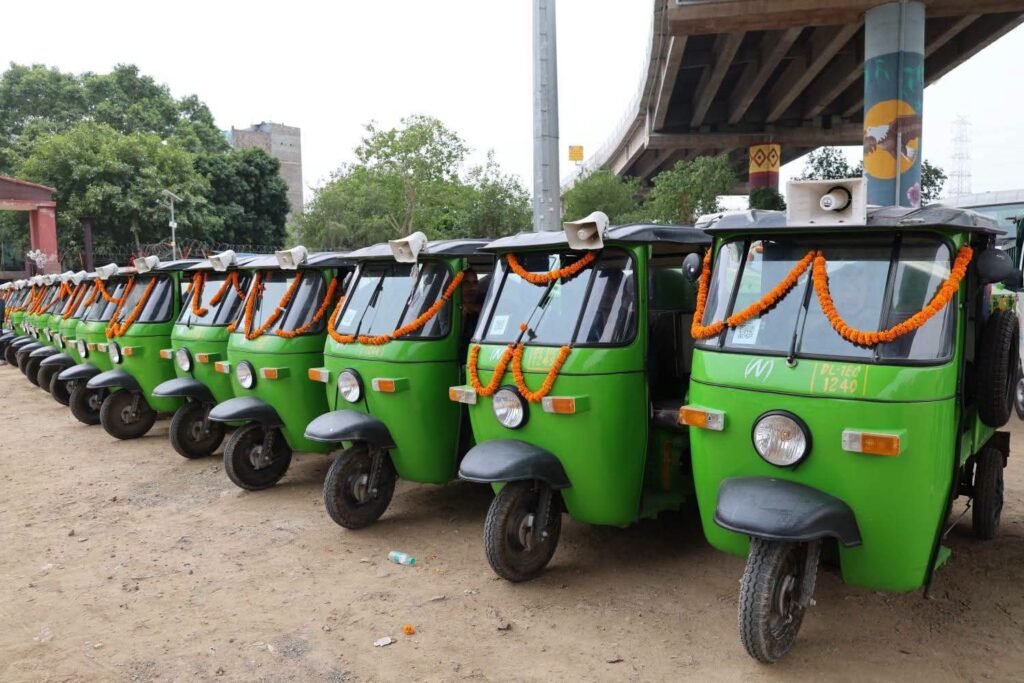
Why Shahdara North Zone Needed a Cleanliness Boost
Shahdara North Zone is home to thousands of households, busy markets, educational institutions, healthcare facilities, and commercial establishments. Such high population density naturally leads to large volumes of municipal solid waste every day.
Urban local bodies often face several challenges, including:
- Rising daily waste generation.
- Traffic congestion delaying garbage collection.
- Limited operational resources.
- Seasonal increases in waste during festivals.
- Growing public expectations for cleaner neighborhoods.
The latest cleanliness boost addresses these challenges by expanding the available sanitation fleet and strengthening waste collection operations.
Experts believe that timely collection is one of the most important elements of successful municipal sanitation. When garbage remains unattended for extended periods, it can lead to unpleasant odors, pest infestations, blocked drains, and public health concerns.
Modern Equipment to Improve Daily Operations
Municipal officials emphasized that Delhi is continuously upgrading its sanitation infrastructure by introducing modern machinery and expanding operational capacity.
Although the civic body has not publicly disclosed the complete technical specifications of every deployed resource, sanitation upgrades typically include vehicles and equipment designed to:
- Improve door-to-door waste collection.
- Transport waste more efficiently.
- Reduce collection delays.
- Support mechanized cleaning.
- Improve operational coverage in densely populated neighborhoods.
A cleanliness boost of this nature also allows sanitation teams to maintain more consistent schedules, particularly in areas where waste generation is high throughout the day.
Modern equipment reduces manual workload while enabling workers to complete cleaning operations more effectively.
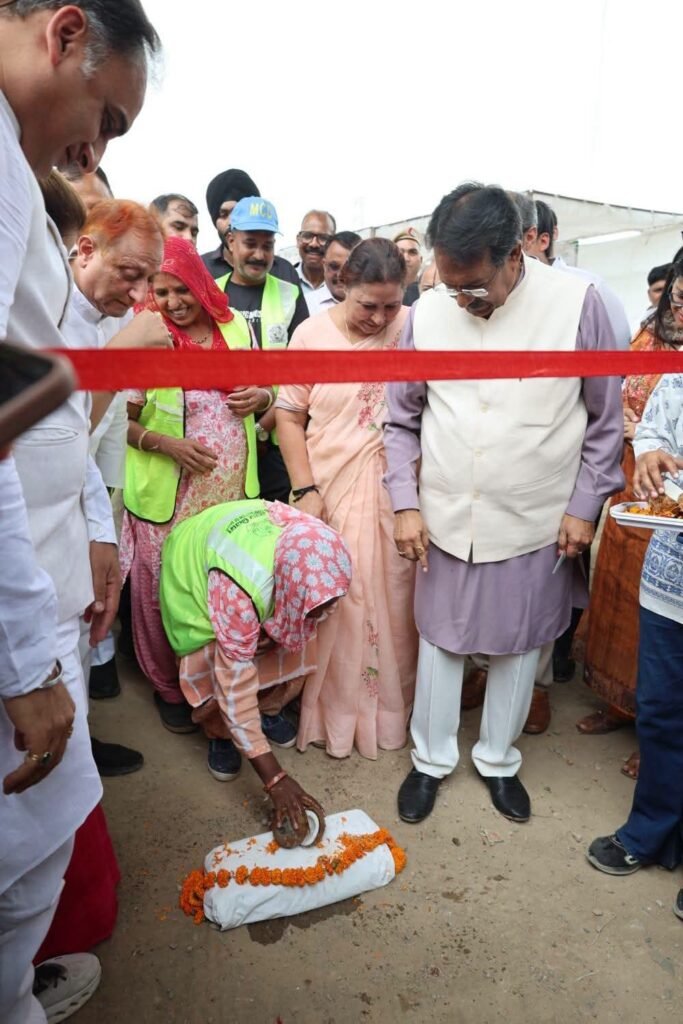
Improving Waste Collection Efficiency
One of the primary objectives behind the cleanliness boost is increasing the efficiency of waste collection.
In large metropolitan cities like Delhi, municipal waste management is a continuous operation requiring coordination between collection teams, transportation units, transfer stations, and disposal facilities.
Additional sanitation resources help by:
- Covering larger geographical areas.
- Reducing missed collection points.
- Increasing the number of collection trips.
- Shortening response times for complaints.
- Improving service reliability.
Residents benefit directly when waste is removed on schedule because cleaner streets contribute to better public health, safer neighborhoods, and improved quality of life.
Public Health Benefits of a Cleanliness Boost
Clean surroundings are closely linked with improved public health.
Poor waste management creates favorable conditions for mosquitoes, flies, rodents, and bacteria, increasing the risk of diseases. Overflowing garbage bins can also block drainage systems, especially during the monsoon season, resulting in waterlogging and additional sanitation challenges.
The cleanliness boost in Shahdara North Zone is expected to contribute to:
- Better neighborhood hygiene.
- Reduced environmental pollution.
- Lower risk of vector-borne diseases.
- Improved air quality around waste collection points.
- Cleaner public spaces.
Health experts have consistently pointed out that efficient municipal sanitation is one of the strongest preventive measures against many urban health concerns.
Focus on Cleaner Public Spaces
Residents often judge civic services by the condition of local roads, parks, markets, and residential colonies.
A successful cleanliness boost helps maintain these public spaces by ensuring waste does not accumulate for extended periods.
Cleaner surroundings also encourage responsible public behavior. Studies across various cities have shown that people are generally less likely to litter when public spaces are already clean and well-maintained.
This creates a positive cycle where improved civic services encourage better public participation.
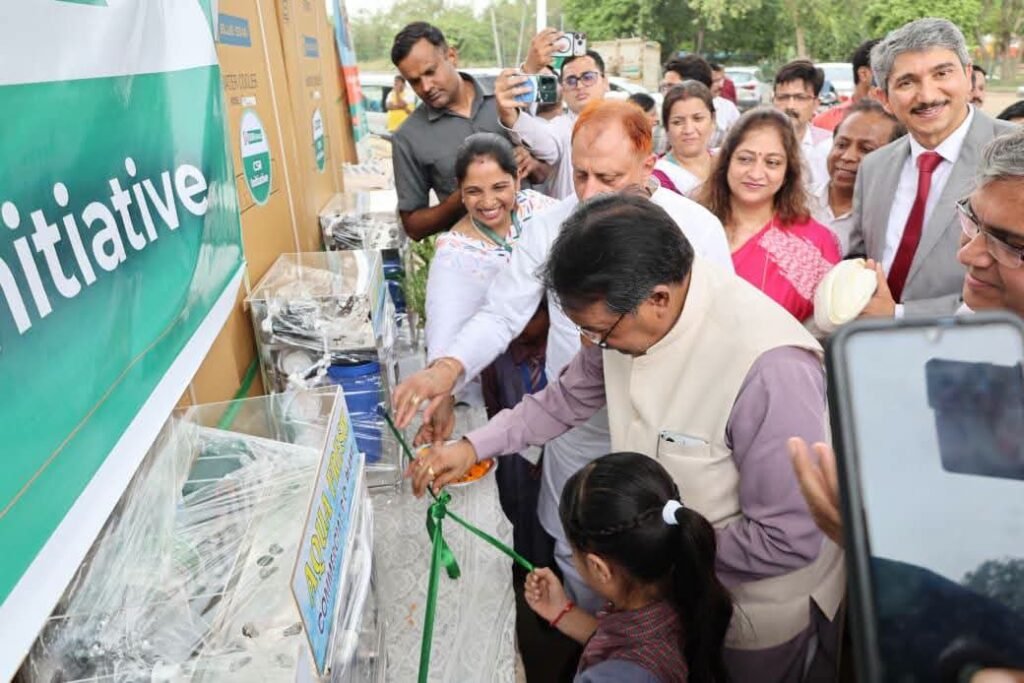
Municipal Corporation’s Ongoing Modernization
The Municipal Corporation of Delhi has repeatedly emphasized the importance of adopting modern technology to improve civic administration.
The latest cleanliness boost aligns with this approach by strengthening sanitation infrastructure through additional operational resources.
Municipal modernization today extends beyond simply purchasing new equipment. It includes:
- Better route planning.
- Efficient deployment of sanitation workers.
- Improved monitoring systems.
- Faster grievance resolution.
- Greater accountability.
Technology and improved logistics allow civic bodies to optimize available resources while delivering better services to citizens.
Leadership Highlights Importance of Public Participation
During the ceremony, speakers stressed that maintaining cleanliness cannot be achieved by government agencies alone.
They described sanitation as a shared responsibility that requires active participation from residents, market associations, schools, resident welfare associations, and local businesses.
The cleanliness boost will deliver its maximum impact only when citizens cooperate by:
- Segregating waste at the source.
- Avoiding littering.
- Using designated waste bins.
- Following municipal collection schedules.
- Reporting sanitation issues promptly.
Public cooperation significantly improves waste management efficiency while reducing operational costs for civic authorities.
Supporting Frontline Sanitation Workers
Behind every cleanliness boost are thousands of sanitation workers who perform physically demanding duties every day.
These frontline workers begin operations early each morning, collecting waste, cleaning roads, maintaining public spaces, and ensuring neighborhoods remain hygienic.
Additional sanitation resources can improve their working conditions by reducing manual effort and providing better operational support.
Improved equipment often allows sanitation teams to complete their tasks more safely and efficiently, enabling broader coverage without compromising service quality.
Their dedication remains one of the strongest pillars of Delhi’s sanitation system, and initiatives like this recognize the importance of equipping them with the resources needed to serve the public effectively.
Environmental Advantages
A cleanliness boost benefits not only residents but also the environment.
Efficient waste collection helps prevent garbage from entering drains, lakes, and open spaces where it can create long-term environmental damage.
Better waste transportation also reduces illegal dumping and improves the overall functioning of the city’s waste management chain.
As Delhi continues working toward cleaner urban infrastructure, stronger sanitation systems can contribute to broader environmental objectives, including improved waste processing and sustainable urban development.
Building Public Confidence
Visible improvements in sanitation often strengthen public confidence in civic institutions.
When residents regularly observe cleaner streets, timely garbage collection, and responsive municipal services, trust in local governance naturally increases.
The cleanliness boost in Shahdara North Zone demonstrates an effort to address everyday civic concerns through practical improvements rather than temporary measures.
For many citizens, reliable sanitation services are among the most visible indicators of effective urban governance.
A Model for Other Municipal Zones
Officials indicated that the initiative could serve as a model for other parts of Delhi.
Every municipal zone faces unique operational challenges based on population density, road networks, commercial activity, and waste generation patterns.
Successful implementation of the cleanliness boost in Shahdara North Zone may provide valuable operational insights for expanding similar initiatives elsewhere in the city.
Lessons learned regarding resource deployment, scheduling efficiency, and public engagement can help improve sanitation planning across multiple municipal areas.
Strengthening Delhi’s Vision for a Cleaner Capital
The latest cleanliness boost reflects Delhi’s continuing focus on improving civic infrastructure through practical investments in sanitation resources.
As the capital continues to expand, efficient waste management remains essential for protecting public health, supporting environmental sustainability, and improving residents’ daily quality of life.
The deployment of additional sanitation resources in Shahdara North Zone represents a proactive effort to strengthen municipal services where they matter most—at the neighborhood level. By combining modern equipment, better operational planning, and public participation, the Municipal Corporation of Delhi aims to create cleaner streets, healthier communities, and a more efficient sanitation system capable of meeting the needs of a growing urban population.