Opposition Intensifies Demand for Election Commission Chief’s Removal Over Alleged SIR Irregularities; Previous Notices Rejected and Another Motion Remains Pending in Rajya Sabha
Om Birla has said that any fresh motion seeking the removal of Chief Election Commissioner (CEC) Gyanesh Kumar will be examined in accordance with parliamentary rules and procedures, as opposition parties intensify their protests over alleged irregularities in the Special Intensive Revision (SIR) of electoral rolls. Birla made the statement on Thursday, October 22, while responding to a question about the possibility of another attempt by the opposition to initiate proceedings against the country’s top election official.
The remarks come amid growing political scrutiny of the Election Commission of India (ECI) and its handling of the electoral roll revision exercise. Opposition parties have been demanding Kumar’s removal, alleging irregularities in the SIR process. The dispute has also drawn attention to the procedures governing the removal of a Chief Election Commissioner and the role of Parliament in examining such motions.
According to the report published by The Times of India, the opposition has made two attempts to seek Kumar’s removal. Notices submitted during the first attempt were rejected by both the Lok Sabha and the Rajya Sabha, while notices submitted during the second attempt remain pending in the Upper House.
Birla’s statement indicates that any fresh notice will be considered through the established parliamentary framework rather than being acted upon automatically. The developments have placed the constitutional process for removing a Chief Election Commissioner at the centre of the ongoing political debate.
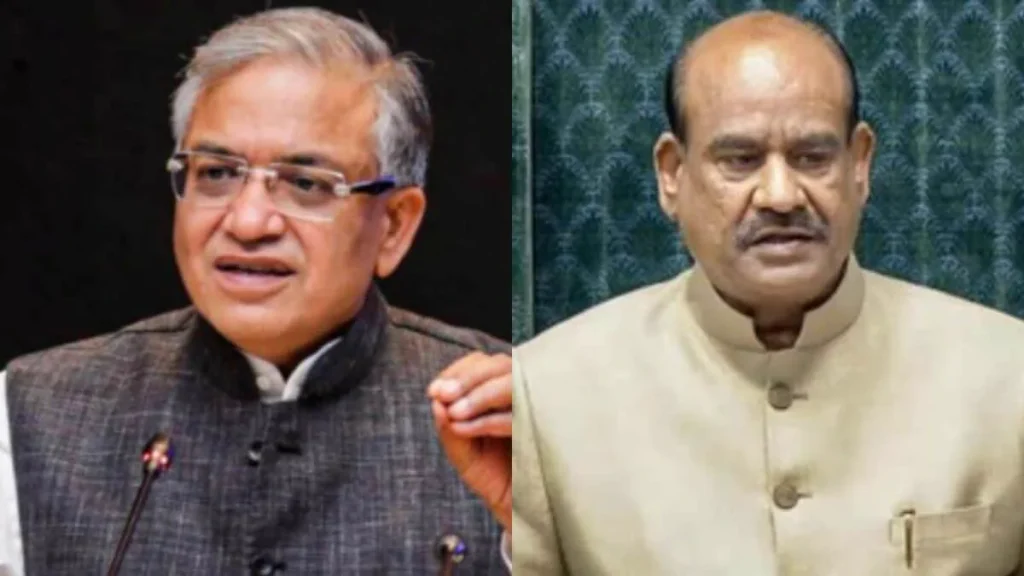
Table of Contents
Om Birla’s Statement on a Possible Fresh Motion
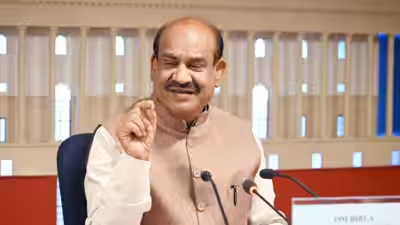
Responding to a question at a press conference on Thursday, Lok Sabha Speaker Om Birla said that any new notice seeking the removal of Gyanesh Kumar would be examined according to the applicable rules and procedures. Om Birla clarified that the parliamentary process would depend on the submission and examination of a fresh notice under the established framework.
“If any fresh notice comes, we will see and examine it accordingly under rules and procedures,” Birla said, as quoted in the report.
The statement comes as opposition parties continue to raise concerns about the Election Commission’s handling of the Special Intensive Revision (SIR) of electoral rolls. Their demands have included calls for Kumar to resign or face removal through the parliamentary process. Om Birla’s remarks have drawn attention to the procedural requirements that govern any such move.
Birla’s response did not indicate whether a fresh motion had already been submitted or whether Parliament had decided to initiate another round of proceedings. Instead, Om Birla outlined how the matter would be approached if a new notice were received.
The distinction is important because a demand for removal and a formal parliamentary motion are not the same thing. A political demand may lead to the submission of a notice, but the notice must be considered under the relevant procedural and constitutional requirements before the removal process can advance.
Om Birla’s statement therefore leaves the next step dependent on whether a fresh notice is submitted and how it is examined under the applicable rules.
Opposition’s Demand for Gyanesh Kumar’s Removal
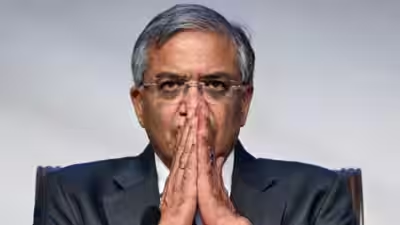
Opposition parties have intensified their campaign against Chief Election Commissioner Gyanesh Kumar over alleged irregularities in the Special Intensive Revision of electoral rolls.
The SIR exercise involves a revision of electoral rolls, making the Election Commission’s procedures and decisions a subject of public and political scrutiny. The opposition’s objections have focused on allegations concerning the manner in which the exercise has been conducted. Om Birla’s response has brought parliamentary procedure into focus amid the continuing political debate.
Over the past fortnight, protests demanding Kumar’s resignation or removal have reportedly gathered momentum. Opposition parties have questioned the Election Commission’s handling of the revision process and have sought accountability from its leadership.
The controversy has also raised broader questions about the functioning of the country’s election administration, the transparency of electoral roll revision and the mechanisms available to Parliament when concerns are raised about the conduct of a constitutional officeholder. Om Birla has said that any fresh notice would be examined according to the rules and procedures.
However, the allegations made by opposition parties remain allegations. Their existence does not, by itself, establish that the Chief Election Commissioner has committed any wrongdoing. Any formal proceedings would have to follow the applicable legal and constitutional framework, with the relevant claims examined through the prescribed process.
The latest developments demonstrate how disagreements over the administration of elections can develop into a wider institutional dispute involving political parties, the Election Commission and Parliament. Om Birla’s remarks address the procedural handling of a possible fresh notice rather than the merits of the allegations themselves.
Two Previous Attempts to Remove the Chief Election Commissioner
The current controversy follows two earlier attempts by opposition parties to initiate proceedings against Kumar.
According to the report, notices submitted during the first attempt were rejected by both the Lok Sabha and the Rajya Sabha. A second set of notices was subsequently submitted, but those notices remain pending in the Rajya Sabha.
The status of these attempts is significant because it shows that the opposition’s efforts have not yet resulted in the completion of a formal removal process. Om Birla’s latest comments concern the possible submission of another notice and do not announce a decision on the pending notices.
A notice seeking removal must be handled in accordance with the relevant parliamentary rules. Its submission does not automatically lead to an investigation or guarantee that the matter will be taken up for a final vote. The procedural stage reached by a notice determines what can happen next.
The pending notices in the Rajya Sabha and the possibility of another fresh motion therefore represent separate procedural developments. Om Birla said that if a new notice were received, it would be examined under the applicable rules and procedures.
The future course of the matter will depend on the relevant parliamentary authorities and the requirements governing the admissibility and consideration of any notice. Om Birla’s statement leaves open the possibility of a fresh notice being examined, without confirming that one has been submitted.
Report Raises Questions About Internal Objections Over SIR Decisions
The protests against Kumar gained further momentum after a report by The Indian Express highlighted objections reportedly recorded by two Election Commissioners over decisions and orders related to the SIR exercise.
According to the report cited by The Times of India, Election Commissioners Sukhbir Singh Sandhu and Vivek Joshi had recorded objections at least 14 times over the preceding 10 months to decisions and orders connected with the revision of electoral rolls. The objections reportedly concerned decisions that were allegedly issued without their knowledge or recommendation.
The report added a new dimension to the controversy because the concerns were described as having been raised by other members of the Election Commission itself. The developments have also kept attention on Om Birla’s statement regarding the parliamentary procedure for a possible fresh motion.
The Election Commission is responsible for administering electoral processes, and the decisions made during electoral roll revision can affect how voter information is reviewed and maintained. Questions about internal procedures, communication and the decision-making process can therefore attract attention from political parties and the public.
However, the reported objections should be understood in their proper context. The available report describes objections recorded by the two commissioners concerning SIR-related decisions and orders. It does not, by itself, establish that all the decisions in question were unlawful or that the allegations against Kumar have been proved.
The significance of the report lies in the additional scrutiny it has brought to the internal handling of the revision exercise and the opposition’s demands for accountability. Meanwhile, Om Birla’s position remains that any fresh notice seeking Kumar’s removal would be examined in accordance with the applicable parliamentary rules and procedures.
Constitutional Process Governs Removal of the CEC
The removal of a Chief Election Commissioner is governed by a constitutional process. According to the report, the CEC can be removed only through a parliamentary procedure similar to the process prescribed for removing a Supreme Court judge.
This framework distinguishes the removal of the Chief Election Commissioner from an ordinary administrative decision. The office is subject to specific constitutional safeguards, and removal requires the prescribed parliamentary process rather than a simple declaration or demand by political parties.
The Chief Election Commissioner and Other Election Commissioners (Appointment, Conditions of Service and Term of Office) Act, 2023, also provides for the CEC or an Election Commissioner to resign by submitting a written resignation to the President.
The distinction between resignation and removal is important. Resignation involves the officeholder voluntarily submitting a written resignation to the President, whereas removal requires the formal procedure prescribed by the Constitution and the relevant law.
In Kumar’s case, the opposition has demanded his removal over the alleged handling of the SIR exercise. The current developments concern attempts to pursue that demand through Parliament.
The existence of a constitutional removal mechanism ensures that such a process is governed by defined requirements. It also means that a political demand, even when accompanied by formal notices, does not automatically remove an officeholder from the position.
How the Parliamentary Removal Procedure Works
The removal process described in the report is governed by constitutional provisions and the Judges (Inquiry) Act, 1968.
Once a removal motion is admitted in either House of Parliament, the Speaker of the Lok Sabha or the Chairman of the Rajya Sabha constitutes a three-member committee to investigate the charges.
According to the report, the committee comprises:
- The Chief Justice of India or a Supreme Court judge.
- The Chief Justice of a High Court.
- A distinguished jurist.
The committee examines the charges raised in the motion. Its findings determine whether the process can proceed to the next stage.
If the committee finds that the charges are not substantiated, no further action is taken under the process described in the report. If it finds the allegations proved, the motion is taken up for consideration in Parliament.
This investigative stage is central to the procedure because it provides a formal mechanism for examining the allegations rather than treating them as established facts merely because a motion has been submitted.
The process also establishes a distinction between admitting a motion, investigating its charges and securing parliamentary approval for removal. Each stage has its own requirements, and completing one stage does not automatically guarantee the outcome of the next.
In the present controversy, the earlier notices and the pending notices in the Rajya Sabha must be considered in light of these procedural requirements.
Removal Requires Special Majority in Both Houses
Even if a removal motion advances beyond the investigative stage, it must meet a demanding parliamentary voting requirement.
According to the report, removal requires each House of Parliament to pass an address supported by both a majority of its total membership and a two-thirds majority of members present and voting. The required approvals must be obtained in the same session.
These requirements mean that the motion must secure the prescribed support separately in both the Lok Sabha and the Rajya Sabha. A majority in only one House would not be sufficient to complete the process.
The voting threshold is an important feature of the constitutional framework because it places removal decisions within a formal parliamentary procedure involving both Houses.
For the opposition’s efforts against Kumar, this means that the submission of a notice is only one part of a much longer process. The motion would need to pass through the prescribed procedural and investigative stages before Parliament could consider the final question of removal.
The requirements also explain why the Speaker’s statement focused on examining any fresh notice according to rules and procedures. The admissibility and handling of a notice are governed by the formal process, not simply by the political intensity surrounding the issue.
Election Commission’s Role Under Renewed Scrutiny
The dispute has renewed attention on the Election Commission’s handling of electoral roll revision and the institutional procedures followed in reaching decisions.
Electoral rolls are a fundamental component of the election process because they determine the records used to establish voter eligibility. Revision exercises consequently attract scrutiny from political parties, voters and other stakeholders, particularly when questions are raised about how decisions are made or implemented.
The opposition’s concerns over the SIR exercise have become a central issue in the current dispute. The reported objections by Election Commissioners Sukhbir Singh Sandhu and Vivek Joshi have added to the questions being raised about internal decision-making and the communication surrounding certain orders.
At the same time, the controversy involves distinct questions that should not be conflated: whether irregularities occurred during the SIR exercise, whether the reported internal objections indicate procedural concerns, and whether the allegations meet the requirements for initiating and completing a constitutional removal process.
Each question requires consideration on its own terms. Political allegations and reports about internal disagreements may prompt scrutiny, but a formal finding of wrongdoing would require an appropriate evidentiary and procedural basis.
The parliamentary process provides the framework within which a removal motion, if admitted, would be examined.
What Happens Next in the CEC Impeachment Controversy?
The immediate question is whether opposition parties will submit another notice seeking Kumar’s removal and, if they do, how the relevant parliamentary authority will examine it.
The notices submitted during the first attempt have already been rejected by both Houses, while those submitted during the second attempt remain pending in the Rajya Sabha, according to the report. Birla’s latest statement indicates that any new notice would be examined under the applicable rules and procedures.
No fresh removal motion or decision to initiate a new process was announced in the Speaker’s quoted remarks. His statement was conditional on the submission of a fresh notice.
The wider controversy is likely to remain focused on the opposition’s allegations concerning the SIR exercise, the reported objections by two Election Commissioners and the constitutional safeguards governing the removal of the CEC.
Ultimately, the next steps will depend on the formal parliamentary process and the admissibility of any fresh notice. Any attempt to remove Kumar would have to meet the requirements prescribed by the Constitution and the relevant law.
For now, Om Birla’s statement clarifies the procedural position: a fresh motion, if submitted, will be examined according to the rules. The opposition’s demands and the scrutiny surrounding the Election Commission remain ongoing, but the question of removal has yet to be resolved through the constitutional process.