Complaints transferred to Delhi Police Crime Branch for a “fair and impartial” enquiry; Press Council of India expresses concern over treatment of journalists
Protest in New Delhi: Three women journalists have alleged that they were sexually harassed and manhandled by Delhi Police personnel while covering a demonstration at Jantar Mantar on October 3, prompting the Delhi Police to transfer their complaints to the Crime Branch for a “fair and impartial” enquiry. The allegations were made during demonstrations demanding the resignation of Chief Election Commissioner Gyanesh Kumar.
One of the journalists alleged that an assistant commissioner of police (ACP) sexually assaulted her while she was recording police action during the protest. She alleged that the officer touched her inappropriately and pushed her away while she was carrying out her journalistic duties.
The allegations have triggered questions over the treatment of journalists covering protests and the conditions under which media personnel are able to report from contentious public demonstrations. The Press Council of India has also expressed “shock and dismay” over the reported treatment of journalists and called for immediate action on the complaint.
The Delhi Police has said that the complaints made by the three journalists have been transferred to the Crime Branch for an impartial investigation. Officials have indicated that statements are being recorded and CCTV footage and other available evidence are being examined.
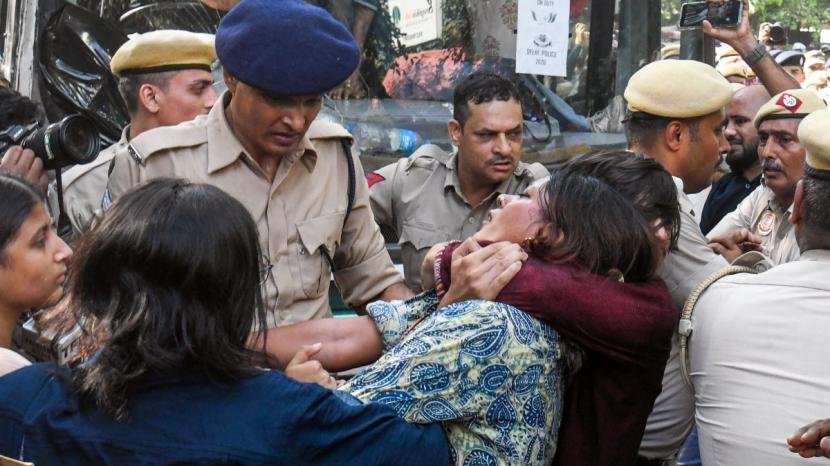
Table of Contents
Journalists Allege Misconduct While Covering Protest
The allegations emerged after a protest at Jantar Mantar over demands for the resignation of Chief Election Commissioner Gyanesh Kumar. The demonstration was part of a wider series of protests and political activity surrounding allegations related to the Special Intensive Revision (SIR) of electoral rolls.
According to reports, the three women journalists said they were present at the protest in their professional capacity when they encountered police action. One journalist alleged that an ACP touched her inappropriately and pushed her while she was attempting to record what was happening around her.
Another journalist reportedly alleged inappropriate behaviour by a police officer while she was covering the detention of protesters. The complaints have been treated as allegations pending investigation, and no finding of guilt has been established against the accused officers.
The Delhi Police has said that the complaints will be examined by the Crime Branch rather than being handled by the local police unit. The move is intended to ensure a “fair and impartial” enquiry, according to the police.
The investigation is expected to include statements from the complainants and other people who may have witnessed the incidents. CCTV footage from the relevant areas is also being examined, while authorities have sought any additional video evidence that could help establish what occurred during the protest.
Complaint Registration Became a Point of Dispute
The journalists have also raised concerns about the initial response after they approached the police. One of the women said that she and others went to a police station to lodge a complaint but alleged that it was not registered immediately.
The issue subsequently became a major point of contention among journalists, activists and protesters, who demanded that a formal case be registered and that the alleged conduct of the police personnel be investigated.
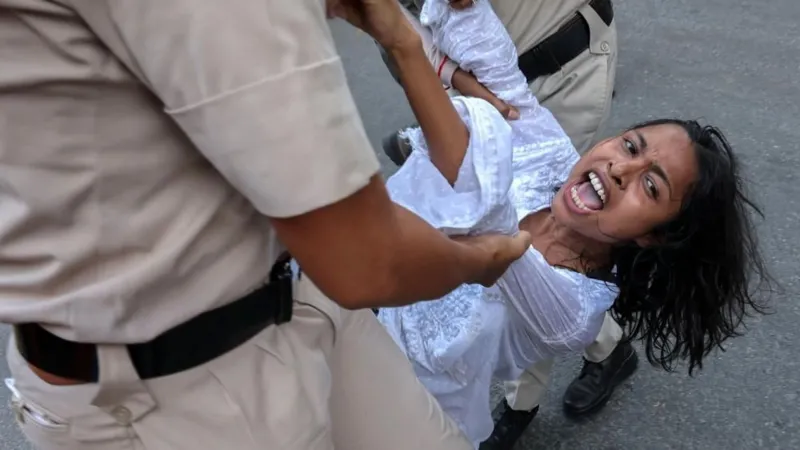
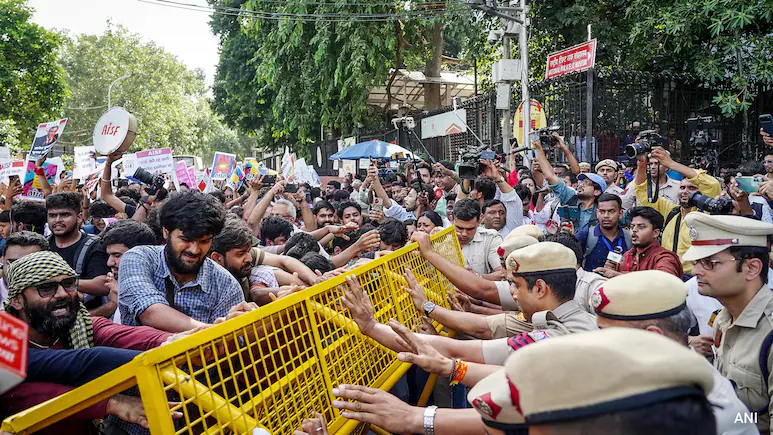
On Monday, people protesting outside the Parliament Street police station over the allegations were detained. The protesters were demanding action against the police personnel accused by the journalists and sought progress in the complaints. Around 17 people, including journalists and one of the alleged victims, were detained after they had gathered outside the police station.
Police officials, meanwhile, said restrictions on public gatherings were in force in the area and that those gathered had been warned to disperse. The authorities maintained that police action during the broader protests was carried out in accordance with applicable restrictions.
Crime Branch Takes Over Investigation
The transfer of the complaints to the Crime Branch is now a key development in the case.
The Delhi Police has confirmed that it received complaints from all three journalists and subsequently transferred them for investigation. The Crime Branch is expected to examine the allegations independently, record statements and assess available evidence, including CCTV footage.
The investigation will be important in determining the sequence of events and establishing what happened during the confrontation between police personnel, protesters and journalists.
The police have also maintained that the protests themselves took place amid restrictions on public gatherings. According to police officials, demonstrators had been asked to leave the area when the situation escalated. The authorities have cited restrictions under Section 163 of the Bharatiya Nagarik Suraksha Sanhita (BNSS) in relation to gatherings in the area.
The presence of restrictions, however, does not by itself determine the validity of the journalists’ allegations. Those allegations remain a separate matter for investigation.
Press Council of India Raises Media Freedom Concerns
The allegations have also drawn a response from the Press Council of India, which expressed concern over the reported treatment of journalists.
The Press Council said it was shocked and dismayed by the allegations and stressed that journalists must be able to perform their professional duties without fear or intimidation.
The council argued that journalists covering protests should be given sufficient space to document events and report on public gatherings. It also urged the Delhi Police to act on the complaint made by the female journalist and ensure that media personnel are able to work without facing aggression or threats.
The response has placed the incident in the broader context of press freedom and the role of journalists during public demonstrations.
For journalists, protest sites can be particularly challenging environments because police personnel are often attempting to manage crowds while reporters are trying to remain close enough to document developments. Maintaining a clear distinction between legitimate crowd-control measures and conduct directed against journalists is therefore important for both public accountability and media freedom.
Rahul Gandhi Demands Answers From Amit Shah
The controversy also drew a political response from Congress leader and Leader of Opposition in the Lok Sabha Rahul Gandhi.
Gandhi demanded answers from Union Home Minister Amit Shah over the allegations, pointing out that the Delhi Police comes under the Ministry of Home Affairs.
In a post on X, Gandhi referred to the complaint made by a female journalist and questioned why an FIR had not been registered immediately. He also alleged that journalists had their cameras taken away and were dragged during the wider protest-related action.
Gandhi further referred to allegations of misconduct involving women protesters and said the issue required accountability from the authorities.
His comments are political allegations and demands for action rather than findings regarding the conduct of the police officers accused in the journalists’ complaints. The underlying allegations remain subject to the Crime Branch investigation.
Protests Over Chief Election Commissioner Gyanesh Kumar
The incident took place against the backdrop of protests demanding the resignation of Chief Election Commissioner Gyanesh Kumar.
The demonstrations have been linked to opposition and activist concerns surrounding the Election Commission’s Special Intensive Revision of electoral rolls. Critics have raised allegations regarding the revision process and voter rolls, while the Election Commission has defended the exercise as part of the process of maintaining electoral rolls.
The protests in Delhi have resulted in detentions and confrontations between demonstrators and police. On October 3, more than 150 people were detained in connection with attempts to return to Jantar Mantar amid restrictions on gatherings, according to reports.
The broader protests have involved political leaders, activists, student groups and journalists. As demonstrations continued, the allegations made by the three women journalists added a separate dimension to the confrontation, shifting attention towards the conduct of police personnel and the protection available to media workers covering protests.
Why the Investigation Matters
The Crime Branch investigation is expected to establish the facts surrounding the allegations and determine whether any police personnel engaged in unlawful conduct.
The availability of CCTV footage, videos recorded by journalists and protesters, eyewitness accounts and the statements of the complainants could be significant in reconstructing the sequence of events.
At the same time, the investigation must distinguish between allegations and established facts. The complaints made by the journalists are serious, but the accused officers have not been found guilty through the investigation or any judicial process.
The case also raises a wider question about how journalists should be treated while covering demonstrations. Reporters frequently work in crowded and rapidly changing environments where police operations and public protests overlap. Ensuring that journalists can document events safely is an important part of maintaining transparency around public demonstrations.
For the journalists involved, the immediate issue is whether their complaints will be investigated promptly and impartially. For the police, the investigation provides an opportunity to establish the facts and address any wrongdoing if the allegations are substantiated.
Investigation Underway
The Delhi Police’s decision to transfer the complaints to the Crime Branch marks the next stage of the case. Statements from the complainants and other individuals are being examined, while CCTV footage and other available material are being assessed.
The allegations have already generated concern among journalists, press bodies, activists and political leaders. The Press Council of India has called for action, while protesters have demanded an FIR and greater transparency.
As the investigation progresses, the findings of the Crime Branch will be crucial in determining what happened during the October 3 protest and whether the allegations against the police personnel are supported by evidence.
Until the enquiry is completed, the allegations remain allegations. However, the controversy has put renewed focus on the need for journalists covering protests to be able to carry out their work without intimidation, while also ensuring that police personnel are able to maintain public order within the framework of the law.