

Indian Railways is set to undertake a major technological upgrade of its Passenger Reservation System (PRS) in August, replacing the nearly four-decade-old system with an advanced platform designed to meet growing passenger and digital ticketing demands.
The decision marks a significant step in the modernisation of railway passenger services. The existing reservation system, introduced in 1986, has undergone several changes over the past 40 years. However, the Railway Ministry has now undertaken a comprehensive transformation using modern technology to expand capacity and improve its ability to handle the rapidly increasing volume of passenger transactions.
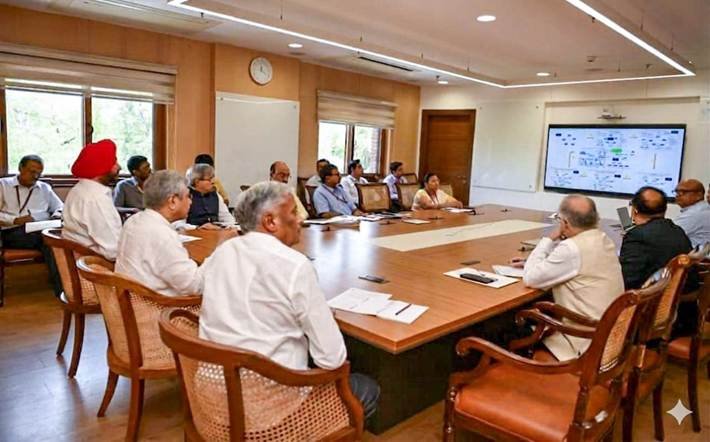
Railway Minister Ashwini Vaishnaw reviewed preparations for the transition during a meeting with senior officials at Rail Bhavan on May 7, 2026. During the meeting, the minister instructed officials to ensure that passengers face no inconvenience while trains are shifted to the upgraded system.
The meeting was also attended by Minister of State for Railways V. Somanna and Ravneet Singh Bittu.
40-Year-Old Passenger Reservation System Set for Major Upgrade
The Passenger Reservation System has been an integral part of Indian Railways’ ticketing infrastructure since its introduction in 1986. Over the years, the system has been modified to accommodate technological developments and changing passenger requirements.
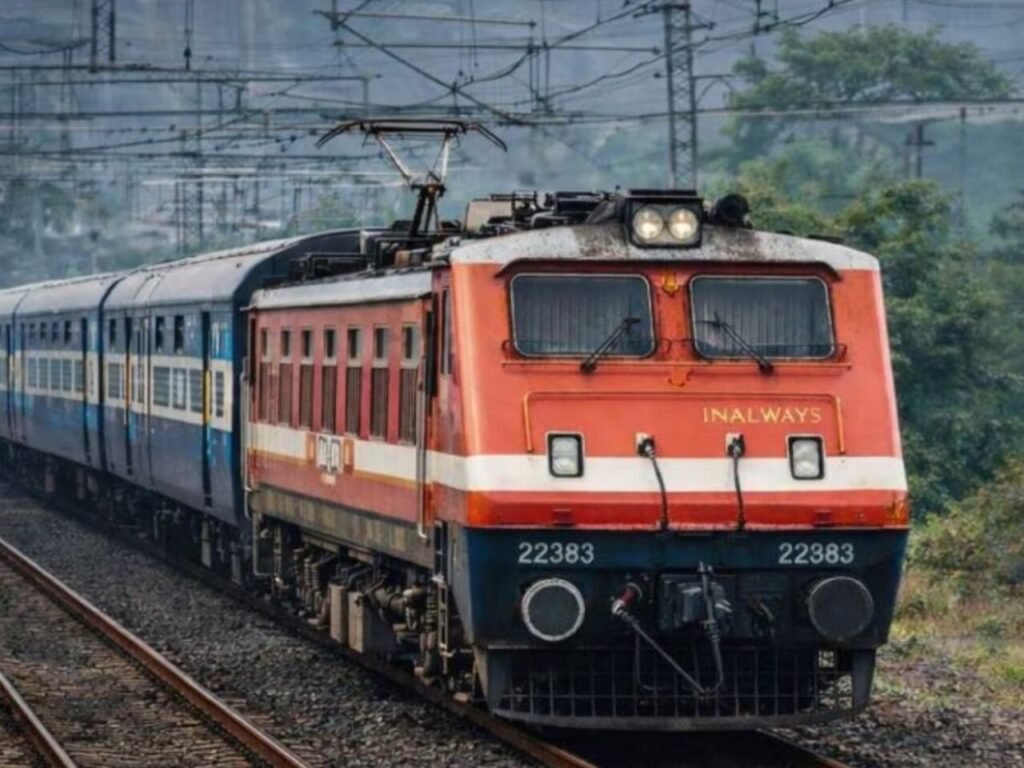 However, the rapid expansion of online ticketing, rising passenger demand and increasing dependence on digital railway services have created the need for a much more capable reservation infrastructure.
The latest upgrade is therefore being positioned as a fundamental transformation rather than another incremental modification. The new system uses advanced technology and has been designed with significantly enhanced capacity.
The upgrade is expected to support the growing volume of transactions generated by India’s increasingly digital railway passengers while providing a stronger technological foundation for future passenger services.
Trains to Shift to the Upgraded System in August
One of the most important stages of the modernisation programme will be the shifting of trains to the upgraded reservation system in August.
The transition is expected to be carried out with particular attention to passenger convenience. Railway Minister Ashwini Vaishnaw has specifically directed officials to ensure that passengers do not face difficulties during the shifting process.
This is particularly important because a large proportion of railway ticketing activity now takes place through digital platforms. Any disruption during the transition could potentially affect passengers booking tickets, checking reservation status, cancelling tickets or seeking refunds.
Railway officials have therefore been asked to ensure adequate preparations and smooth coordination while moving train services to the new system.
From Railway Ticket Counters to Digital Booking
Indian Railways has witnessed a dramatic transformation in the way passengers book tickets.
A major milestone came in 2002, when internet-based ticketing was introduced. Since then, online ticket booking has grown rapidly, fundamentally changing the passenger experience.
Today, approximately 88% of the country’s total ticketing demand is handled through online channels. The figure demonstrates the extent to which passengers have moved away from traditional ticket counters towards digital platforms.
The growth of online ticketing has also increased the importance of having a reservation system capable of handling large volumes of transactions quickly and reliably.
The upcoming upgrade is intended to provide the technological capacity needed to support this continuing shift towards digital railway services.
RailOne App Gains Rapid Popularity
Another major development in Indian Railways’ digital transformation has been the launch of the RailOne mobile application.
The RailOne app was launched in July 2025 and has rapidly gained popularity among passengers. In less than a year, it has recorded around 3.5 crore downloads, reflecting strong adoption of the platform across the country.
The popularity of RailOne is partly attributed to the wide range of railway services integrated into the application. Rather than functioning solely as a ticket-booking platform, the app brings several passenger services together in one place.
Passengers can use RailOne for ticketing, travel information, complaints and other railway-related services.
RailOne Offers Multiple Ticketing Services
One of the key features of RailOne is its integrated ticketing system.
Passengers can use the application to book different types of tickets, including:
- Reserved tickets
- Unreserved tickets
- Platform tickets
The app also provides options for ticket cancellation and refunds, allowing passengers to manage their bookings digitally.
In addition, users can check the latest status of their existing tickets and obtain information relevant to their upcoming journeys.
This integration is intended to reduce the need for passengers to use multiple platforms for different railway services.
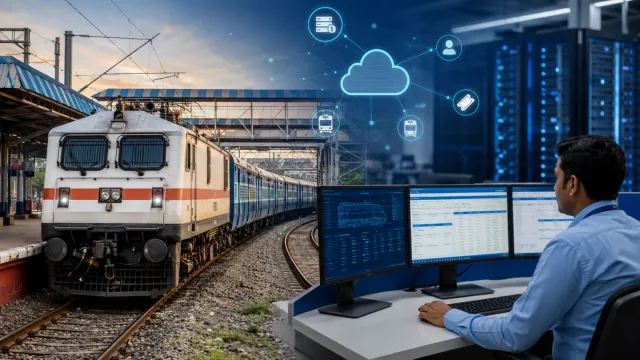 AI Helps Passengers Estimate Waiting List Confirmation
Among RailOne’s newer features is an Artificial Intelligence-based prediction system that estimates the likelihood of a waiting-list ticket being confirmed.
For passengers travelling on busy routes, waiting-list status can make travel planning difficult. The AI-based feature attempts to provide passengers with a clearer indication of the probability that their ticket will be confirmed.
According to the information provided by the Railway Ministry, the accuracy of the waiting-list confirmation prediction has improved significantly. The accuracy has increased from around 53% earlier to approximately 94%.
The feature was introduced at the beginning of 2026 and has reportedly received a positive response from users.
By providing an estimated confirmation probability, the system can help passengers make better-informed decisions about their travel plans.
Train Tracking and Platform Information on One App
RailOne also provides passengers with a range of real-time travel information.
Users can access details such as:
- Current train status
- Train arrival and departure information
- Platform details
- Coach information
- Ticket waiting status
- Other journey-related updates
The integration of these services can make the travel experience more convenient, particularly for passengers who depend on smartphones for information while travelling.
The app also incorporates Rail Madad, providing passengers with a digital channel for registering and addressing railway-related complaints.
Passengers Can Order Food Through RailOne
RailOne also extends beyond ticketing and travel information by offering passengers the option to order food during their journey.
The application allows passengers to select food and have it delivered to their seats, adding another convenience to the digital railway experience.
The integration of food ordering with ticketing, train tracking, complaints and other services reflects the broader objective of developing RailOne as a unified platform for railway passengers.
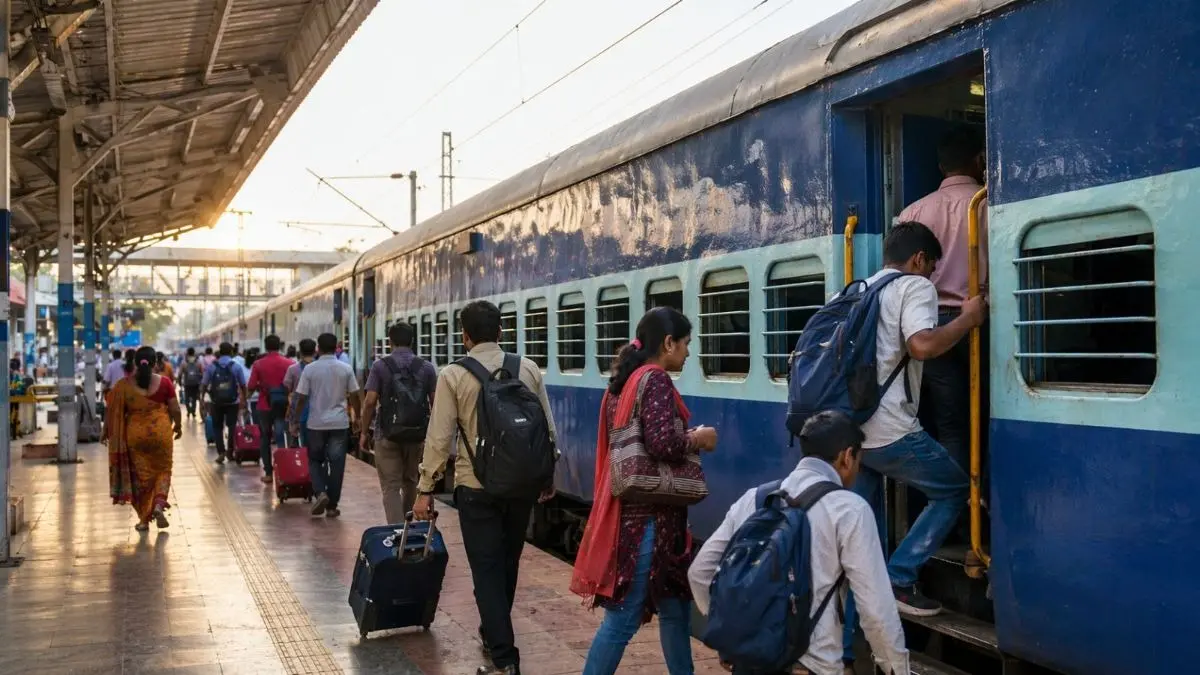 Nearly 9.29 Lakh Tickets Booked Daily Through RailOne
The growing popularity of RailOne is also reflected in its daily transaction numbers.
According to the figures provided, approximately 9.29 lakh tickets are booked through the app every day across the country.
Of these, around 7.2 lakh are unreserved tickets, while approximately 2.09 lakh are reserved tickets. Platform tickets are included within the unreserved-ticket category.
The numbers indicate that the application has quickly become an important digital channel for railway passengers.
Its availability on both Android and iOS platforms has further expanded its accessibility.
Millions of Downloads on Android and iOS
RailOne has recorded significant adoption across both major mobile operating systems.
More than 3.16 crore users have downloaded the application through the Google Play Store, while approximately 33.17 lakh downloads have been recorded on Apple devices.
The combined figures demonstrate the increasing dependence of railway passengers on mobile-based services.
As smartphone penetration and digital payments continue to expand, mobile applications are becoming increasingly important for delivering public transport services at scale.
Why the Passenger Reservation System Upgrade Matters
The modernisation of the Passenger Reservation System comes at a time when passenger expectations and railway operations are changing rapidly.
The system introduced in 1986 was designed for a very different technological environment. At that time, internet-based ticketing, smartphone applications, AI-powered predictions and real-time digital travel information were not part of everyday railway services.
Four decades later, passengers expect faster digital services, greater transparency and instant access to travel information.
The growing dominance of online ticketing has also placed greater demands on railway IT infrastructure. With approximately 88% of ticketing demand now coming through online channels, the underlying reservation system needs to be capable of supporting a substantially larger digital workload.
The upgraded system is intended to address this changing environment and strengthen Indian Railways’ digital infrastructure.
Passenger Convenience Remains a Key Focus
While technological modernisation is important, the success of the transition will ultimately depend on how smoothly passengers experience the change.
The Railway Ministry has therefore placed considerable emphasis on avoiding inconvenience during the migration of trains to the new system.
Passengers rely on the reservation system for several essential functions, including ticket booking, reservation status, cancellation and refunds. Any disruption could affect travel plans, particularly during periods of high demand.
The instructions issued by the Railway Minister indicate that officials are expected to prioritise operational continuity while implementing the technological upgrade across Indian Railways.
Indian Railways Continues Its Digital Transformation
The Passenger Reservation System upgrade is part of a much broader digital transformation taking place across Indian Railways.
The journey began with the introduction of internet ticketing in 2002 and has since expanded to mobile applications, digital complaint management, real-time train information and AI-powered passenger services.
RailOne represents another stage of this transformation by bringing multiple railway services together within a single application.
The upgraded reservation system is expected to provide the technological foundation required to support these increasingly digital services.
Indian Railways Also Provides Major Passenger Subsidy
Alongside its technological initiatives, Indian Railways continues to provide substantial financial support to passengers through subsidised fares.
During the financial year 2024-25, Indian Railways provided ₹60,239 crore in passenger ticket subsidies.
According to the figures provided, this represents an average concession of approximately 43% for passengers travelling by rail.
In practical terms, if the cost of providing a railway passenger service is ₹100, the passenger pays approximately ₹57 after accounting for the average subsidy.
The figure highlights the significant role Indian Railways plays as an affordable mode of transportation for millions of people across the country.
 A Major Step Towards Future-Ready Rail Services
The upcoming upgrade of the Passenger Reservation System represents an important milestone in the modernisation of Indian Railways.
The transition from a system introduced in 1986 to an advanced technology-driven platform reflects the changing needs of passengers and the growing scale of railway operations.
At the same time, the rapid adoption of RailOne demonstrates that passengers are increasingly comfortable accessing railway services through digital platforms.
With online ticketing accounting for around 88% of ticketing demand and millions of users adopting RailOne, the need for reliable, high-capacity digital infrastructure has never been greater.
The August transition will therefore be closely watched as Indian Railways moves towards a more modern reservation ecosystem. Ensuring that passengers experience a smooth transition will remain crucial as the railway network adopts the upgraded system.
If implemented effectively, the new Passenger Reservation System could strengthen the technological backbone of railway ticketing while supporting faster, more integrated and passenger-friendly services in the years ahead.