

Amardeep Kumar News: Jharkhand throwball player Amardeep Kumar has become the focus of widespread attention after reports highlighted the contrast between his international sporting achievements and his current financial struggles. The 29-year-old athlete has won four international gold medals representing India, but he is now reportedly selling vegetables in Ranchi and driving a cab to support himself and his family.
His story has triggered a wider discussion about the support available to athletes competing in sports that receive less institutional recognition. The issue has also reached the Jharkhand government, with Chief Minister Hemant Soren directing the state’s sports department to examine the athlete’s situation and take suitable action.
Who Is Amardeep Kumar?
Amardeep Kumar is an international throwball player from Ranchi, Jharkhand. According to reports, his association with the sport began when he was around 13 years old. He received free training at Jaipal Singh Munda Stadium after a local player noticed his interest and encouraged him to take up throwball.
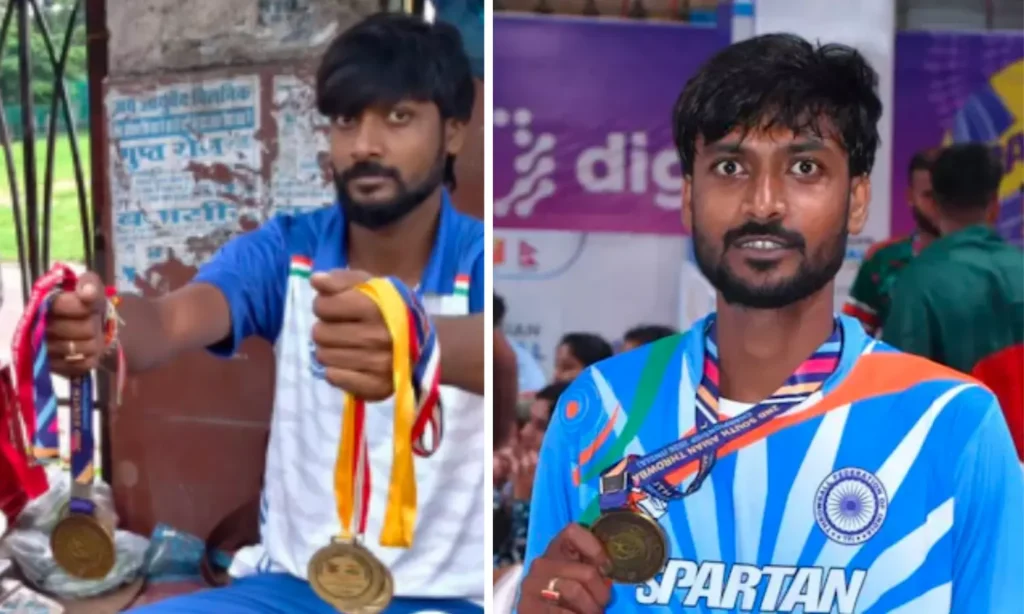 What began as an opportunity to learn a sport eventually developed into an international career. Amardeep Kumar progressed through competitive levels and eventually earned a place in the Indian throwball team.
His journey is particularly notable because of the contrast between his humble beginnings and his achievements on the international stage. Despite coming from a family dependent on modest earnings, he continued pursuing the sport and represented India at international competitions.
Four International Gold Medals for India
Amardeep Kumar’s sporting record includes four international gold medals. His first reported international gold came at the Asian Junior Throwball Championship in Malaysia in 2015.
He subsequently won gold at the Indo-Nepal Throwball Championship in Kathmandu in 2017, followed by another title at the South Asian Throwball Championship in Bengaluru in 2019. His fourth reported international gold came at the South Asian Throwball Championship in Ranchi in 2026.
The achievements meant that Amardeep Kumar represented India at international competitions on multiple occasions. However, his success on the court has not translated into comparable financial security in his personal life.
From International Podiums to a Vegetable Stall
The part of Amardeep Kumar’s story that has generated the strongest public reaction is his current livelihood.
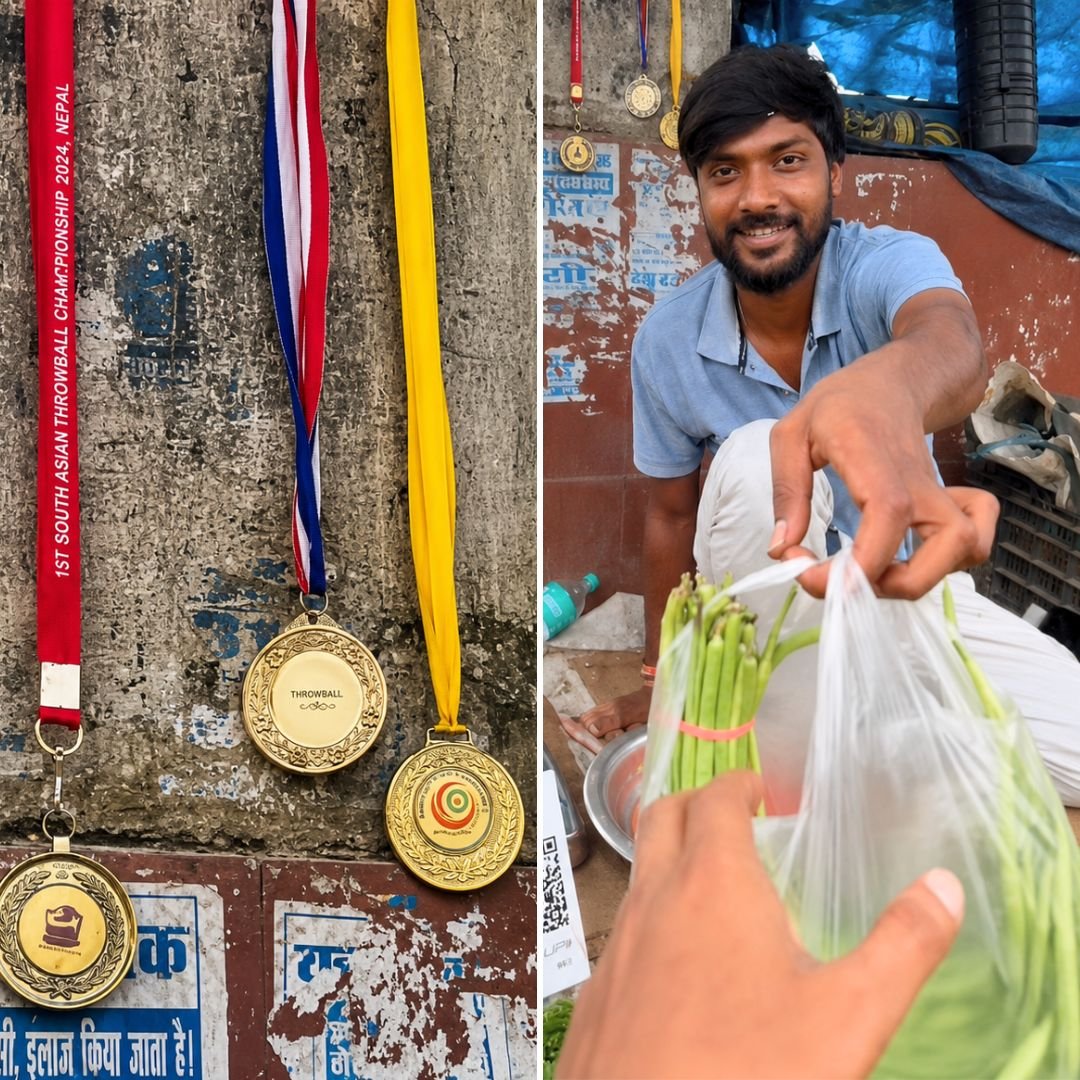
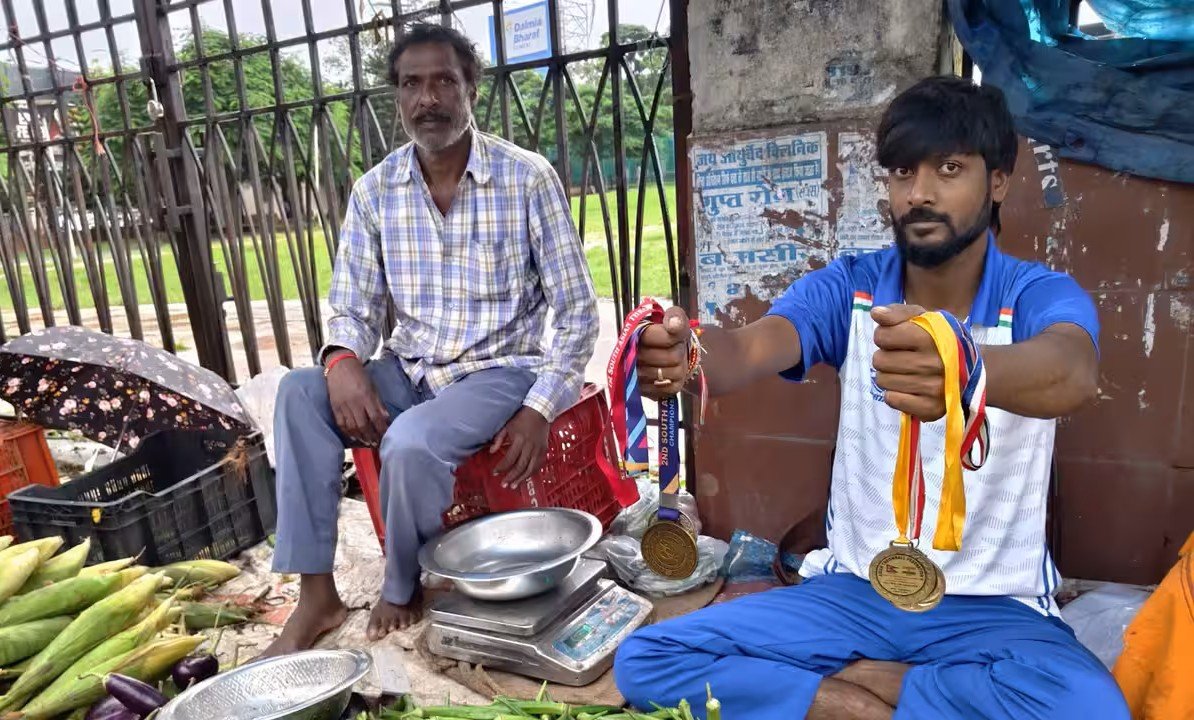
Reports say that the athlete sells vegetables at Argora Chowk in Ranchi and also drives a cab to earn money. Images and videos circulating online reportedly showed him working at a vegetable stall, with his international medals visible nearby.
The visual contrast quickly attracted attention: the medals represented India’s sporting achievements, while the vegetable stall reflected the financial pressures he reportedly faces in everyday life.
His story subsequently spread across social media, bringing renewed attention to the challenges faced by athletes in less prominent sporting disciplines.
Amardeep Kumar Reportedly Took a Loan for an International Tournament
One of the more striking aspects of Amardeep Kumar’s journey concerns the financial burden associated with representing India.
According to reports, the athlete borrowed ₹65,000 to travel to Malaysia for the 2015 tournament.
For an athlete from a financially constrained background, meeting the expenses associated with international competition can be a significant challenge. Travel, accommodation, training and other competition-related expenses can create additional financial pressure when institutional support is limited.
Amardeep Kumar’s experience has therefore raised questions about how athletes in less-recognised sports manage the costs associated with representing the country.
Why Is Amardeep Kumar Selling Vegetables?
Amardeep Kumar’s current circumstances have been linked in reports to the lack of a stable source of income and the difficulty of securing government employment.
He has reportedly approached authorities regarding financial assistance and employment but said that his requests did not result in the support he was seeking. Meanwhile, he has continued working to support himself and his family.
The Times of India reported that his father also sells vegetables and that the athlete has been helping support his family through the same work.
Rather than abandoning sport altogether, the athlete has reportedly continued to pursue his athletic ambitions while working to meet his daily financial needs.
 Viral Story Brings Government Attention
The situation changed after reports about Amardeep Kumar’s struggles gained widespread attention.
The issue caught the attention of Jharkhand Chief Minister Hemant Soren, who took note of the reports and directed the state sports department to examine the athlete’s case and take suitable action.
Soren’s intervention came after the athlete’s situation was highlighted publicly and shared on social media. Former Jamshedpur MP and former Jharkhand Congress president Ajoy Kumar also shared the report and appealed for permanent employment and financial assistance for the athlete.
The development has placed the case in the spotlight and prompted discussions about possible rehabilitation and employment opportunities.
Sports Department Examines Possible Support
Jharkhand Sports Minister Sudivya Kumar Sonu has also been involved in discussions surrounding the athlete’s situation.
According to reports, the state government is examining possible employment options for Amardeep Kumar within the existing sports policy framework. Authorities are also considering other avenues through which he could receive assistance.
The Jharkhand Milk Federation, known as Medha, has reportedly also explored employment possibilities for the athlete. A senior representative contacted the media organisation that reported the story and sought his contact information.
These developments suggest that the athlete’s viral story has moved beyond social media discussion and into an official examination of possible support.
Policy Rules Create an Employment Challenge
While the government has acknowledged Amardeep Kumar’s situation, reports indicate that there are policy-related limitations concerning government employment and cash rewards.
The state sports department reportedly stated that its existing policy does not provide cash rewards or government jobs for athletes participating in sports that are not recognised by the Indian Olympic Association.
This aspect is central to understanding the case. His four international gold medals demonstrate significant sporting achievement, but the applicable recognition framework can determine whether an athlete qualifies for particular government benefits.
Officials have nevertheless indicated that efforts are being explored to help the athlete and provide him with a more stable livelihood.
A Larger Debate About Lesser-Known Sports
The Amardeep Kumar story has become more than an individual account of financial hardship. It has also prompted a broader discussion about athletes competing in sports that do not enjoy the same public visibility as cricket, athletics, badminton or other mainstream disciplines.
Throwball athletes can represent India internationally and win medals, but opportunities for sponsorship, professional employment and long-term financial security may be more limited compared with athletes in highly commercialised sports.
The case illustrates how sporting success alone does not necessarily guarantee a stable career after an athlete returns from international competition.
The issue also highlights the importance of sustainable support systems that can help athletes balance sporting ambitions with education, employment and family responsibilities.
Recognition Beyond Medals
Winning an international medal is a significant achievement, but an athlete’s career involves much more than competition results. Training requires time and resources, while international participation can involve substantial travel and other expenses.
Amardeep Kumar’s experience has brought attention to the gap that can exist between sporting recognition and economic security.
His four gold medals remain evidence of his contribution to Indian throwball. At the same time, his present circumstances demonstrate why athletes may need continued institutional support after major competitions.
The government’s response could potentially determine what kind of assistance becomes available to him, although any final employment or financial support would depend on the applicable rules and decisions of the authorities.
Amardeep Kumar’s Story Continues
Despite the difficulties, Amardeep Kumar has reportedly continued to remain connected with throwball. India Today reported that he is also hoping to participate in an upcoming event in Sri Lanka.
That ambition underscores the determination that has characterised his sporting journey. From starting throwball at a young age to winning four international gold medals, he has continued competing despite significant financial challenges.
His story has now reached a much wider audience, with citizens, former public representatives and government officials taking notice.
For now, the focus remains on what concrete support can be provided to the athlete under existing rules and whether a sustainable employment opportunity can be found.
 What the Amardeep Kumar Case Highlights
The Amardeep Kumar case has brought several important issues into focus:
- International achievement: He has reportedly won four international gold medals for India in throwball.
- Financial hardship: Despite his sporting record, he has been working as a vegetable seller and cab driver.
- Family responsibility: His earnings contribute to supporting his family.
- Government intervention: Chief Minister Hemant Soren directed the sports department to examine his situation.
- Employment possibilities: Authorities and Jharkhand Milk Federation’s Medha have explored possible employment avenues.
- Policy limitations: Existing rules reportedly create challenges in providing government jobs or cash rewards for athletes in sports without the required recognition.
- Athlete welfare: His story has revived discussion about long-term financial and employment support for athletes in lesser-known sports.
Amardeep Kumar’s journey presents a striking contrast between sporting achievement and economic reality. The Jharkhand throwball player has represented India internationally and won four gold medals, yet reports say he is currently selling vegetables and driving a cab to support himself and his family.
His story went viral after reports highlighted the medals displayed alongside his work at a vegetable stall in Ranchi. The attention eventually prompted Chief Minister Hemant Soren to direct the sports department to examine the matter, while officials began considering possible employment and rehabilitation options.
The case has also opened a wider conversation about how India and individual states support athletes whose achievements come in sports outside the mainstream spotlight. While policy frameworks remain an important consideration, the story has placed athlete welfare, recognition and sustainable employment firmly in the public discussion.
For the athlete, the immediate question is no longer simply about the medals he has already won. It is about whether those achievements can translate into a more secure future while allowing him to continue pursuing the sport in which he has represented India with distinction.