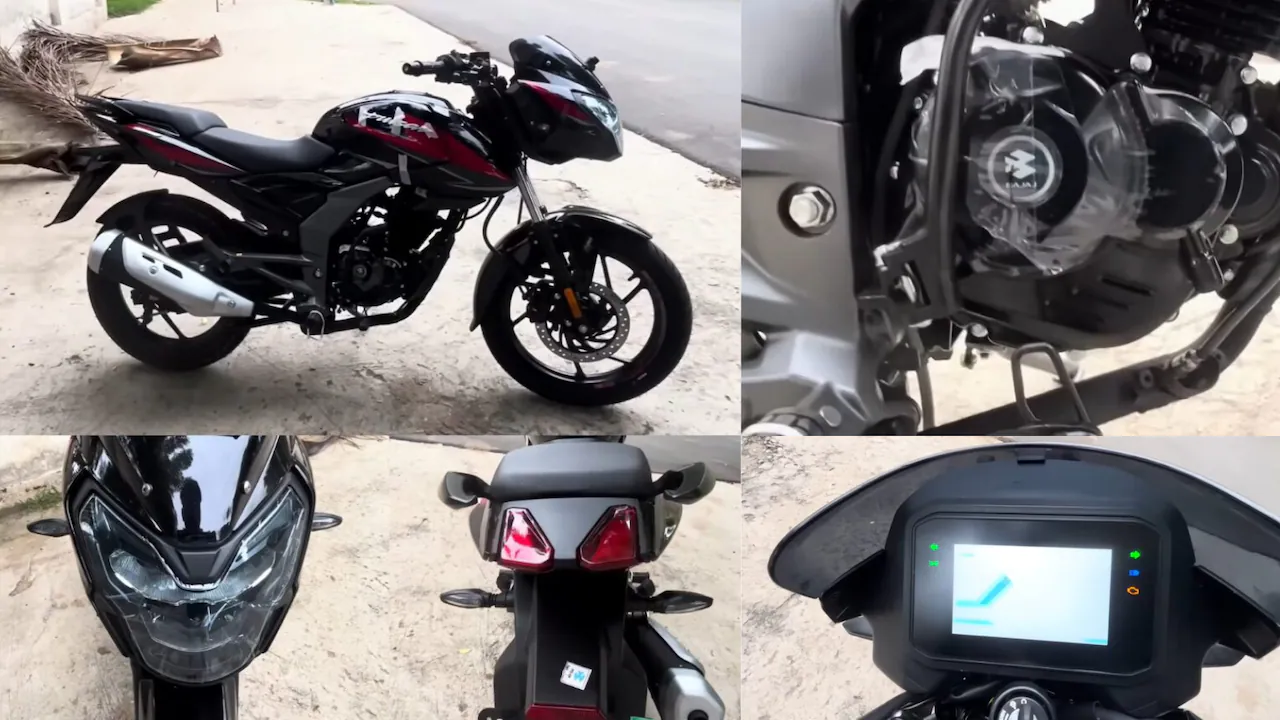
Bajaj Pulsar 125 2026 is shaping up to receive a substantial update, with the latest test mule sightings revealing a redesigned exterior, upgraded equipment and, most notably, a new TFT instrument cluster. The upcoming motorcycle is expected to strengthen Bajaj Auto’s position in India’s entry-level sporty commuter segment by bringing technology and styling previously associated with more premium Pulsar models to the 125cc class.
Bajaj Auto is expected to introduce the next-generation Bajaj Pulsar 125 in India around mid-August. While the company has not yet disclosed complete specifications, the test motorcycle spotted on Indian roads provides several clues about what could change on the new model.
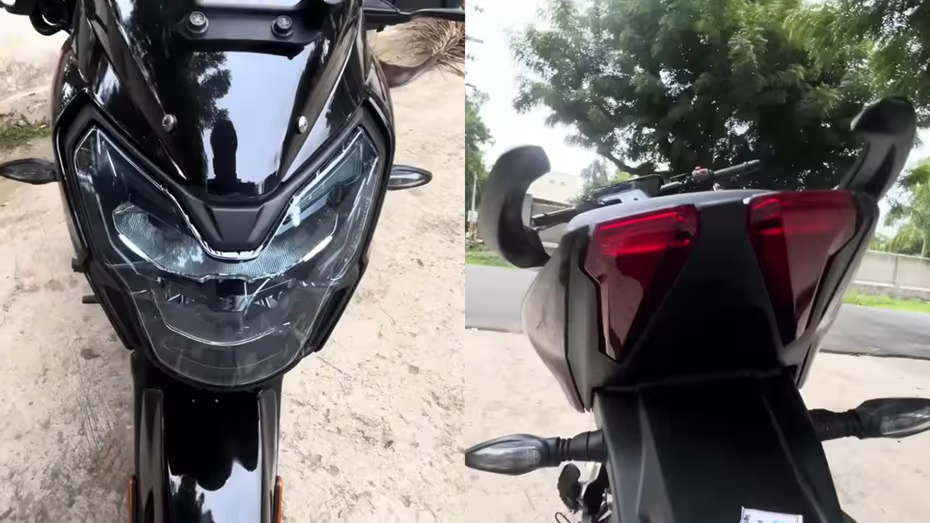
Table of Contents
2026 Bajaj Pulsar 125 Gets a Major Styling Update
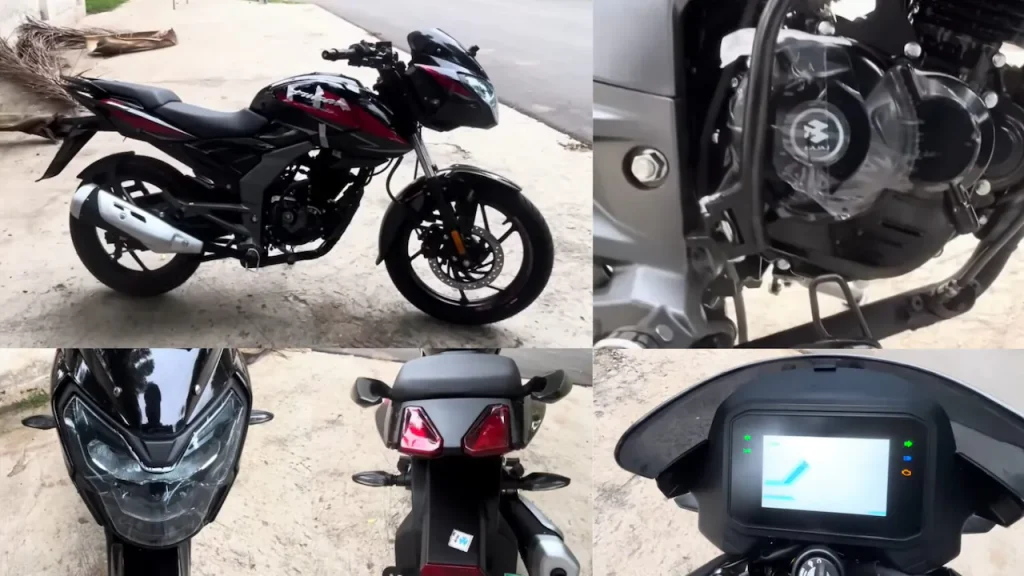
The biggest visible change on the upcoming Bajaj Pulsar 125 is its redesigned exterior. Bajaj appears to be giving the motorcycle a sharper and more contemporary appearance while retaining the core identity that has made the Pulsar name familiar among Indian riders.
At the front, the motorcycle gets a new LED headlamp accompanied by a revised front fender. The number plate has also been repositioned above the headlamp, creating a different visual arrangement compared with the outgoing model.
The windscreen appears to retain a broadly familiar shape, although its edges are now smoother and more rounded. This subtle change gives the front section a cleaner appearance while maintaining the motorcycle’s sporty character.
The redesigned front-end could help the new Bajaj Pulsar 125 appeal to younger buyers looking for a motorcycle that offers the practicality of a commuter with the styling of a sportier machine.
Sharper Fuel Tank and New Graphics
The side profile of the motorcycle also reveals several changes.
The fuel tank has been redesigned with sharper extensions that give the motorcycle a more muscular appearance. These extensions create a stronger visual connection between the tank and the side panels, making the motorcycle appear more substantial.
New graphics further enhance the sporty character. Bajaj has historically used graphics and tank styling as important elements of the Pulsar design language, and the updated model appears to continue that approach while adopting a more modern treatment.
The changes are particularly significant because the Bajaj Pulsar 125 operates in a highly competitive segment where styling can play an important role in a buyer’s decision.
New Gear Shifter and Other Practical Updates
The upcoming motorcycle is also expected to receive some smaller but meaningful functional changes.
One of the most noticeable is the move to a toe-only gear shifter. The outgoing Bajaj Pulsar 125 uses a heel-and-toe arrangement, whereas the new setup is expected to provide a more conventional shifting experience.
The test mule has also been spotted with a redesigned plastic chain cover. Besides giving the motorcycle a cleaner appearance, the change could potentially contribute to a reduction in weight.
At the rear, the motorcycle receives a redesigned taillamp along with a dual-tone exhaust. Larger split grab rails have also been spotted, while the pillion footpegs and brake pedal appear to have been revised.
Despite these changes, the motorcycle is expected to retain its 17-inch alloy wheels. Telescopic front forks and LED indicators also continue to feature on the test motorcycle.
TFT Display Could Be the Biggest Upgrade
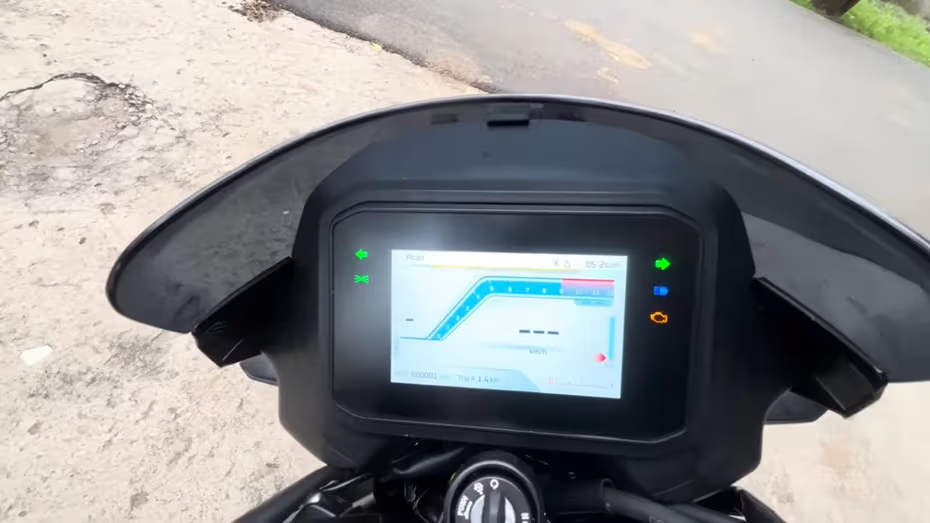
Perhaps the most significant development on the 2026 Bajaj Pulsar 125 is the addition of a TFT instrument cluster.
The display appears similar to the unit introduced on the recently launched Pulsar N160 SS. If the production version retains this system, the Bajaj Pulsar 125 could become considerably more technologically advanced than the current motorcycle.
A TFT display would allow Bajaj to offer a more sophisticated interface compared with a conventional LCD or semi-digital cluster.
The system is also expected to support Bluetooth connectivity. This could enable features such as incoming call alerts, SMS notifications and turn-by-turn navigation.
For a 125cc motorcycle, the addition of connected technology would represent a significant step forward. Features once limited primarily to premium motorcycles are increasingly making their way into affordable commuter and sporty commuter models.
However, some advanced functions could remain exclusive to larger Pulsar models. Features such as Google Maps mirroring and Wi-Fi connectivity may not be offered on the Bajaj Pulsar 125, helping Bajaj maintain differentiation between its entry-level and higher-capacity motorcycles.
Type-C USB Port and Hazard Lights
The technology upgrade is not limited to the instrument cluster.
The test motorcycle has also been spotted with a Type-C USB charging port, which could prove useful for riders who rely on smartphones for navigation and communication.
The addition of hazard lights is another practical upgrade. While relatively simple, hazard lights can be useful in situations where the motorcycle needs to be more visible to surrounding traffic.
Together, these additions suggest that Bajaj is looking at the Bajaj Pulsar 125 not merely as a commuter motorcycle but as a more feature-rich product capable of competing with increasingly sophisticated rivals.
Rear Monoshock Replaces Twin-Shock Setup
Another major mechanical change visible on the test motorcycle is the adoption of a rear monoshock suspension.
The current Pulsar 125 uses a twin-shock arrangement, whereas the new motorcycle appears to switch to a monoshock setup.
The change could bring several benefits. A monoshock can offer improved suspension characteristics and potentially better control during cornering and over uneven surfaces, depending on how the system is tuned.
It also contributes to the motorcycle’s modern appearance, particularly when viewed from the side.
For Bajaj, the move to a monoshock could be another way of bringing the chassis technology of larger Pulsar motorcycles closer to the 125cc segment.
Engine Changes Could Focus on Refinement
While the test motorcycle reveals several exterior and equipment upgrades, details about the engine remain limited.
The 2026 Bajaj Pulsar 125 is expected to continue using a 125cc petrol engine, but Bajaj could make revisions aimed at improving refinement and fuel efficiency.
Official power and torque figures have not yet been revealed. Therefore, it remains unclear whether the engine will receive a substantial mechanical update or primarily benefit from calibration changes.
Given the importance of fuel economy in the 125cc motorcycle segment, improving efficiency while maintaining adequate performance would be a logical focus for Bajaj.
The motorcycle is also expected to continue with a five-speed transmission, although final specifications will be confirmed closer to launch.
New Pulsar N160 S and N160 SS Set the Technology Direction
The upcoming Bajaj Pulsar 125’s equipment package appears to reflect the broader direction of Bajaj’s Pulsar range.
Earlier in August, Bajaj Auto introduced the Pulsar N160 S and Pulsar N160 SS in India at ₹1.33 lakh and ₹1.42 lakh respectively, ex-showroom Delhi.
Both motorcycles use a new 165cc oil-cooled single-cylinder engine producing 18hp and 14.4Nm of torque. The engine is paired with a five-speed gearbox.
The motorcycles also feature Intelligent Throttle technology and four riding modes: Road, Rain, Sport and Off-Road.
A Crawl Tech function has been introduced to provide smoother control at low speeds.
The suspension package includes 37mm USD forks at the front and a rear monoshock, while braking is handled by a 300mm front disc and 230mm rear disc.
The two N160 variants also demonstrate how Bajaj is differentiating technology across its range.
The N160 S gets an LCD instrument display with Bluetooth connectivity and navigation, while the N160 SS adds a TFT display, Google Maps integration, traction control, dual-channel ABS and adjustable levers.
What the New Bajaj Pulsar 125 Could Mean for the Segment
The 125cc motorcycle segment remains one of the most important categories in the Indian two-wheeler market. Buyers typically expect a combination of affordability, fuel efficiency, reliability and manageable performance.
At the same time, expectations are changing. Younger customers increasingly want features such as Bluetooth connectivity, smartphone integration, digital displays and USB charging even on relatively affordable motorcycles.
The new Pulsar 125 appears to be designed around this shift.
The combination of a TFT display, smartphone connectivity, Type-C charging, hazard lights and a redesigned chassis could give the motorcycle a more premium identity without moving it completely away from its commuter-oriented roots.
The redesigned styling could further strengthen its appeal among riders who want a motorcycle that looks sporty but remains practical for everyday use.
2026 Bajaj Pulsar 125: What We Know So Far
Based on the latest test mule, the upcoming Pulsar 125 is expected to feature a considerably revised package.
Key changes include:
- New LED headlamp
- Revised front fender
- Repositioned number plate
- Updated fuel tank extensions
- New graphics
- Toe-only gear shifter
- Redesigned taillamp
- Dual-tone exhaust
- Larger split grab rails
- Revised pillion footpegs and brake pedal
- Rear monoshock suspension
- TFT instrument cluster
- Bluetooth connectivity
- Type-C USB charging
- Hazard lights
- LED indicators
- 17-inch alloy wheels
The engine is also expected to receive updates focused on refinement and efficiency, although Bajaj has not yet confirmed the final specifications.
Launch Expectations and Outlook
The next-generation 2026 Bajaj Pulsar 125 is expected to arrive around mid-August, although final launch details and pricing remain to be officially announced.
The combination of visual changes, upgraded equipment and a more modern suspension setup suggests that Bajaj is preparing a substantial refresh rather than a minor cosmetic update.
The TFT instrument cluster could become the motorcycle’s biggest selling point, particularly if it delivers Bluetooth connectivity and navigation at a competitive price.
At the same time, the rear monoshock and redesigned bodywork could help the motorcycle offer a more premium riding experience without abandoning the practicality expected from a 125cc machine.
If Bajaj manages to keep the price competitive, the updated Pulsar 125 could strengthen the company’s position in the entry-level sport commuter market. It would also demonstrate how technology and premium features are gradually moving down into smaller-capacity motorcycles.
With the launch approaching, the key details still to be confirmed include the final engine specifications, exact feature list, variant structure and pricing. Until Bajaj makes an official announcement, the information revealed by test motorcycles should be treated as indicative rather than final.
Nevertheless, the latest sightings make one thing clear: the 2026 Bajaj Pulsar 125 is set to be considerably more feature-rich and visually distinctive than the model it replaces, potentially giving one of India’s best-known 125cc motorcycles a significant technological and design upgrade.