
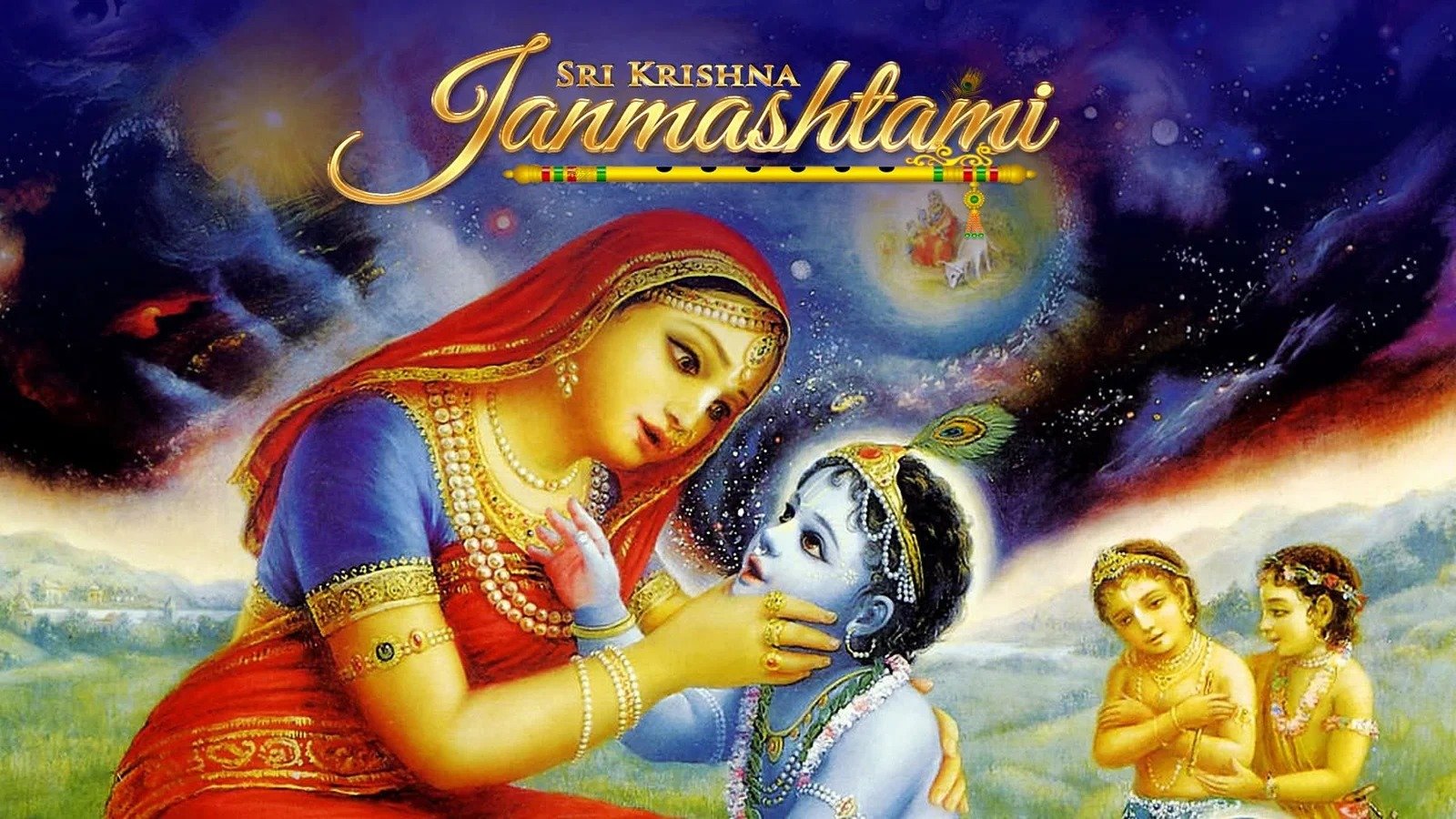
Krishna Janmashtami 2026 will be observed on September 4, with devotees across India and around the world preparing to celebrate the appearance of Lord Krishna through fasting, devotional singing, temple rituals, bhajans, night-long sankirtans and special spiritual programmes.
The festival, also known as Janmashtami, Gokulashtami and Krishna Jayanti in different traditions, commemorates the appearance of Lord Krishna, who is revered in Vaishnavism as the Supreme Personality of Godhead and one of the most widely worshipped figures in Hinduism.
The celebrations are especially prominent in places associated with Krishna’s life, including Mathura, Vrindavan, Gokul and Dwarka. ISKCON temples around the world also organise elaborate programmes featuring kirtans, lectures, devotional performances and midnight worship.
At the heart of the festival is the story of Krishna’s appearance in the prison of Mathura to Devaki and Vasudeva and his subsequent journey to Gokul, where he was raised by Nanda Maharaj and Yashoda.
But Krishna Janmashtami is more than a commemoration of a religious event. For millions of devotees, it is an occasion to reflect on Krishna’s teachings, devotion, dharma and the triumph of righteousness over evil.
Table of Contents
Krishna Janmashtami 2026 Date
Krishna Janmashtami will be celebrated on September 4, 2026, according to the date provided for this year’s observance.
The festival is traditionally associated with the eighth lunar day, or Ashtami, of the Krishna Paksha of the month of Bhadrapada. Devotees observe the festival through the day and continue devotional activities into the night because Krishna is traditionally believed to have appeared at midnight.
The precise timing of rituals such as fasting, Nishita Kaal worship and breaking the fast can vary depending on the regional Panchang and religious tradition. Devotees generally follow the local calendar and the timings announced by their temples.
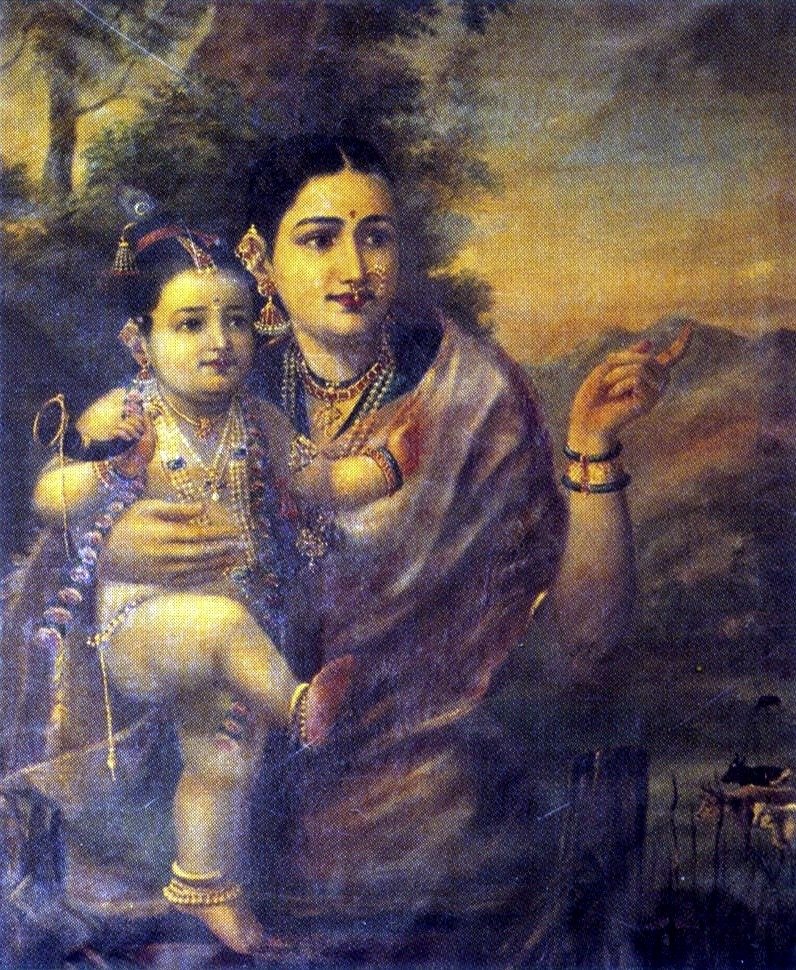
Why Is Krishna Janmashtami Celebrated?
Krishna Janmashtami marks the divine appearance of Lord Krishna, who, according to Hindu scriptures, descended to the material world to restore dharma, protect devotees and confront forces of evil.
The religious significance of Krishna’s appearance is closely connected to the principle expressed in the Bhagavad Gita.
In Bhagavad Gita 4.7, Krishna says:
“Whenever there is a decline in righteousness and an increase in unrighteousness, I manifest Myself.”
The following verse, Bhagavad Gita 4.8, explains the purpose of this divine appearance as the protection of the righteous, destruction of evil and establishment of dharma.
For devotees, these teachings form an important part of the spiritual meaning of Janmashtami.
The festival therefore represents not merely the birth of a revered religious figure, but the appearance of divine consciousness and the restoration of righteousness.
The Prophecy That Terrified Kansa
The story of Krishna’s appearance begins with King Kansa, the powerful and tyrannical ruler of Mathura.
According to the traditional account, Kansa was closely associated with his cousin Devaki. During Devaki’s marriage to Vasudeva, a divine prophecy announced that Devaki’s eighth son would become the cause of Kansa’s downfall.
The prophecy transformed Kansa’s attitude immediately.
Fearing that Devaki’s child would eventually kill him, Kansa considered killing Devaki herself. Vasudeva intervened and appealed to Kansa’s reason, promising that every child born to Devaki would be handed over to him.
Kansa agreed to spare Devaki’s life but imprisoned Devaki and Vasudeva.
The couple subsequently remained in captivity as Kansa waited for the child foretold by the prophecy.
Why Did Kansa Kill Devaki’s Children?
According to the traditional narrative, Kansa became increasingly fearful about the prophecy.
Devaki and Vasudeva had children while imprisoned, and Kansa killed the children one by one because he believed that the prophecy could eventually lead to his death.
The supplied account also describes the intervention of Devarshi Narada, who informed Kansa that Krishna’s divine appearance could not necessarily be understood through ordinary assumptions about birth order.
Consumed by fear, Kansa continued his violent actions against Devaki’s children.
The story presents Kansa as a symbol of unchecked power, fear and tyranny, while Krishna’s eventual appearance represents the triumph of righteousness over oppression.
The Divine Appearance of Lord Krishna
The eighth child of Devaki and Vasudeva was born at midnight while the couple remained imprisoned in Mathura.
According to the traditional scriptural account, Krishna did not initially appear as an ordinary human infant. He appeared before Devaki and Vasudeva in a four-armed, divine form, known as the Chaturbhuj form.
The appearance of the divine child is one of the central moments remembered during Krishna Janmashtami celebrations.
The traditional account describes extraordinary events surrounding the appearance. The shackles binding Vasudeva and Devaki were released, the doors of the prison opened and the guards fell into a deep sleep.
These events enabled Vasudeva to carry the newborn Krishna out of the prison.
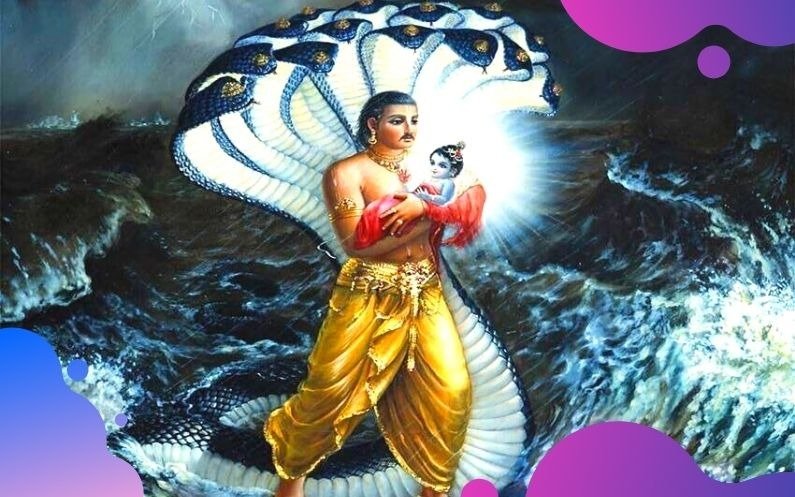
Vasudeva Carries Krishna Across the Yamuna
Following Krishna’s appearance, Vasudeva took the infant and left the prison.
He travelled towards Gokul, where his close friend Nanda Maharaj lived with his family.
The journey involved crossing the Yamuna River.
According to the traditional narrative, Vasudeva eventually reached Nanda’s home and exchanged Krishna with the newborn girl who had been born there. He then returned to the prison with the baby girl.
The episode is among the most widely depicted scenes associated with Krishna’s early life and is frequently represented in Janmashtami decorations, devotional performances and temple programmes.
Kansa Attempts to Kill the Newborn Girl
When Kansa learned that Devaki had given birth, he immediately came to the prison.
However, the child he encountered was not Krishna.
According to the traditional story, Kansa attempted to kill the newborn girl, but she slipped from his grasp and rose into the sky.
The divine child then announced that the person destined to bring about Kansa’s downfall had already appeared elsewhere.
The episode deepened Kansa’s fear and set the stage for the later events of Krishna’s childhood and his eventual confrontation with the tyrant.
Why Krishna’s Appearance Is Considered Divine
A central theological question surrounding Krishna Janmashtami concerns the nature of Krishna’s birth.
According to Vaishnava traditions, Krishna is not considered an ordinary mortal who is born and dies in the same manner as human beings.
The supplied source draws on the teachings of Srila Prabhupada, founder-acharya of the International Society for Krishna Consciousness (ISKCON), to explain this concept through the analogy of the sun.
The setting of the sun does not mean that the sun has ceased to exist. It has simply disappeared from one location and becomes visible elsewhere.
Similarly, according to this theological interpretation, the Supreme Lord does not undergo birth and death in the ordinary material sense. Rather, the Lord appears and disappears according to divine will.
This understanding is central to the way Krishna’s appearance is interpreted within Gaudiya Vaishnavism and other Vaishnava traditions.
The Message of Bhagavad Gita
The significance of Krishna Janmashtami is closely linked with the teachings of the Bhagavad Gita, particularly Krishna’s message about dharma.
The famous verses from Chapter 4 explain that whenever righteousness declines and unrighteousness becomes dominant, the Lord manifests to protect the righteous, destroy evil and restore dharma.
The verses are often recited during devotional programmes and religious gatherings.
For devotees, these teachings provide a framework for understanding why Krishna appeared in the world.
The message is also viewed as relevant beyond the historical narrative: individuals are encouraged to follow righteousness, act responsibly and develop devotion rather than allowing fear, greed or material desires to dominate their lives.
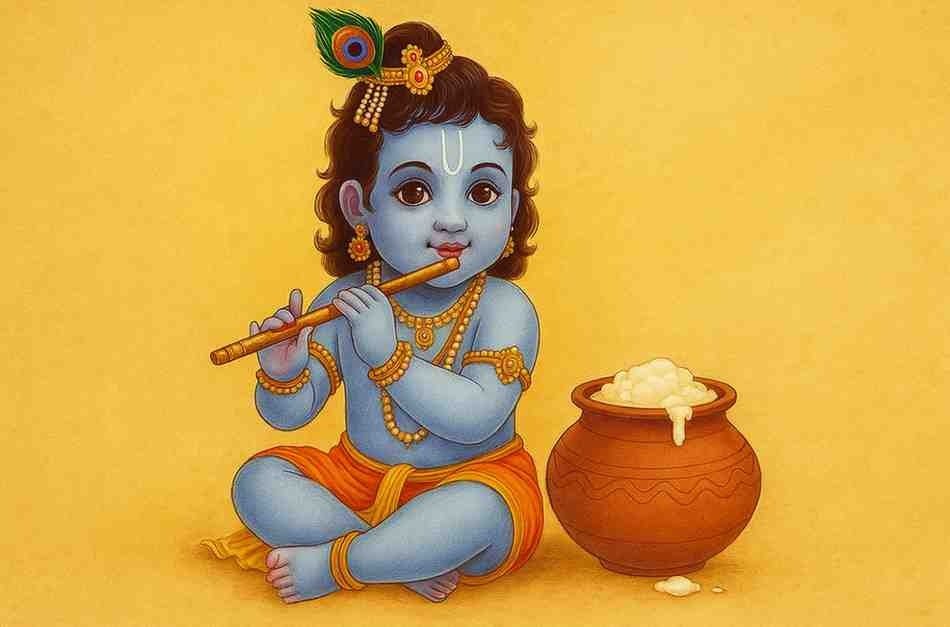
Significance of Krishna Avatar
Hindu traditions describe numerous forms and manifestations of the Divine, including Purusha avatars, Gunavatars, Lilavatars, Shaktyavesha avatars, Manvantara avatars and Yuga avatars.
Within the theological framework described by Gaudiya Vaishnavism, however, Krishna is regarded as the Supreme Personality of Godhead and the source of other avatars.
The purpose of Krishna’s appearance is therefore understood on multiple levels.
It includes the destruction of evil and protection of devotees, but devotional traditions also emphasise Krishna’s intimate pastimes with his devotees, particularly those associated with Vrindavan and Gokul.
For devotees, Krishna’s appearance is therefore not simply about the defeat of Kansa. It is also about divine love and the relationship between the Supreme Lord and His devotees.
How Krishna Janmashtami Is Celebrated
Krishna Janmashtami celebrations vary across regions and traditions, but several practices are widely associated with the festival.
Fasting
Many devotees observe a fast during the day as an expression of devotion and discipline.
Depending on the tradition, the fast may continue until midnight, when Krishna’s appearance is commemorated through special prayers and worship.
The exact rules surrounding fasting differ among communities, so devotees generally follow the practices prescribed by their family tradition or temple.
Midnight Celebrations
Midnight is one of the most significant moments of Krishna Janmashtami.
Devotees gather in temples to offer prayers, sing devotional songs and participate in special worship marking Krishna’s appearance.
The atmosphere can include bells, conch shells, kirtans and chanting of Krishna’s names.
Sankirtan and Bhajans
Sankirtan, or congregational chanting of divine names, is particularly prominent in many Vaishnava traditions.
ISKCON temples, in particular, are known for organising extended kirtans and devotional programmes around Janmashtami.
Devotees may also participate in bhajans, spiritual lectures, cultural programmes and readings from Krishna-related scriptures.
Temple Decorations
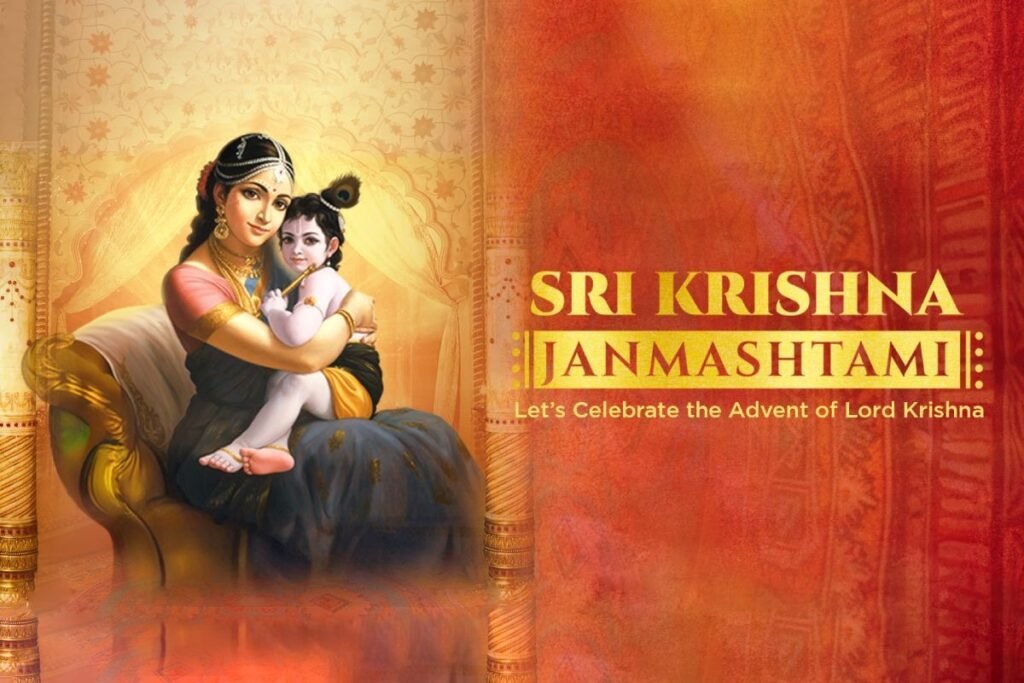
Temples and homes are decorated for the occasion, often featuring images or idols of baby Krishna.
Devotional displays may recreate scenes from Krishna’s childhood, including his appearance in Mathura and his journey to Gokul.
Shri Krishna Janmashtami Beyond India
Although Krishna Janmashtami has deep roots in the Indian religious tradition, the festival is celebrated by devotees in numerous countries.
The international presence of organisations such as ISKCON has contributed to the global visibility of Krishna devotion.
Temples and communities outside India organise kirtans, cultural programmes, vegetarian feasts, dramatic performances and midnight worship.
This global celebration reflects the belief within Vaishnava traditions that Krishna’s message and devotional path are not restricted to a particular geographic region.
The Spiritual Message of Janmashtami
For many devotees, the most important part of Krishna Janmashtami is not the scale of the celebration but the spiritual reflection it encourages.
Krishna’s story contrasts fear and faith, tyranny and righteousness, and material power and divine purpose.
Kansa possesses political authority but remains controlled by fear. Krishna, despite appearing in a vulnerable human form, ultimately becomes the force that brings an end to Kansa’s tyranny.
The story therefore carries a broader message about the temporary nature of worldly power and the importance of dharma.
Krishna Bhakti and the Legacy of Chaitanya Mahaprabhu
The supplied source also highlights the contribution of Sri Chaitanya Mahaprabhu, who is revered in the Gaudiya Vaishnava tradition for spreading Krishna bhakti and congregational chanting.
The practice of Harinam Sankirtan, involving the chanting of the holy names, became a defining feature of the devotional movement associated with Chaitanya Mahaprabhu.
For devotees observing Janmashtami, this tradition provides another way of expressing devotion—not merely through ritual but through remembrance, chanting and an attempt to incorporate spiritual teachings into everyday life.
Krishna Janmashtami 2026: A Celebration of Faith and Devotion
As devotees prepare for Krishna Janmashtami 2026 on September 4, temples and communities are expected to organise a wide range of religious and cultural activities.
For some, the day will involve fasting and quiet prayer. For others, it will mean participating in large-scale temple celebrations, midnight kirtans and devotional gatherings.
Children may participate in Krishna-themed cultural programmes, while homes and temples may be decorated with scenes depicting Krishna’s childhood.
Despite differences in how the festival is observed, the central theme remains the same: remembering the appearance of Lord Krishna and reflecting on the principles of dharma, devotion and divine love.
Krishna Janmashtami commemorates one of the most significant events in the Vaishnava religious tradition—the appearance of Lord Krishna in Mathura.
The story of Devaki and Vasudeva, Kansa’s tyranny, the midnight appearance of Krishna, Vasudeva’s journey across the Yamuna and Krishna’s eventual upbringing in Gokul form the spiritual and cultural foundation of the festival.
For millions of devotees, however, Janmashtami is more than a retelling of an ancient story. It is an opportunity to renew faith, practise devotion and reflect on Krishna’s teachings about dharma and righteous living.
As the celebrations unfold on September 4, 2026, the festival will once again bring together devotees through fasting, prayer, music, chanting and midnight worship—continuing a tradition that has remained deeply influential across generations and increasingly visible around the world.