
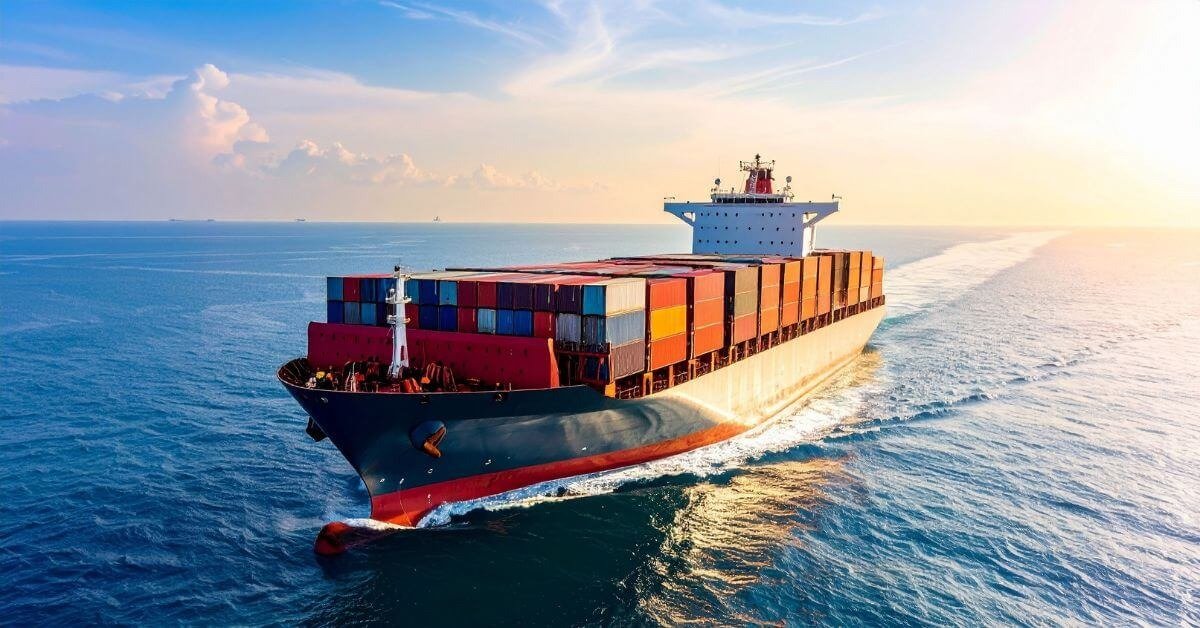
The Shipping Corporation of India (SCI) has launched its largest-ever global shipbuilding tender for six cellular container vessels with an estimated value of $720 million (around Rs 6,858 crore), marking a major step in India’s efforts to strengthen its domestic shipbuilding industry and expand its presence in the global maritime sector.
According to a report analysed by Marine Insight, the tender covers six container ships, each with a capacity of 8,000 twenty-foot equivalent units (TEUs). While two vessels are under firm orders, the remaining four are optional under the tender structure.
The move by SCI comes at a time when India is seeking to reduce its dependence on foreign shipbuilders and build stronger domestic capabilities across the maritime value chain. The tender has been structured to give eligible Indian shipyards priority while still allowing international shipbuilders to participate, creating a competitive framework aimed at combining domestic capacity-building with global technical expertise.
A key feature of the tender is the Right of First Refusal (RoFR) mechanism for eligible Indian shipyards. The arrangement is designed to provide domestic companies with an opportunity to match the most competitive offer from an eligible foreign shipbuilder.
Table of Contents
SCI’s Largest-Ever Global Shipbuilding Tender
The latest tender represents a significant expansion of SCI’s ship acquisition and fleet development plans.
The six proposed vessels are cellular container ships, purpose-built to transport standardised shipping containers efficiently. With each vessel designed for a capacity of 8,000 TEUs, the ships would be capable of carrying large volumes of containerised cargo on major trade routes.
Under the tender structure, two vessels are currently covered by firm orders, while four additional ships are optional. This arrangement gives SCI flexibility regarding the final scale of fleet expansion while creating a framework for long-term capacity growth.
The estimated contract value of $720 million makes the tender particularly significant for India’s shipbuilding ecosystem. A large order of this nature can potentially generate work not only for shipyards but also for a wide network of suppliers involved in marine engineering, steel, propulsion systems, electrical equipment, navigation technology, logistics and other maritime services.
The tender is therefore expected to have implications beyond the construction of the vessels themselves.
Indian Shipyards Get Priority Under RoFR Mechanism
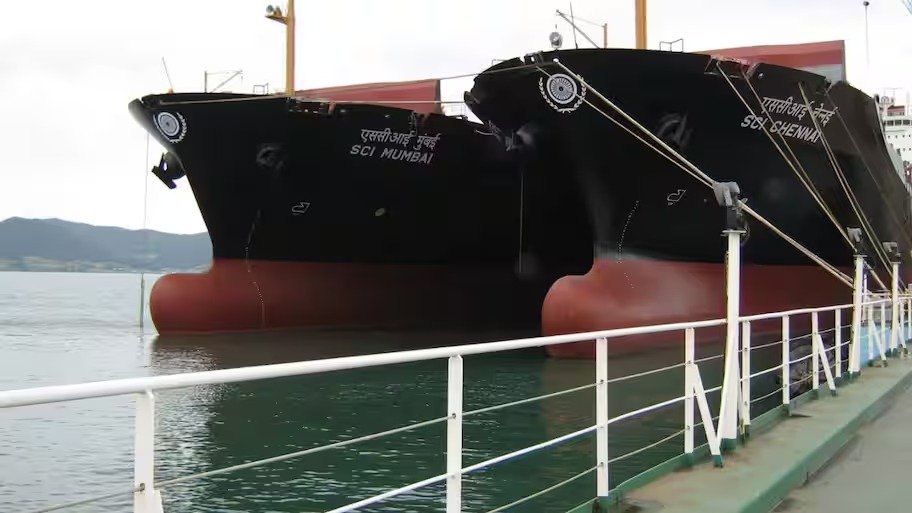
One of the most important provisions of the SCI tender is the Right of First Refusal mechanism, which gives eligible Indian shipyards a competitive advantage during the bidding process.
Under the arrangement, the lowest evaluated Indian bidder will be given an opportunity to match the lowest evaluated offer submitted by an eligible foreign shipyard.
If the first eligible Indian shipyard chooses not to match the foreign offer, the opportunity can then move to the next eligible Indian bidder, subject to the conditions specified in the tender.
This mechanism is intended to encourage Indian shipyards to compete aggressively for the order without completely shutting out international players.
The approach effectively creates a balance between two objectives: supporting domestic shipbuilding and ensuring that SCI receives competitive bids from the global market.
For Indian shipbuilders, such a structure can provide an opportunity to secure major orders while developing the experience and capabilities required to compete internationally.
Tender Opens Door for Indian Yards Through Foreign Partnerships
Another significant feature of the tender is that Indian shipyards do not necessarily need previous experience in constructing cellular container vessels to participate.
The tender allows shipyards without prior experience in building such vessels to bid through technical partnerships with experienced foreign shipbuilders.
This provision could be particularly important for India’s shipbuilding ambitions because technical capability and experience in specialised vessel construction remain critical factors in competing with established global shipbuilding centres.
Under the tender conditions, the foreign technical partner must have delivered at least two cellular container ships of 5,000 TEUs or more during the previous 10 years, with those vessels currently in service.
The technical partner would also be required to provide both basic and detailed design support during construction.
Such partnerships could allow Indian shipyards to gain practical knowledge and technical expertise while undertaking large and complex vessel construction projects.
Over time, this could help domestic yards develop independent capabilities and reduce the technological gap with established international shipbuilders.
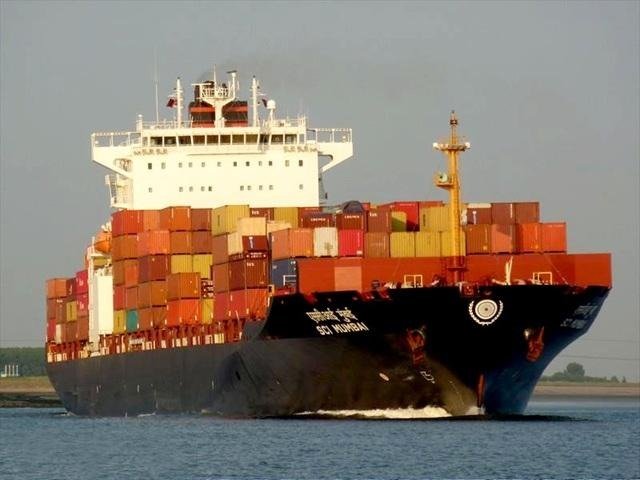
What Is a Cellular Container Ship?
The vessels covered by the SCI tender are specifically designed for transporting standardised shipping containers.
A cellular container ship uses a specialised internal structure featuring vertical guide rails and designated slots. These systems allow 20-foot and 40-foot containers to be stacked securely inside the vessel.
The design improves cargo-handling efficiency and allows containers to be loaded and arranged systematically.
Container shipping is a critical component of global trade because standardised containers can be transferred between ships, trains and trucks without requiring cargo to be individually unloaded and repacked.
The development of a larger fleet of modern container vessels could therefore help strengthen India’s participation in international containerised trade.
For SCI, adding 8,000-TEU vessels would represent a substantial expansion of its container shipping capabilities and could strengthen its ability to serve high-volume international trade routes.
$720 Million Order Could Boost Domestic Shipbuilding
The financial scale of the tender makes it important for India’s broader shipbuilding industry.
A contract estimated at $720 million, or approximately Rs 6,858 crore, could provide substantial business opportunities for domestic shipyards if Indian bidders successfully secure the orders.
Shipbuilding has a broad industrial footprint. The construction of a large container vessel requires steel, engines, propulsion equipment, electrical systems, communication equipment, navigation systems, safety equipment and numerous other components.
As a result, a major shipbuilding order can create demand across several associated industries.
It can also contribute to skilled employment, particularly in naval architecture, marine engineering, welding, fabrication, electrical engineering, project management and other specialised areas.
The SCI tender could therefore serve as an important catalyst for strengthening the wider domestic maritime manufacturing ecosystem.

Shipbuilding Financial Assistance Scheme Offers Additional Support
Indian shipyards participating in the tender may also be eligible for financial assistance under the Centre’s Rs 24,736-crore Shipbuilding Financial Assistance Scheme (SBFAS).
The scheme provides financial assistance ranging between 15 per cent and 25 per cent per vessel, according to the information provided in the tender-related report.
The financial support is intended to improve the competitiveness of Indian shipyards when bidding against established international shipbuilders.
The cost difference between domestic and foreign ship construction has historically been an important challenge for Indian shipyards. Financial assistance can help reduce some of that competitive disadvantage and encourage more orders to be placed with Indian yards.
For the SCI tender, the availability of such support could make it easier for eligible domestic shipyards to compete on price while simultaneously investing in modern construction capabilities.
Part of India’s Larger Rs 69,725-Crore Maritime Push
The Shipbuilding Financial Assistance Scheme is part of a much larger Rs 69,725-crore maritime package announced in 2025.
The broader package is aimed at strengthening India’s maritime capabilities and improving the competitiveness of the country’s shipbuilding industry.
India has a long coastline and occupies an important geographical position along major international shipping routes. However, the country’s shipbuilding industry has historically operated on a smaller scale compared with major global shipbuilding nations.
The government has increasingly focused on changing this situation by supporting domestic shipyards, improving financing conditions and encouraging the construction of vessels within India.
The SCI tender fits into this wider policy objective by creating a large-scale commercial opportunity for domestic shipyards.
SCI Tender Could Strengthen Technology Transfer
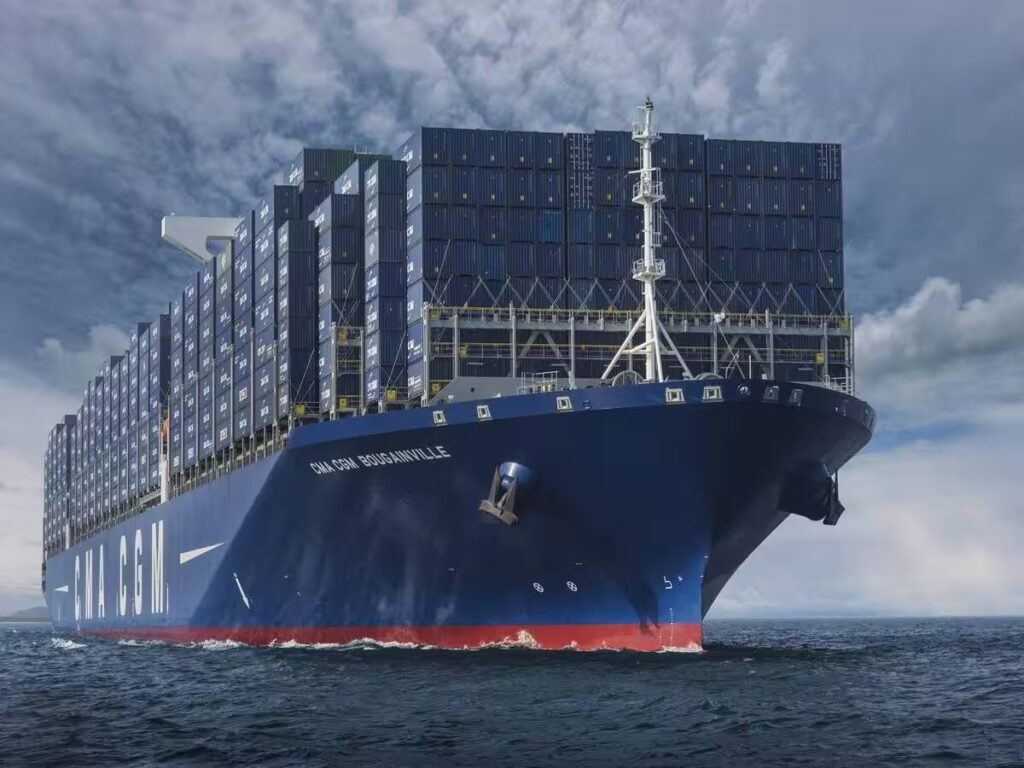
The technical partnership provision could also result in technology and knowledge transfer to Indian shipyards.
Building a modern 8,000-TEU container vessel involves sophisticated design, engineering, construction planning and quality-control requirements. Allowing less-experienced Indian shipyards to work with established foreign technical partners could help accelerate the development of domestic expertise.
The requirement that the foreign partner must have delivered at least two qualifying vessels and provide design support during construction is intended to ensure that participating Indian yards have access to relevant technical knowledge.
If successfully implemented, such partnerships could create a pathway for Indian shipyards to gradually move from assisted construction to independent development and production of advanced commercial vessels.
Global Competition Remains Open
Although the tender gives Indian shipyards a preference through RoFR, SCI has not restricted the competition exclusively to domestic companies.
Eligible foreign shipbuilders can still submit bids, ensuring that the procurement process remains internationally competitive.
The structure means Indian shipyards must still demonstrate their ability to compete on the evaluated terms. The RoFR mechanism provides an opportunity to match the best eligible foreign offer rather than automatically awarding the contract to a domestic bidder.
This approach could encourage greater efficiency among Indian shipyards while protecting the broader objective of building domestic capacity.
Why the SCI Tender Matters for India’s Maritime Sector
The SCI tender is significant because it connects fleet expansion with the government’s larger objective of developing India’s shipbuilding capabilities.
A successful domestic bid could provide Indian shipyards with a major commercial order, helping them improve capacity utilisation and develop experience in building large container vessels.
It could also create opportunities for smaller suppliers and ancillary companies that form part of the maritime manufacturing ecosystem.
At the same time, the participation of foreign shipbuilders and technical partners could bring international expertise into the domestic industry.
The combination of domestic preference, global competition and technical collaboration could therefore create a model for future large-scale shipbuilding projects.
Container Shipping Capacity Gains Importance
Container shipping has become increasingly important to India’s international trade ambitions.
As global supply chains evolve, reliable access to container shipping capacity is crucial for exporters and importers. Modern container vessels allow large quantities of goods to be transported efficiently across international markets.
For SCI, expanding its fleet with larger cellular container vessels could strengthen its position in the container shipping segment and potentially provide greater capacity to respond to changing trade patterns.
The 8,000-TEU capacity of each proposed vessel places the ships in a substantial segment of the container shipping market, giving SCI an opportunity to expand its operational scale.
SCI’s Move Signals Broader Maritime Ambitions
The $720-million tender represents more than an individual fleet procurement exercise. It comes at a time when India is attempting to build a stronger and more competitive maritime ecosystem.
The success of the project will depend on several factors, including the quality and competitiveness of bids, the ability of Indian shipyards to meet construction requirements, access to financing, technology partnerships and timely execution.
If Indian yards secure the orders and successfully deliver the vessels, the experience could strengthen their credentials for future domestic and international contracts.
It could also help demonstrate that Indian shipyards are capable of participating in the construction of sophisticated large commercial vessels.
Outlook for India’s Shipbuilding Industry
The SCI tender could become an important test of India’s efforts to expand its shipbuilding capabilities.
The combination of a major commercial order, preferential treatment for eligible domestic shipyards, technical partnerships with experienced international players and financial support from the government creates a potentially favourable environment for Indian shipbuilders.
The immediate objective is to construct six 8,000-TEU cellular container vessels, with two firm orders and four optional vessels under the tender framework. The larger significance, however, lies in whether the project can help Indian shipyards develop capabilities that remain valuable well beyond this particular contract.
For SCI, the tender could strengthen its container shipping fleet. For Indian shipyards, it could provide an opportunity to secure one of the country’s most significant commercial shipbuilding orders. And for the wider maritime sector, it could mark another step towards India’s ambition of becoming a more competitive player in global shipbuilding.
With the government providing financial assistance and encouraging domestic participation while retaining international competition, the SCI tender could serve as a bridge between India’s current shipbuilding capacity and its longer-term maritime ambitions.