
The sacred Bhasma Aarti of Lord Mahakaleshwar at Ujjain’s famous Jyotirlinga temple is one of the most unique and revered rituals in Hindu tradition. Performed every morning during the early hours, this special worship ceremony attracts thousands of devotees from across India and the world who wish to witness the divine ritual dedicated to Lord Shiva.
One of the most fascinating aspects of the Bhasma Aarti is the use of holy ash or bhasma, which is applied to the Shivling as part of the worship. For centuries, stories surrounding this ritual have often mentioned the use of ash associated with cremation grounds, reflecting Lord Shiva’s deep connection with the cycle of life, death and rebirth. However, over time, the method of preparing the sacred ash has changed, and the temple now follows a different traditional process for preparing bhasma.
Table of Contents
The Ancient Connection Between Mahakal and Bhasma
Lord Shiva is traditionally associated with vairagya (detachment), destruction of ego and acceptance of the truth of life and death. In many depictions, Shiva is shown with ash smeared on his body, symbolising the temporary nature of the physical world and the ultimate reality of existence.
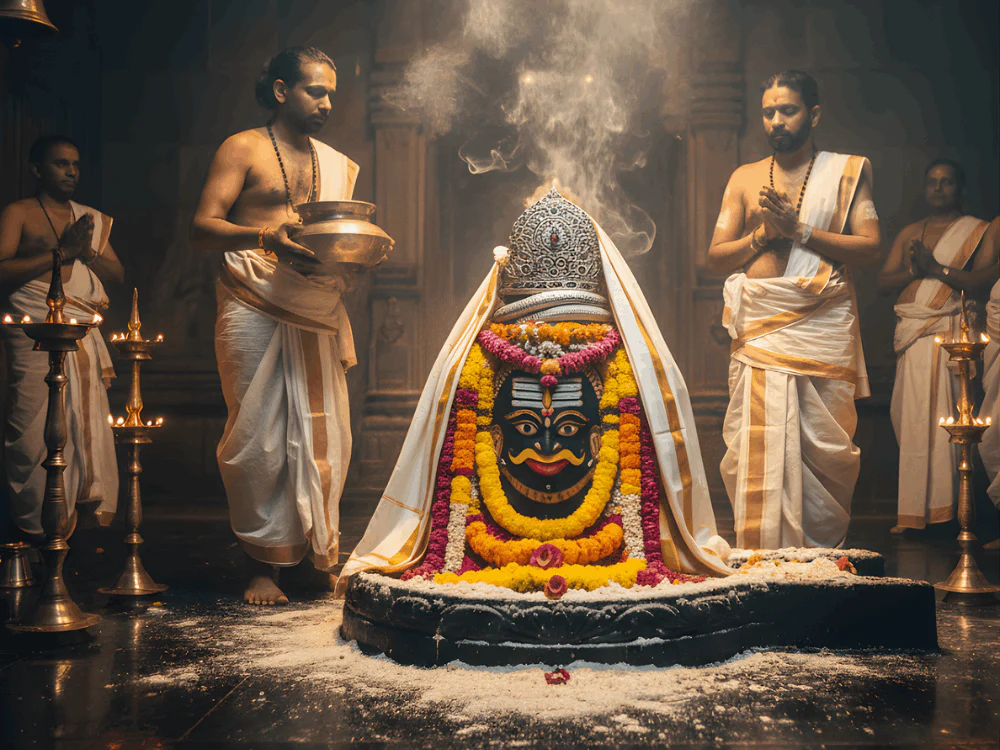
The term Bhasma refers to sacred ash that holds spiritual importance in Shaiv traditions. Devotees believe that applying bhasma represents purification, protection and remembrance of the eternal nature of the soul.
The Mahakaleshwar Temple in Ujjain holds a special position among Shiva temples because Lord Mahakal is worshipped as the ruler of time. The Bhasma Aarti reflects this unique symbolism, where ash becomes a representation of the destruction of worldly attachments and the victory of spirituality.
Earlier Tradition: Was Cremation Ash Used in Bhasma Aarti?
According to historical accounts and popular beliefs, the Bhasma Aarti at Mahakaleshwar was traditionally associated with ash from funeral pyres. The practice was linked to Shiva’s connection with cremation grounds, where he is described in religious traditions as meditating beyond worldly limitations.
Earlier accounts mention that ash from the first cremation pyre of the night was used for the ritual. This belief made the Bhasma Aarti even more distinctive compared to other temple rituals.
However, with changing times, religious practices and administrative considerations, the preparation method of the sacred ash has evolved. The present-day practice involves preparing bhasma from cow dung cakes, which are considered sacred in many Hindu traditions.
How Is Mahakal’s Holy Ash Prepared Today?
The sacred ash used in the Bhasma Aarti is prepared through a traditional process using cow dung cakes (upla/kanda).
The process involves:
1. Preparation of Cow Dung Cakes
Cow dung cakes are prepared and dried following traditional methods. These cakes are considered pure and are used in various Hindu rituals.
2. Burning Process
The dried cow dung cakes are burned in a controlled manner to create ash. The resulting ash is collected carefully for religious purposes.
3. Purification and Preparation
The collected ash undergoes traditional purification practices before being used in temple rituals. Priests prepare the bhasma according to established customs and religious procedures.
4. Use During Bhasma Aarti
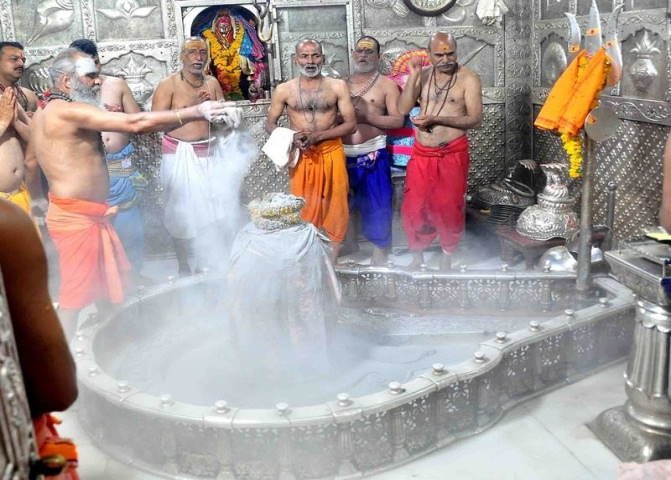
During the early morning Bhasma Aarti, the prepared sacred ash is offered to Lord Mahakaleshwar after various rituals, including the ceremonial bathing of the Shivling with sacred substances.
The entire ceremony is performed with Vedic chants, devotional music and traditional rituals.
The Significance of 4 AM Bhasma Aarti
The Bhasma Aarti begins around 4 AM, during the Brahma Muhurta, which is considered a spiritually powerful time in Hindu traditions.
The ritual begins with the preparation and worship of Lord Mahakal, followed by Abhishek of the Shivling. The deity is bathed with sacred offerings before being decorated with bhasma and other traditional elements.
The atmosphere during the ceremony is filled with:
- Vedic chants
- Temple bells
- Devotional songs
- Traditional instruments
For devotees, witnessing this ritual is considered a deeply spiritual experience.
Why Is Ash Offered to Lord Shiva?
The offering of ash carries deep philosophical meaning in Shaivism.
According to spiritual interpretations, bhasma reminds devotees that:
- Physical existence is temporary.
- Material attachments do not last forever.
- The soul is considered eternal.
- Ego and negativity should be removed.
For followers of Lord Shiva, ash is not seen merely as a physical substance but as a symbol of transformation and spiritual awakening.
Difference Between Bhasma and Ordinary Ash
Although both appear similar, religious bhasma and ordinary ash are considered different.
Ordinary ash is simply the remains after burning material, while sacred bhasma is prepared specifically for religious purposes following traditional methods.
The importance of bhasma comes from:
- The method of preparation
- Religious purification rituals
- Spiritual significance
- Association with Lord Shiva worship
Mahakaleshwar Temple’s Unique Religious Identity
The Mahakaleshwar Jyotirlinga Temple is among the twelve Jyotirlingas of Lord Shiva and holds immense importance for devotees.
The temple’s Bhasma Aarti has become one of its most recognised traditions, attracting pilgrims who wish to experience this rare form of Shiva worship.
Because of the popularity of the ritual, devotees usually need prior arrangements and permissions to attend the ceremony.
Modern Times and Preservation of Tradition
While the method of preparing bhasma has changed, temple authorities and devotees continue to preserve the spiritual essence of the ritual.
The shift from earlier practices to the current preparation process reflects how religious traditions adapt with time while maintaining their core beliefs.
For devotees, the importance of Bhasma Aarti lies not only in the physical ash used during worship but also in the deeper message associated with Lord Shiva — acceptance of truth, spiritual discipline and freedom from worldly illusions.
The Bhasma Aarti of Mahakaleshwar remains one of the most extraordinary religious traditions in India. While earlier stories connect the ritual with cremation ash, the sacred bhasma used today is prepared through a traditional process involving cow dung cakes and religious purification practices.
The ritual continues to represent the timeless philosophy of Lord Shiva — reminding devotees about the cycle of life, the importance of humility and the eternal nature of the soul.
Every morning at Mahakaleshwar Temple, the sacred ash becomes more than just a ritual offering; it becomes a symbol of faith, devotion and the ancient spiritual heritage of India.