
Urine Tests are set to become part of a new voluntary drug screening initiative proposed by the Central government for newly admitted students at some of India’s premier higher educational institutions, including the Indian Institutes of Technology (IITs), Indian Institutes of Management (IIMs), National Institutes of Technology (NITs), and Central Universities.
The initiative, which forms part of the Narcotics Control Bureau’s (NCB) Vision Document: Narcotics Control 2026–29, aims to address the growing concern of substance abuse among students through early identification, counselling, medical support, and rehabilitation rather than punitive action.
The Ministry of Education has clarified that the proposed Urine Tests will be entirely voluntary and that the results will have no impact on admissions, academic opportunities, hostel allotment, or disciplinary action. Instead, students found to have used prohibited substances will be offered professional counselling, healthcare support, and rehabilitation services in a confidential and supportive environment. By prioritising student well-being over punishment, the government hopes to foster healthier campuses, strengthen awareness about substance abuse, and promote a safe and supportive learning environment across India’s leading higher education institutions.
Table of Contents
Government Plans Voluntary Urine Tests for New Students
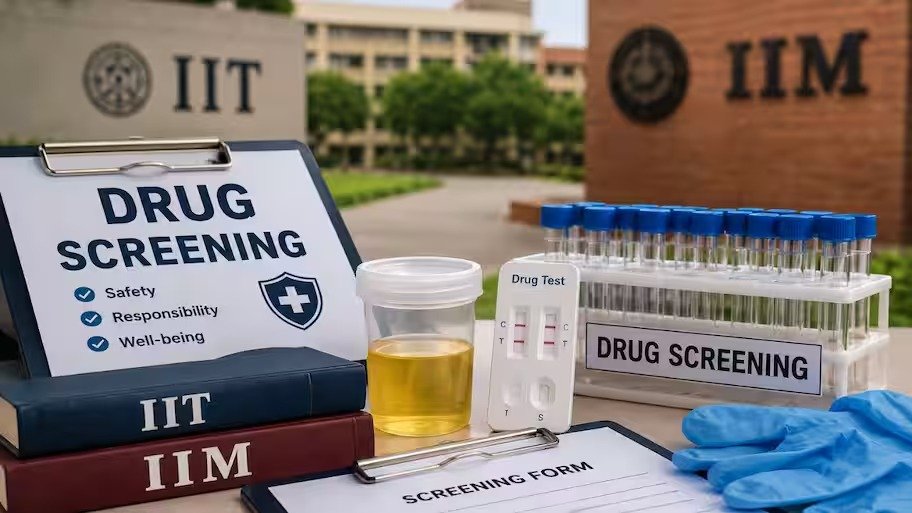
According to the proposed framework, newly admitted students at selected centrally funded higher educational institutions will be encouraged to undergo voluntary urine tests as part of a nationwide anti-drug initiative.
The Ministry of Education has clarified that participation will not be mandatory and that students who choose to take the screening will not face any academic or administrative consequences based on the results.
Officials have categorically stated that even if a student tests positive for substance use, the findings will not be used to cancel admission, suspend the student, expel them from the institution, or deny hostel accommodation.
The urine test initiative is designed to identify students who may need support and connect them with healthcare professionals for counselling and rehabilitation.
Part of the NCB Vision Document 2026–29
The proposed screening programme is one of the flagship initiatives outlined in the Narcotics Control Bureau’s Vision Document: Narcotics Control 2026–29, which focuses on strengthening India’s response to drug abuse through prevention, awareness, treatment, and coordinated enforcement.
A key objective of the vision document is to voluntarily screen nearly 10 lakh students over the next three years across approximately 170 centrally funded higher education institutions.
The programme reflects a shift towards preventive healthcare by identifying potential substance use at an early stage and ensuring that affected students receive professional support before addiction becomes more severe.

Why the Government Is Introducing the Programme
The initiative comes amid growing concerns about reports of increasing substance use among students studying at universities and premier educational institutions across India.
Experts have repeatedly pointed out that academic pressure, social influences, mental health challenges, anxiety, depression, and easy availability of narcotic substances can contribute to experimentation with drugs among young adults.
Recognising that addiction is fundamentally a health issue rather than solely a law enforcement concern, policymakers are adopting an intervention model centred on treatment instead of punishment.
Officials believe that encouraging voluntary participation and eliminating fear of disciplinary consequences will motivate more students to seek help when required.
Health-First, Not Punishment
One of the defining features of the proposed initiative is its non-punitive approach.
The Ministry of Education has stressed that the programme is intended solely for health assessment and early intervention.
Students who test positive will not face:
- Cancellation of admission.
- Suspension from classes.
- Expulsion from the institution.
- Denial of hostel accommodation.
- Academic penalties.
- Restrictions on examinations or campus participation.
Instead, institutions will facilitate access to:
- Professional counselling.
- Medical evaluation.
- Psychological support.
- Rehabilitation services where necessary.
- Continued academic assistance.
Officials say this approach recognises substance dependence as a public health challenge requiring compassion and professional treatment rather than disciplinary action.

Institutions Covered Under Phase One
The government plans to implement the programme in a phased manner.
The first phase will include some of India’s premier educational institutions, such as:
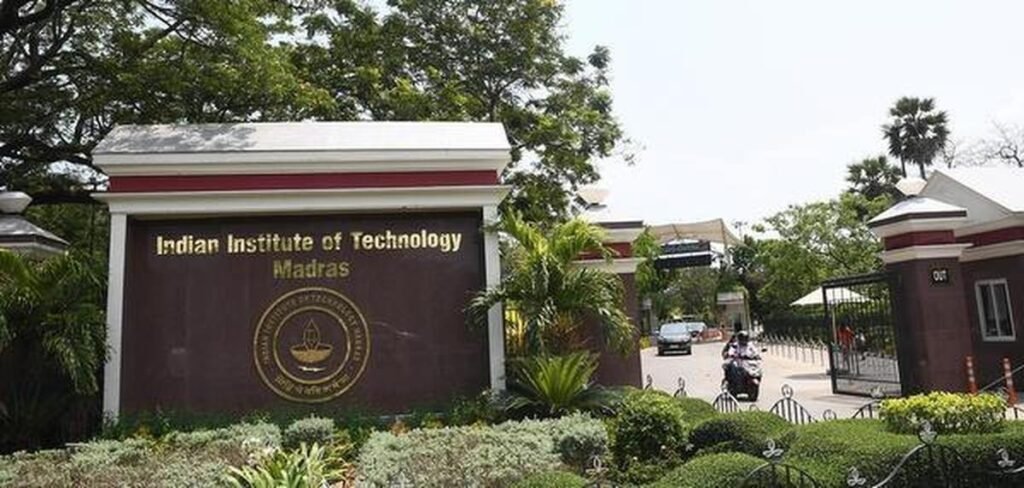
- Indian Institutes of Technology (IITs).
- Indian Institutes of Management (IIMs).
- Central Universities.
These institutions have been selected as the initial focus because they collectively enrol thousands of students from across the country every year and often serve as models for educational policy implementation.
Expansion in Future Phases
Following the initial rollout, the government intends to gradually expand the programme to other centrally funded higher education institutions.
Future phases are expected to include:
- National Institutes of Technology (NITs).
- Indian Institutes of Information Technology (IIITs).
- Central educational institutions funded by the Government of India.
- Other higher education campuses under central administration.
By implementing the programme in stages, authorities hope to evaluate outcomes, strengthen institutional support systems, and incorporate lessons learned before expanding nationwide.
Counselling and Rehabilitation to Be Prioritised
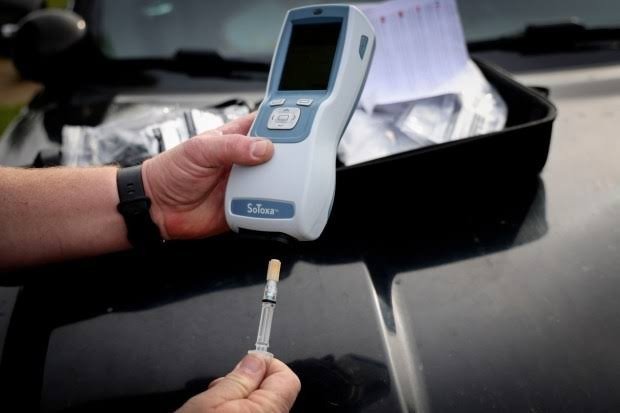
Rather than merely identifying substance use, the programme places significant emphasis on post-screening support.
Students requiring assistance may receive:
Professional Counselling
Qualified mental health professionals will help students understand substance dependence, emotional well-being, stress management, and healthy coping mechanisms.
Medical Support
Students may undergo medical evaluation to determine whether specialised treatment is required.
Rehabilitation Services
Where appropriate, institutions may facilitate access to rehabilitation programmes designed to help students recover while continuing their education.
Officials believe that integrating healthcare into campus life can significantly improve long-term outcomes for affected students.
Anti-Drug Awareness Campaigns Across Campuses
The voluntary screening programme will be supported by broader awareness initiatives aimed at preventing substance abuse before it begins.
Educational institutions are expected to organise:
- Anti-drug awareness seminars.
- Expert lectures.
- Student interaction programmes.
- Peer education initiatives.
- Health education workshops.
- Information campaigns regarding the dangers of narcotics.
These awareness efforts are intended to reduce stigma while improving students’ understanding of addiction and available support systems.
Mental Health Services to Be Strengthened
Recognising the close relationship between mental health and substance abuse, authorities also plan to strengthen psychological support services on campuses.
Institutions are expected to expand:
- Mental health counselling centres.
- Student wellness programmes.
- Stress management workshops.
- Emotional support services.
- Professional psychological consultations.
Many experts believe that improving access to mental healthcare can significantly reduce the likelihood of students turning to substance use as a coping mechanism.
Confidential Helplines and Student Support
The urine test initiative also proposes expanding confidential support mechanisms within higher educational institutions.
Students may have access to:
- Confidential helplines.
- Wellness centres.
- Student support groups.
- Anonymous counselling services.
- Crisis intervention teams.
These measures are intended to encourage students to seek help voluntarily without fear of judgement or disciplinary consequences.
Privacy Safeguards Assured
The Ministry of Education has emphasised that privacy will remain a fundamental component of the programme.
Authorities have assured students that:
- Test results will remain confidential.
- Personal information will be protected.
- Data will be shared only with authorised healthcare professionals.
- Results will not become part of academic records.
- Institutional confidentiality protocols will be strictly followed.
Officials believe strong privacy safeguards are essential to building trust and encouraging voluntary participation.
Role of Educational Institutions
Institutions participating in the programme are expected to play an active role in promoting healthy campus environments.
Their responsibilities may include:
- Facilitating voluntary screening.
- Organising awareness campaigns.
- Providing counselling infrastructure.
- Coordinating medical referrals.
- Monitoring student wellness.
- Encouraging responsible campus culture.
By Urine Test integrating health promotion into institutional policies, colleges can create more supportive learning environments for students.
Understanding Substance Abuse Among Young Adults
Public health experts note that substance abuse among young adults is a complex issue influenced by multiple factors, including academic stress, peer pressure, mental health concerns, curiosity, social environments, and personal challenges.
Research indicates that early identification, family support, counselling, and timely intervention significantly improve recovery outcomes. Consequently, several educational systems around the world have increasingly adopted preventive and rehabilitation-focused strategies instead of punitive measures.
The proposed initiative aligns with this Urine Test broader public health perspective by encouraging voluntary participation and prioritising treatment over punishment.
Challenges and Implementation Considerations
While the programme has been designed with a supportive framework, Urine Test its successful implementation will depend on several factors, including institutional preparedness, availability of qualified counsellors, adequate medical infrastructure, and effective awareness campaigns.
Experts also stress the importance of maintaining strict confidentiality, ensuring informed consent, and avoiding any form of discrimination against students who choose to participate in the screening.
Building trust between students and educational institutions will be critical to achieving the programme’s objectives.
The proposed voluntary urine testing programme represents a significant shift in India’s approach to addressing substance abuse in higher education. Urine Test ,Rather than relying on punitive measures, the government is seeking to build a comprehensive support system that combines early detection, counselling, mental healthcare, rehabilitation, and awareness to foster healthier academic environments.
As the urine test initiative is rolled out in phases across IITs, IIMs, central universities, and other centrally funded institutions, authorities hope it will encourage students to seek help without fear of disciplinary consequences. Urine Test ,By treating urine test substance use as a health issue rather than solely a disciplinary matter, the programme aims to strengthen student well-being, promote responsible campus culture, and contribute to safer, healthier educational institutions across the country.
What Students Should Know Before Participating
As the proposed voluntary screening programme moves closer to implementation, education experts advise students to understand both the purpose and scope of the initiative. The urine test programme is intended as a preventive health measure rather than an assessment of academic merit or personal conduct. Since participation is voluntary, students will be encouraged to make informed decisions after understanding the objectives of the screening and the support available thereafter.
Authorities have reiterated that the programme is designed to create a supportive environment where students can seek help without fear of stigma or institutional consequences. If a student requires medical or psychological assistance, educational institutions are expected to coordinate with qualified healthcare professionals to ensure timely intervention while respecting confidentiality.
Students and parents are also likely to receive detailed guidelines from participating institutions regarding the screening process, consent requirements, privacy safeguards, and the counselling services available on campus. These guidelines are expected to clarify that personal health information will remain protected and that the screening is separate from the admission process.
Balancing Student Welfare with Campus Safety
The proposed initiative reflects a broader shift in educational policy, where student well-being is increasingly viewed as an essential component of academic success. Universities across the world have recognised that addressing issues such as substance abuse, stress, anxiety, and mental health requires comprehensive support systems rather than disciplinary measures alone.
By combining voluntary screening with awareness campaigns, counselling, rehabilitation, and strengthened mental health services, the government aims to create campuses that prioritise prevention and early intervention. Educational experts believe that such measures can contribute to healthier learning environments, improve student well-being, and encourage responsible decision-making during a crucial phase of young adults’ lives.
As the phased rollout begins at premier institutions such as the IITs, IIMs, and central universities, the initiative will be closely monitored to assess participation levels, effectiveness, and institutional preparedness. Feedback from students, faculty members, healthcare professionals, and administrators is expected to shape the future expansion of the urine test programme to other higher educational institutions across the country.
If implemented successfully, the voluntary urine test programme could become an important component of India’s broader strategy to combat substance abuse through awareness, healthcare, and early urine test intervention. Rather than focusing solely on enforcement, the urine test initiative seeks to foster a campus culture where students feel supported, informed, and empowered to seek help whenever needed—strengthening both educational outcomes and overall student welfare.