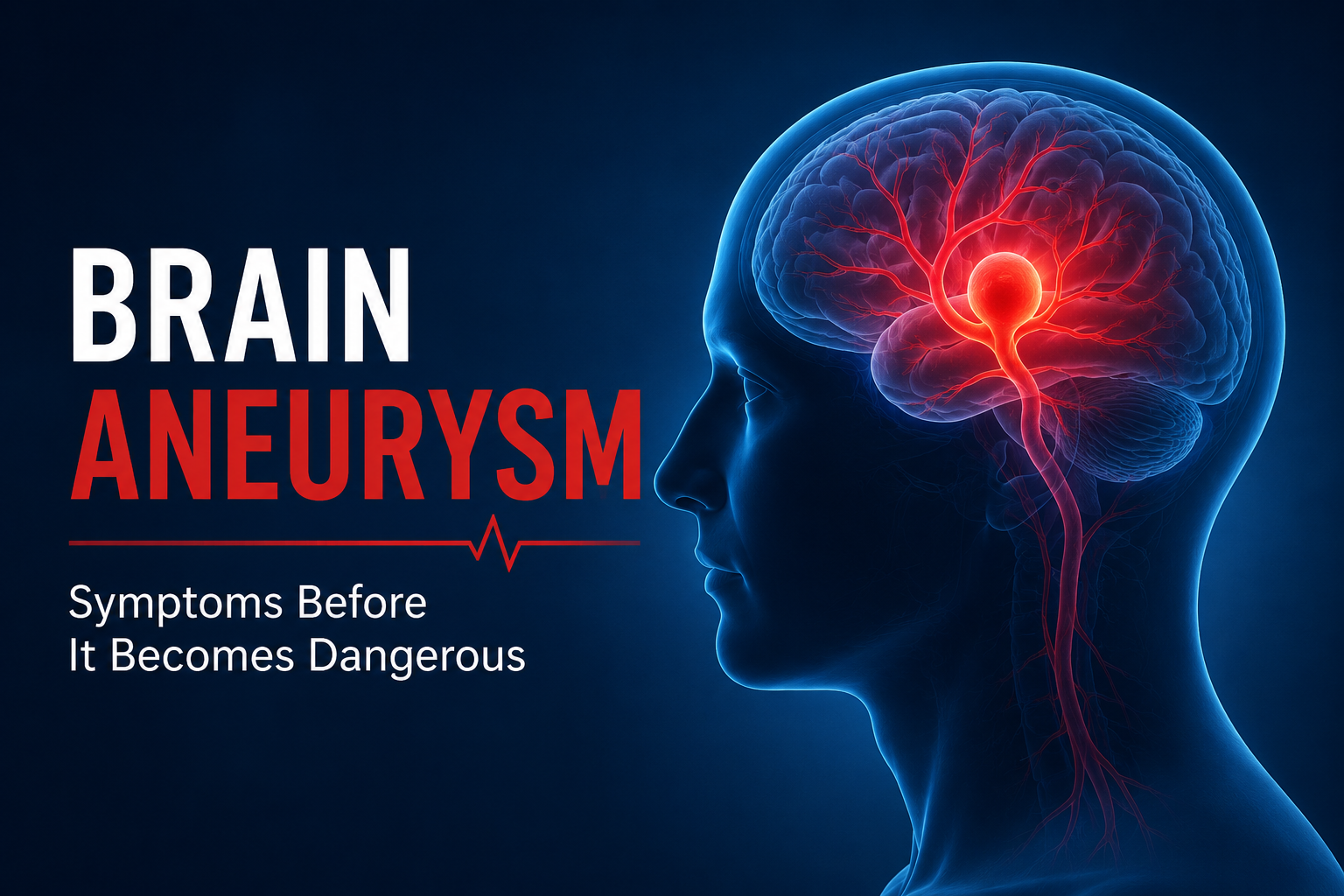
A brain aneurysm is a potentially life-threatening condition that often develops silently without causing noticeable symptoms in its early stages. It occurs when the wall of a blood vessel in the brain becomes weak and begins to bulge outward, creating a balloon-like swelling. While many aneurysms remain stable for years without causing problems, a ruptured brain aneurysm can lead to severe bleeding in the brain, resulting in a medical emergency that requires immediate treatment.
Medical experts warn that because brain aneurysms often develop without obvious symptoms, they are frequently referred to as a “silent killer.” According to Dr. K.K. Jindal, Director of Neurology at CK Birla Hospital, Delhi, many people are unaware that they have a brain aneurysm until it becomes large enough to press on nearby nerves or, in more serious cases, ruptures.
Early recognition of warning signs, timely diagnosis, and appropriate treatment can significantly improve outcomes. Here’s everything you need to know about brain aneurysms, including why they occur, symptoms to watch for, who is at greater risk, available treatment options, and steps that may help reduce the risk of complications.
Table of Contents
What Is a Brain Aneurysm?
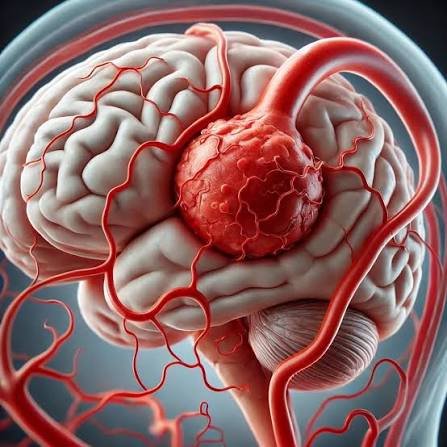
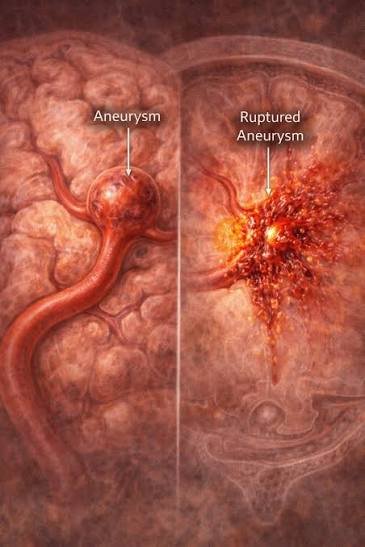
A brain aneurysm develops when a weakened section of a blood vessel wall in the brain begins to expand outward, forming a balloon-like bulge.
In many cases, the aneurysm remains small and does not rupture. However, if the weakened blood vessel bursts, it causes bleeding into or around the brain. This condition is known as a ruptured brain aneurysm, which is considered one of the most dangerous forms of stroke and can become life-threatening if emergency medical care is delayed.
According to Dr. K.K. Jindal, the condition often remains undetected because many patients experience no symptoms in the early stages.
Why Is a Brain Aneurysm Called a ‘Silent Killer’?
Brain aneurysms are commonly described as a silent killer because they often develop without producing noticeable symptoms.
A person may live with an aneurysm for several years without realizing it exists. Symptoms usually appear only when the aneurysm grows large enough to press on nearby nerves or when it ruptures.
Because of this silent progression, many cases are diagnosed only during brain imaging performed for another medical condition or after a medical emergency occurs.
Symptoms of an Unruptured Aneurysm
Although many brain aneurysms remain symptom-free, larger aneurysms may begin pressing on surrounding nerves and tissues, leading to certain warning signs.
According to the expert, symptoms of an unruptured brain aneurysm may include:
Persistent Headache on One Side
A person may experience continuous pain affecting one side of the head.
Pain Behind or Above the Eye
Pressure created by the aneurysm can cause discomfort around or behind one eye.
Blurred or Double Vision
Vision problems, including blurred vision or seeing double, may occur if nearby nerves become affected.
Drooping of One Eyelid
Weakness in the muscles controlling the eyelid may cause one eyelid to droop.
Numbness or Weakness on One Side of the Face
Pressure on facial nerves may lead to numbness or muscle weakness affecting part of the face.
Enlarged Pupil
An aneurysm may also cause one pupil to become noticeably larger than the other.
Experts advise that these symptoms should not be ignored, particularly if they develop suddenly or persist over time.
Symptoms of a Ruptured Brain Aneurysm
A ruptured brain aneurysm is a medical emergency that requires immediate hospital treatment.
Doctors warn that every minute is critical because delayed treatment may result in permanent brain damage or even death.
Warning signs of a ruptured aneurysm include:
- A sudden, extremely severe headache unlike anything experienced before
- Nausea or vomiting
- Stiff neck
- Sensitivity to bright light
- Confusion
- Fainting or loss of consciousness
- Seizures
- Weakness in any part of the body
- Difficulty speaking
Anyone experiencing these symptoms should seek emergency medical attention immediately.
Who Is at Higher Risk of Developing a Aneurysm?
Although a brain aneurysm can affect anyone, certain factors increase the likelihood of developing the condition.
According to Dr. K.K. Jindal, higher-risk groups include:
People With High Blood Pressure
Uncontrolled hypertension places continuous pressure on blood vessel walls, increasing the risk of weakening.
Smokers
Smoking damages blood vessels and significantly raises the risk of aneurysm formation and rupture.
Heavy Alcohol Consumers
Excessive alcohol intake may contribute to vascular damage and other health conditions that increase risk.
Family History of Brain Aneurysm
Individuals whose close relatives have previously experienced a brain aneurysm may have a higher genetic risk.
People With Polycystic Kidney Disease or Certain Congenital Disorders
Some inherited medical conditions are associated with a greater likelihood of developing brain aneurysms.
Women Above 40 Years of Age
Experts note that women over the age of 40 may have a relatively higher risk compared to younger individuals.
Understanding these risk factors can help people discuss screening options with their healthcare provider when appropriate.
How Is a Brain Aneurysm Diagnosed?
Doctors use advanced imaging techniques to detect brain aneurysms and assess their size, location, and risk of rupture.
Diagnostic tests may include:
CT Scan
A CT scan helps identify bleeding and provides detailed images of the brain.
CT Angiography (CTA)
CTA uses contrast dye to produce detailed images of blood vessels and detect aneurysms.
MR Angiography (MRA)
Magnetic Resonance Angiography offers another non-invasive method for examining blood vessels in the brain.
Digital Subtraction Angiography (DSA)
DSA is considered one of the most detailed imaging techniques for evaluating brain blood vessels and aneurysms.
The choice of test depends on the patient’s symptoms and the doctor’s clinical assessment.
Treatment Options for Brain Aneurysm
Treatment is planned after evaluating:
- The size of the aneurysm
- Its location
- The likelihood of rupture
- The patient’s overall health
Modern treatment options include:
Microsurgical Clipping
A surgeon places a tiny clip at the base of the aneurysm to stop blood from entering it.
Endovascular Coiling
A minimally invasive procedure in which small coils are inserted into the aneurysm through blood vessels to reduce the risk of rupture.
Flow-Diverter Procedure
Special devices called flow diverters redirect blood away from the aneurysm, helping the weakened blood vessel heal over time.
Doctors determine the most suitable treatment based on each patient’s condition.
Can a Brain Aneurysm Be Prevented?
Not every brain aneurysm can be prevented because some cases are linked to inherited or congenital conditions.
However, experts say several healthy lifestyle measures may reduce the risk of aneurysm rupture.
These include:
Control Blood Pressure
Keeping blood pressure within a healthy range reduces stress on blood vessel walls.
Quit Smoking
Completely avoiding cigarettes can significantly lower vascular damage.
Limit Alcohol Consumption
Reducing excessive alcohol intake supports overall blood vessel health.
Eat a Healthy Diet and Exercise Regularly
Maintaining a balanced diet and engaging in regular physical activity contribute to cardiovascular health.
Seek Medical Advice if There Is a Family History
Individuals with relatives who have experienced brain aneurysms should discuss appropriate screening with their doctor.
Why Early Detection Is Important
Because brain aneurysms often remain symptom-free for years, routine medical evaluation becomes particularly important for individuals with significant risk factors.
Early diagnosis allows doctors to monitor aneurysms before they rupture and recommend appropriate treatment if necessary.
Prompt medical attention following warning signs can reduce the likelihood of severe complications and improve long-term outcomes.
Key Highlights
- A brain aneurysm occurs when a weakened brain blood vessel swells like a balloon.
- Many aneurysms cause no symptoms in the early stages and are often called a “silent killer.”
- Larger aneurysms may cause headaches, eye pain, blurred vision, facial weakness, or drooping eyelids.
- A ruptured brain aneurysm is a life-threatening emergency requiring immediate medical treatment.
- Sudden severe headache, seizures, neck stiffness, confusion, and difficulty speaking require urgent medical attention.
- High blood pressure, smoking, heavy alcohol consumption, family history, polycystic kidney disease, certain congenital disorders, and women over 40 years are among the higher-risk groups.
- Brain aneurysms are diagnosed using CT scan, CTA, MRA, and DSA.
- Treatment options include microsurgical clipping, endovascular coiling, and flow-diverter procedures.
- Healthy lifestyle habits and blood pressure control may help reduce the risk of rupture.
A brain aneurysm is a serious neurological condition that may remain unnoticed for years before causing life-threatening complications. According to Dr. K.K. Jindal, many people are unaware they have a brain aneurysm because symptoms often appear only when the swollen blood vessel enlarges or ruptures.
Recognizing warning signs such as persistent one-sided headaches, vision changes, facial weakness, or the sudden onset of an extremely severe headache is essential. Advances in medical imaging and modern treatment techniques have improved the diagnosis and management of brain aneurysms, making early detection more important than ever.
Although not every aneurysm can be prevented, controlling blood pressure, avoiding smoking, limiting alcohol consumption, maintaining a healthy lifestyle, and seeking medical evaluation when risk factors are present may help reduce the chances of serious complications. Timely medical attention remains the most effective way to protect brain health and improve outcomes.