Forgetfulness and forgetting small things occasionally is a common experience that many people face in their daily lives. Misplacing keys, forgetting someone’s name for a moment, or struggling to remember where an item was kept can happen due to several temporary reasons such as stress, tiredness, or lack of concentration. However, experts warn that when forgetfulness becomes frequent, starts affecting daily activities, or is accompanied by other changes in thinking and behavior, it should not be ignored.
Memory plays an important role in our ability to learn, make decisions, communicate, and perform everyday tasks. A decline in memory function caused by frequent Forgetfulness may sometimes indicate an underlying health issue that requires attention. Identifying the cause at an early stage can help in better management, timely treatment, and improving quality of life.
Table of Contents
Health experts explain that Forgetfulness does not always mean a serious disease and can often occur due to lifestyle-related reasons. Several lifestyle factors, nutritional deficiencies, emotional stress, and certain medications can temporarily affect memory. However, repeated memory problems may also be linked to neurological conditions such as dementia, making it important to understand when a normal lapse of memory becomes a matter of concern.
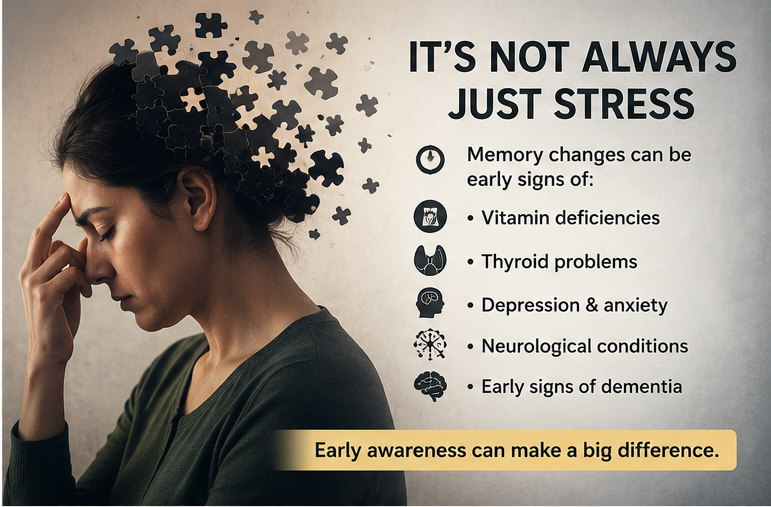
Why Does Frequent Forgetfulness Happen? Understanding Common Causes
Memory is a complex function controlled by different parts of the brain. Several factors can influence how effectively the brain stores and recalls information.
In modern lifestyles, increasing workload, long working hours, excessive screen use, and constant mental pressure have become common reasons behind concentration problems.
Some common causes of frequent forgetfulness include:
Lack of Proper Sleep
Sleep plays a major role in maintaining brain health. During sleep, the brain processes information collected throughout the day and helps strengthen memories.
People who do not get adequate sleep may experience difficulty concentrating, reduced alertness, and problems remembering important details.
Long-term sleep deprivation can affect cognitive abilities and make everyday tasks more challenging.
Stress and Mental Fatigue
Continuous stress can negatively affect the brain’s ability to focus and remember information.
When a person remains under constant pressure, the mind may remain occupied with worries, reducing attention toward other tasks.
Mental exhaustion caused by excessive workload, personal problems, or emotional stress can often result in temporary memory difficulties.
Nutritional Deficiencies
Certain nutrients are important for healthy brain functioning.
Deficiency of vitamins, particularly vitamin B12, may affect nerve health and contribute to memory-related problems.
A balanced diet containing essential vitamins, minerals, proteins, and healthy fats supports overall brain function.
Age-Related Changes
As people grow older, some changes in memory are considered a normal part of aging.
Occasionally forgetting names or taking more time to recall information may happen with increasing age.
However, experts emphasize that severe memory loss, confusion, or difficulty performing routine activities should not be considered a normal part of aging and requires medical evaluation.
Effect of Certain Medicines
Some medications may influence concentration and memory.
People taking multiple medicines should discuss possible side effects with their healthcare provider, especially if they notice sudden changes in memory or mental alertness.
When Can Forgetfulness Be a Sign of a Serious Problem?
According to the World Health Organization (WHO), brain health is closely connected with a person’s ability to think, learn, remember, and complete daily activities.
Frequent forgetfulness is not always a sign of a serious illness, but in some cases it can be an early indication of conditions affecting brain function.
One such condition is dementia.
Dementia is not a single disease but a group of conditions that gradually affect memory, thinking abilities, decision-making skills, and the ability to manage everyday activities.
While dementia is more commonly associated with older age groups, experts stress that persistent changes in memory and thinking should be evaluated regardless of age.

Understanding Dementia and Memory Decline
Dementia affects the way the brain processes information.
In the early stages, symptoms may appear mild and can sometimes be mistaken for normal aging or stress.
However, as the condition progresses, individuals may experience increasing difficulty with:
- Remembering recent events
- Managing routine activities
- Making decisions
- Recognizing familiar people
- Communicating effectively
- Understanding situations
Early identification can help individuals and families seek appropriate medical support and plan necessary care.
Warning Signs That Should Not Be Ignored
Experts advise people to seek medical guidance if forgetfulness begins interfering with everyday life.
Some warning signs include:
Repeatedly Asking the Same Questions
If a person repeatedly asks the same question within a short period despite receiving an answer, it may indicate a problem with memory retention.
Difficulty Recognizing Familiar People or Places
Forgetting names occasionally is common, but difficulty identifying close family members, friends, or familiar locations may require attention.
Getting Lost in Familiar Areas
A person who frequently forgets routes or becomes confused in places they know well should consult a healthcare professional.
Problems Finding Words
Occasionally forgetting a word is normal. However, regularly struggling to communicate, complete sentences, or find simple words may indicate changes in cognitive function.
Difficulty Making Decisions
Memory problems combined with difficulty handling finances, planning activities, or making routine decisions may be a concerning sign.
Sudden Changes in Behavior or Personality
Unexpected changes in mood, behavior, emotional responses, or personality along with memory problems should not be overlooked.
Difficulty Understanding Information
If a person struggles to understand conversations, instructions, or familiar tasks, medical advice may be necessary.
Difference Between Normal Forgetfulness and Concerning Memory Loss
Experts explain that there is a difference between occasional forgetfulness and memory decline that affects daily functioning.
For example, forgetting where you placed your phone but remembering later is generally considered normal.
However, repeatedly losing important information, forgetting recent conversations, or being unable to complete familiar tasks may require further evaluation.
The key factor is whether memory problems interfere with independent living and regular activities.
How to Improve Memory and Support Brain Health
Maintaining brain health requires consistent lifestyle habits.
Experts recommend several steps to improve memory and overall cognitive function.
Get Adequate Sleep
Adults should maintain a regular sleep schedule and ensure sufficient rest.
Quality sleep supports memory formation, concentration, and emotional balance.
Follow a Balanced Diet
A nutritious diet supports brain health.
Include foods rich in:
- Vitamins
- Minerals
- Protein
- Healthy fats
- Fresh fruits and vegetables
A balanced eating pattern can help provide essential nutrients required for proper brain functioning.
Exercise Regularly
Physical activity improves blood circulation, including blood flow to the brain.
Regular exercise can support mental health, reduce stress, and contribute to better cognitive performance.
Keep the Brain Active
Mental stimulation helps keep the brain engaged.
Activities such as:
- Reading books
- Learning new skills
- Solving puzzles
- Playing memory games
- Exploring creative hobbies
can help maintain mental activity.
Manage Stress Effectively
Reducing stress is important for protecting memory.
Relaxation techniques, meditation, spending time with loved ones, and maintaining healthy routines can support emotional well-being.
Avoid Smoking and Excessive Alcohol Consumption
Smoking and excessive alcohol intake can negatively affect overall health, including brain function.
Avoiding these habits can contribute to better long-term cognitive health.
Importance of Timely Medical Consultation
Many people ignore repeated forgetfulness thinking it is only due to age or stress.
However, experts recommend seeking medical advice if memory problems continue to increase or begin affecting everyday activities.
Doctors may evaluate:
- Medical history
- Lifestyle habits
- Medication use
- Nutritional status
- Cognitive abilities
Depending on the cause, appropriate treatment, lifestyle changes, or further investigations may be recommended.
Growing Importance of Brain Health Awareness
As modern lifestyles become increasingly demanding, awareness about brain health has become more important. People often focus on physical fitness but overlook cognitive health.

Maintaining a healthy brain requires a combination of good sleep, proper nutrition, physical activity, mental stimulation, and emotional balance.
Experts emphasize that memory problems should be addressed with understanding rather than fear. Early attention and proper guidance can help manage many conditions effectively.
Forgetting things occasionally is a normal part of life, especially during periods of stress, tiredness, or distraction. However, frequent forgetfulness that affects daily activities, communication, decision-making, or recognition of familiar people and places should not be ignored.
Experts explain that memory problems can arise due to several reasons, including lack of sleep, stress, nutritional deficiencies, medication effects, and age-related changes. In some cases, repeated memory decline may also indicate serious conditions such as dementia.
Maintaining a healthy lifestyle, staying mentally active, managing stress, and seeking medical advice when necessary can play an important role in protecting brain health. Paying attention to early warning signs and taking timely action can help individuals maintain better memory and overall quality of life.