Heat Smart School has emerged as a major step towards creating safer and climate-resilient learning environments as the Delhi Government, in collaboration with the National Disaster Management Authority (NDMA), GIZ India and other partner organisations, launched an innovative pilot project aimed at protecting schoolchildren from the growing threat of extreme heat and heatwaves. The initiative reflects the increasing need for schools to adapt to climate change, which has made summers longer, hotter and more dangerous, particularly for children.
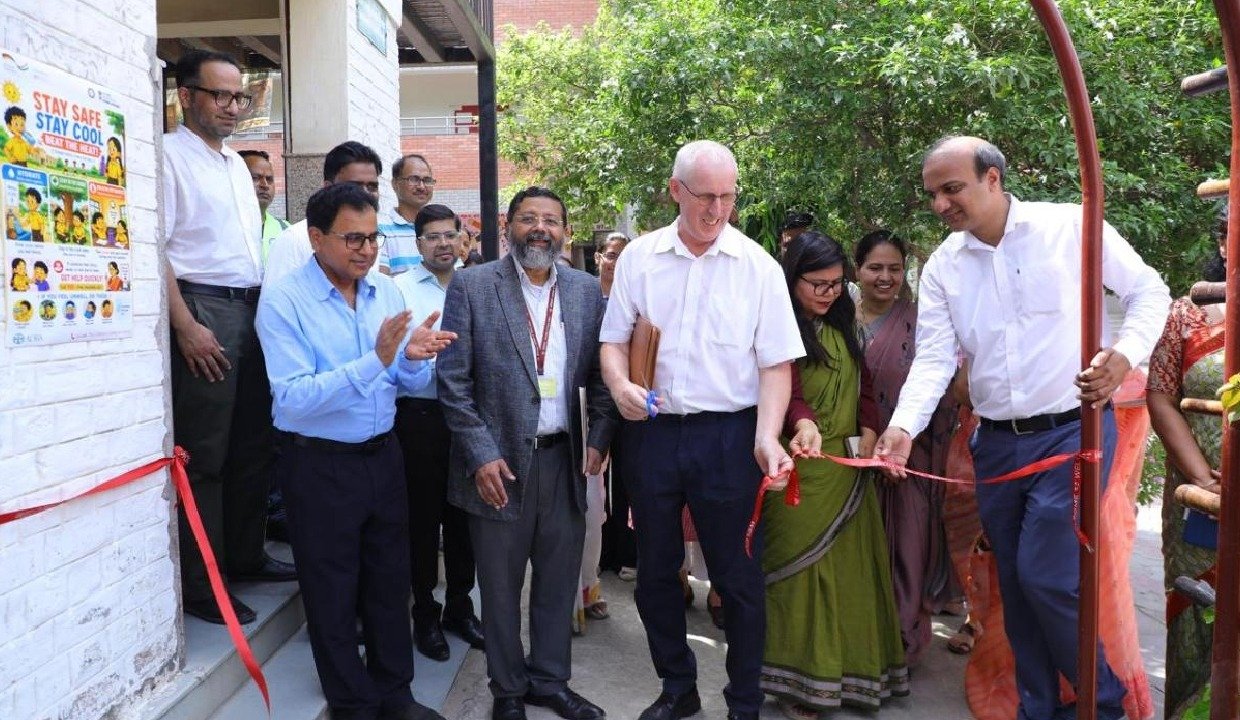
The pilot project was showcased during a high-level visit to Sarvodaya Bal Vidyalaya in BT Block, Shalimar Bagh, where officials reviewed a series of practical interventions designed to reduce heat stress and improve student safety. As heatwaves become more frequent across India, the Heat Smart School model offers a roadmap for making educational institutions better prepared to deal with climate-related challenges while ensuring that learning continues in a safe and healthy environment.
The initiative also highlights how governments, disaster management agencies, international organisations and educational institutions can work together to create sustainable solutions that protect children from the direct impacts of climate change.
Table of Contents
Why Heat Smart School Has Become Necessary
Heatwaves are no longer rare weather events. Over the past decade, India has witnessed a steady rise in both the frequency and intensity of extreme heat conditions. According to climate experts, increasing global temperatures, rapid urbanisation and the urban heat island effect have made cities like Delhi especially vulnerable during the summer months.
Schools are among the places most affected by rising temperatures because children spend several hours each day in classrooms, playgrounds and outdoor spaces. High temperatures can reduce concentration, cause dehydration, increase fatigue and, in severe cases, lead to heat exhaustion or heatstroke.
The Heat Smart School initiative addresses these risks by introducing practical measures that lower indoor temperatures, improve hydration facilities and spread awareness about heat safety among students, teachers and parents.
Rather than responding only after a heatwave occurs, the project focuses on preparedness and prevention, making schools more resilient before extreme weather strikes.

High-Level Delegation Reviews the Pilot Project
The Heat Smart School pilot received attention from senior government officials, disaster management experts and international development partners during their visit to Sarvodaya Bal Vidyalaya.
The delegation included representatives from the National Disaster Management Authority, the Delhi Government, GIZ India, the Embassy of Germany, ADRA India and the district administration. Officials inspected various climate-responsive features introduced within the school campus and evaluated how these interventions can improve student safety during periods of extreme heat.
The visit demonstrated the importance of collaboration between multiple institutions in addressing one of the fastest-growing climate challenges affecting urban populations.
Practical Solutions Introduced Under Heat Smart School
One of the biggest strengths of the Heat Smart School model is its focus on simple, affordable and scalable solutions.
Instead of relying only on expensive infrastructure, the project combines engineering improvements with behavioural awareness and community participation.
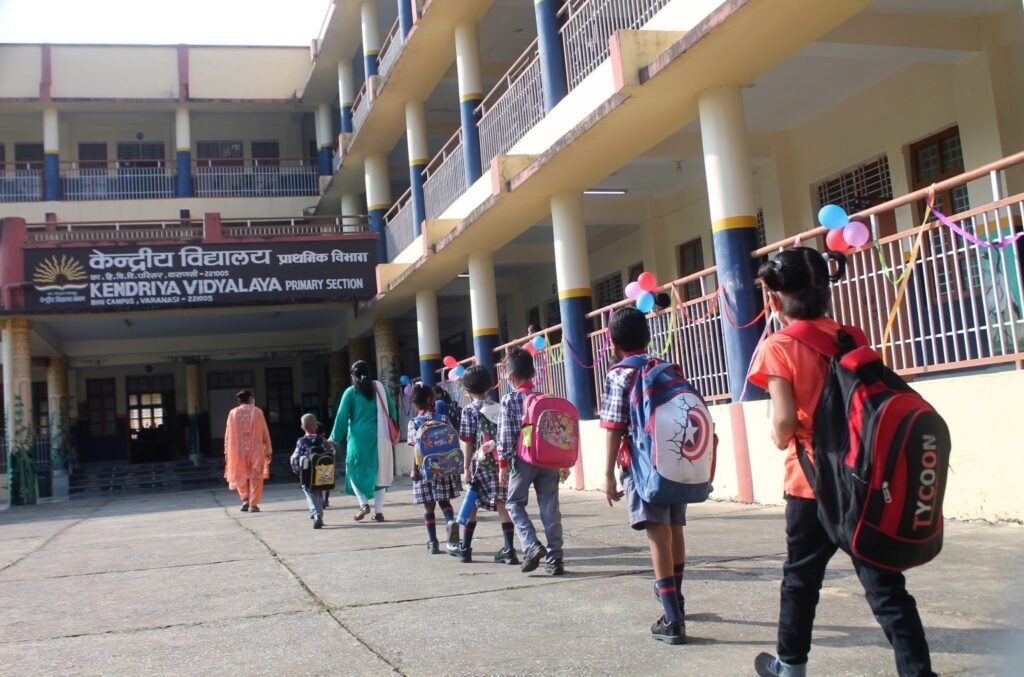
Among the major interventions introduced at the school are cool roofs that reduce heat absorption, shaded corridors and waiting areas to minimise direct exposure to sunlight, improved drinking water facilities to encourage hydration, educational displays explaining heat safety measures, and student-led awareness activities promoting climate adaptation.
These changes may appear simple, but together they significantly improve comfort levels inside school campuses during extremely hot weather.
Experts believe that such practical interventions can be implemented in schools across different regions without requiring massive financial investment.
Delhi Government Prioritises Student Safety
Chief Minister Rekha Gupta described the Heat Smart School initiative as an important step towards protecting children from changing climatic conditions.
She emphasised that student safety and well-being remain among the highest priorities of the Delhi Government. According to her, innovative climate adaptation projects are becoming increasingly necessary as cities experience more frequent heatwaves.
She also expressed confidence that the Heat Smart School model could eventually be expanded to additional schools across Delhi, helping create safer educational environments for thousands of students.
The government’s support reflects growing recognition that climate resilience must become an integral part of educational planning rather than remaining limited to environmental policies.

Heatwaves Are Becoming a Serious Public Health Challenge
According to disaster management experts, heatwaves are among the fastest-growing climate-related hazards affecting India today.
Unlike sudden disasters such as earthquakes or floods, heatwaves develop gradually but can have serious consequences for public health, particularly among children, elderly citizens and people with pre-existing medical conditions.
Extreme heat can affect learning ability, reduce physical activity, increase dehydration and lower overall productivity.
Medical experts recommend that children remain properly hydrated, avoid excessive outdoor exposure during peak afternoon hours and study in well-ventilated classrooms whenever possible.
The Heat Smart School initiative directly addresses these concerns by combining infrastructure improvements with awareness programmes that teach students how to protect themselves during periods of extreme heat.
Climate Adaptation Begins in Schools
One of the most significant aspects of the Heat Smart School project is its emphasis on long-term climate adaptation.
Rather than viewing schools only as educational institutions, the programme recognises them as community centres capable of promoting environmental awareness.
Students who understand heat safety often share this knowledge with their families and neighbourhoods, multiplying the impact of climate education.
Officials from the National Disaster Management Authority highlighted that children can become ambassadors of climate adaptation by encouraging safer practices both inside and outside school.
This approach transforms schools into important platforms for building climate-resilient communities.
Supporting the Delhi Heat Action Plan
The Heat Smart School initiative complements the broader Delhi Heat Action Plan, which aims to reduce the impact of rising temperatures through coordinated planning, early warning systems and public awareness campaigns.
District administration officials explained that the project translates policy decisions into practical action at the school level.
While heat action plans often include weather monitoring, emergency response systems and public advisories, the school pilot demonstrates how these policies can be implemented directly within educational institutions.
Such integration ensures that climate adaptation becomes part of everyday public infrastructure rather than remaining limited to government documents.
International Collaboration Strengthens Climate Resilience
The Heat Smart School project also showcases the value of international cooperation in addressing climate challenges.
Organisations such as GIZ India, supported by the Embassy of Germany, have partnered with Indian authorities to introduce global expertise in climate adaptation and disaster risk reduction.
The collaboration combines technical knowledge, policy support and practical implementation, enabling schools to adopt internationally recognised best practices while adapting them to local conditions.
Such partnerships play an increasingly important role as countries work together to address shared environmental challenges caused by climate change.
Role of the InCRIS Project
The pilot is supported through the InCRIS project, which focuses on strengthening climate resilience across critical infrastructure and vulnerable communities.
The programme supports integrated heatwave management by providing policy guidance, institutional capacity building, digital decision-support systems, innovative climate risk financing solutions and practical demonstration projects.
By testing successful interventions in real educational settings, the project generates valuable evidence that can guide future policymaking and wider implementation across the country.
If the Heat Smart School model proves effective, similar strategies could be introduced in schools located in other heat-prone states.
A Model Designed for Nationwide Expansion
One of the reasons experts view the Heat Smart School initiative positively is its emphasis on affordability, simplicity and scalability.
Instead of creating expensive pilot projects that cannot be replicated, the programme focuses on measures that can realistically be adopted by schools with varying financial resources.
Climate experts believe this approach significantly increases the likelihood of nationwide adoption.
As India’s urban population continues to grow and climate change intensifies, educational institutions will require practical adaptation strategies that protect students without disrupting learning.
The Heat Smart School model demonstrates that climate resilience does not always require complex technology. Well-designed infrastructure, community awareness, better planning and coordinated institutional support can together create safer schools capable of protecting children from one of the country’s fastest-growing environmental challenges while ensuring that education continues even during periods of extreme heat.