

Vitamin D has long been associated with maintaining strong bones and healthy teeth, but medical experts say its role in the human body extends far beyond skeletal health. Despite India receiving abundant sunlight throughout the year, studies indicate that a significant proportion of the population continues to suffer from vitamin D deficiency, often without realizing it. Fatigue, muscle weakness, body aches, and frequent illnesses are commonly dismissed as part of a busy lifestyle, but these seemingly ordinary symptoms may actually indicate an underlying deficiency of this vital nutrient.
According to research published in the Indian Journal of Endocrinology and Metabolism, nearly 70 to 90 percent of Indians are estimated to have insufficient or deficient vitamin levels. Health experts attribute this widespread deficiency to changing lifestyles, increasing indoor work environments, prolonged screen time, reduced outdoor activities, and limited direct exposure to sunlight—the body’s primary natural source of vitamin D.
Table of Contents
Doctors warn that while awareness about vitamin has grown in recent years, misconceptions surrounding its benefits and supplementation remain common. Many people begin taking vitamin supplements without proper medical advice, believing that higher intake automatically translates into better health. However, experts caution that excessive supplementation can also lead to serious health complications.

Vitamin D: Much More Than a Bone-Strengthening Nutrient
Although vitamin is widely known for supporting bone health, medical professionals emphasize that it performs several essential functions throughout the body.
According to Dr. Anuj Agarwal, Orthopaedic Surgeon at Kailash Deepak Hospital, vitamin D plays a critical role in helping the body absorb calcium efficiently. Without adequate vitamin , even calcium-rich foods may not be utilized effectively, leading to weaker bones and an increased risk of fractures over time.
However, its functions are not limited to calcium absorption.
Vitamin D also contributes to:
- Proper muscle function
- Immune system regulation
- Nerve function
- Bone mineralization
- Tooth health
- Overall physical strength
Because of its involvement in multiple biological processes, inadequate vitamin levels can affect various aspects of physical health rather than causing bone-related problems alone.
Why Is Vitamin Deficiency So Common in India?
India is known for its sunny climate, making the high prevalence of vitamin deficiency appear surprising.
Experts explain that modern lifestyle changes have significantly reduced natural sunlight exposure.
Several factors contribute to this trend, including:
- Long working hours in offices
- Work-from-home culture
- Online education
- Increased use of smartphones and computers
- Shopping and entertainment shifting online
- Urban lifestyles with limited outdoor activity
- Air pollution reducing effective sunlight exposure
- Regular use of sunscreen during daytime
Many individuals leave home early in the morning and return after sunset, spending most daylight hours indoors.
As a result, their skin receives insufficient ultraviolet B (UVB) rays needed for natural vitamin production.
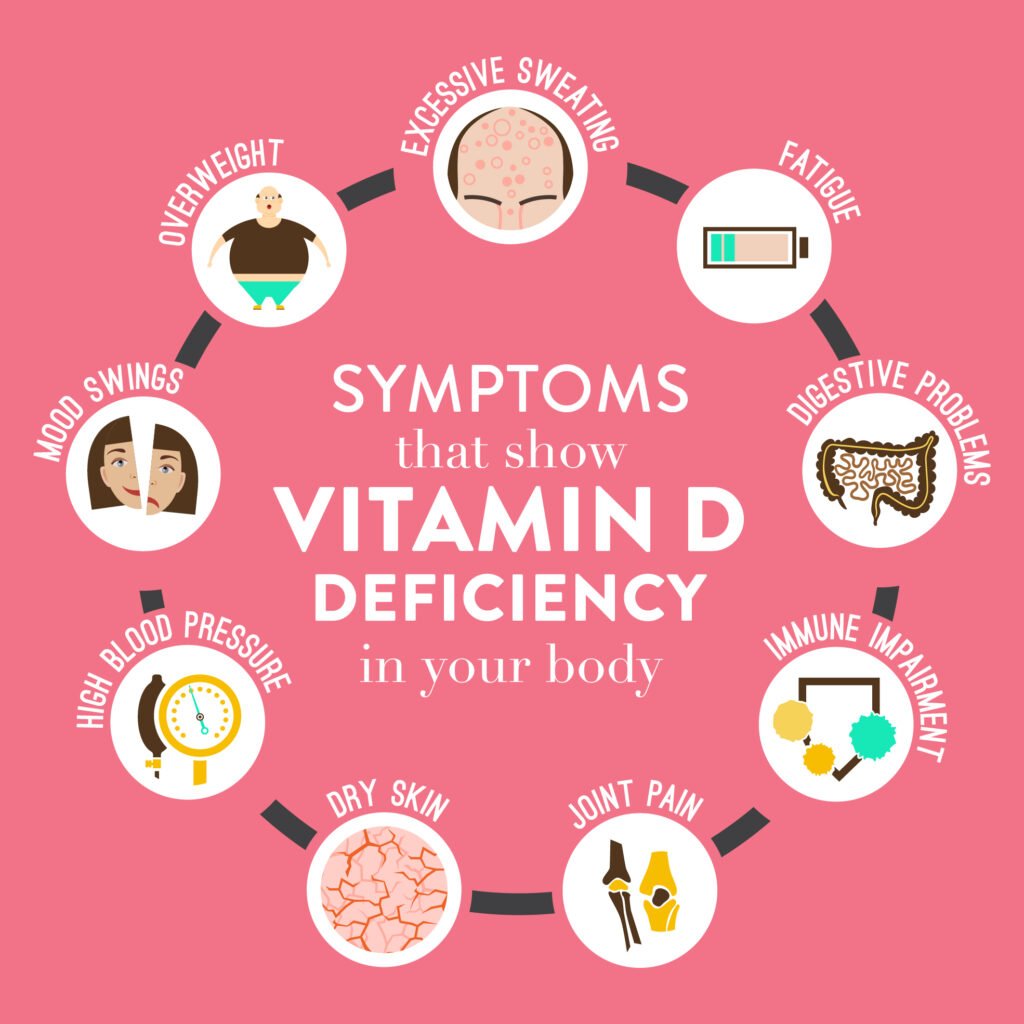
Common Symptoms of Vitamin Deficiency
Vitamin D deficiency often develops gradually, making it difficult to recognize during its early stages.
Many symptoms resemble general tiredness or stress-related complaints.
Some of the most common warning signs include:
- Persistent fatigue
- General body pain
- Muscle weakness
- Back pain
- Bone pain
- Difficulty climbing stairs
- Frequent muscle cramps
- Reduced stamina
- Slow recovery after exercise
- Low energy levels
Because these symptoms overlap with several other health conditions, doctors recommend proper evaluation rather than self-diagnosis.
The Link Between Vitamin D and Bone Health
Vitamin remains one of the most important nutrients for maintaining healthy bones.
Its primary function involves regulating calcium and phosphorus absorption from food.
Without sufficient vitamin D:
- Calcium absorption decreases.
- Bones gradually lose mineral density.
- Bones become weaker.
- Fracture risk increases.
- Healing after fractures may take longer.
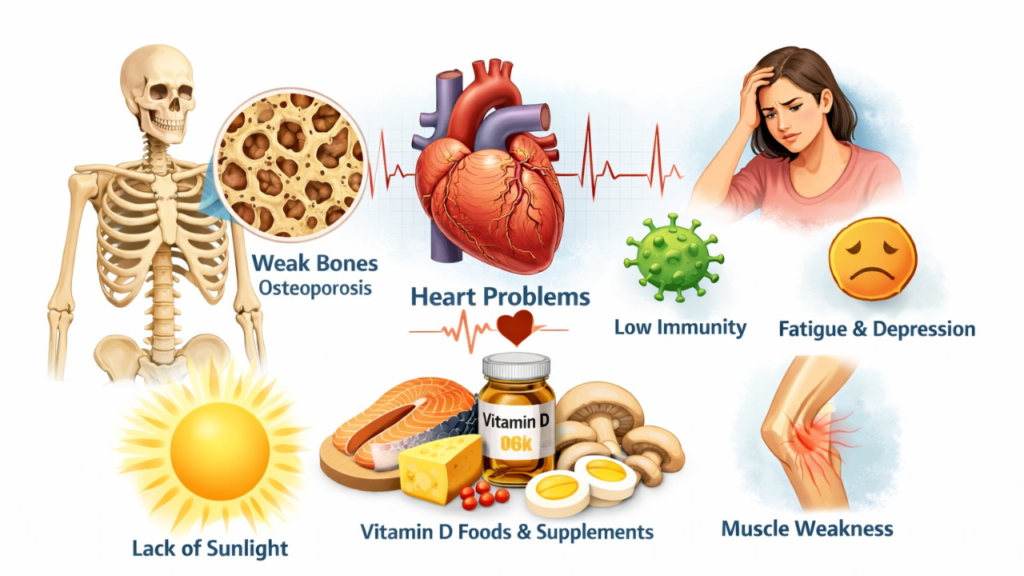
In children, severe deficiency can lead to rickets, while adults may develop osteomalacia, a condition characterized by soft, painful bones.
Older adults with chronic deficiency may also face an increased risk of osteoporosis.
How Vitamin Supports Muscle Function
Experts note that muscles require adequate vitamin for proper contraction and strength.
Low vitamin D levels may contribute to:
- Muscle weakness
- Difficulty standing for long periods
- Poor balance
- Increased risk of falls among elderly individuals
- Reduced exercise performance
This is one reason doctors sometimes recommend vitamin testing for patients experiencing unexplained muscle pain or weakness.
Role of Vitamin D in Immunity
Vitamin D also plays an important role in regulating the body’s immune response.
Researchers continue studying its influence on immune cells involved in defending the body against infections.
Although vitamin alone cannot prevent diseases, maintaining adequate levels supports normal immune system functioning.
Experts emphasize that vitamin should be viewed as one component of overall health rather than a standalone solution for illness prevention.
Mental Health and Vitamin D
Some scientific studies have explored possible links between low vitamin levels and mood-related conditions.
Researchers are investigating whether deficiency may contribute to:
- Low mood
- Reduced motivation
- Fatigue
- Cognitive performance
However, experts caution that mental health is influenced by multiple factors, and vitamin supplementation should not be considered a replacement for professional evaluation or treatment.
Foods That Naturally Contain Vitamin
While sunlight remains the body’s primary source of vitamin D, certain foods also contribute to daily intake.
These include:
- Egg yolks
- Fatty fish such as salmon and sardines
- Fortified milk
- Fortified cereals
- Cheese
- Mushrooms exposed to sunlight
- Cod liver oil
Since natural dietary sources are relatively limited, balanced nutrition combined with safe sunlight exposure remains important.
Safe Sunlight Exposure
Doctors recommend moderate sunlight exposure as the most natural way to support vitamin production.
Depending on skin tone, weather conditions, and geographical location, spending approximately 15–30 minutes in sunlight several times a week may help many individuals maintain healthy vitamin D levels.
The exact duration varies between individuals, and prolonged exposure should be avoided to reduce the risk of skin damage.
Misconceptions About Vitamin Supplements
One of the biggest misconceptions, according to experts, is that everyone requires vitamin supplements.
Dr. Anuj Agarwal explains that supplementation should not begin simply because someone experiences tiredness or reads advice on social media.
Instead, individuals suspected of having vitamin deficiency should consult a qualified healthcare professional.
Doctors may recommend blood tests before deciding whether supplementation is necessary.
Why Self-Medication Can Be Risky
Many people assume that vitamins are completely harmless regardless of dosage.
However, excessive vitamin D intake can become dangerous.
Unlike certain water-soluble vitamins, vitamin D is fat-soluble, meaning excess amounts may accumulate in the body over time.
Improper supplementation without medical supervision may result in vitamin D toxicity.
Risks of Excess Vitamin D Intake
Doctors warn that taking large doses unnecessarily may lead to excessive calcium levels in the blood, a condition known as hypercalcemia.
Possible symptoms include:
- Nausea
- Vomiting
- Constipation
- Frequent urination
- Excessive thirst
- Weakness
- Confusion
- Kidney stones
- Kidney damage in severe cases
These complications highlight why supplements should only be taken in recommended doses under professional supervision.
Who May Be at Higher Risk?
Certain groups are more likely to experience vitamin D deficiency than others.
These include:
- Elderly individuals
- People with limited sunlight exposure
- Office workers
- Students spending long hours indoors
- Individuals with darker skin tones
- People with obesity
- Those with certain digestive disorders
- Patients with chronic kidney or liver disease
Doctors may recommend periodic evaluation for individuals belonging to these higher-risk categories.
Importance of Proper Diagnosis
Experts emphasize that symptoms alone cannot confirm vitamin deficiency.
Several other medical conditions may produce similar complaints.
Blood tests measuring 25-hydroxyvitamin D [25(OH)D] levels remain the standard method for diagnosing deficiency.
Based on test results, physicians determine whether lifestyle changes, dietary improvements, or supplementation is appropriate.
Maintaining Healthy Vitamin D Levels
Experts recommend a balanced approach rather than relying solely on supplements.
Healthy habits include:
- Spending regular time outdoors.
- Following a balanced diet.
- Including vitamin D-rich foods.
- Staying physically active.
- Consulting doctors before taking supplements.
- Avoiding unnecessary high-dose vitamin use.
- Undergoing testing when deficiency is suspected.
Maintaining these habits may help support overall health while reducing the risk of deficiency.
Expert Advice
Dr. Anuj Agarwal advises people not to underestimate persistent fatigue, muscle weakness, or unexplained body pain.
While these symptoms may result from everyday stress or other medical conditions, vitamin deficiency should also be considered, particularly among individuals with limited sunlight exposure.
He further stresses that supplements should always be viewed as medicines rather than routine health products.
Proper diagnosis followed by appropriate treatment ensures maximum benefit while minimizing unnecessary health risks.
Vitamin D is far more than just a nutrient for maintaining healthy bones. It plays an essential role in calcium absorption, muscle function, immune regulation, and overall physical well-being. Despite abundant sunshine, vitamin deficiency remains highly prevalent in India due to modern indoor lifestyles, reduced outdoor activity, and changing work habits. Because its symptoms often develop gradually and resemble common complaints such as fatigue or muscle pain, many individuals remain unaware of the underlying deficiency until more significant health problems arise.
Medical experts recommend maintaining a balanced lifestyle that includes safe sunlight exposure, a nutritious diet, and regular physical activity while avoiding self-medication with vitamin supplements. Since both deficiency and excessive intake can have health consequences, proper diagnosis through medical consultation and laboratory testing remains the safest approach. As awareness grows about the broader importance of vitamin D, informed lifestyle choices and responsible supplementation can help individuals protect not only their bone health but also their overall quality of life.