
Solo traveling is no longer seen as something only adventurous backpackers or seasoned explorers do. Over the past few years, it has become one of the fastest-growing travel trends, attracting students, professionals, retirees, and digital nomads alike. More people are choosing to step out of their comfort zones and discover new places on their own, not simply to visit destinations but to discover themselves.
Unlike group vacations where decisions are shared, solo traveling places every choice in your own hands. From planning the itinerary and managing expenses to navigating unfamiliar streets and interacting with strangers, every experience becomes an opportunity to learn. That is why many travelers describe solo traveling as one of the most transformative experiences of their lives.
Experts in psychology and personal development often point out that stepping into unfamiliar environments challenges the brain to adapt. These challenges encourage independence, improve decision-making skills, and strengthen emotional resilience. While traveling alone may seem intimidating at first, the lessons learned often last much longer than the trip itself.
Table of Contents
Why Solo Traveling Is Becoming More Popular
The rise of affordable flights, digital booking platforms, remote work opportunities, and social media travel communities has made solo traveling more accessible than ever. According to reports from the global travel industry, searches for solo travel experiences have increased significantly over recent years, with younger travelers and women leading this growing trend.
Many people are no longer waiting for friends or family members to match their schedules. Instead, they are choosing to travel independently, allowing complete freedom to decide where to go, how long to stay, and what experiences to prioritize.
Solo traveling also appeals to those seeking a break from busy routines. Whether it is exploring mountain trails, walking through historic cities, relaxing on a quiet beach, or experiencing different cultures, traveling alone offers a unique sense of freedom that is difficult to replicate in group trips.
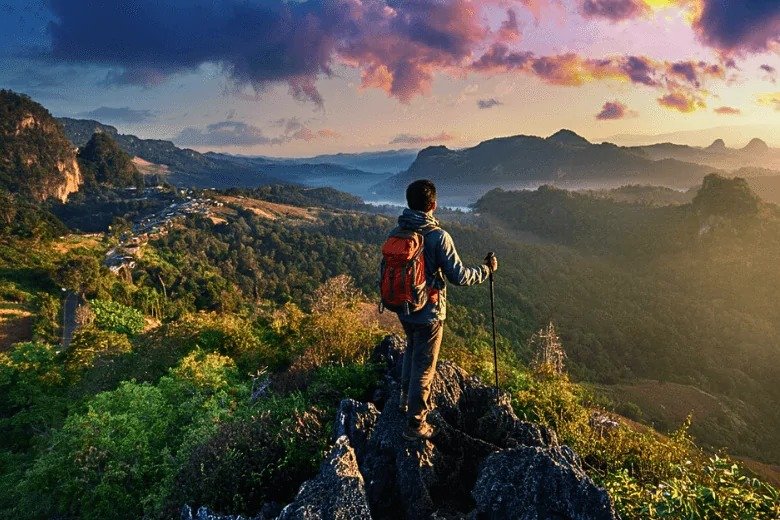
Building Confidence Through Everyday Decisions
One of the greatest benefits of solo traveling is the confidence it develops through everyday situations.
Simple tasks that might seem ordinary—finding transportation, ordering food in another language, checking into hotels, or navigating unfamiliar neighborhoods—become valuable learning experiences when there is no one else to rely on.
Each successful decision reinforces self-belief. Travelers gradually realize they are capable of handling situations that once seemed overwhelming.
Psychologists explain that confidence grows through repeated problem-solving rather than avoiding challenges. Solo traveling naturally creates opportunities to overcome small obstacles every day, strengthening self-assurance over time.
Even getting lost can become a valuable lesson. Many experienced travelers say that unexpected detours often lead to memorable discoveries, hidden cafés, local markets, or meaningful conversations that would never have happened otherwise.
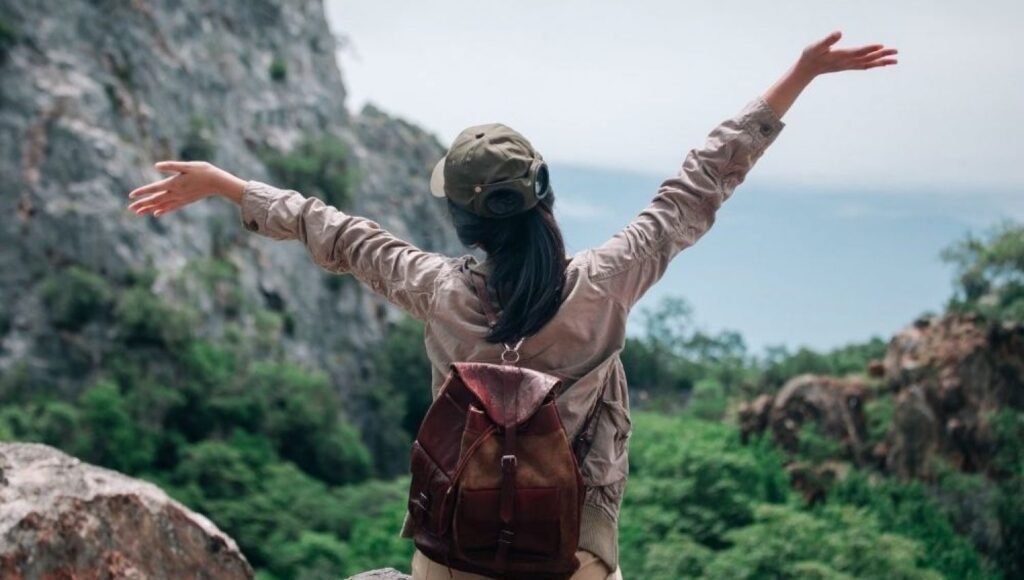
Learning Resilience in Unpredictable Situations
Travel rarely goes exactly as planned. Flights get delayed, trains are cancelled, weather changes unexpectedly, luggage may arrive late, and carefully planned itineraries sometimes need to be adjusted.
Solo traveling teaches resilience by encouraging people to adapt instead of panic.
Rather than depending on someone else to solve problems, solo travelers learn to remain calm, think clearly, and find practical solutions.
These experiences build emotional strength that often carries into everyday life. People who have handled unexpected travel challenges frequently report feeling more confident managing workplace stress, personal setbacks, and life transitions after returning home.
Resilience is not about avoiding difficulties. It is about learning that unexpected situations can be managed successfully with patience and flexibility.
Discovering Who You Really Are
Perhaps the most meaningful aspect of solo traveling is self-discovery.
In daily life, people often define themselves by work responsibilities, family expectations, or social circles. Traveling alone removes many of these familiar identities, creating space for reflection.
Without constant distractions, travelers often spend more time thinking about their goals, priorities, values, and future aspirations.
Long train journeys, peaceful hikes, quiet mornings in unfamiliar cities, and evenings spent watching sunsets can become moments of genuine personal reflection.
Many travelers return home with greater clarity about their careers, relationships, and personal ambitions.
Rather than escaping life, solo traveling often helps people reconnect with what truly matters.

Developing Better Decision-Making Skills
Every day of solo traveling involves dozens of independent decisions.
Should you visit a museum or explore a local neighborhood? Is it better to take public transport or walk? Which accommodation offers the best value? Should you stay longer in one city or move on?
Making these decisions independently strengthens judgment and personal responsibility.
Unlike group travel, where decisions are shared or influenced by others, solo traveling encourages individuals to trust their own instincts.
Over time, this confidence extends beyond travel and improves decision-making in professional and personal life as well.

Meeting New People More Naturally
One surprising benefit of solo traveling is that people often become more socially confident.
Traveling alone naturally encourages conversations with hotel staff, tour guides, restaurant owners, fellow travelers, and local residents.
Without the comfort of familiar companions, many solo travelers become more open to meeting new people.
These conversations often lead to authentic cultural experiences that group travelers may never encounter.
Whether sharing a meal with locals, participating in community festivals, or joining walking tours, solo traveling creates opportunities to build meaningful human connections across cultures.
Many lifelong friendships begin during independent journeys.
Understanding Different Cultures
Solo traveling encourages deeper cultural immersion.
Without relying on familiar company, travelers tend to engage more actively with local customs, traditions, languages, and lifestyles.
Trying regional cuisine, attending local events, learning a few words of another language, and understanding community traditions become part of the experience.
These interactions help develop empathy and broaden perspectives.
Exposure to different ways of living reminds travelers that there are many approaches to happiness, success, family life, and community values around the world.
Such understanding contributes to greater cultural awareness and global citizenship.
Managing Money More Responsibly
Financial planning becomes an important life skill during solo traveling.
Travelers quickly learn how to create budgets, compare accommodation prices, monitor daily expenses, and prioritize meaningful experiences over unnecessary spending.
Unexpected expenses also teach financial flexibility.
These practical lessons often influence future financial habits, encouraging smarter budgeting and better money management long after the journey ends.
Facing Fear and Moving Beyond Comfort Zones
Fear is one of the biggest reasons many people postpone solo traveling.
Concerns about safety, loneliness, language barriers, or unfamiliar places are completely natural.
However, experienced travelers often explain that confidence does not appear before taking action—it develops because of it.
Each successful journey proves that many fears are manageable with proper planning and awareness.
Simple preparations such as researching destinations, sharing itineraries with family, keeping emergency contacts, purchasing travel insurance, and respecting local customs significantly improve travel safety.
As confidence grows, travelers become more willing to embrace new opportunities both during travel and in everyday life.
The Role of Technology in Solo Traveling
Modern technology has transformed solo traveling into a safer and more convenient experience.
Navigation apps help travelers find routes instantly.
Translation applications reduce language barriers.
Digital payment systems make transactions easier.
Travel communities allow people to exchange advice, book experiences, and connect with fellow travelers from around the world.
Location-sharing features also provide reassurance for family members back home.
While technology offers valuable support, experienced travelers recommend balancing digital convenience with genuine real-world experiences by spending time engaging with local communities instead of remaining constantly connected to screens.
Mental Health Benefits of Solo Traveling
Mental health professionals increasingly recognize the positive impact that meaningful travel can have on emotional well-being.
Solo traveling provides opportunities to disconnect from constant work pressures, social expectations, and digital distractions.
Time spent in nature, exploring new environments, or simply enjoying peaceful moments alone can reduce stress and improve emotional balance.
Many travelers describe returning home feeling mentally refreshed, more optimistic, and better equipped to handle everyday responsibilities.
Although solo traveling is not a substitute for professional mental health care, it can encourage mindfulness, personal reflection, and emotional growth.
Practical Tips for First-Time Solo Travelers
Those considering solo traveling for the first time can make the experience smoother with thoughtful preparation.
Research destinations carefully before departure and understand local customs, transportation options, and safety guidelines. Keep digital and physical copies of important documents, inform trusted family members about your itinerary, and choose accommodation with positive reviews. Carry only essential belongings to remain comfortable while moving between destinations. Staying aware of surroundings, trusting your instincts, and respecting local cultures contribute greatly to a safe and rewarding journey.
It is equally important to remain flexible. Not every day will go according to plan, and some of the most memorable travel experiences come from unexpected moments rather than carefully planned itineraries.
Solo Traveling Is More Than Visiting New Places
At its heart, solo traveling is about much more than collecting passport stamps or taking beautiful photographs. It is an experience that encourages personal growth through independence, responsibility, adaptability, and meaningful human connections. Every unfamiliar street explored, every challenge overcome, and every conversation with a stranger contributes to greater confidence and resilience. Over time, solo traveling becomes less about the destination itself and more about understanding one’s own strengths, discovering new perspectives, and returning home with a deeper appreciation for both the world and oneself.