
Nearly a year after officially entering the Indian automobile market, electric vehicle (EV) giant Tesla is facing a slower-than-expected start in one of the world’s fastest-growing automotive markets. According to industry data, the Elon Musk-backed company sold fewer than 500 vehicles during its first year of operations in India, highlighting the challenges of building a strong presence in the country’s highly competitive premium automobile segment.
Tesla entered India on 15 July amid considerable anticipation from automobile enthusiasts, investors, and EV supporters. The company’s arrival was viewed as a significant milestone for India’s electric mobility ecosystem, with expectations that Tesla could accelerate EV adoption and reshape the premium electric vehicle market.
However, sales data from the first ten months of customer deliveries indicate that Tesla’s journey in India has been more challenging than many analysts initially predicted. Between September 2025 and June 2026, the company sold approximately 450 vehicles, averaging fewer than 50 units per month.
Table of Contents
While the numbers reflect the beginning of Tesla’s presence in India rather than a complete business cycle, they also underline the hurdles faced by global EV manufacturers attempting to navigate India’s unique automotive landscape.
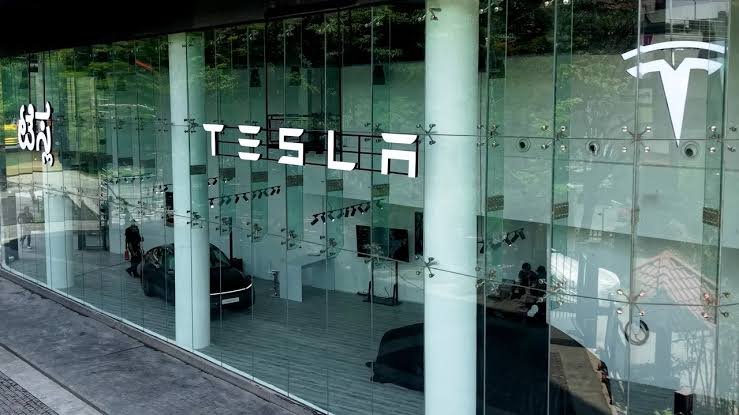
Tesla’s Entry into India Generated Massive Interest
Tesla’s long-awaited arrival in India attracted widespread attention from consumers, policymakers, investors, and the automotive industry.
For several years, Indian EV enthusiasts had eagerly awaited Tesla’s launch, viewing the company as a symbol of innovation, cutting-edge technology, and the global transition toward sustainable transportation.
The launch was particularly significant because Tesla has played a major role in accelerating electric vehicle adoption across several international markets, including the United States, Europe, and China.
When Tesla finally entered India in July 2025, expectations were high that the company would disrupt the premium automobile segment and encourage greater acceptance of electric mobility among affluent buyers.
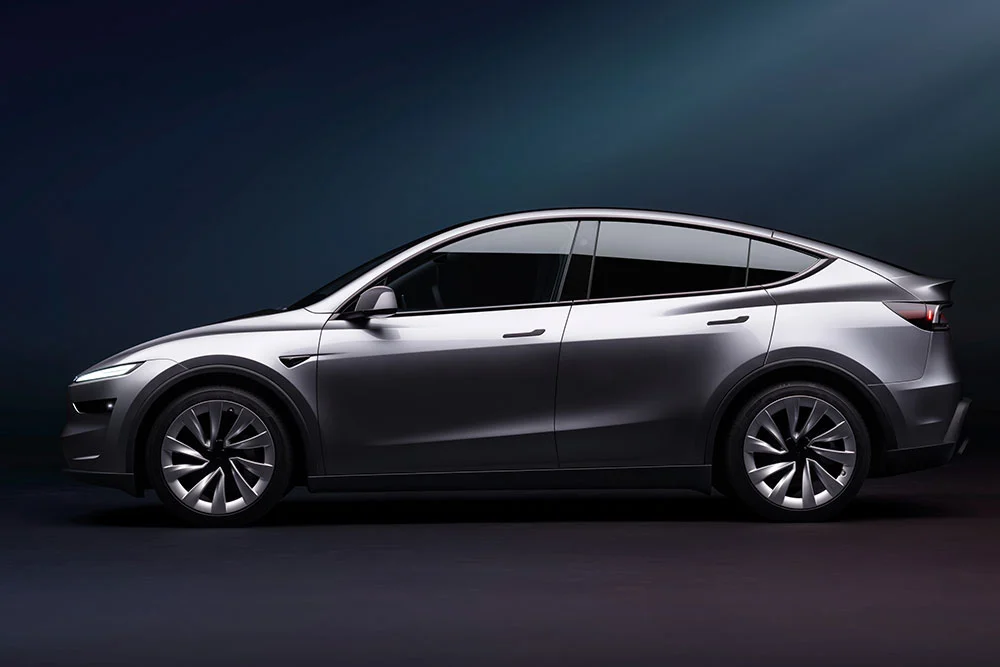
The company introduced the Tesla Model Y, one of its most successful global products, as its first offering for Indian customers.
Sales Remain Below Industry Expectations
Despite the excitement surrounding its arrival, Tesla’s sales performance during its first year has remained modest.
Industry data shows that between September 2025 and June 2026, Tesla sold around 450 units of the Model Y.
While these figures indicate demand among a niche customer base, they remain significantly lower than those achieved by established luxury automobile brands operating in India.
Analysts note that Tesla’s average monthly sales of fewer than 50 vehicles suggest that the company is still in the early stages of building consumer confidence and market presence.
Several factors, including pricing, infrastructure, service availability, and consumer preferences, are believed to have contributed to the slower growth trajectory.
Comparison with Established Luxury Brands
Tesla’s performance becomes more evident when compared with leading German luxury automobile manufacturers.
During the same period:
- BMW sold 3,433 vehicles
- Mercedes-Benz retailed 1,116 vehicles
These numbers highlight the advantage enjoyed by established luxury brands that have spent decades building dealership networks, service infrastructure, and customer trust across India.
While Tesla remains one of the world’s most recognizable EV brands, brand recognition alone has not been sufficient to overcome structural challenges in the Indian market.
Industry experts emphasize that luxury vehicle purchases often involve considerations beyond product specifications, including after-sales service, maintenance support, financing options, and long-term ownership experience.
Single-Product Strategy Limits Market Reach
One of the most frequently cited reasons for Tesla’s limited sales performance is its single-product strategy.
Currently, Tesla offers only the Model Y electric SUV in India.
Although the Model Y has been among Tesla’s best-selling vehicles globally, relying on a single model restricts the company’s ability to cater to different customer segments.
Automobile analysts point out that luxury car buyers often seek a range of options across different body styles, performance levels, and price categories.
In contrast, competitors such as BMW and Mercedes-Benz offer multiple vehicles across various segments, including sedans, SUVs, performance cars, and electric vehicles.
A broader product portfolio allows manufacturers to attract a wider customer base and respond more effectively to diverse consumer preferences.
High Import Duties Continue to Impact Pricing
Another major challenge facing Tesla in India is vehicle pricing.
The company currently imports the Model Y as a Completely Built Unit (CBU), meaning the vehicle is manufactured overseas and imported into India without local assembly.
Imported vehicles attract substantial customs duties and taxes, significantly increasing retail prices.
Tesla initially launched the Model Y at an introductory ex-showroom price of approximately ₹59.89 lakh.
In May 2026, the company reduced the price to around ₹50.89 lakh, making the vehicle relatively more accessible.
However, even after the reduction, the Model Y remains positioned within the premium luxury segment, limiting its appeal to a relatively small group of buyers.
Industry experts argue that local manufacturing or assembly could substantially reduce costs and improve Tesla’s competitiveness in the future.
Limited Retail and Service Presence
Tesla’s retail footprint in India remains relatively small compared to established luxury automobile manufacturers.
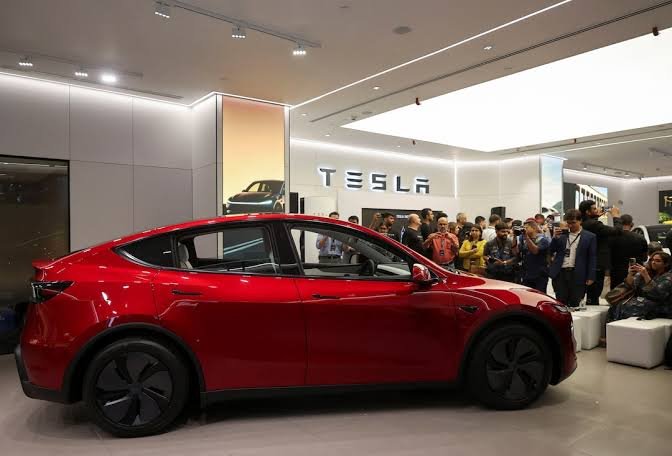
Currently, the company operates only five Experience Centres across the country.
These centres serve as customer interaction hubs where potential buyers can explore Tesla vehicles, learn about technology features, and receive purchasing assistance.
While the Experience Centre model has worked successfully in several global markets, experts note that India’s vast geographical diversity requires broader retail and service coverage.
Consumers often prefer brands that offer convenient access to service centres, spare parts, and technical support.
Established luxury brands have spent years building extensive dealership networks that provide customers with a greater sense of confidence regarding long-term ownership.
The limited availability of Tesla facilities may therefore influence purchasing decisions among prospective buyers.
Building Charging Infrastructure Remains Critical
A robust charging network is considered one of the most important factors influencing electric vehicle adoption.
Recognizing this challenge, Tesla has begun investing in charging infrastructure across India.
Recently, the company launched North India’s first in-mall charging facility at Nexus Select CityWalk Mall in Delhi.
The facility features six 11-kW AC destination chargers, allowing Tesla owners to charge their vehicles while shopping, dining, or spending time at the mall.
Such initiatives are expected to improve convenience for existing customers and address concerns regarding charging accessibility.
Industry observers believe that continued expansion of charging infrastructure will play a key role in supporting future EV growth.
Expansion Efforts Continue
Despite relatively modest sales, Tesla continues to expand its presence in India.
In June 2026, the company inaugurated its fifth Experience Centre in Hyderabad’s HITEC City, one of India’s major technology and business hubs.
The new facility showcases Tesla’s latest offerings, including:
- 2026 Model Y Premium Rear-Wheel Drive
- Model Y L
The expansion demonstrates Tesla’s long-term commitment to the Indian market despite current challenges.
Company representatives have repeatedly emphasized India’s importance as a strategic growth market given its large population, growing middle class, and increasing interest in sustainable mobility.
India’s EV Market Continues to Evolve
Tesla’s performance must also be viewed within the broader context of India’s evolving electric vehicle ecosystem.
Although EV adoption has increased significantly in recent years, electric vehicles still represent a relatively small percentage of overall passenger vehicle sales.
Factors influencing EV adoption include:
- Vehicle affordability
- Charging infrastructure availability
- Battery technology
- Government incentives
- Consumer awareness
- Range anxiety
Premium electric vehicles face additional challenges because they cater to a narrower customer segment compared to mass-market vehicles.
Industry analysts believe that India’s EV market remains in a developmental phase and may require several years before reaching the scale seen in more mature markets.
Consumer Expectations in the Luxury Segment
Luxury car buyers in India often place considerable importance on factors such as brand reputation, after-sales service, ownership experience, and resale value.
While Tesla enjoys a strong reputation for innovation and technology, many potential customers remain unfamiliar with the company’s ownership ecosystem in India.
Consumers also tend to evaluate service accessibility, repair turnaround times, and maintenance support before making high-value vehicle purchases.
Building trust in these areas may take time as Tesla expands its operations and strengthens its local infrastructure.
Potential Opportunities for Future Growth
Despite the challenges, analysts believe Tesla possesses several opportunities for future expansion in India.
Potential growth drivers include:
- Local manufacturing initiatives
- Expanded product lineup
- Additional Experience Centres
- Wider charging infrastructure
- Government support for EV adoption
- Growing environmental awareness
- Rising demand for premium electric vehicles
If Tesla establishes local production facilities, vehicle prices could become significantly more competitive, potentially unlocking access to a much larger customer base.
The introduction of more affordable models could also broaden the company’s market appeal.
Industry Outlook
Automobile industry experts generally view Tesla’s first year in India as an important learning phase rather than a definitive measure of long-term success.
Entering the Indian automotive market requires adapting to unique consumer preferences, regulatory requirements, and pricing sensitivities.
Many global automobile manufacturers have historically required several years to establish a strong market position in India.
Analysts believe Tesla’s future performance will depend on its ability to localize operations, improve affordability, strengthen infrastructure, and expand customer support services.
Tesla’s first year in India reflects both the opportunities and challenges associated with entering one of the world’s most dynamic automotive markets. Despite its strong global reputation and technological leadership in the electric vehicle sector, the company sold fewer than 500 vehicles between September 2025 and June 2026, highlighting the difficulties of competing in India’s premium automobile segment.
Factors such as premium pricing, high import duties, a single-product strategy, and a limited retail network have contributed to slower-than-expected sales. At the same time, Tesla has continued investing in charging infrastructure and expanding its presence through new Experience Centres, indicating its commitment to long-term growth in the country.
As India’s electric vehicle ecosystem continues to develop, Tesla’s future success may depend on greater localization, expanded product offerings, broader infrastructure development, and enhanced customer support. While its initial sales figures remain modest, industry experts believe the company still possesses significant potential to play a major role in India’s transition toward sustainable mobility in the years ahead.