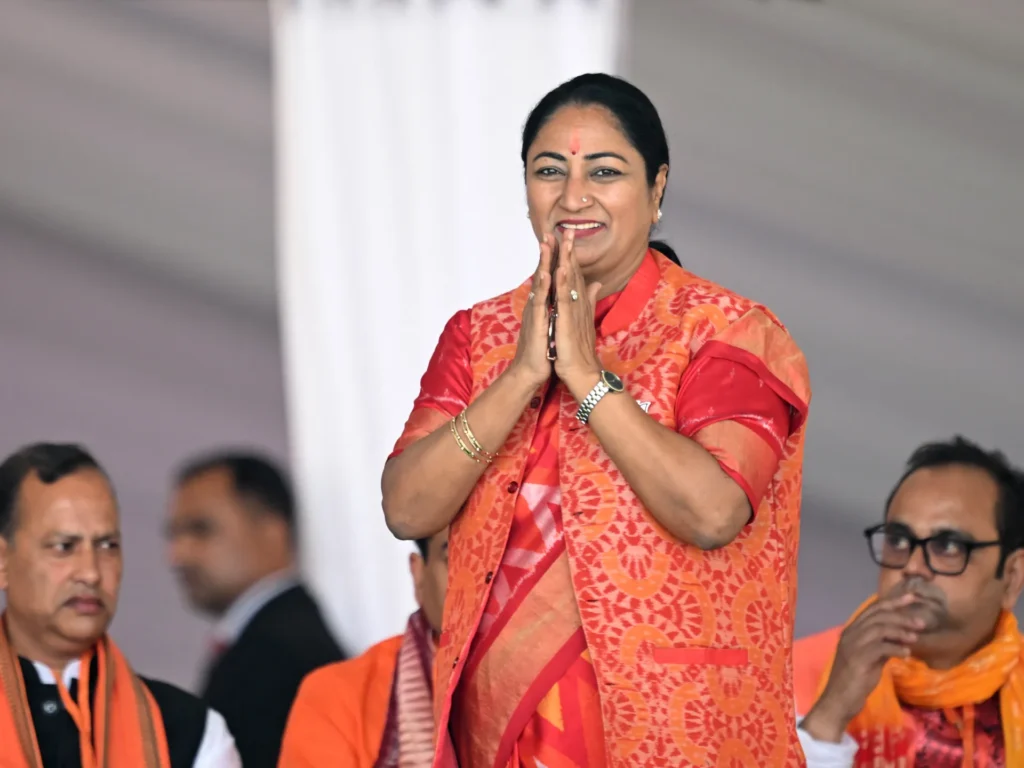
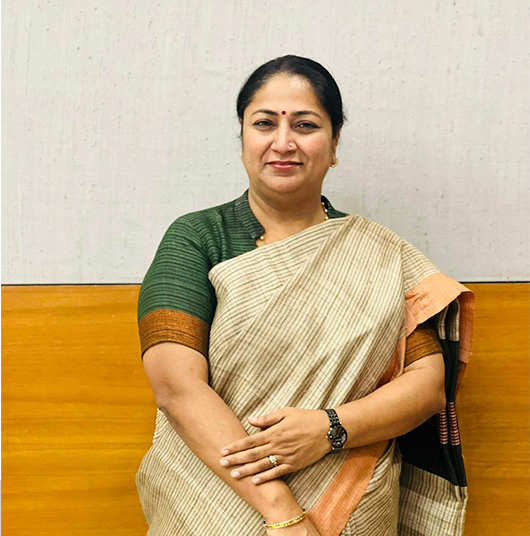
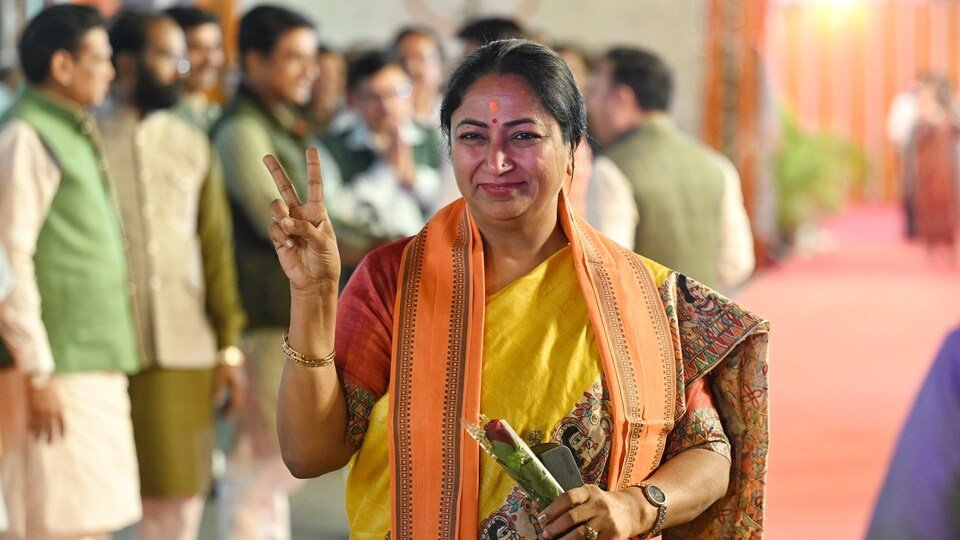
India’s national capital, once seen as struggling with disorder, corruption, and administrative challenges, is witnessing what supporters describe as a new beginning under Chief Minister Rekha Gupta. Within just 100 days of assuming office, she is credited with introducing several initiatives that have generated optimism among many residents. According to the government, Delhi’s streets are once again reflecting hope, governance has become more responsive, and public confidence in the administration is steadily returning.
Table of Contents
A Beginning Built on Determination and Self-Respect
When Rekha Gupta took oath as the Chief Minister of Delhi, the city was facing multiple challenges. Concerns over law and order, women’s safety, water shortages, electricity-related issues, and corruption had become major public concerns. Many citizens, dissatisfied with the previous administration’s policies, looked toward Rekha Gupta for change, and her government has sought to fulfil those expectations through decisive governance and public-focused initiatives.
Direct Public Engagement: ‘Delhi Ki Baat, CM Ke Saath’
One of Rekha Gupta’s first major initiatives was to establish direct communication with the people through the programme “Delhi Ki Baat, CM Ke Saath.” Under this initiative, the Chief Minister met citizens regularly to listen to their grievances and ensure prompt action on public issues.
The programme has been presented as a symbol of transparency and accountability. It has empowered citizens to voice their concerns directly while encouraging government departments to become more active, responsive, and accountable.
Women’s Safety Becomes a Top Priority
Women’s safety emerged as one of the government’s foremost priorities. Under the Chief Minister’s direction, Delhi Police patrols were reportedly intensified, CCTV surveillance was expanded across buses and public spaces, and a dedicated women’s safety patrol unit called “Shakti Vahan” was introduced.
In addition, the Nari Suraksha Fund was utilised to improve street lighting across several neighbourhoods, contributing to a greater sense of security for women travelling even during late hours.
A Cleaner and More Beautiful Delhi
The Chief Minister launched the “Nayi Delhi – Nayi Soch” campaign with the objective of transforming cleanliness into a people’s movement rather than merely a government programme.
Under this initiative, sanitation workers reportedly received improved facilities, regular salaries, and greater recognition for their services. Waste management plants were established in various locations, efforts to clean the Yamuna River were intensified, and public spaces were cleaned and maintained more effectively. As a result, several parts of Delhi have reportedly shown significant improvements in cleanliness standards.
Reviving Education and Healthcare
Strengthening Delhi’s education and healthcare systems became another important priority of the new government.
Recruitment of teachers in government schools was accelerated, digital classrooms were introduced, and efforts were made to improve the overall quality of education across government-run institutions.
In the healthcare sector, Mohalla Clinics were reorganised and upgraded with modern facilities. The government also initiated recruitment of doctors in major hospitals, improved the availability of medicines, and directed hospitals to strengthen OPD services by extending them round the clock.
Addressing the Water Crisis
Water scarcity had long remained a major concern for several parts of Delhi. To address this issue, the government revived the “Har Ghar Jal” initiative and accelerated work on the Yamuna purification project.
Accountability within the Delhi Jal Board was strengthened, and regular water supply reportedly reached several colonies that had previously faced shortages. The administration also intensified action against illegal water tanker operators, leading to the seizure of hundreds of unauthorised tankers.
Improving Traffic Management and Reducing Pollution
The Rekha Gupta government introduced a Smart Traffic System to improve traffic management across Delhi.
The number of electric buses was increased, while metro expansion projects were given renewed momentum. The government also introduced green corridors dedicated exclusively to electric vehicles in selected areas, aiming to reduce pollution while making urban transportation more efficient and environmentally friendly.
Fighting Corruption Through E-Governance
Expanding e-governance became one of the government’s major governance reforms.
Several government services were digitised, reducing dependence on intermediaries and helping improve transparency in public service delivery. Through the “One Click Service” initiative, more than 50 government services became available online through mobile devices, making access to public services quicker and more convenient for citizens.
100 Days, 100 Achievements
As part of its commitment to transparency, the Rekha Gupta government presented a comprehensive report card outlining the achievements of its first 100 days in office.
According to the government, the report highlighted progress across sectors including infrastructure, public welfare, healthcare, education, sanitation, water management, transportation, and digital governance. The administration stated that presenting its performance before the public reflected its commitment to accountability and transparent governance.
A New Direction for Delhi
Supporters of the government believe Rekha Gupta has demonstrated that determined leadership can bring visible administrative changes even within a short period.
According to the government’s assessment, Delhi is steadily moving towards development, improved governance, and renewed public trust. Roads, schools, hospitals, and public institutions are all cited as examples of the administration’s focus on strengthening civic infrastructure and improving the quality of life for residents.
As the government completes its first 100 days, it presents this period as the foundation for a stronger, cleaner, safer, and more efficiently governed Delhi. The administration maintains that these achievements mark the beginning of a long-term vision aimed at building a more prosperous future for the national capital.