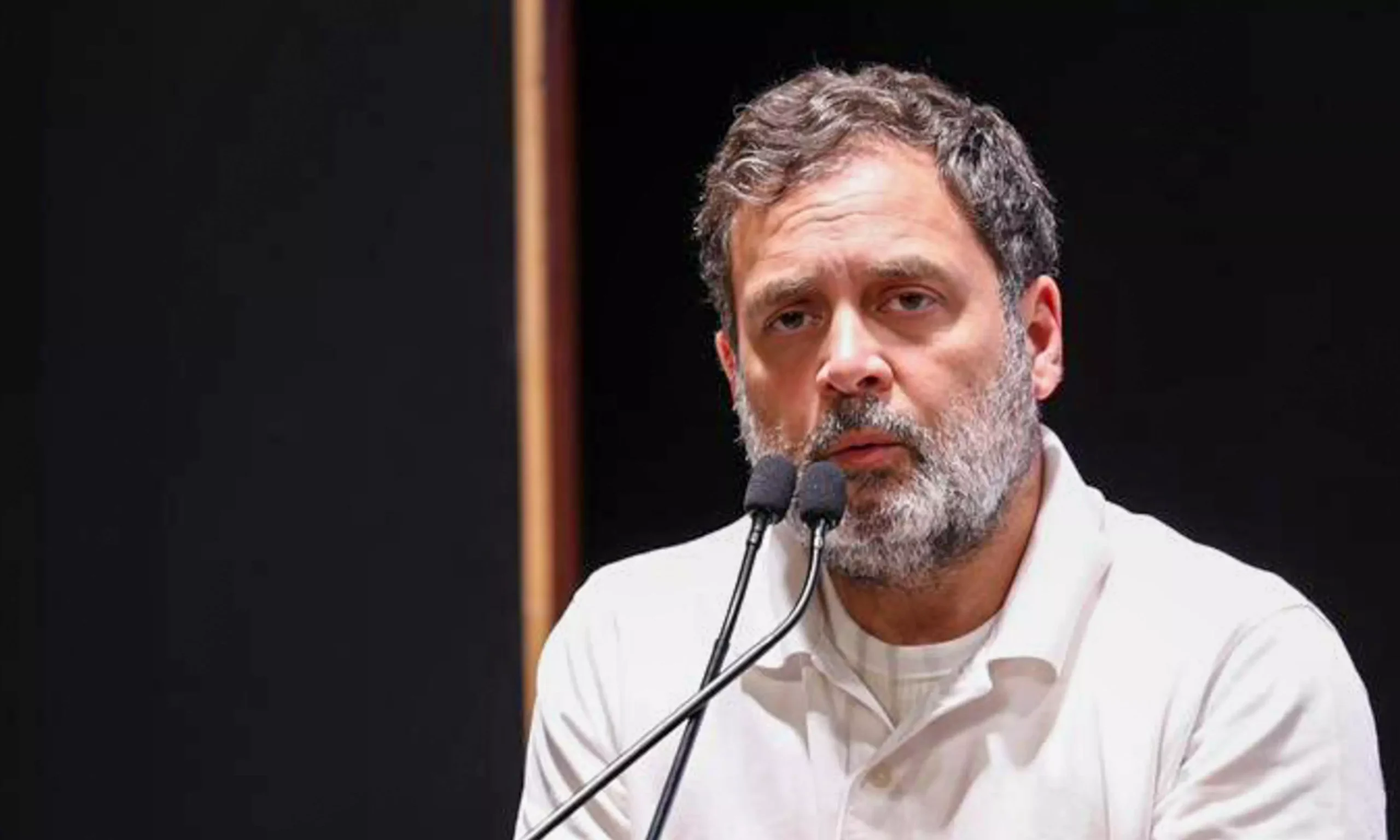
Congress leader and Leader of Opposition in the Lok Sabha Rahul Gandhi has stepped up his criticism of the government, arguing that the voices and concerns of ordinary citizens must receive greater attention in the political process. Speaking at a Congress event described as a “Constructive Congress Conference,” Rahul Gandhi stressed the need for sustained political engagement and said the Opposition would continue raising issues that it believes are important to the public.
His remarks come amid continued political friction between the government and Opposition parties during the Monsoon Session of Parliament. The session has witnessed repeated disruptions, with both sides accusing the other of preventing meaningful debate. Speaker Om Birla has also urged the government and Opposition to find common ground so that parliamentary business can proceed.
Table of Contents
Rahul Gandhi’s Message on Listening to the People
Rahul Gandhi’s central argument was that a democratic government must remain responsive to citizens and be willing to hear criticism. His remarks framed the Opposition’s role not simply as opposing government decisions but as bringing public concerns into political and parliamentary debate.

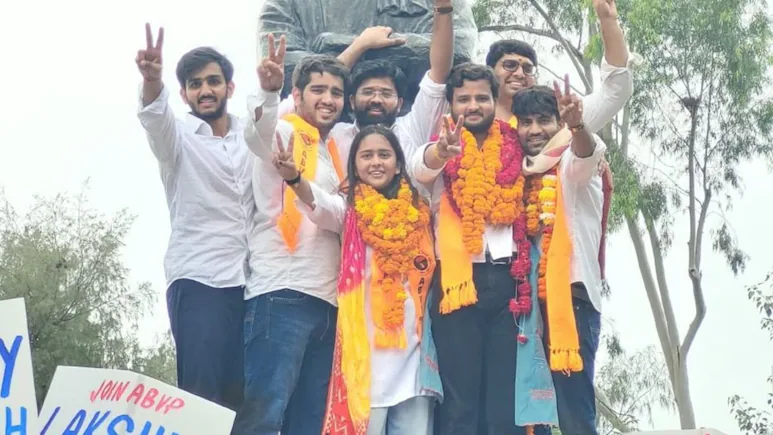
The Congress leader has increasingly presented listening to citizens, students and other sections of society as an important part of his political message. In a recent interaction concerning student concerns, Rahul Gandhi said governments should listen to students and take action on problems affecting the education system.
At the Congress conference, his broader message was that political pressure would continue if the government did not adequately respond to issues being raised by the Opposition.
Political Tensions Continue in Parliament
Rahul Gandhi’s comments come at a time when relations between the government and Opposition remain strained inside Parliament.
Since the Monsoon Session began on July 20, proceedings have repeatedly been affected by protests and disruptions. According to a recent report, the Lok Sabha has struggled to complete Question Hour on several occasions, while some Bills have been passed amid continued disorder. Speaker Om Birla has appealed to both the government and Opposition to work towards a common ground that would allow the House to function effectively.
The continuing deadlock has renewed questions about how disagreements between the two sides can be converted into structured parliamentary debate.
For the Opposition, raising issues forcefully is part of its constitutional and political responsibility. For the government, ensuring that legislative and parliamentary business continues is equally important.
Congress Positions Rahul Gandhi as a Voice of Opposition
Rahul Gandhi’s position as Leader of the Opposition gives his statements added political significance. The role provides the principal Opposition voice in the Lok Sabha with a platform to question government decisions and highlight issues that Congress believes deserve public attention.
The Congress has sought to use Parliament as well as public outreach to amplify these concerns. Rahul Gandhi has also previously described the Congress as a political force committed to resisting policies it considers harmful while attempting to present an alternative political vision.
In a June 2026 INDIA Alliance meeting, Rahul Gandhi used the phrase “Resistance works” while discussing the Opposition’s political approach.
His latest remarks similarly suggest that Congress intends to maintain pressure rather than reduce its criticism of the government.
Why the “Constructive” Approach Matters
The reference to a “Constructive Congress Conference” is significant because constructive opposition involves more than simply criticising the government.
In a parliamentary democracy, an effective Opposition can perform several functions. It can question government decisions, examine legislation, raise constituency concerns, demand accountability and propose alternatives.
The challenge is maintaining a balance between political pressure and productive debate.
If disagreements result only in repeated disruptions, important legislative discussions can be delayed. On the other hand, if Opposition concerns are not adequately heard, political disagreements can become more intense outside Parliament.
This tension has been visible throughout the current parliamentary session.
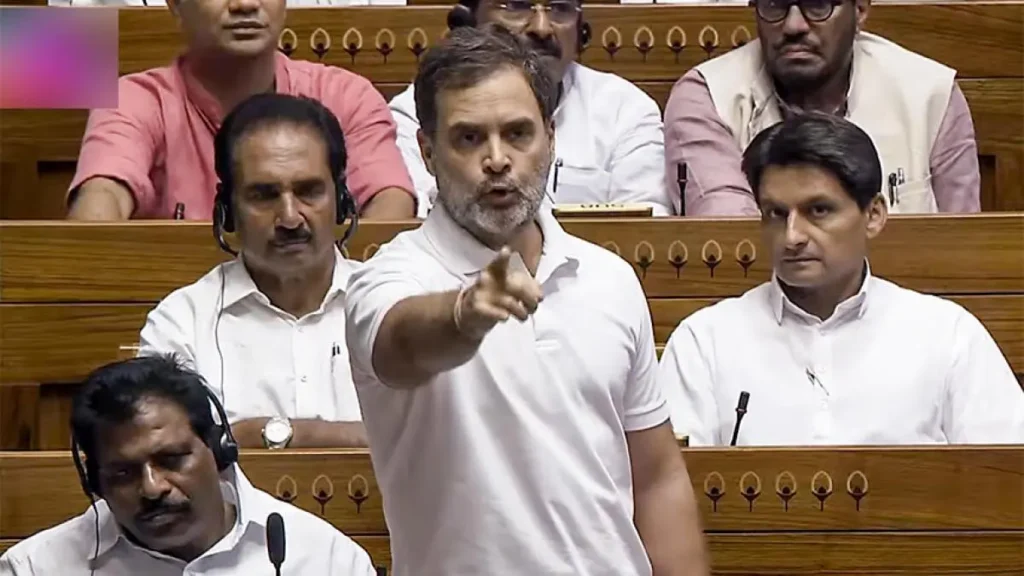
Parliament’s Continuing Deadlock
The current situation has also involved disagreements over which issues should receive priority in the House.
Recent developments have included discussions around student protests and other matters raised by the Opposition. A report published on August 12 said the government offered a discussion on the ongoing NEET-related protest, with Home Minister Amit Shah reportedly ready to respond, but Rahul Gandhi rejected the offer. The disagreement was followed by further disruption in Parliament.
The episode illustrates the broader difficulty facing Parliament: even when the government offers discussion, the Opposition may seek a different format, timing or scope for debate.
For both sides, therefore, the question is not simply whether discussion should take place, but how it should take place.
Government and Opposition Face Pressure to Find Common Ground
Speaker Om Birla’s appeal for the two sides to find common ground reflects the wider concern over parliamentary productivity.
Parliament is intended to provide a formal setting where disagreements can be debated on the record. Members can question ministers, participate in debates and seek explanations for government policies.
When repeated disruptions prevent those mechanisms from functioning normally, the public may have fewer opportunities to hear detailed arguments from both sides.
That is why Rahul Gandhi’s call for the government to listen to people and the Speaker’s appeal for cooperation are connected to a larger question about parliamentary functioning.
Rahul Gandhi’s Broader Political Strategy
Rahul Gandhi’s recent public statements indicate an effort to keep the focus on issues affecting ordinary citizens rather than limiting political activity to Parliament.
His comments on education are one example. During a recent interaction with students, he said that governments should listen to students and address problems in the education system.
The approach reflects a wider attempt by Congress to portray itself as an Opposition that is closely connected to public concerns.
For the party, this strategy can help transform parliamentary criticism into a broader political narrative.
At the same time, the effectiveness of such a strategy depends on whether public concerns are accompanied by specific policy proposals and sustained political engagement.
The Importance of Constructive Political Debate
Political disagreement is a normal part of democracy. Government and Opposition parties often have fundamentally different views on economic policy, governance, welfare programmes, education, elections and other national issues.
The important question is how those disagreements are handled.
Constructive debate allows competing arguments to be tested publicly. Government representatives can explain their decisions, while Opposition leaders can challenge them and present alternative viewpoints.
This process can also help citizens understand complex policy questions.
Rahul Gandhi’s latest remarks should therefore be viewed within the larger debate over the role of the Opposition and the functioning of Parliament.
Public Issues Remain at the Centre
A recurring theme in Rahul Gandhi’s recent political messaging has been the need for institutions to respond to citizens.
His statements regarding students have similarly focused on listening to people affected by government decisions. In a recent social-media interaction, Rahul Gandhi said that every government should listen to students and work to change aspects of the education system.
This emphasis allows Congress to connect parliamentary politics with issues experienced outside the political sphere.
Whether the approach translates into greater political support will depend on how effectively the party combines criticism, public engagement and policy alternatives.
Parliament’s Role in Resolving Political Disagreements
The ongoing deadlock highlights why parliamentary dialogue remains important.
The government has the responsibility to conduct legislative business, while the Opposition has the responsibility to scrutinise and challenge government decisions. Neither function can work effectively if Parliament becomes permanently paralysed.
The Speaker’s recent appeal for common ground underlines this concern.
For Gandhi and Congress, continuing to raise public issues is likely to remain an important part of their strategy. For the government, responding to those concerns while ensuring that parliamentary proceedings continue will remain a key challenge.

What Lies Ahead
The political confrontation between the government and Opposition is unlikely to disappear immediately. With Parliament facing repeated disruptions and both sides maintaining strong positions, further negotiations and political exchanges are expected.
Gandhi’s latest comments reinforce his message that Congress will continue applying pressure when it believes the government is not adequately responding to public concerns.
At the same time, recent developments show that the government has also emphasised its willingness to engage on selected issues. The disagreement over how discussions should be conducted demonstrates the complexity of the current political situation.
Rahul Gandhi’s remarks at the “Constructive Congress Conference” underline the Congress’s current strategy of presenting itself as a strong and persistent Opposition voice. His central message is that governments must listen to citizens and respond to concerns raised by the public.
The comments come against the backdrop of a difficult Monsoon Session, where repeated disruptions have affected parliamentary proceedings and prompted Speaker Om Birla to call on the government and Opposition to find common ground.
The developments highlight a fundamental challenge for Indian parliamentary politics: maintaining strong political disagreement while ensuring that Parliament remains a functioning forum for debate, accountability and decision-making. As the government and Opposition continue to clash over key issues, the ability of both sides to move from confrontation towards meaningful discussion will remain closely watched.