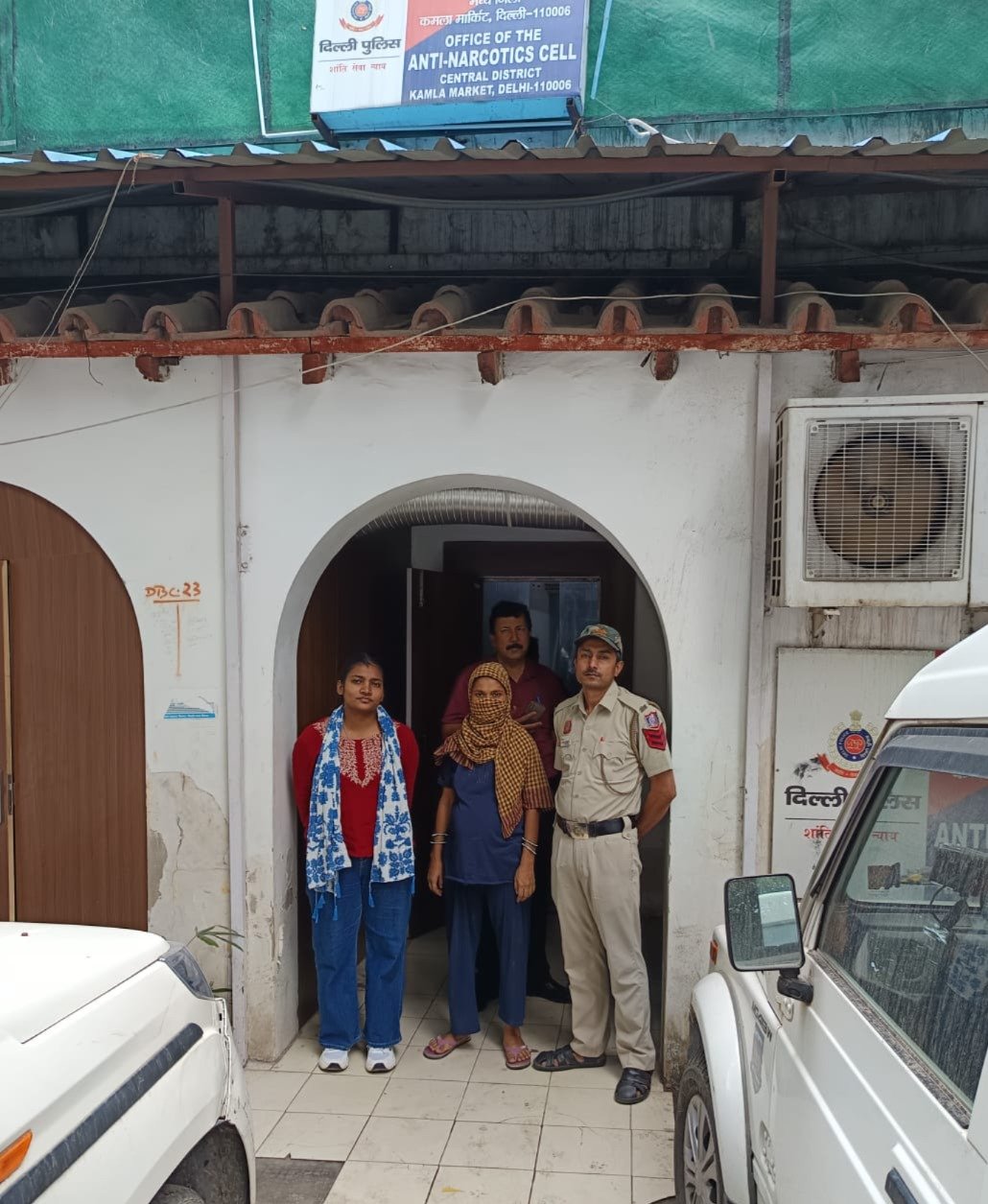
Proclaimed Offenders were the focus of a successful intelligence-led operation by Delhi Police’s Anti-Narcotics Cell, Central District, which resulted in the arrest of two absconding accused in separate raids after they had allegedly evaded judicial proceedings for months. Acting on specific local intelligence and sustained manual surveillance, police tracked down the two accused wanted in unrelated criminal cases registered at Darya Ganj and Kashmere Gate police stations.
The operation marks another important achievement in the Central District’s ongoing special drive against Proclaimed Offenders, reinforcing Delhi Police’s commitment to ensuring that individuals who attempt to escape the legal process are ultimately brought before the courts through persistent investigation and coordinated policing efforts.
The operation resulted in the arrest of Imran Khan, who was wanted in a motor vehicle theft case registered at Darya Ganj Police Station, and Anita, who had been declared a Proclaimed Offender in a house-trespass, wrongful confinement, assault on a public servant, and criminal breach of trust case registered at Kashmere Gate Police Station.
Unlike routine arrests, apprehending Proclaimed Offenders often requires sustained intelligence gathering, manual surveillance, and continuous monitoring because such accused deliberately avoid appearing before courts and frequently change their locations to escape legal action. The latest operation reflects Delhi Police’s continued commitment to ensuring that individuals who evade the justice system are eventually brought before the law.
Table of Contents
Why Action Against Proclaimed Offenders Matters
When an accused repeatedly fails to appear before a court despite legal notices, warrants, and summons, the court may declare the individual a Proclaimed Offender under the provisions of the Criminal Procedure Code after following the prescribed legal process.
Being declared a Proclaimed Offender is not merely an administrative label. It indicates that the accused has intentionally remained unavailable to law enforcement and judicial authorities despite pending criminal proceedings.
Such individuals often continue living under false identities, frequently change locations, or deliberately avoid official contact in an attempt to delay or escape prosecution.
Because of these challenges, Delhi Police regularly conducts special drives to identify, locate, and arrest Proclaimed Offenders across different districts.
These drives strengthen public confidence in the criminal justice system by ensuring that pending cases continue through the legal process rather than remaining unresolved indefinitely.
Intelligence-Based Investigation Led to the Breakthrough
The latest success did not result from routine checking or random verification.
According to Delhi Police, a dedicated team of the Anti-Narcotics Cell was constituted under the supervision of Inspector Rahul Adhikari and overall guidance of ACP Padam Singh Rana.
The operational team included:
- ASI Hamender
- ASI Manish
- Woman Constable Himanshi
- Head Constable Anuj Kumar
Instead of relying solely on technical surveillance, the team focused extensively on developing local intelligence and conducting sustained manual surveillance.
Experienced investigators often rely on neighbourhood sources, local informants, movement analysis, and repeated field visits while tracing Proclaimed Offenders because such accused usually avoid using easily traceable communication methods.
This patient investigative approach eventually led officers to both accused.
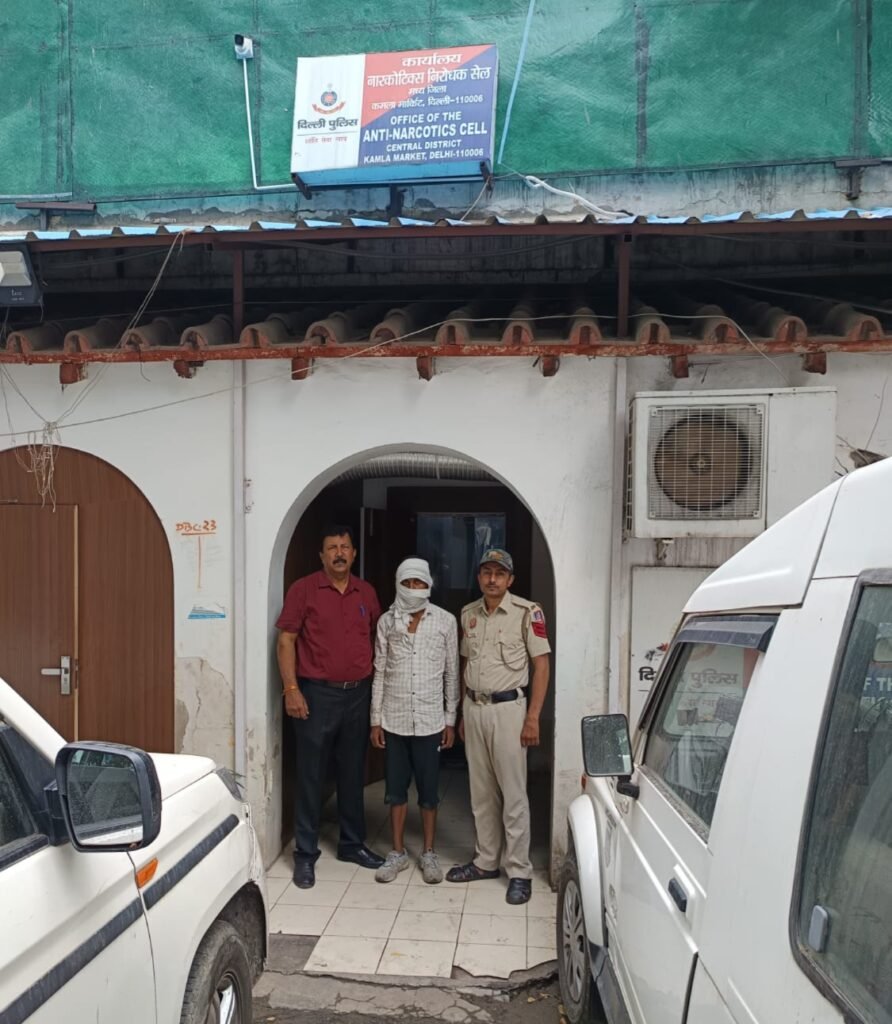
Operation One: Imran Khan Arrested Near Jama Masjid
The first operation was carried out on July 2, 2026, after investigators received specific information regarding the whereabouts of Imran Khan.
Police were informed that the accused was present in the Jama Masjid area of Delhi.
Acting immediately on the intelligence, officers conducted a carefully planned raid and successfully apprehended him.
Subsequent verification confirmed that Imran Khan, approximately 30 years old and a resident of Jama Masjid, had already been declared a Proclaimed Offender by the Court of JMFC-05, Tis Hazari Courts on June 30, 2026.
The declaration related to a motor vehicle theft case registered under Sections 379 and 411 of the Indian Penal Code at Darya Ganj Police Station.
After completing all necessary legal formalities, police formally arrested the accused.
Criminal Background of the First Accused
Police records indicate that Imran Khan has previously been involved in multiple criminal cases.
These include:
- Motor vehicle theft.
- Possession of stolen property.
- Cases registered under the Narcotic Drugs and Psychotropic Substances (NDPS) Act.
Although every criminal case proceeds independently before the courts, investigators noted that his repeated involvement in different offences made tracing him particularly important.
The arrest now enables pending judicial proceedings to continue according to law.
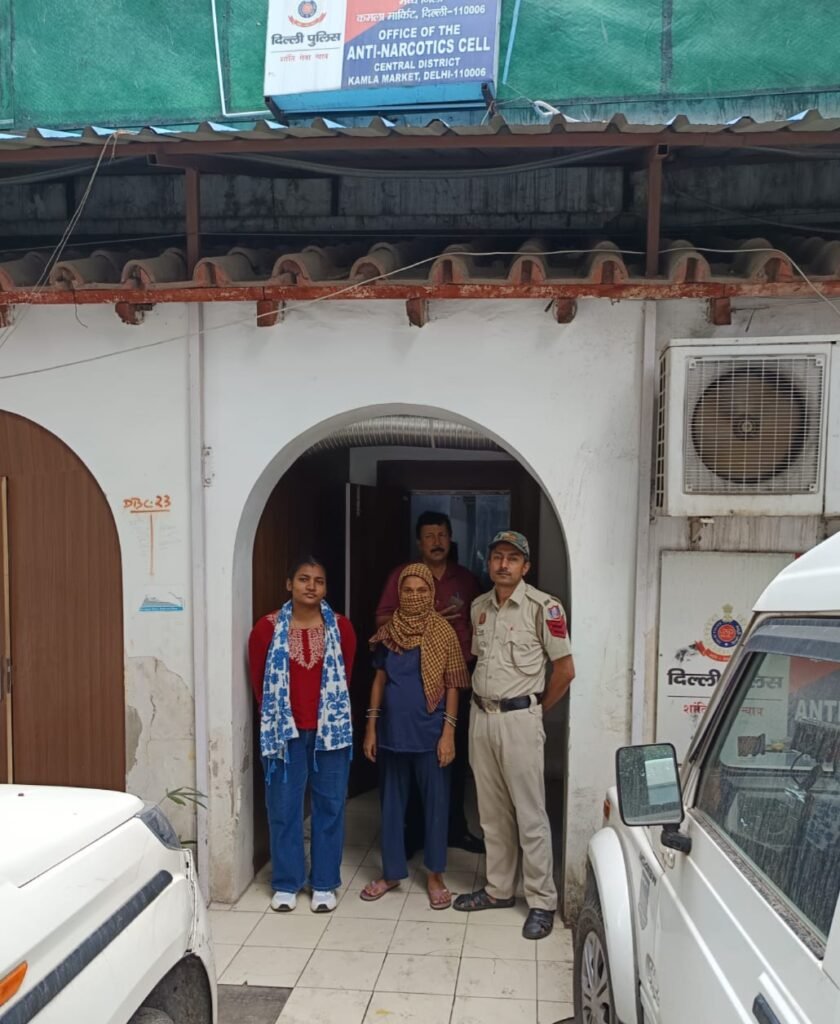
Operation Two: Anita Arrested in Usmanpur
In another intelligence-based operation conducted on the same day, investigators received specific information regarding Anita, another accused who had been declared a Proclaimed Offender.
Police traced her location to the 2nd Pusta area of Usmanpur in Delhi.
A dedicated team immediately conducted a raid and successfully apprehended her.
Verification of court records confirmed that Anita, approximately 32 years old and originally a resident of Loni in Uttar Pradesh’s Ghaziabad district, had been declared a Proclaimed Offender by the Court of JMFC-11, Central District, on January 29, 2026.
The declaration related to FIR No. 08/2014 registered at Kashmere Gate Police Station.
The case involved allegations under provisions dealing with house-trespass, wrongful confinement, assault on a public servant, criminal breach of trust, and common intention.
Following completion of legal procedures, the accused was formally arrested.
Long-Pending Cases Require Persistent Investigation
One notable aspect of this operation is the age of the pending criminal cases.
The second accused was linked to a case originally registered in 2014.
Such long-pending investigations often become increasingly difficult because accused persons may relocate several times, change employment, alter identities, or minimize contact with former associates.
Investigators therefore rely on a combination of intelligence gathering, manual verification, local sources, and field surveillance instead of expecting immediate results.
The successful arrest demonstrates that becoming a Proclaimed Offender does not permanently shield an accused from legal accountability.
Law enforcement agencies continue monitoring such cases until the accused is located.
Understanding the Role of Manual Surveillance
Modern policing increasingly uses digital technology, CCTV networks, mobile analysis, and electronic intelligence.
However, cases involving Proclaimed Offenders still depend heavily upon traditional policing techniques.
Manual surveillance includes:
- Monitoring known associates.
- Visiting previous residences.
- Tracking routine movement patterns.
- Gathering neighbourhood intelligence.
- Developing confidential local sources.
- Conducting repeated verification exercises.
Unlike electronic surveillance, these methods require considerable patience and persistence.
Experienced investigators often spend weeks or months developing reliable information before making an arrest.
The latest operation highlights how conventional investigative skills remain highly effective alongside modern policing techniques.
Why Courts Declare Someone a Proclaimed Offender
Courts generally declare an accused a Proclaimed Offender only after several legal opportunities have already been provided.
Typically, the judicial process includes:
- Issuing summons.
- Issuing warrants.
- Attempting service through police.
- Public proclamation.
- Granting sufficient time for appearance.
If the accused still deliberately avoids appearing before the court, legal provisions permit the declaration as a Proclaimed Offender.
This enables police to intensify efforts to trace and arrest the accused while ensuring judicial proceedings can continue.
The declaration also serves as a public notice that the individual is wanted by law.
Importance of Special Drives
Delhi Police periodically launches focused drives targeting Proclaimed Offenders, parole jumpers, bail violators, and absconding criminals.
These drives serve multiple objectives.
They help:
- Reduce the number of pending warrants.
- Strengthen court enforcement.
- Improve public safety.
- Increase accountability.
- Prevent repeat offences.
- Reinforce confidence in the justice system.
Instead of waiting for accidental detection during routine checking, specialized teams proactively investigate the whereabouts of wanted individuals.
This systematic approach has significantly improved the success rate in tracing absconding accused across Delhi.
Intelligence and Coordination Were Key
Officials credited the success of both operations to continuous intelligence development rather than chance encounters.
Local intelligence remains one of the strongest investigative tools available to police.
Residents, confidential informants, community interactions, and careful observation often provide critical leads that technology alone cannot generate.
The coordinated efforts of the Anti-Narcotics Cell officers ensured that both Proclaimed Offenders were arrested within a short period through separate operations conducted on the same day.
Such coordination requires meticulous planning, legal preparation, and operational discipline.
The professionalism displayed by the investigating team deserves appreciation. Successfully tracing individuals who have deliberately avoided judicial proceedings is rarely straightforward and often involves weeks of surveillance, verification, and intelligence gathering. The dedicated efforts of the Anti-Narcotics Cell reflect Delhi Police’s continued commitment to ensuring that no accused remains beyond the reach of the law simply by absconding.
What Happens After Arrest?
Once Proclaimed Offenders are arrested, they are produced before the appropriate court following the prescribed legal procedures.
Their appearance allows pending criminal proceedings to resume.
The arrest itself does not determine guilt or innocence.
Instead, it ensures that the accused participates in the judicial process and that evidence, witnesses, and legal arguments can be examined before the competent court.
This distinction remains an essential principle of India’s criminal justice system, where every accused is entitled to a fair trial while also being legally required to appear before the court.
Continuing Efforts Against Absconding Criminals
The latest arrests demonstrate that Delhi Police continues to prioritize action against Proclaimed Offenders through intelligence-based policing and sustained field operations.
Investigators are expected to continue identifying other absconding accused who have avoided court proceedings in pending criminal cases across the Central District.
As part of these ongoing efforts, officers are likely to strengthen intelligence networks, enhance coordination between police stations, and continue targeted surveillance against wanted individuals. The arrest of two Proclaimed Offenders in separate operations reinforces the message that evading judicial proceedings may delay legal action but does not prevent law enforcement agencies from eventually locating and apprehending those sought by the courts.