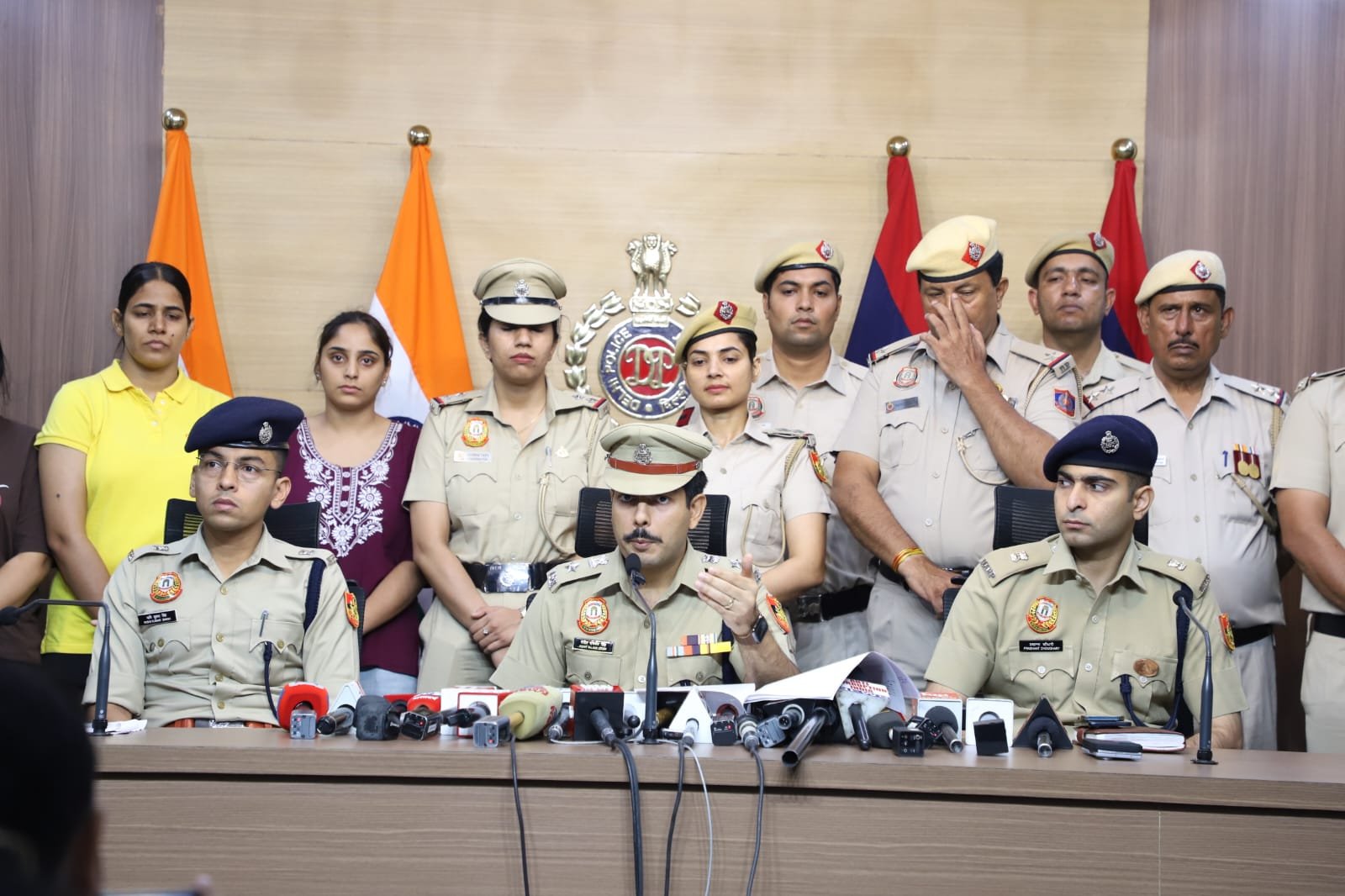
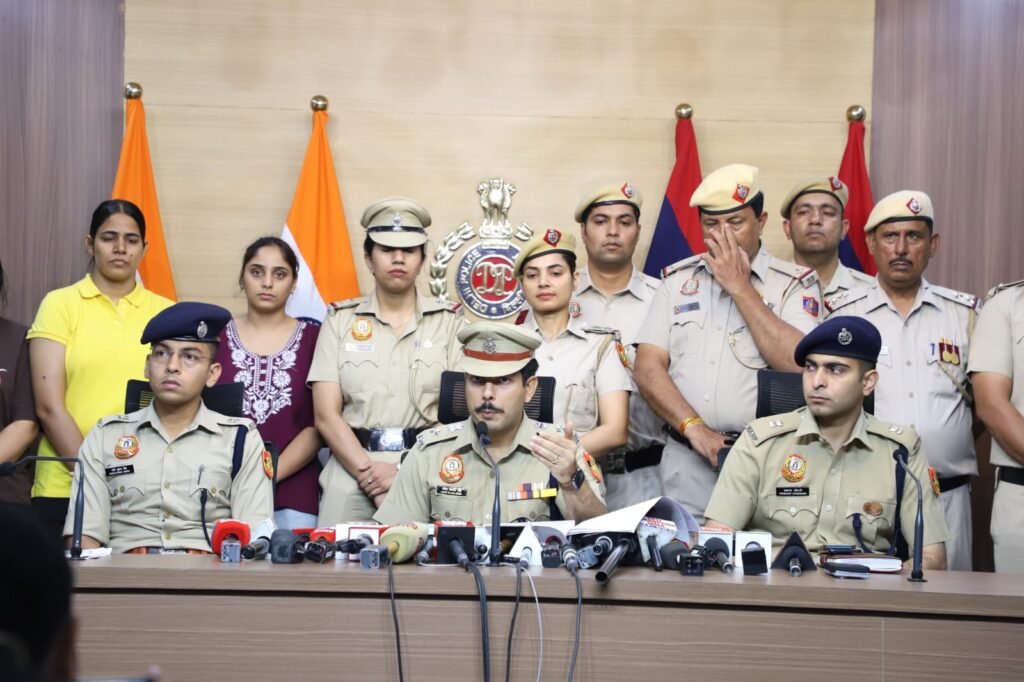
In a significant breakthrough against Child Trafficking, the Central District Police of Delhi has dismantled an extensive inter-state network allegedly involved in the illegal sale and purchase of newborn babies across multiple states. The operation, which led to the arrest of 13 accused persons and the rescue of five infants, is being hailed as one of the most important recent successes in the fight against Child Trafficking in India.
The case highlights the disturbing reality that Child Trafficking remains one of the most organized and profitable forms of crime, exploiting vulnerable infants and desperate families through illegal networks that operate across state boundaries. At the same time, the successful operation demonstrates how intelligence-led policing, technical surveillance, and coordinated investigation can disrupt such criminal enterprises and save young lives.
Table of Contents
How the Investigation Began
The entire operation started on June 5, 2026, when the Operations Unit of Central District Police received specific intelligence regarding the sale of a newborn child near RK Ashram Metro Station in Paharganj.
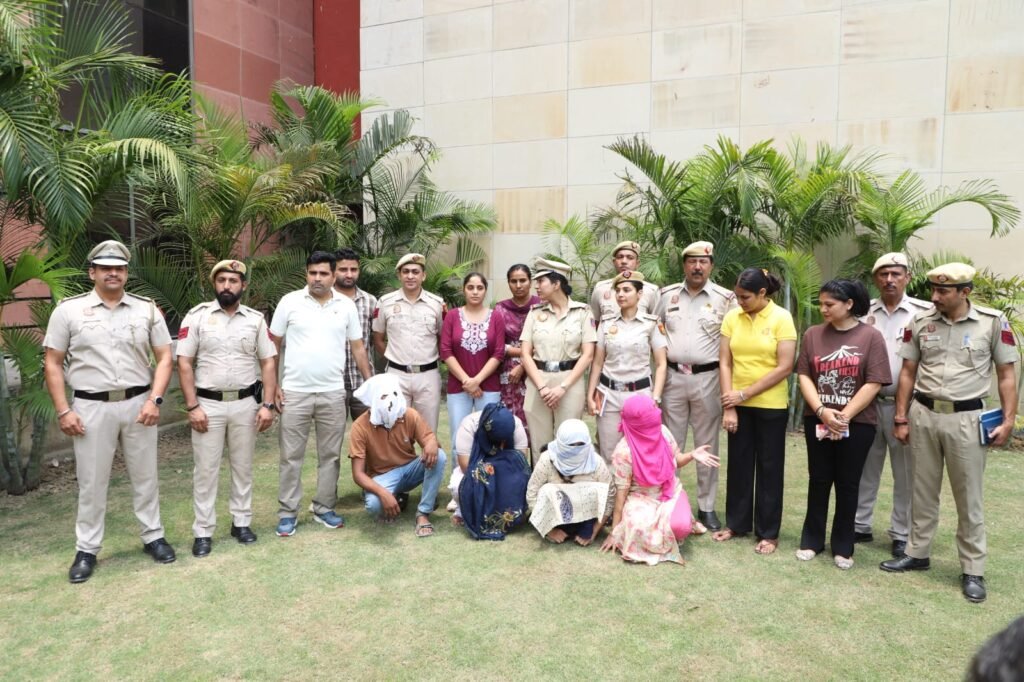
Acting swiftly, police officers organized a carefully planned decoy operation. Officers posed as potential buyers and established contact with the suspects. During the operation, three accused individuals—two women and one man identified as Lalit—were apprehended while allegedly attempting to sell a newborn infant.
The police rescued a male infant who was only four to five days old. Authorities also recovered Rs. 20,000, which had been provided as token money during the undercover operation.
Following the rescue, a criminal case was registered at Police Station Paharganj under relevant provisions of the Bharatiya Nyaya Sanhita (BNS) and the Juvenile Justice Act. What initially appeared to be an isolated transaction soon exposed a much larger Child Trafficking network operating across several states.
Uncovering a Large Child Trafficking Syndicate
As investigators questioned the arrested suspects and analyzed technical evidence, a far more complex picture emerged.
According to investigators, the accused were allegedly part of a sophisticated Child Trafficking syndicate that procured infants through various intermediaries and sold them to prospective buyers for large sums of money.
The network reportedly extended across Delhi, Haryana, Rajasthan, Madhya Pradesh, and Gujarat. Members of the syndicate performed different roles, including sourcing infants, transporting them across states, arranging buyers, handling financial transactions, and creating fraudulent documents to facilitate illegal adoptions.
Investigators found that the syndicate operated with a structured hierarchy, similar to organized criminal groups. Certain members acted as suppliers, others served as mediators, while some coordinated transportation and documentation. This level of organization allowed the Child Trafficking network to function across multiple states while attempting to avoid detection.
The Alleged Role of Key Accused
Police investigations identified a woman from Delhi as the alleged main coordinator of the network. Authorities claim she played a central role in organizing the procurement and sale of infants and maintaining contact with various suppliers and buyers.
Investigators also identified individuals who allegedly worked as transport facilitators, helping move infants and syndicate members between different locations.
One accused woman reportedly worked as a domestic helper in Gurugram and allegedly acted as a mediator in arranging infants for the network. Police claim she connected vulnerable families and suppliers with members of the Child Trafficking syndicate.
The investigation further revealed the alleged involvement of a major supplier known as Kalia, who was traced to Gujarat after an extensive technical surveillance operation. According to police, he supplied infants obtained from different locations in Rajasthan and Gujarat and played a critical role in sustaining the network.
His arrest is being viewed as a major achievement because investigators believe he was one of the principal sources through which trafficked infants entered the illegal market.
Hospital Owner’s Alleged Involvement Raises Serious Concerns
One of the most alarming aspects of the investigation is the alleged involvement of a hospital owner.
According to Delhi Police, the owner of Heera Multi Speciality Hospital in Delhi was arrested for allegedly facilitating illegal Child Trafficking activities.
Investigators claim that trafficked infants were sometimes kept at the hospital while arrangements were made for their transfer to buyers. The hospital allegedly served as a point where prospective purchasers could be identified among childless couples seeking fertility-related medical assistance.
Police further allege that fabricated documents were prepared to create a false appearance of legal parentage. These documents reportedly included hospital records, birth-related papers, delivery documents, and other supporting records.
The alleged misuse of medical documentation demonstrates how Child Trafficking networks increasingly rely on forged paperwork to conceal criminal activities and create seemingly legitimate adoption records.
Authorities are currently examining documentary evidence recovered during the investigation.
How the Child Trafficking Network Operated
Investigators believe the syndicate followed a carefully planned process.
First, infants were allegedly procured through various sources operating in different states. Some children reportedly came from economically vulnerable backgrounds, making them easier targets for traffickers.
The infants were then transported across state lines and temporarily housed at safe locations controlled by network members.
Potential buyers were identified through personal contacts and referrals. In many cases, these buyers were allegedly childless couples seeking children through illegal channels rather than approved legal adoption procedures.
Once a buyer was identified, syndicate members allegedly arranged forged records designed to make the transfer appear legitimate. Financial transactions were then completed, and custody of the child was transferred.
Investigators estimate that infants were purchased for approximately Rs. 1.5 lakh to Rs. 2 lakh and later sold for amounts ranging from Rs. 6 lakh to Rs. 8 lakh or even higher.
This substantial profit margin illustrates why Child Trafficking continues to attract organized criminal networks despite strict legal penalties.
Rescue of Additional Infants
One of the most encouraging outcomes of the investigation has been the rescue of additional children.
As police followed leads generated during interrogation and surveillance, they located four more infants in different states.
A male infant was rescued from Panipat in Haryana. Two infants, including a male and a female child, were rescued from Gwalior in Madhya Pradesh. Another male infant was subsequently rescued from Haryana.
With these recoveries, the total number of rescued infants reached five.
Police officials stated that four of the rescued children are believed to belong to tribal communities, while one infant is from Delhi.
The successful recovery of these children highlights the importance of timely intervention in Child Trafficking cases. Early rescue significantly improves the chances of identifying biological families and ensuring proper rehabilitation.
Financial Trail Reveals Scale of Operations
The financial evidence uncovered during the investigation provides insight into the scale of the alleged Child Trafficking enterprise.
Police recovered Rs. 20,000 used during the decoy operation and an additional Rs. 2,92,400 that investigators believe was intended for the purchase of another newborn child.
Investigators also uncovered evidence suggesting transactions involving several lakh rupees. According to police findings, one infant was allegedly sold for approximately Rs. 6 lakh, while two others were allegedly sold for around Rs. 9 lakh.
Such figures indicate that Child Trafficking is not merely an isolated criminal act but a highly profitable underground business involving multiple participants and extensive planning.
Importance of Legal Adoption Channels
The case serves as a reminder of the importance of following legal adoption procedures.
India has established legal mechanisms for adoption that prioritize the welfare and protection of children. These procedures include background verification, legal documentation, monitoring by child welfare authorities, and judicial oversight.
Child Trafficking networks bypass these safeguards entirely, exposing children to exploitation and depriving them of legal protection.
Experts frequently warn that illegal adoption arrangements can result in identity issues, lack of legal status, and long-term emotional consequences for children.
The present case demonstrates how Child Trafficking networks exploit emotional vulnerabilities while generating significant profits through unlawful transactions.
Delhi Police Deserve Recognition for the Operation
The success of this operation reflects the dedication, professionalism, and persistence of the Central District Police team.
What began as a local intelligence input quickly evolved into a complex multi-state investigation involving surveillance, undercover operations, interstate coordination, evidence collection, and multiple arrests.
The efforts of the Operations Unit, led by investigating officers and supervisory officials, resulted not only in the arrest of key accused but also in the rescue of vulnerable infants who may otherwise have disappeared into an illegal trafficking network.
The arrest of the alleged master supplier from Gujarat, the exposure of the broader syndicate structure, and the recovery of five infants demonstrate the effectiveness of sustained police action against organized Child Trafficking.
Most importantly, the operation sends a strong message that Child Trafficking networks, regardless of how sophisticated or widespread they become, can be identified, disrupted, and brought before the law through determined investigation and coordinated policing.