

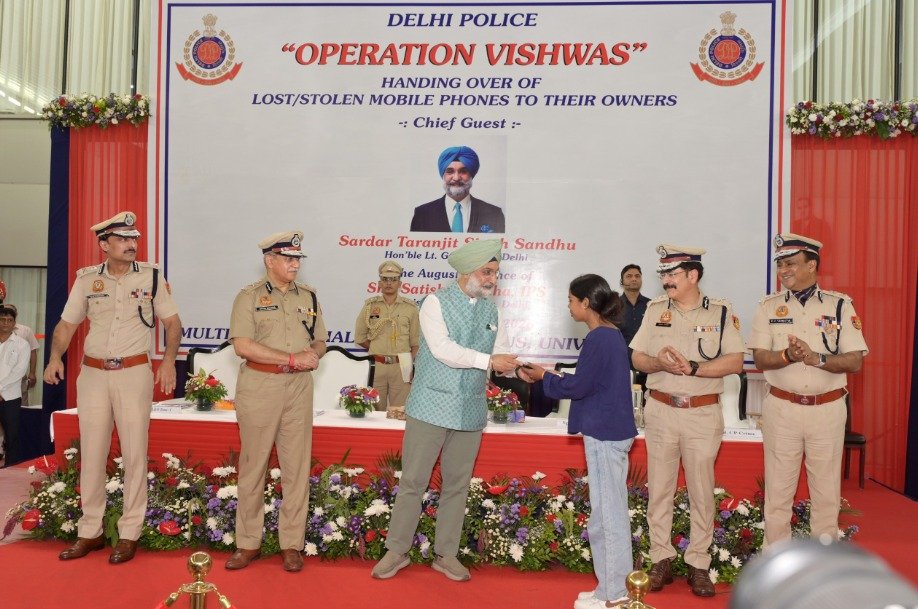
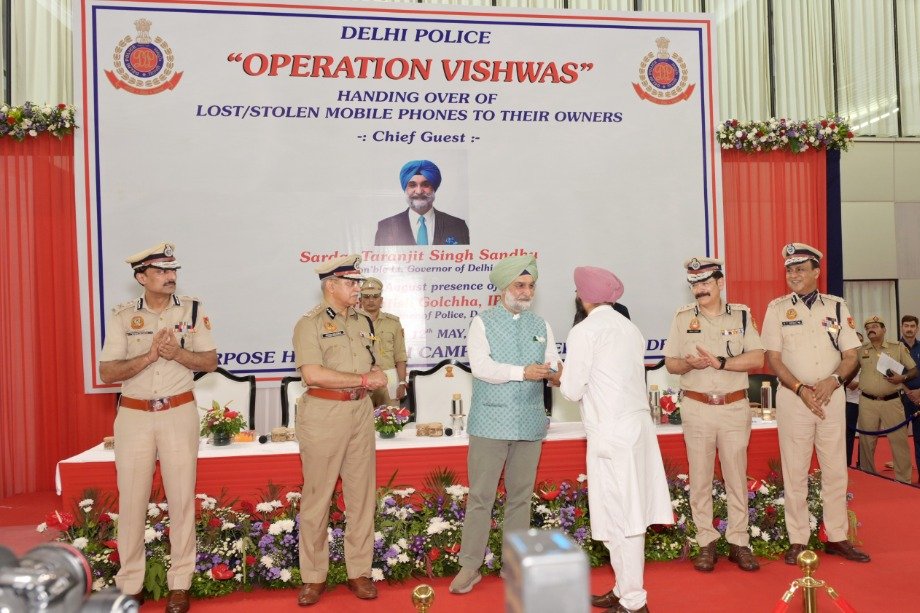
In a remarkable demonstration of technology-driven policing and public service, Operation Vishwas reached another major milestone as the Delhi Police handed over 12,600 recovered lost and stolen mobile phones to their rightful owners during a special event held at the Multi Purpose Hall, North Campus, University of Delhi. The initiative has become one of the capital’s most successful citizen-centric policing programs, combining advanced investigation techniques with a strong commitment to restoring lost property to the public.
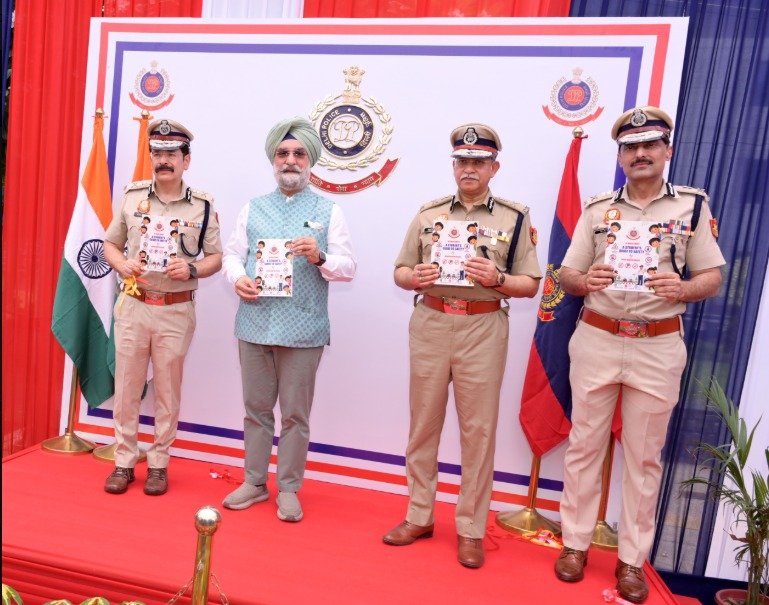
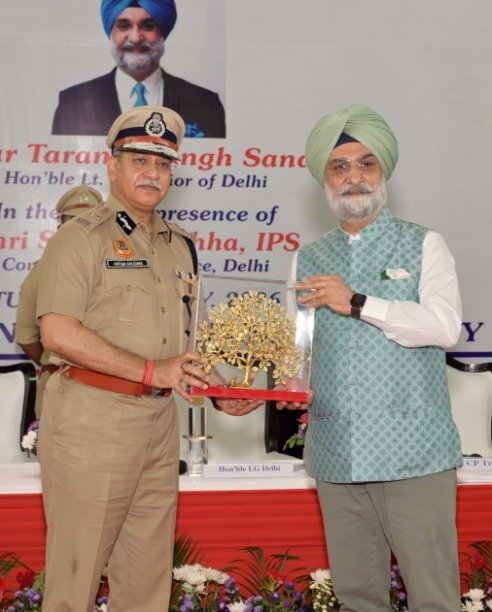
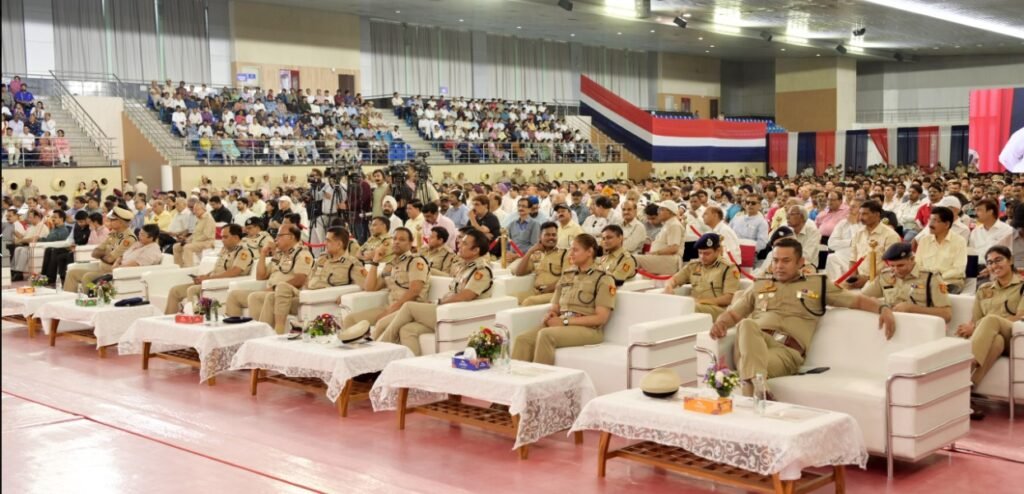
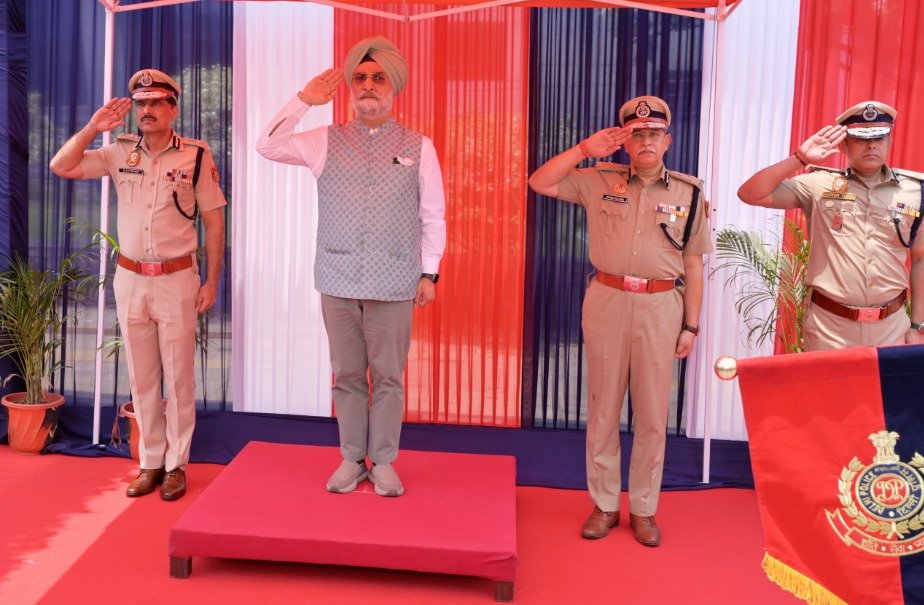
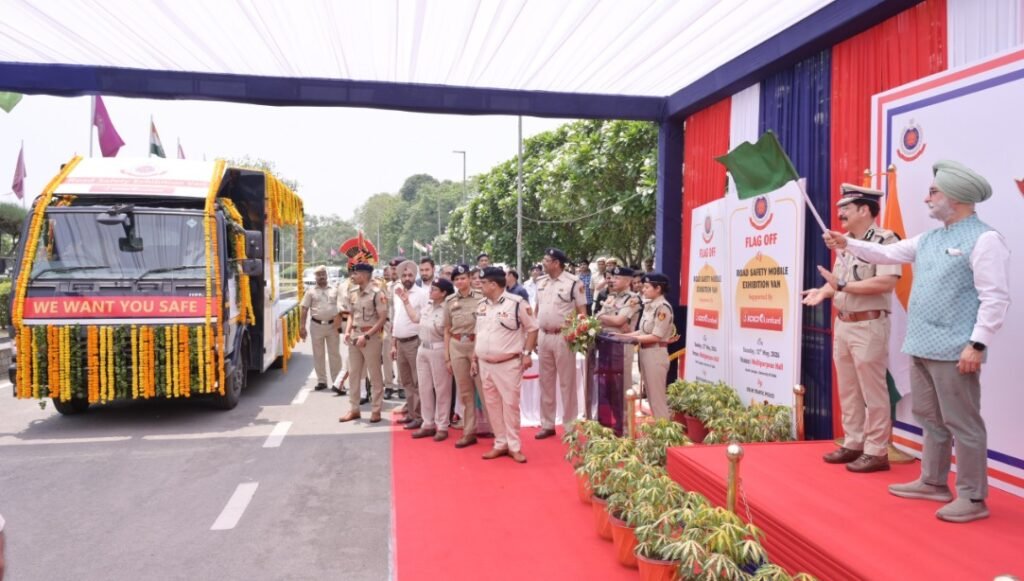
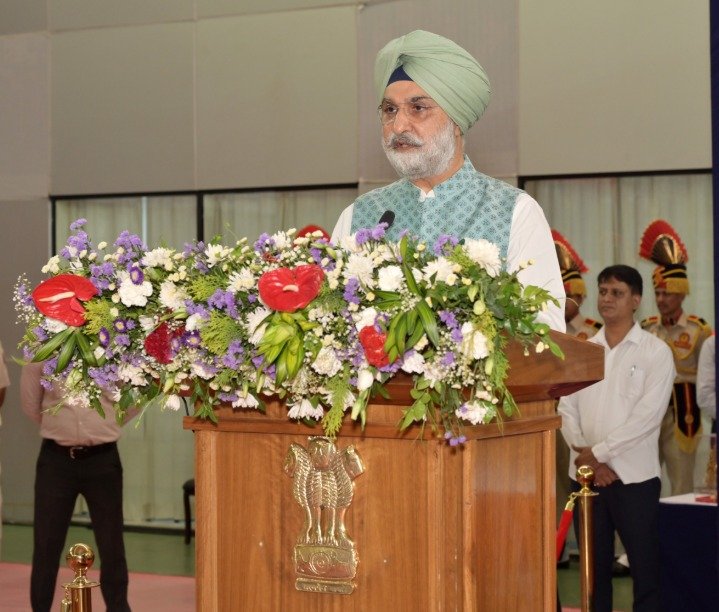
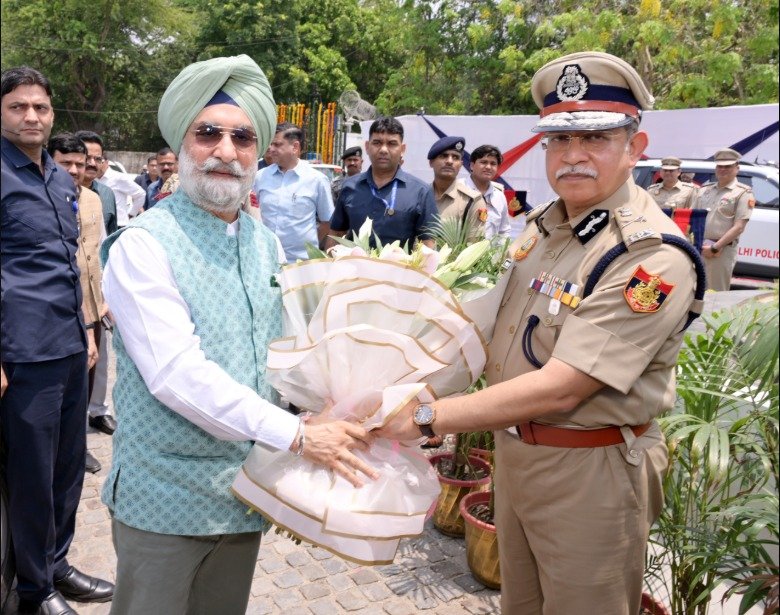
The event was presided over by Delhi Lieutenant Governor Sardar Taranjit Singh Sandhu, while Delhi Police Commissioner Satish Golchha, senior police officers, and representatives from several Resident Welfare Associations (RWAs) and Market Welfare Associations (MWAs) were also present. Alongside the distribution of recovered mobile phones, Delhi Police inaugurated a Traffic Exhibition Van and launched a road safety guide booklet, reflecting its broader focus on public awareness and community engagement.
The latest success under Operation Vishwas highlights how modern policing is evolving beyond crime prevention to actively reconnect citizens with their valuable belongings. For thousands of residents, the return of their mobile phones represented not just the recovery of a device but also the restoration of personal memories, important documents, financial information, and daily communication tools that have become essential in today’s digital world.
Table of Contents
What is Operation Vishwas?
Operation Vishwas is a special initiative launched by the Delhi Police to trace, recover, and return lost or stolen mobile phones to their rightful owners. While mobile theft has long been one of the most commonly reported property-related offences in metropolitan cities, recovering stolen devices has traditionally been a difficult task because criminals often sell them quickly or move them across different states.
Recognizing the growing dependence of citizens on smartphones for banking, education, work, healthcare, and communication, Delhi Police strengthened its recovery efforts through Operation Vishwas. Instead of treating lost mobile phones as routine property cases, investigators focused on systematically tracking devices, identifying suspects, verifying ownership, and ensuring recovered phones were legally returned to their owners.
The initiative reflects a citizen-first policing approach where the emphasis is not only on registering complaints but also on delivering tangible results that directly benefit the public.
12,600 Mobile Phones Returned to Owners
The highlight of the event was the distribution of 12,600 recovered mobile phones, making it one of the largest public handover programs conducted under Operation Vishwas.
Each recovered device underwent detailed verification before being returned. Police teams carefully matched the recovered phones with complaint records, IMEI numbers, ownership documents, and claimant details to ensure that every device reached its legitimate owner.
For many recipients, recovering their phones meant regaining years of photographs, family contacts, work-related information, educational material, digital payment access, and official documents stored on their devices.
Unlike many personal belongings, smartphones today contain a person’s digital identity. Losing one often creates financial, emotional, and professional challenges. Through Operation Vishwas, Delhi Police has helped thousands of citizens overcome those difficulties by restoring their devices through a transparent and legally verified process.
Why Mobile Phone Recovery Matters
The importance of Operation Vishwas goes far beyond the number of phones recovered.
India is one of the world’s largest smartphone markets, with millions of users depending on mobile devices for nearly every aspect of daily life. Smartphones are now used for digital banking, Aadhaar-linked services, government schemes, online education, office work, healthcare appointments, navigation, emergency communication, and secure identity verification.
When a mobile phone is stolen, victims often face multiple problems simultaneously. Besides losing an expensive device, they risk unauthorised access to personal photographs, confidential messages, banking applications, digital wallets, social media accounts, and sensitive business information.
Recovering such devices therefore protects citizens not only from financial loss but also from potential identity theft and cybercrime.
Through Operation Vishwas, Delhi Police has demonstrated that recovering stolen property is equally important as preventing crime because it directly restores confidence among citizens.
Technology Plays a Key Role
The success of Operation Vishwas reflects the increasing use of technology in modern policing.
Every smartphone carries a unique International Mobile Equipment Identity (IMEI) number, which acts as its digital fingerprint. Investigators use these identifiers to trace recovered devices and establish ownership.
Police teams also coordinate with telecom service providers, technical experts, cyber units, and law enforcement agencies in different states whenever stolen devices move outside Delhi.
Advanced databases, digital complaint systems, and coordinated verification procedures have significantly improved the efficiency of recovering lost or stolen mobile phones.
However, technology alone cannot solve such cases. Experienced investigators, field intelligence, local policing, and careful documentation remain equally important components of Operation Vishwas, ensuring that every recovery withstands legal scrutiny.
Public Participation Strengthens Operation Vishwas
One of the reasons Operation Vishwas has achieved consistent success is the active participation of citizens.
When people promptly report a lost or stolen phone, submit accurate IMEI details, and cooperate during verification, investigators can begin tracking the device much sooner.
Public awareness regarding reporting thefts has also improved considerably in recent years, enabling police to maintain updated records and strengthen investigations.
The presence of Resident Welfare Associations (RWAs) and Market Welfare Associations (MWAs) during the event highlighted the growing partnership between Delhi Police and local communities. Such collaborations help spread awareness about crime prevention, cyber safety, and responsible reporting of incidents.
Community engagement remains one of the strongest pillars supporting Operation Vishwas, making it a collaborative effort rather than only a police initiative.
Traffic Awareness and Public Safety Initiatives
Apart from celebrating the achievements of Operation Vishwas, the event also featured two important public safety initiatives.
Delhi Police inaugurated a Traffic Exhibition Van, designed to educate citizens about road safety, responsible driving practices, traffic regulations, and accident prevention. Such mobile awareness platforms allow traffic education to reach schools, colleges, markets, residential colonies, and public events across the city.
A road safety guide booklet was also launched during the programme. The booklet aims to provide practical information about traffic rules, safe driving habits, pedestrian safety, and emergency response measures.
These initiatives underline Delhi Police’s broader commitment to public welfare by combining crime prevention with education and awareness.
Citizen-Centric Policing in Action
Modern policing is increasingly measured not only by arrests and crime statistics but also by the quality of services delivered to citizens.
Operation Vishwas is a strong example of this evolving approach. Instead of limiting investigations to criminal prosecution, Delhi Police has focused equally on restoring public trust through efficient recovery of valuable personal property.
Returning thousands of recovered mobile phones requires months of investigation, verification, legal documentation, inter-agency coordination, and administrative planning. Every recovered device represents a separate investigation involving multiple officers and technical procedures before it reaches its rightful owner.
Such efforts often go unnoticed compared to high-profile criminal investigations, yet they have a direct and meaningful impact on thousands of families.
Delhi Police’s Commitment Reflected Through Operation Vishwas
The success of Operation Vishwas showcases the professionalism, dedication, and service-oriented approach of the Delhi Police. Recovering and returning 12,600 mobile phones is not merely an administrative achievement—it reflects thousands of successful investigations, careful verification processes, and countless hours of coordinated police work.
By leveraging technology alongside traditional investigative methods, Delhi Police has created a model that places citizens at the centre of policing. The initiative demonstrates that effective law enforcement extends beyond solving major crimes to addressing everyday challenges faced by the public.
The presence of senior leadership, including the Lieutenant Governor and the Commissioner of Police, further highlighted the importance of Operation Vishwas as a flagship public service initiative. Their participation underscored the growing emphasis on transparent policing, community engagement, and technology-driven investigations.
As smartphones continue to play an increasingly vital role in people’s lives, initiatives like Operation Vishwas reinforce public confidence that every complaint matters and that determined police work can successfully reunite citizens with their lost or stolen belongings. Through sustained commitment, innovation, and public cooperation, Delhi Police continues to set a strong example of citizen-focused policing that combines enforcement with meaningful public service.
Operation Vishwas Sets a Benchmark for Property Recovery
The scale of Operation Vishwas also highlights how property recovery has become an important part of modern policing. In the past, many victims of mobile theft believed there was little chance of getting their devices back. However, initiatives like Operation Vishwas have changed that perception by demonstrating that systematic investigations, technological support, and persistent follow-up can produce meaningful results.
Every recovered mobile phone represents a successful investigation involving multiple stages, including tracing the device, identifying its current location, verifying ownership records, completing legal formalities, and coordinating with various police units. The recovery process often requires officers to work across jurisdictions, especially when stolen devices are transported to other states or sold through illegal channels.
The success of Operation Vishwas also serves as a deterrent to organized mobile theft networks. Consistent recovery drives and strict enforcement make it increasingly difficult for stolen devices to be circulated in grey markets, reducing opportunities for criminals to profit from such offences. This not only strengthens law enforcement efforts but also contributes to making the second-hand mobile phone market more transparent and accountable.
Police officials have repeatedly encouraged citizens to immediately report lost or stolen phones and keep a record of their device’s IMEI number, as timely reporting significantly improves the chances of recovery under Operation Vishwas. Public awareness, combined with active police action, has emerged as one of the strongest factors behind the initiative’s growing success.
The achievement of returning 12,600 mobile phones reflects months of dedicated investigative work carried out by teams across different units of the Delhi Police. It also showcases the department’s commitment to using technology, intelligence, and community cooperation to deliver real benefits to the people it serves.
Beyond recovering valuable devices, Operation Vishwas has helped restore citizens’ confidence in the policing system. For thousands of people who had almost given up hope of seeing their phones again, the initiative proved that persistent investigation and efficient public service can make a tangible difference. As Delhi Police continues to strengthen its technology-driven policing model, Operation Vishwas stands as an inspiring example of how law enforcement can combine innovation, dedication, and public trust to achieve remarkable results.