
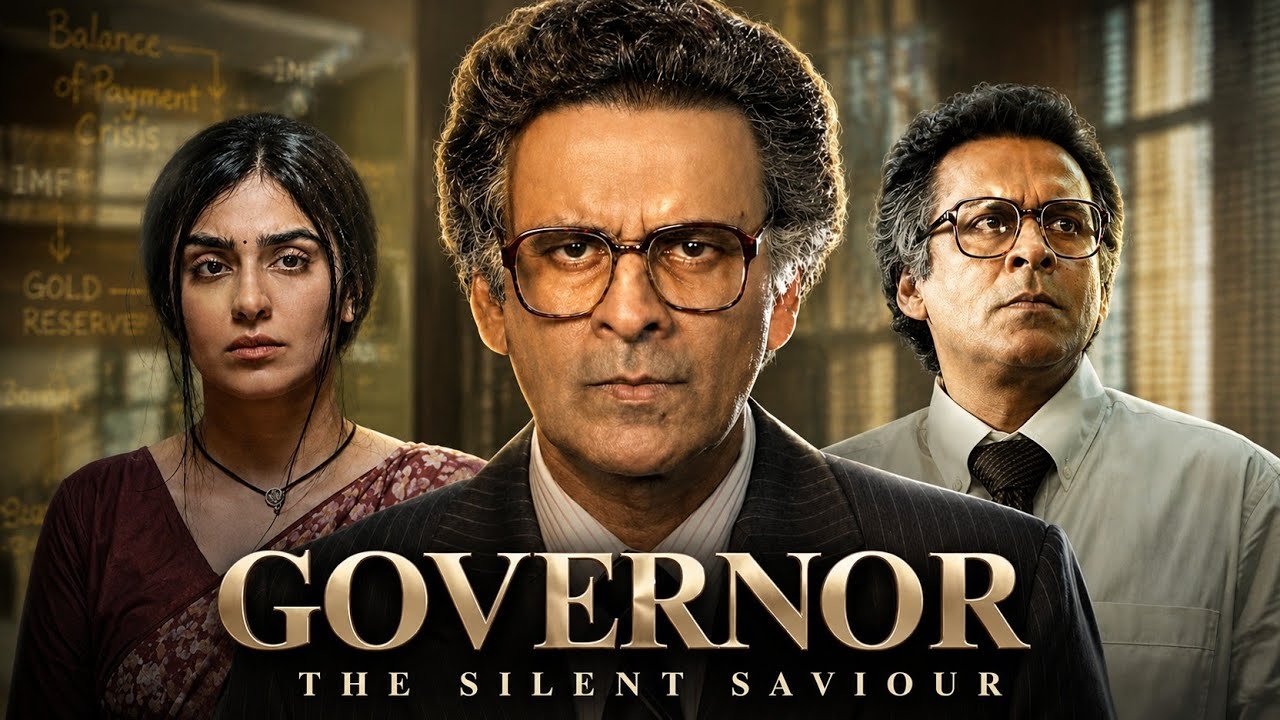
Manoj Bajpayee’s latest political-economic drama, Governor: The Silent Saviour, has moved from theatres to digital viewing following its June 2026 theatrical release. The film revisits one of the most consequential periods in India’s economic history — the 1991 balance-of-payments crisis — through the story of an RBI governor facing enormous pressure as the country approaches the brink of financial collapse.
Directed by Chinmay Mandlekar and produced by Vipul Amrutlal Shah under Sunshine Pictures, the film combines historical drama, political tension and economic themes. Bajpayee plays the central character, inspired by former Reserve Bank of India Governor S. Venkitaramanan, who served during the economic crisis. Adah Sharma and Noushad Mohamed Kunju are also part of the principal cast.
The film was released theatrically on June 12, 2026, and subsequently made its digital debut on Amazon Prime Video as a rental title. According to a July 24 report by The Economic Times, viewers can rent the film for ₹349, rather than accessing it through the standard Prime membership catalogue.
Table of Contents
A Film About a Defining Moment in India’s Economic History
At the centre of Governor: The Silent Saviour is the economic crisis India faced in 1991. The period was marked by severe pressure on the country’s external finances, rising inflation and concerns about the government’s ability to meet its international payment obligations.
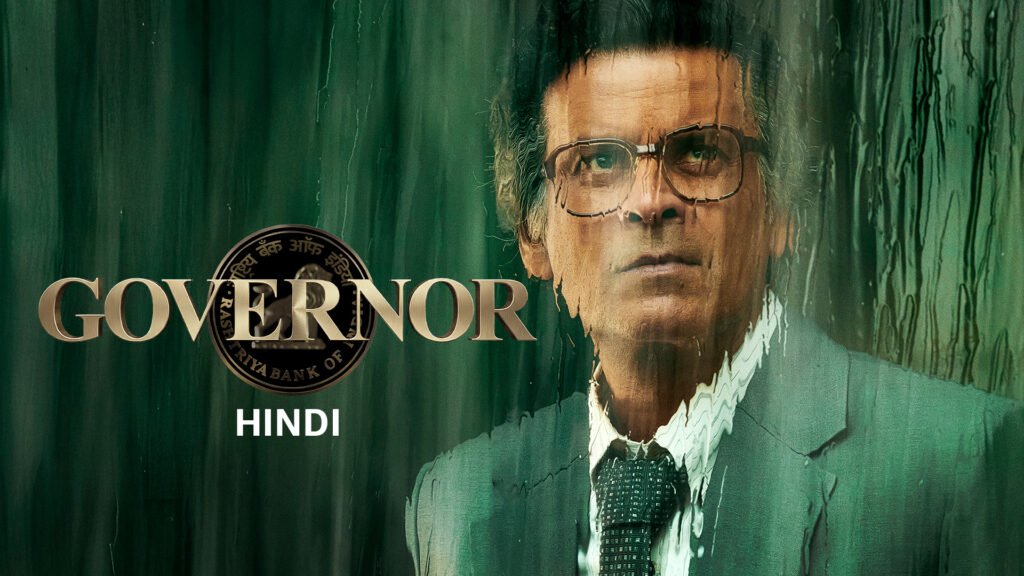
The film transforms this complicated chapter of economic history into a character-driven political drama. Rather than presenting the crisis simply through statistics and policy terminology, the story focuses on the people responsible for making difficult decisions when the country’s financial stability is under threat.
According to the film’s synopsis, Manoj Bajpayee’s character finds himself at the centre of an increasingly difficult situation as the country moves towards a potential bankruptcy. The narrative follows the pressures surrounding the RBI and the decisions required to prevent an economic disaster.
The movie therefore attempts to make a complex subject accessible to a wider audience while retaining the atmosphere of a historical thriller.
Manoj Bajpayee as the RBI Governor
One of the biggest attractions of the film is Manoj Bajpayee’s portrayal of the RBI governor.
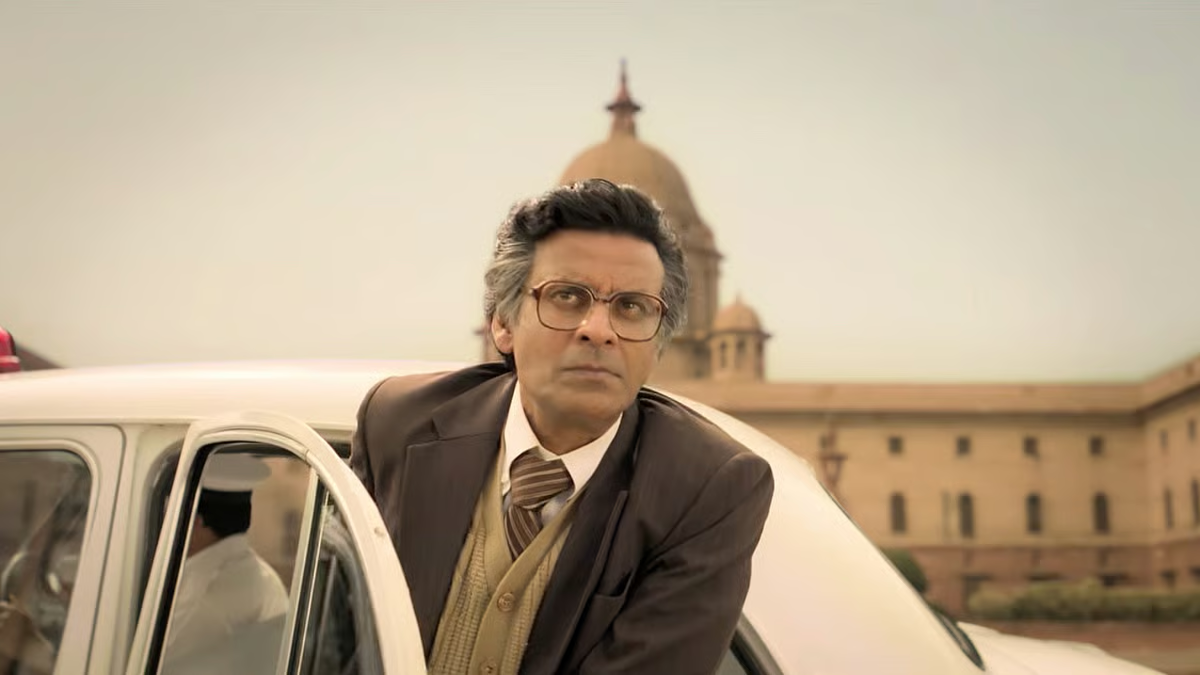
Manoj Bajpayee plays S. Venkitaramanan, the former RBI Governor whose tenure coincided with India’s 1991 economic crisis. The actor’s performance has been one of the most frequently discussed aspects of the film since its release. Reviews have particularly highlighted his restrained approach to portraying a leader dealing with extraordinary circumstances.
Instead of relying heavily on dramatic gestures, the performance reportedly places emphasis on composure, responsibility and decision-making. That approach fits the character at the heart of the story: an official whose influence comes from making crucial institutional decisions rather than commanding armies or leading conventional political battles.
India Today described Manoj Bajpayee’s performance as providing the film with a sense of quiet strength, while noting that the movie approaches the crisis through grounded financial drama rather than conventional spectacle.
The role also gives Manoj Bajpayee an opportunity to explore a character operating in a world very different from the crime dramas, thrillers and social dramas for which he is widely known.
What Happened During India’s 1991 Economic Crisis?
Understanding the historical background is essential to appreciating Governor: The Silent Saviour.
India entered the early 1990s facing an extremely difficult economic situation. The country experienced a serious balance-of-payments crisis, with foreign-exchange reserves under severe pressure. The crisis eventually became a turning point in India’s economic history.
The period also preceded the major economic reforms introduced in 1991. Those reforms fundamentally changed India’s economic policy direction and contributed to greater liberalisation and integration with the global economy.
The film focuses on the crisis-management aspect of this period, particularly the institutional pressures surrounding the Reserve Bank of India.
Rather than presenting the story as an ordinary political conflict, Governor: The Silent Saviour attempts to show how decisions taken inside financial institutions can have consequences for an entire country.
The Significance of the RBI in the Story
The Reserve Bank of India plays a central role in the film’s narrative because the institution is responsible for important aspects of India’s monetary and financial system.
During an economic emergency, the RBI’s responsibilities become particularly significant. Foreign exchange management, banking stability and monetary policy can all become critical components of a country’s response to financial stress.
The film uses this institutional setting to create its tension.
The danger faced by the characters does not necessarily come from a traditional antagonist. Instead, the threat is the possibility of economic breakdown itself.
This gives the movie a different kind of dramatic structure, where meetings, policy decisions and financial calculations become sources of suspense.
Chinmay Mandlekar Directs the Historical Drama
Governor: The Silent Saviour is directed by Chinmay Mandlekar, with the screenplay and story built around the historical crisis and its key figures.
The director has attempted to bring an important but complicated chapter of India’s economic history to mainstream cinema. The challenge is considerable because economic policy can be difficult to dramatise without overwhelming audiences with technical information.
Some critics felt the film sometimes leaned too heavily into explanation. Hindustan Times, for example, argued that the movie could feel more like an economics lesson at certain points and suggested that the subject might have benefited from a longer-form format.
At the same time, other reviews praised the film’s measured approach and Manoj Bajpayee’s central performance. This has resulted in a mixed critical response, with the historical subject and acting generally receiving more appreciation than some aspects of the execution.
Adah Sharma and Supporting Cast
Alongside Manoj Bajpayee, the movie features Adah Sharma in the role of reporter Aditi Verma. Noushad Mohamed Kunju plays Deputy Governor C. Rangarajan, while Madhoo Shah, Krisha Kurup and several other performers appear in supporting roles.
The supporting characters help expand the narrative beyond the central governor and provide different perspectives on the crisis.
The inclusion of a journalist character also gives the story a route into the public-facing side of an economic emergency, while the presence of senior officials allows the film to explore institutional discussions surrounding the crisis.
Vipul Amrutlal Shah’s Production
The film has been produced by Vipul Amrutlal Shah under the Sunshine Pictures banner. Shah is also credited with the writing and production of the project.
The production team has positioned Governor as a historical and political drama based around events that had a profound impact on modern India.
The movie’s promotional campaign initially generated curiosity with the release of its first poster on Manoj Bajpayee’s birthday in April 2026. The poster featured Manoj Bajpayee in his character’s look alongside the line “If I fail, India fails,” signalling the high-stakes nature of the story.
The teaser subsequently introduced audiences to the economic and political setting of the movie, further establishing the central conflict surrounding the 1990s financial crisis.
From Theatrical Release to OTT
Governor: The Silent Saviour was released in cinemas on June 12, 2026. Its theatrical run was followed by its digital release in July.
The OTT arrival gives viewers who missed the theatrical release another opportunity to explore the historical drama.
According to The Economic Times, the movie is available on Amazon Prime Video as a rental rather than being included in the regular Prime subscription. The reported rental price is ₹349.
This makes the film’s digital release somewhat different from a conventional subscription-based OTT premiere.
What Critics Said About the Film
The critical response to Governor: The Silent Saviour has been mixed.
India Today praised the film’s grounded approach and Manoj Bajpayee’s restrained performance, describing it as a financial drama that derives tension from institutional decision-making.
Hindustan Times, however, was more critical of the film’s execution. Its review suggested that the abundance of economic information sometimes affected the dramatic flow, even though the subject itself was considered significant.
Audience reactions have also varied. Some viewers have praised Manoj Bajpayee’s acting and the film’s attempt to make the 1991 crisis accessible, while others have found the treatment less engaging.
This divided response makes the OTT release particularly relevant because audiences can now judge the film for themselves outside the theatrical environment.
Why the 1991 Crisis Still Matters
The historical period explored in Governor: The Silent Saviour continues to matter because the 1991 crisis represented a major turning point in India’s economic trajectory.
The crisis was followed by reforms that changed the country’s relationship with markets, international trade and private enterprise. Over the decades, those reforms have influenced India’s economic development and its increasing integration with the global economy.
By revisiting the people and institutions operating during that period, the film offers audiences an opportunity to look at the crisis from a different perspective.
Instead of focusing solely on the political leadership associated with the reforms, the narrative places an RBI governor at the centre of the story.
That choice allows the film to explore a less familiar aspect of the crisis: the institutional work required to keep the financial system functioning during a period of extraordinary uncertainty.
A Different Kind of Manoj Bajpayee Performance
For Manoj Bajpayee, Governor: The Silent Saviour represents another departure from conventional commercial roles.
His character is not defined primarily by physical action or overt confrontation. Instead, the dramatic weight comes from conversations, calculations, responsibility and difficult choices.
This restrained style has been singled out by critics as one of the film’s strengths.
The role also demonstrates the actor’s ability to anchor a story around an understated character whose power comes from institutional responsibility.
Why Manoj Bajpayee’s Governor Matters for OTT Viewers
The OTT release could help the film find audiences interested in Indian economic history, political dramas and fact-inspired cinema.
Viewers who enjoy films based on real events may find the subject particularly distinctive because India’s 1991 economic crisis is rarely presented as the central storyline of a mainstream Hindi feature.
The film also arrives at a time when audiences have shown increasing interest in stories based on political, historical and institutional events.
For younger viewers who did not experience the 1991 crisis themselves, the movie can serve as a cinematic introduction to a period that fundamentally shaped India’s modern economy — although, as with any historical drama, viewers should distinguish cinematic storytelling from a textbook account of events.
Final Takeaway
Governor: The Silent Saviour brings Manoj Bajpayee to the centre of a historical drama inspired by India’s 1991 economic crisis and the difficult circumstances surrounding the Reserve Bank of India at the time. Directed by Chinmay Mandlekar and produced by Vipul Amrutlal Shah, the film uses financial and political pressure as the foundation for its narrative.
After its theatrical release on June 12, 2026, the film has now moved to digital viewing on Amazon Prime Video as a paid rental, according to The Economic Times.
While reviews have been divided over the film’s pacing and execution, Manoj Bajpayee’s performance has emerged as a consistent talking point.
More importantly, Governor: The Silent Saviour brings an important chapter of India’s economic history into popular cinema. Its focus on the 1991 crisis, institutional decision-making and the responsibilities of leadership gives the film a subject that stands apart from many conventional Bollywood dramas.