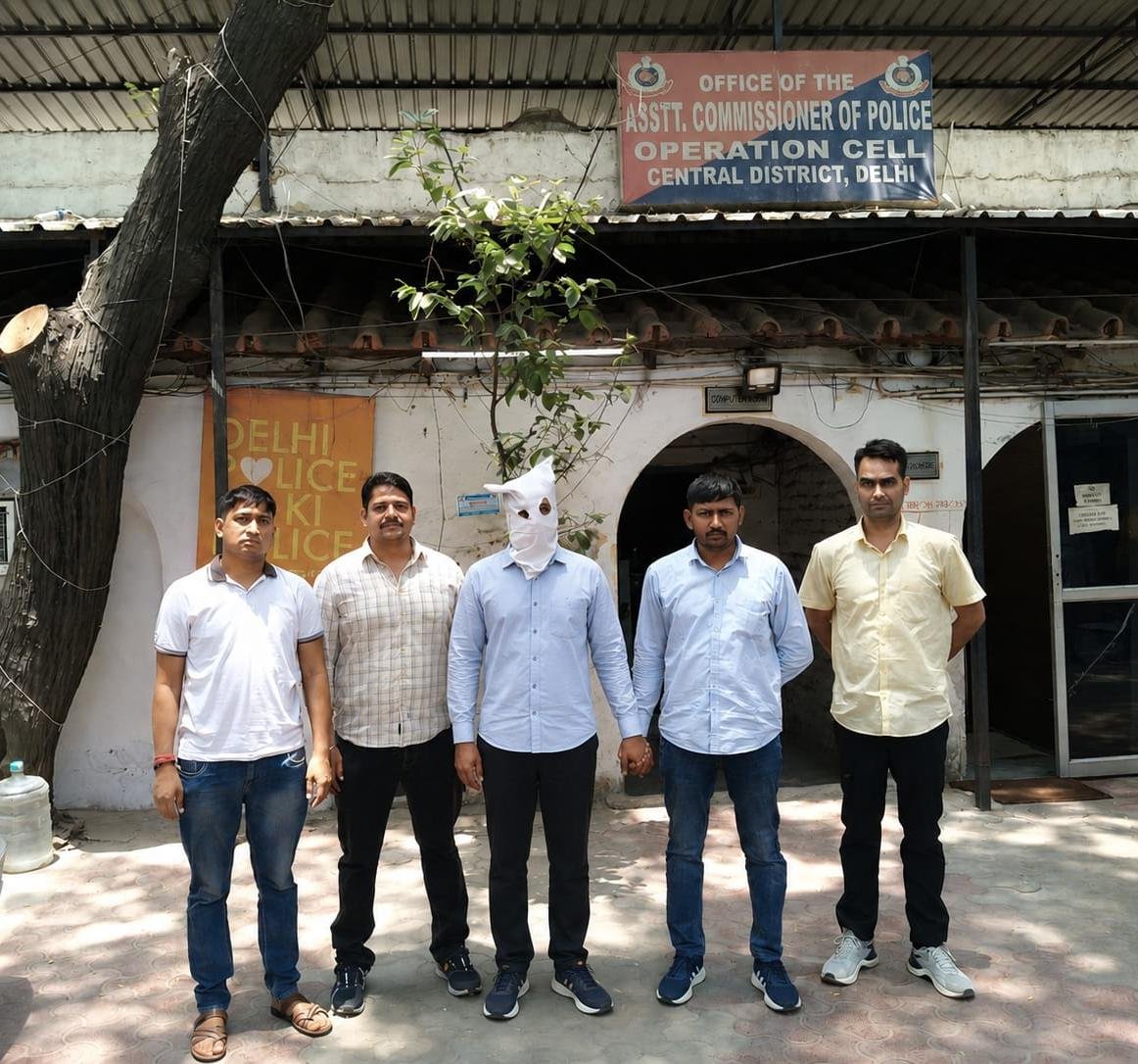
The successful crackdown on an Illegal Codeine Syrup racket by the Special Staff of Delhi Police’s Central District has once again demonstrated the effectiveness of intelligence-led policing in the fight against narcotics trafficking. Acting on credible secret information, the police apprehended a suspected drug peddler and recovered 13 sealed bottles of Codeine-based Codi Syrup during a well-planned operation near Jama Masjid. The timely action not only prevented the illegal distribution of a controlled substance but also dealt another blow to the growing network of prescription drug abuse operating in the national capital.
The operation forms part of Delhi Police’s continuous campaign against organized crime and supports the Government of India’s Nasha Mukt Bharat Abhiyan, an initiative aimed at reducing drug abuse and creating drug-free communities. Cases involving Illegal Codeine Syrup have become a growing concern for law enforcement agencies because prescription cough syrups containing codeine are increasingly being diverted into illegal markets and misused for recreational purposes.
Police officials believe that every successful operation against Illegal Codeine Syrup helps prevent addiction, protects young people from substance abuse, and weakens criminal syndicates that profit from the illegal narcotics trade. The latest seizure reflects the commitment of the Special Staff in identifying and dismantling such networks before they expand further.
Table of Contents
Secret Intelligence Sparks Immediate Police Action
The operation began on June 24, 2026, when the Special Staff of Central District received specific and reliable secret information regarding the movement of a person allegedly involved in the illegal sale of Codeine-based Codi Syrup.
According to the intelligence input, the suspect was expected to arrive near Gate No. 2 of Jama Masjid, Meena Bazar, carrying a consignment of Illegal Codeine Syrup intended for unlawful distribution. Understanding the seriousness of the information, senior officers immediately approved an operational plan without delay.
Rather than relying on routine patrols, the Special Staff adopted an intelligence-based strategy, allowing officers to intercept the suspect before the narcotic substance could enter the local distribution chain. Such operations demonstrate how timely intelligence continues to play a crucial role in combating drug trafficking across urban areas.
Police officers carefully evaluated the information and prepared for a targeted operation designed to minimize risks while ensuring complete compliance with legal procedures.
Strategic Trap Leads to Successful Apprehension
After receiving the information, the Special Staff constituted a dedicated raiding team and strategically positioned officers near the identified location.
The police maintained discreet surveillance while monitoring movements around Gate No. 2 of Jama Masjid. Their patience proved successful when the secret informer identified the suspect arriving exactly as predicted.
The officers immediately intercepted the individual before he could leave the area. During a lawful search conducted in accordance with established procedures, the police recovered 13 sealed bottles of Codeine-based Codi Syrup from a polythene bag carried by the accused.
The accused was unable to produce any valid prescription, licence, transport permit, or legal documentation explaining his possession of the recovered bottles. Nor could he provide a satisfactory explanation regarding their intended use or destination.
The recovery confirmed the authenticity of the intelligence received earlier and highlighted the importance of rapid police action in preventing Illegal Codeine Syrup from reaching illegal markets.
What Was Recovered During the Operation?
The police recovered 13 sealed bottles of Codi Syrup, each containing 100 ml of medicinal formulation comprising Codeine Phosphate and Triprolidine Hydrochloride.
While these medicines have legitimate medical applications when prescribed by qualified doctors, their unauthorized possession and illegal sale can constitute offences under the Narcotic Drugs and Psychotropic Substances (NDPS) Act due to the presence of controlled narcotic ingredients.
The seizure of Illegal Codeine Syrup is particularly significant because codeine is an opioid that can create dependency when consumed improperly or without medical supervision.
Criminal networks often misuse prescription medicines by diverting them from legitimate pharmaceutical supply chains into illegal markets where they are sold without prescriptions. Such illegal activities pose serious public health risks and increase the likelihood of addiction among vulnerable individuals.
Police officials immediately seized the recovered bottles following all mandatory legal procedures to preserve the integrity of the evidence for further investigation and court proceedings.
Why Illegal Codeine Syrup Is a Serious Concern
Unlike commonly known narcotic substances, Illegal Codeine Syrup often appears harmless because it is originally manufactured as a pharmaceutical product. However, when sold outside authorized medical channels, it becomes a significant concern for law enforcement agencies.
Codeine belongs to the opioid family of medicines and is commonly prescribed to relieve persistent cough or moderate pain. When consumed in excessive quantities or without medical supervision, it may produce sedative effects that encourage repeated misuse.
This has made Illegal Codeine Syrup increasingly attractive to criminal networks seeking easy profits. Since the product resembles ordinary cough medicine, traffickers sometimes attempt to transport or distribute it without attracting suspicion.
Law enforcement agencies across India have intensified their monitoring of such prescription medicines because their illegal circulation contributes to addiction, illegal trafficking, and organized crime.
The latest operation by the Special Staff reflects these broader enforcement efforts and demonstrates the importance of maintaining strict vigilance against all forms of narcotics trafficking.
FIR Registered Under the NDPS Act
Following the recovery, the police registered FIR No. 283/2026 dated June 24, 2026, at Police Station Jama Masjid under Section 21(c) of the NDPS Act.
The registration of the case marked the beginning of a comprehensive investigation aimed not only at prosecuting the accused but also at identifying others connected with the illegal trade.
Cases involving Illegal Codeine Syrup require detailed investigation because investigators must determine the origin of the recovered medicine, verify how it entered the illegal market, and identify everyone involved in transporting, storing, and distributing the contraband.
The NDPS Act provides law enforcement agencies with strong legal provisions to investigate and prosecute offences involving narcotic drugs and psychotropic substances. These provisions are intended to discourage organized trafficking while ensuring that offenders are brought before the courts through legally sound investigations.
Dedicated Police Team Executes Well-Planned Operation
The successful operation reflects the professionalism, discipline, and coordination displayed by the Special Staff of Central District.
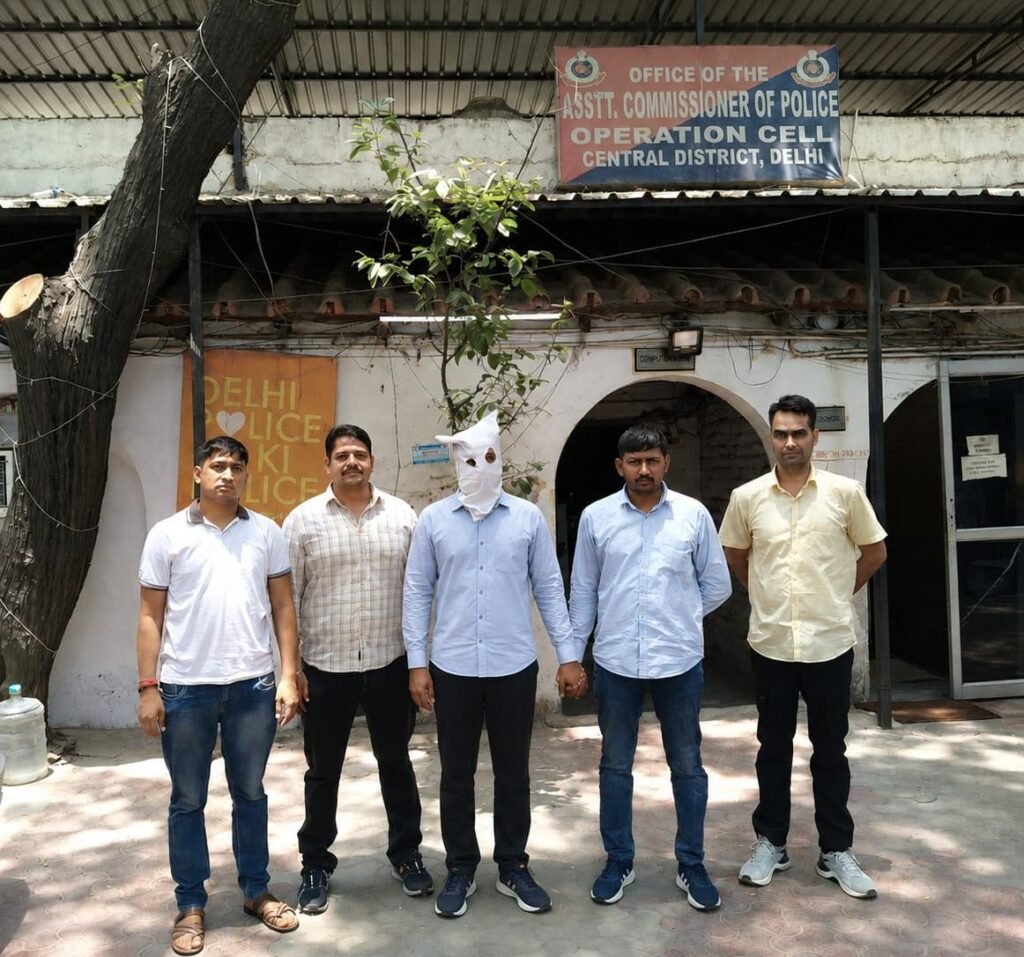
The operation was led by Inspector Sandeep Yadav, In-charge of Special Staff, with the support of SI Dharmender, Head Constable Munesh, Head Constable Vikas, Head Constable Anuj, Head Constable Deepak, Constable Surajpal, Constable Tarun, Constable Sumit, and Constable Lokesh.
The entire operation was conducted under the overall supervision of ACP Operations Padam Singh Rana, ensuring that every stage of the investigation complied with legal procedures.
Operations involving Illegal Codeine Syrup require careful planning because officers must establish surveillance, verify intelligence, conduct lawful searches, document recoveries accurately, and preserve evidence for future prosecution. The coordinated efforts displayed during this operation demonstrate the professionalism of the Central District Police and their commitment to maintaining public safety.