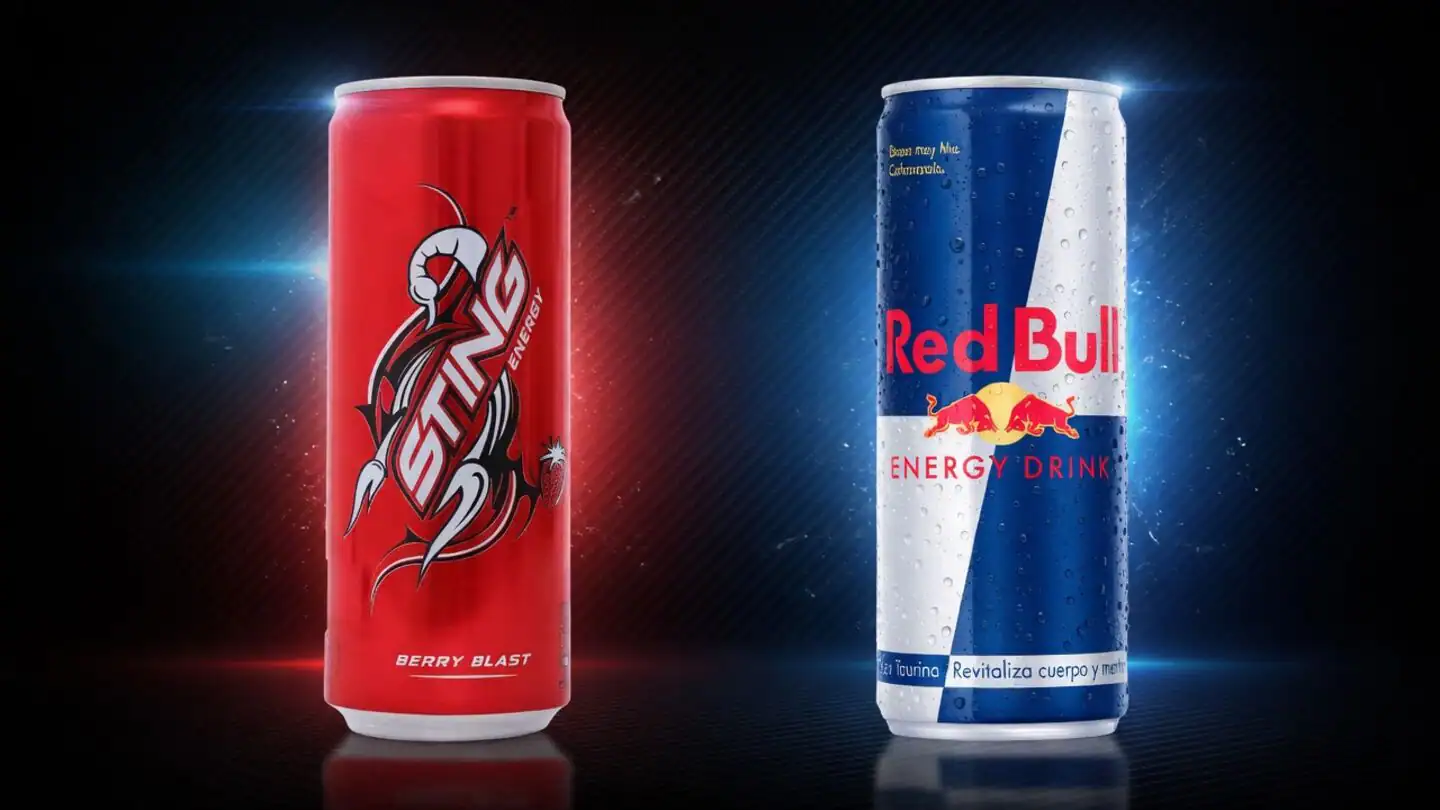
India’s fast-growing Energy Drink and caffeinated beverage market is facing one of its biggest regulatory shake-ups in recent years. The Food Safety and Standards Authority of India (FSSAI) has directed several leading beverage manufacturers to stop marketing products such as Sting, Red Bull, Monster Energy, Hell Energy, Campa Energy, and other similar drinks as “energy drinks.” According to the regulator, India currently has no officially notified food standard that recognizes “energy drink” as a product category, making such labeling potentially misleading for consumers.
The decision is expected to significantly impact India’s premium Energy Drink industry, which has witnessed rapid growth over the past decade, particularly among teenagers, young adults, office workers, and fitness enthusiasts. Manufacturers have reportedly been given around 90 days to comply with the revised labeling requirements, although discussions between the industry and regulators are still ongoing.
The move comes amid increasing global scrutiny over beverages containing high levels of caffeine, sugar, and taurine, as health experts and regulators continue to debate their safety, especially for children and adolescents.
Table of Contents
Why Has the Government Taken This Decision?
According to the FSSAI, the primary reason behind the directive is that India’s food regulations do not officially define or recognize Energy Drink products as a separate food category.
The regulator believes that labeling beverages as “energy drinks” may create the impression that they provide health or performance benefits that have not been established under Indian food standards. Authorities have also objected to promotional phrases such as “boosts energy,” “vitalizes body and mind,” or claims suggesting relief from fatigue or weakness, saying such statements could mislead consumers.
Instead of focusing on branding, FSSAI wants manufacturers to accurately describe these products according to their ingredients and regulatory classification.
Which Brands Are Affected?
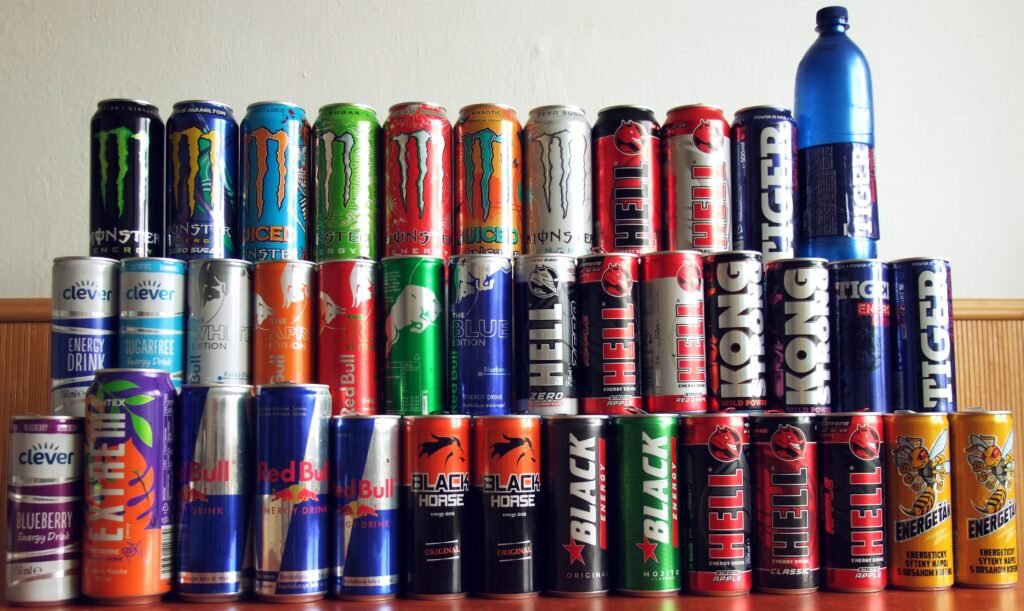
The directive applies to several well-known domestic and international beverage brands marketed as energy drinks.
Among the brands reported to have received notices are:
- Sting
- Red Bull
- Monster Energy
- Hell Energy
- Campa Energy Gold Boost
- Adrenaline Rush
These products are sold widely through supermarkets, convenience stores, petrol stations, online platforms, and quick-commerce apps across India.
What Exactly Will Change?
The products themselves are not banned nationwide. Instead, the change is primarily about how they are labeled and marketed.
Manufacturers will no longer be allowed to use the term “energy drink” or similar descriptions unless there is a notified Indian standard permitting such classification. Companies will need to revise product packaging, advertising, and promotional material to comply with FSSAI’s directions.
Industry representatives have expressed concerns that changing labels could confuse consumers and affect brand recognition, while regulators argue that transparent labeling is essential for consumer protection.
Health Concerns Behind the Move
Energy beverages have become increasingly popular because they are marketed as products that improve alertness, reduce fatigue, and enhance physical or mental performance.
Most such drinks contain combinations of:
- Caffeine
- Sugar or artificial sweeteners
- Taurine
- B vitamins
- Flavoring agents
- Acidity regulators
- Preservatives
While moderate caffeine intake is generally considered safe for healthy adults, health experts caution that excessive consumption can lead to:
- Increased heart rate
- High blood pressure
- Anxiety
- Sleep disturbances
- Restlessness
- Headaches
- Palpitations
Young people, pregnant women, and individuals with certain heart conditions may be more sensitive to high caffeine intake. These concerns have prompted stricter regulation in several countries.
Global Trend Toward Tighter Regulation
India is not the only country reviewing the regulation of high-caffeine beverages.
Several nations have introduced measures such as:
- Age restrictions on sales to minors
- Mandatory warning labels
- Limits on caffeine content
- Restrictions on marketing to children
- Clear ingredient disclosure requirements
These efforts aim to ensure consumers are fully informed about what they are drinking and to discourage misleading health claims.
India’s Energy Drink Market Has Grown Rapidly
Over the past decade, India’s energy beverage segment has expanded significantly.
Affordable pricing, aggressive advertising, celebrity endorsements, sports sponsorships, and growing demand from young consumers have helped fuel the category’s growth.
Industry estimates indicate that India’s energy-drink market is projected to reach around $1.6 billion by 2028, making it one of the fastest-growing beverage categories in the country.
Industry Raises Concerns
Leading beverage companies and industry associations have expressed concern that removing the “energy drink” label could disrupt consumer understanding and require expensive packaging changes.
Reports indicate that industry representatives requested greater consultation with regulators before implementing the decision. However, the FSSAI has maintained that compliance with food-labeling laws is essential and has advised companies that legal remedies remain available if they wish to challenge the directive.
State-Level Enforcement Begins
Some states have already begun enforcing stricter rules.
For example, authorities in Rajasthan have taken action against products marketed as energy drinks, including seizures during inspections and directions to retailers and e-commerce platforms regarding product categorization. Meanwhile, Maharashtra has announced restrictions on the sale of such high-caffeine beverages within 500 metres of educational institutions, citing concerns over easy access for school students.
These developments indicate that regulatory scrutiny is extending beyond labeling to the sale and promotion of high-caffeine beverages in certain contexts.
What Should Consumers Know?
Experts emphasize that the FSSAI’s decision does not mean these beverages are prohibited nationwide. Consumers will continue to find many of these products on store shelves unless additional restrictions are introduced.
However, buyers are encouraged to:
- Read nutrition labels carefully.
- Check caffeine and sugar content.
- Avoid excessive consumption.
- Limit intake among children and adolescents.
- Consult a healthcare professional if they have underlying health conditions or are sensitive to caffeine.
Understanding product ingredients is more important than relying on marketing claims alone.
Impact on the Beverage Industry
The labeling change could have significant implications for beverage manufacturers.
Companies may need to:
- Redesign packaging.
- Update advertising campaigns.
- Modify promotional material.
- Reclassify products under approved food categories.
- Ensure compliance across retail and online platforms.
Although these adjustments may involve additional costs, they are intended to align product marketing with India’s food safety regulations and improve consumer transparency.
What Happens Next?
Manufacturers are expected to revise their labeling within the compliance period specified by the regulator. Some companies may seek further discussions with the FSSAI or pursue legal options if they believe the directive affects their business unfairly.
In the longer term, experts believe the government could introduce specific standards for high-caffeine beverages, providing clearer rules on labeling, ingredients, health claims, and consumer information.
The FSSAI’s directive marks a significant shift in India’s regulation of high-caffeine beverages. By requiring companies to stop using the term “energy drink” without an approved national standard, the regulator aims to improve labeling accuracy and reduce potentially misleading health claims. While the decision does not ban products such as Sting, Red Bull, Monster Energy, or similar beverages, it signals a stronger emphasis on consumer protection and regulatory compliance.
As India’s beverage market continues to expand, the outcome of this regulatory change will be closely watched by manufacturers, retailers, healthcare professionals, and consumers alike. Whether the industry adapts through revised labeling or future legal and policy developments, the move is likely to influence how high-caffeine beverages are marketed in India for years to come.