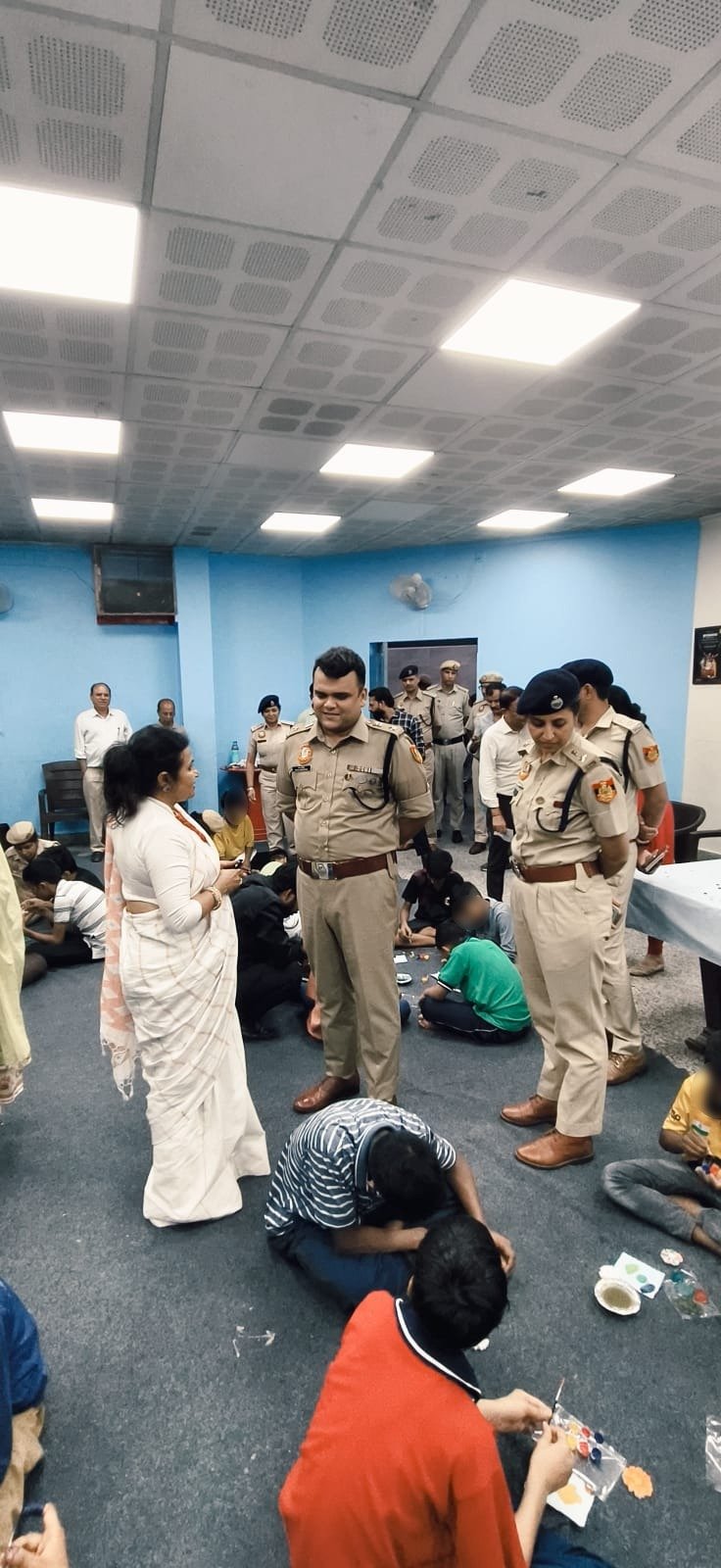
Child Welfare And Development Program has become an essential pillar in ensuring that vulnerable children receive not only protection but also the knowledge, confidence, and opportunities needed to build a better future. Recognizing that children living in institutional care require holistic support beyond basic necessities, the North District Police of Delhi organized a comprehensive Child Welfare And Development Program at Salaam Baalak Trust’s Child Care Centre in Tis Hazari. Conducted in coordination with the Department of Women & Child Development (DWCD), Government of NCT of Delhi, the initiative brought together around 110 children between the ages of 7 and 17 years for a day dedicated to safety awareness, legal education, personality development, health, career guidance, and recreational activities.
The programme formed part of Delhi Police’s month-long Child Safety Awareness campaign being observed from July 1 to July 30, 2026, under the directions of the Hon’ble Lieutenant Governor of Delhi. Rather than limiting the initiative to classroom lectures, the event combined interactive discussions, counselling sessions, creative activities, and practical awareness programmes that empowered children with life skills while strengthening their confidence and trust in law enforcement.
Table of Contents
Child Safety Awareness Month Focuses on Prevention
Children today face a wide range of challenges that extend beyond education. Issues such as cybercrime, online exploitation, substance abuse, child abuse, trafficking, mental health concerns, and lack of legal awareness have made preventive education increasingly important.
To address these concerns proactively, Delhi Police is observing Child Safety Awareness Month across the national capital throughout July. The Child Welfare And Development Program organised by North District Police represents one of the key initiatives under this campaign, focusing specifically on children living in institutional care.
Instead of waiting for vulnerable children to become victims of crime, the programme seeks to equip them with practical knowledge that enables them to identify risks, seek help confidently, and make informed decisions.
Supporting Children Who Need Care and Protection
The programme was organised at Salaam Baalak Trust (SBT), an organisation that has worked for years to support children who require care, protection, education, rehabilitation, and long-term development.
The trust provides residential and community-based programmes that help children rebuild their lives while preparing them for independent futures.
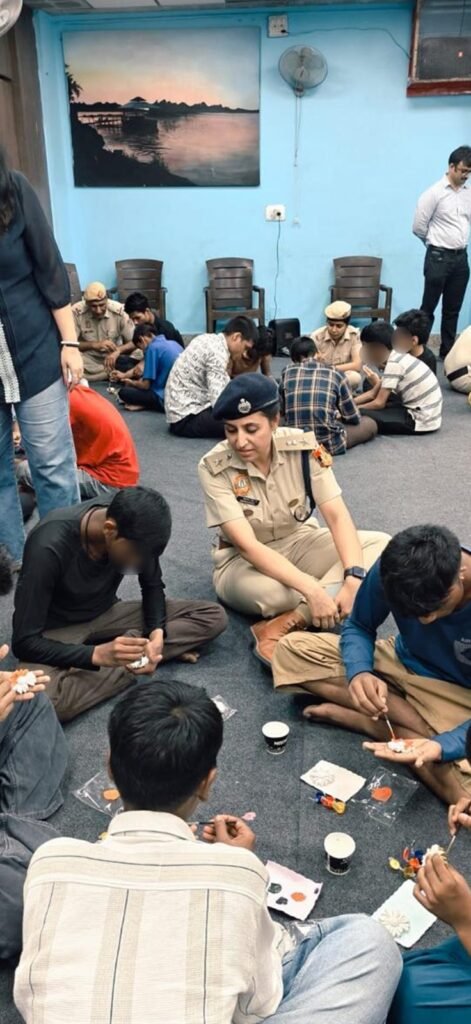
Approximately 110 children participated in the Child Welfare And Development Program, along with teachers and staff members from the institution.
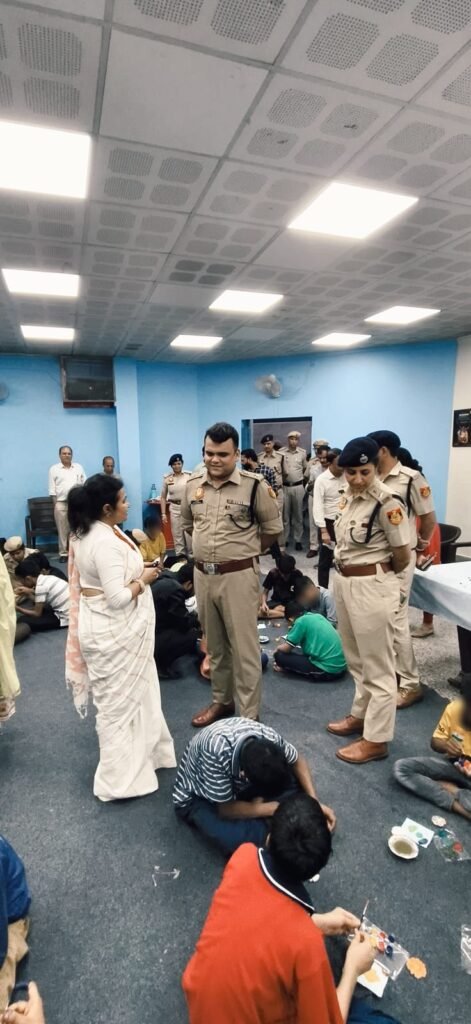
The participation of senior government officials and senior Child Welfare Delhi Police officers further demonstrated the importance attached to child welfare initiatives in the city.
A Holistic Approach Instead of a Single Awareness Session
One of the strongest aspects of the Child Welfare And Development Program was its holistic design.
Rather than concentrating on one issue alone, the programme covered multiple areas that directly affect children’s safety, education, health, emotional well-being, and future careers.
Experts from Delhi Police, the Department of Women & Child Development, and social organisations conducted sessions on:
- Child safety
- Cyber safety
- Good touch and bad touch
- Drug abuse prevention
- Legal awareness
- Health and hygiene
- Career guidance
- Personality development
- Life skills
- Confidence building
This comprehensive approach reflects the understanding that child protection requires more than simply responding to emergencies—it requires continuous education and empowerment.
Educating Children About Personal Safety
One of the primary objectives of the Child Welfare And Development Program was helping children understand personal safety.
Police officers explained the importance of recognising unsafe situations and encouraged children to trust their instincts whenever they felt uncomfortable.
Special attention was given to educating participants about body autonomy and personal boundaries.
The sessions also explained the concepts of good touch and bad touch under the provisions of the Protection of Children from Sexual Offences (POCSO) Act.
Children were encouraged to immediately report inappropriate behaviour to trusted adults, caregivers, teachers, or police officers rather than remaining silent.
Such awareness is particularly valuable because early reporting often prevents repeated abuse.
Cyber Safety Takes Centre Stage
Today’s children spend significant time online for education, entertainment, gaming, and communication.
However, increased internet usage has also exposed young users to cyber threats such as:
- Online grooming
- Cyberbullying
- Identity theft
- Fake social media accounts
- Financial fraud
- Digital harassment
The Child Welfare And Development Program addressed these concerns by educating participants about responsible digital behaviour.
Police personnel advised children never to share passwords, personal information, photographs, addresses, or financial details with strangers online.
Students also learned how to recognise suspicious online behaviour and the importance of informing adults whenever they encounter uncomfortable situations on digital platforms.
Awareness About Child Helpline and Emergency Services
Knowing where to seek help during emergencies can significantly improve child safety.
During the programme, officers introduced participants to:
- Child Helpline 1098
- Emergency Response Support System 112
Police explained how these services function and encouraged children to contact authorities without hesitation whenever they require assistance.
Creating awareness about these emergency numbers forms an essential component of the Child Welfare And Development Program because many children remain unaware of the support systems available to them.
Preventing Drug Abuse Through Early Awareness
Substance abuse continues to affect young people across many parts of the country.
Recognising this challenge, the programme included dedicated sessions explaining the dangers associated with drugs and addictive substances.
Children learned about:
- Health risks
- Emotional consequences
- Legal implications
- Social impact
- Ways to resist peer pressure
The Child Welfare And Development Program focused on prevention rather than punishment by helping children understand the long-term effects of substance abuse before they encounter such situations.
Legal Literacy Simplified for Young Minds
Legal awareness is often overlooked during childhood despite its importance.
The programme introduced children to basic legal rights and responsibilities using simple language that was easy to understand.
Police officers explained:
- Child protection laws
- Reporting mechanisms
- Police assistance
- Rights of children
- Legal safeguards available for minors
Rather than overwhelming participants with technical legal terminology, officers focused on practical information that children could remember and apply when necessary.
Building Confidence Through Counselling
Many children living in institutional care have experienced difficult circumstances before entering protective environments.
Recognising this, the Child Welfare And Development Program incorporated counselling and motivational sessions designed to strengthen emotional resilience.
Experts interacted individually and collectively with children, encouraging them to:
- Believe in themselves
- Express their thoughts openly
- Develop positive attitudes
- Build self-confidence
- Overcome fear
Such counselling plays an important role in improving emotional well-being while helping children develop healthy coping mechanisms.
Career Guidance Opens New Possibilities
Education alone does not always provide children with a clear understanding of future career opportunities.
The programme therefore included career guidance sessions where participants were encouraged to explore their interests and aspirations.
Officers and experts discussed the importance of:
- Continuing education
- Skill development
- Goal setting
- Career planning
- Hard work and discipline
By introducing children to various career paths, the Child Welfare And Development Program sought to inspire long-term ambition and self-reliance.
Creative Activities Encourage Self-Expression
Learning becomes more effective when combined with creativity and enjoyment.
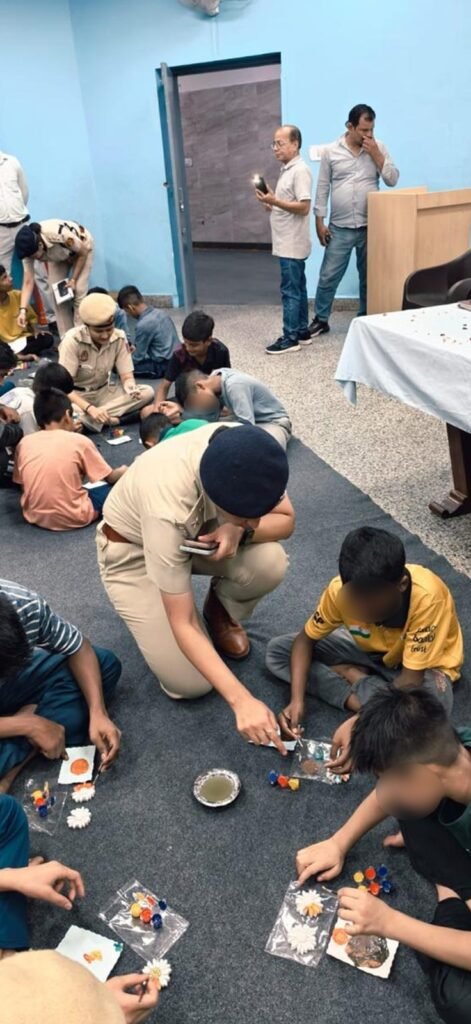
The programme included several recreational activities such as:
- Colouring
- Music
- Dance
- Interactive games
- Story sharing
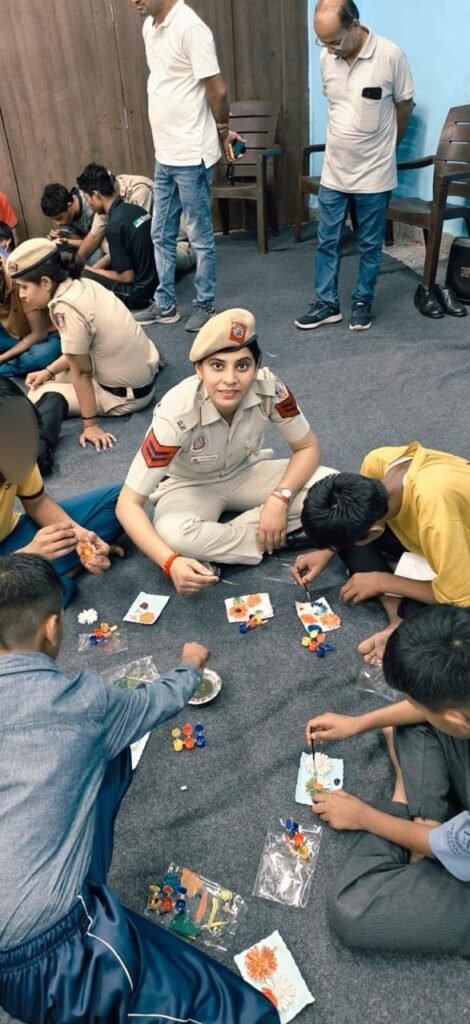
Children were provided with colouring materials, allowing them to express themselves artistically while participating in a relaxed environment.
Creative activities often help children develop communication skills, emotional expression, teamwork, and confidence.
Interactive Sessions Strengthened Engagement
Instead of limiting the programme to speeches, police officers encouraged active participation.
Children asked questions, shared experiences, discussed their concerns, and interacted directly with senior officers.
This interactive format helped clarify misconceptions while creating a friendly atmosphere where participants felt comfortable discussing sensitive topics.
The Child Welfare And Development Program thereby strengthened trust between children and law enforcement.
Awareness Through Visual Learning
To reinforce important safety messages, Delhi Police’s Jan Sampark Vahan displayed educational videos focusing on women and child safety.
Visual learning often helps children understand complex issues more effectively than verbal explanations alone.
Topics covered included:
- Personal safety
- Cyber awareness
- Child protection
- Emergency response
The combination of audio-visual presentations and interactive discussions enhanced the overall effectiveness of the programme.
The Importance of Community Policing
The Child Welfare And Development Program demonstrates how modern policing increasingly focuses on prevention, education, and community engagement rather than solely responding to crimes.
Community policing initiatives build stronger relationships between citizens and law enforcement by encouraging dialogue, trust, and cooperation.
For vulnerable children especially, positive interactions with police officers help remove fear while making it easier to seek assistance when needed.
Appreciating Delhi Police’s Child-Centric Initiative
The North District Police deserves appreciation for organising a meaningful Child Welfare And Development Program that addressed the physical, emotional, educational, and legal needs of children under institutional care. By working closely with the Department of Women & Child Development and Salaam Baalak Trust, the police demonstrated that protecting children extends far beyond maintaining law and order—it also involves empowering them with knowledge, confidence, and practical life skills.
The programme successfully combined child safety awareness, cyber education, legal literacy, health guidance, counselling, creativity, and personality development into a single comprehensive initiative. Its interactive nature ensured that children actively participated rather than simply listening to lectures, making the learning experience both engaging and memorable.
Through initiatives like the Child Welfare And Development Program, Delhi Police continues to strengthen preventive policing while fostering trust among young citizens. Such efforts not only create safer environments for children but also encourage confidence, resilience, and responsible decision-making, helping vulnerable young individuals move towards brighter and more secure futures.