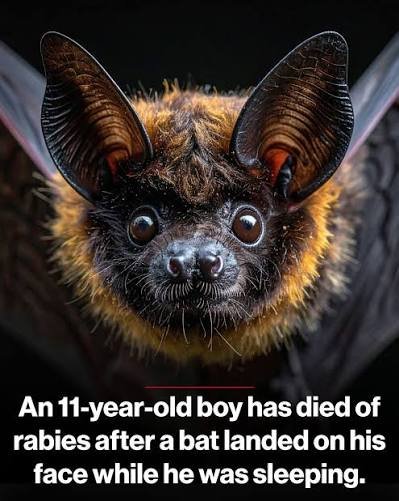
An 11-year-old boy in Canada has died from rabies after a seemingly minor and easily overlooked encounter with a bat, highlighting the deadly risks posed by the virus and the critical importance of immediate medical treatment following any direct contact with wildlife.
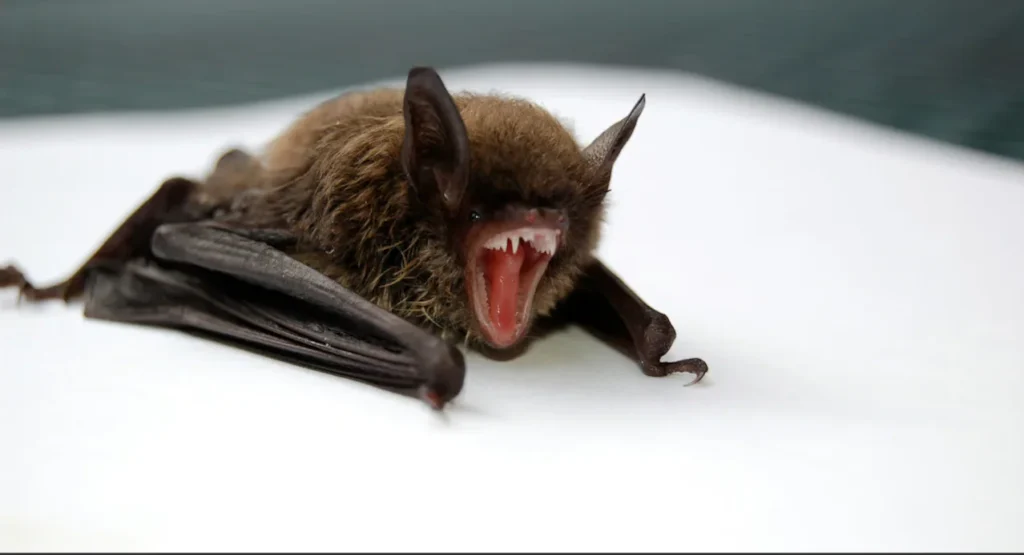
The tragic incident occurred in Ontario in 2024, while the child was visiting a family cottage. According to a detailed medical case report published this week in the Canadian Medical Association Journal, the boy was asleep when he suddenly woke to find a bat on his nose and mouth.
Though the encounter lasted only moments and appeared harmless at the time, it ultimately proved fatal.
Table of Contents
A Brief Encounter With Lasting Consequences
According to the report, the child instinctively swatted the bat away. His father managed to capture the bat in a pot and released it outside shortly afterward. The family did not seek immediate medical attention, as the boy had no visible bite marks or scratches, and the bat did not appear to be behaving erratically.
At the time, there were no obvious warning signs to suggest a medical emergency. Unfortunately, as medical experts later confirmed, even the absence of visible wounds does not eliminate the risk of rabies transmission, especially when bats are involved.
Rabies can be transmitted through tiny bites or scratches that may go unnoticed, particularly when exposure occurs while a person is asleep.
Delayed Symptoms and Initial Misdiagnosis
Nearly 19 days after the bat encounter, the boy began to experience unusual symptoms, including numbness and swelling on one side of his face. Concerned, his family sought medical care.
Over the following days, the child visited emergency clinics and hospitals multiple times as doctors attempted to diagnose his condition. Initially, physicians suspected Bell’s palsy, a condition that causes temporary facial paralysis and is often linked to viral infections. He was prescribed antiviral medication typically used to treat herpes-related infections.
However, his symptoms continued to worsen.
On subsequent hospital visits, doctors considered other diagnoses, including herpes gingivostomatitis, a viral infection affecting the mouth and gums. Despite treatment efforts, the boy’s neurological symptoms rapidly progressed.
Rapid Deterioration and Intensive Care Admission
While awaiting hospital admission, the boy’s condition took a dramatic turn. He developed:
- A high fever of 39°C (102°F)
- Difficulty swallowing
- Confusion
- Visual hallucinations
As his neurological condition deteriorated, doctors made the decision to intubate him and transfer him to the paediatric intensive care unit. Specialists from the University of Manitoba and Canada’s Department of Pediatrics and Child Health were consulted.
At this stage, medical teams strongly suspected rabies.
Confirmation of Rabies Infection
Laboratory testing later confirmed the devastating diagnosis. Further analysis by the Canadian Food Inspection Agency identified the specific strain as a bat rabies virus variant, consistent with exposure from a bat.
Despite intensive medical care, there is no effective cure for rabies once symptoms appear. The boy died 17 days after being admitted to hospital, marking another rare but tragic case of human rabies in Canada.
Medical records showed no history of allergies, recent travel outside the country, tick bites, or contact with sick individuals—reinforcing the conclusion that the bat encounter was the sole source of infection.
Rabies in Canada: Rare but Almost Always Fatal
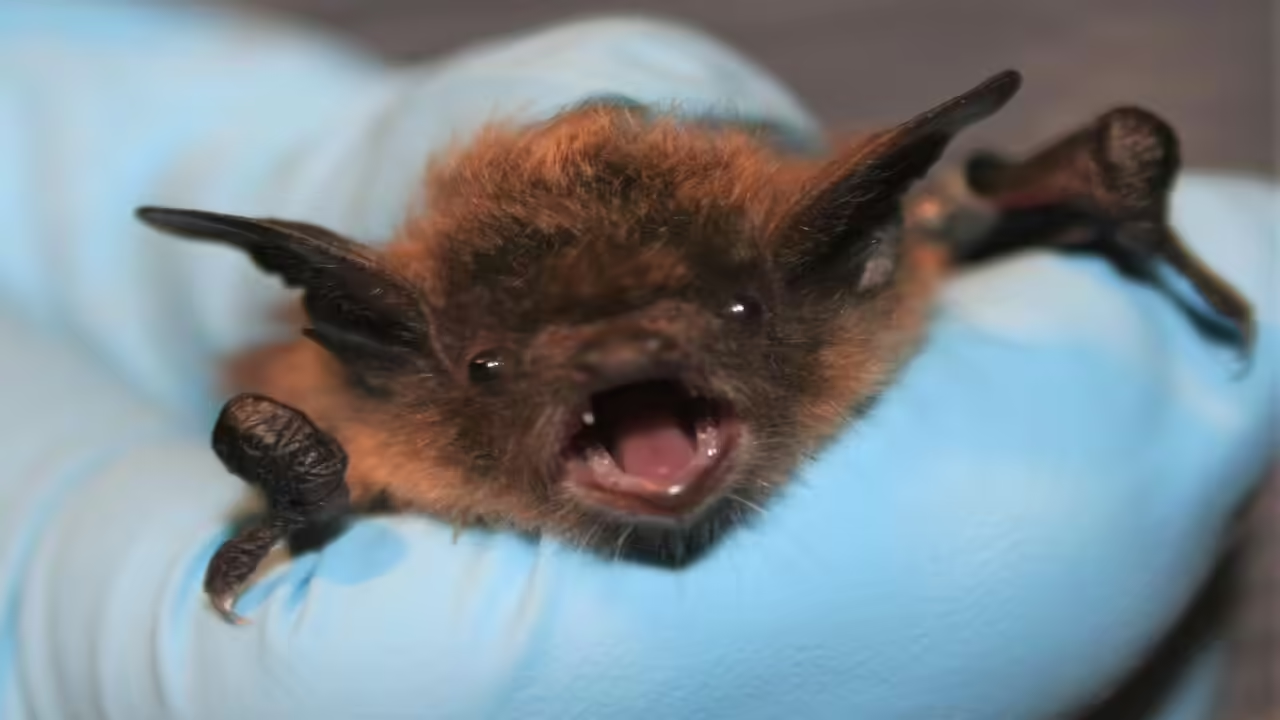
Rabies infections in humans are extremely rare in Canada. According to the Canadian Veterinary Medical Association, there have been only 28 human deaths from rabies in the country since 1924.
This low number is largely attributed to:
- Widespread animal vaccination programs
- Public health awareness
- Availability of post-exposure prophylaxis
However, experts warn that rarity does not mean risk-free.
Once rabies symptoms develop, the disease is almost always fatal, a fact emphasized repeatedly in the medical literature and in the journal report documenting this case.
Why Bat Encounters Are Especially Dangerous
Bats are the most common source of rabies transmission to humans in North America today. Unlike larger animals, bat bites can be:
- Extremely small
- Painless
- Easily missed, especially during sleep
Health authorities stress that any direct contact with a bat—especially when a person is asleep, unconscious, or a child—is considered a potential rabies exposure.
Even if no bite is seen, rabies post-exposure prophylaxis (PEP) should be administered immediately as a precaution.
What Is Rabies Post-Exposure Prophylaxis (PEP)?
Rabies PEP is a series of medical treatments given before symptoms appear and includes:
- Thorough wound cleaning
- Rabies immunoglobulin (in some cases)
- A series of rabies vaccinations
When administered promptly after exposure, PEP is highly effective at preventing the disease.
In this case, medical experts noted that the absence of early treatment following the bat encounter eliminated the opportunity to prevent infection.
A Public Health Reminder for Families
Health professionals say this tragic death underscores a critical public health message:
Never ignore direct contact with bats.
Parents and caregivers are urged to:
- Seek medical advice immediately after any bat exposure
- Avoid handling bats or other wild animals
- Capture bats safely for testing if exposure occurs (without releasing them)
Public health agencies also emphasize continued funding and support for animal vaccination programs, warning that any reduction could result in a resurgence of preventable diseases.
Medical Community Calls for Awareness
The authors of the case report emphasized that even in countries with strong healthcare systems, rabies remains a medical emergency that depends heavily on public awareness and rapid response.
They highlighted the need for:
- Better education about bat-related rabies risks
- Clearer guidance for families and healthcare providers
- Strong coordination between medical and veterinary authorities
The death of an 11-year-old child from rabies following a brief bat encounter is a heartbreaking reminder that rare diseases can still pose serious risks. While Canada has made remarkable progress in controlling rabies, this case illustrates how easily a fatal infection can occur when exposure goes unrecognized.
Medical experts stress that rabies is preventable—but only if treated early. Any delay, however understandable, can have irreversible consequences.
As families across Canada and beyond enjoy outdoor activities and cottage stays, health authorities urge vigilance, education, and immediate medical consultation after any wildlife exposure—no matter how minor it may seem.