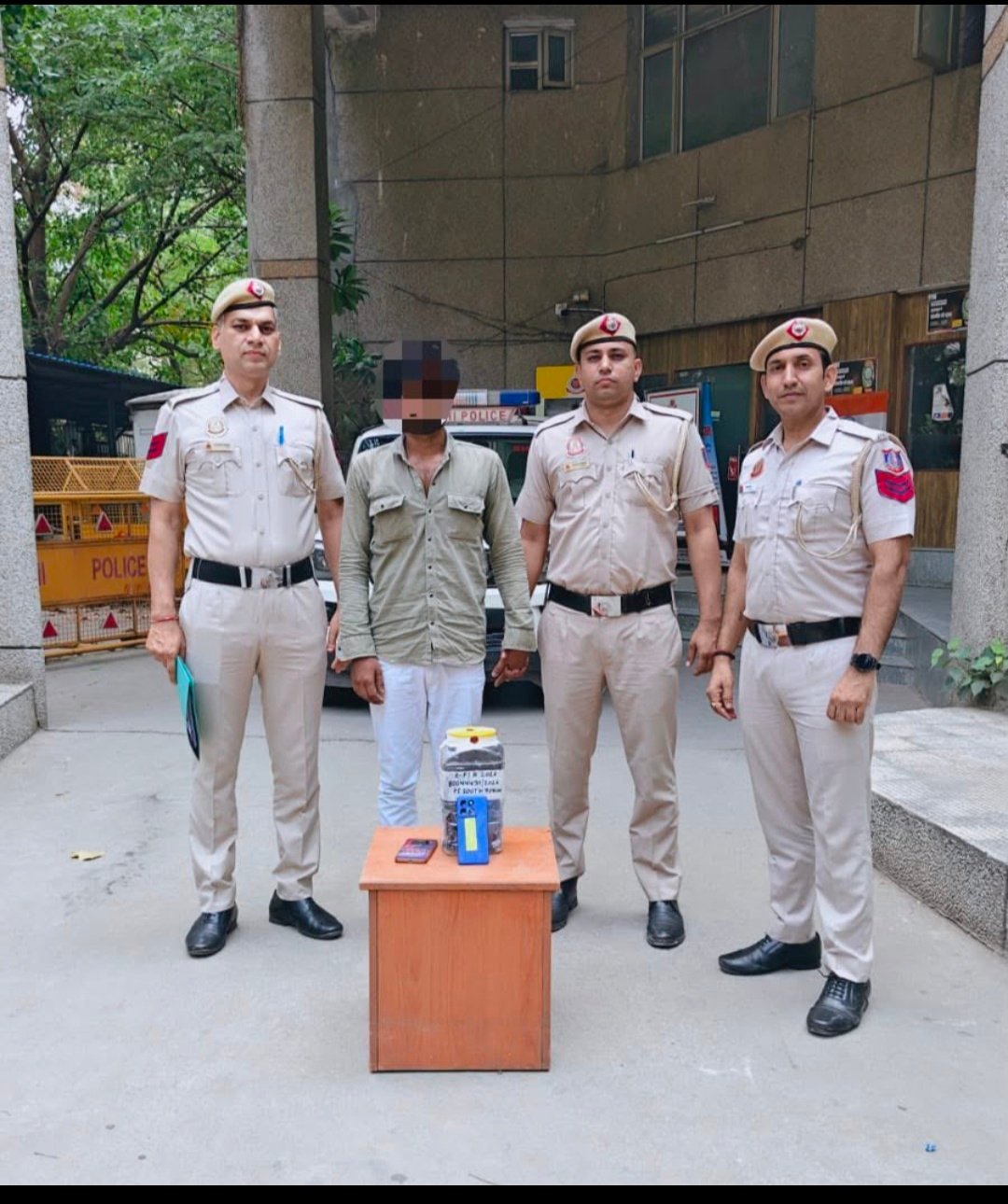
Demonstrating the effectiveness of technology-driven policing and prompt investigation, the South Rohini Police of Delhi Police secured the conviction of a mobile phone theft accused within days of the registration of the case. The successful investigation, supported by CCTV footage, technical evidence, recovery of stolen property, and speedy prosecution, resulted in the conviction of Mohd. Aijaz, who was sentenced to three months’ simple imprisonment along with a fine of ₹2,000 by a Delhi court.
The case stands as an example of how coordinated police work, scientific investigation, and timely legal action can ensure quick justice while strengthening public confidence in the criminal justice system.
Table of Contents
Mobile Phone Theft Reported at South Rohini Police Station
The case originated after Dr. Bhupender Singh lodged a complaint regarding the theft of his mobile phone from a shop. Acting promptly on the complaint, the South Rohini Police registered E-FIR No. 80044431/26 dated May 30, 2026, under the relevant provisions of the Bharatiya Nyaya Sanhita (BNS).
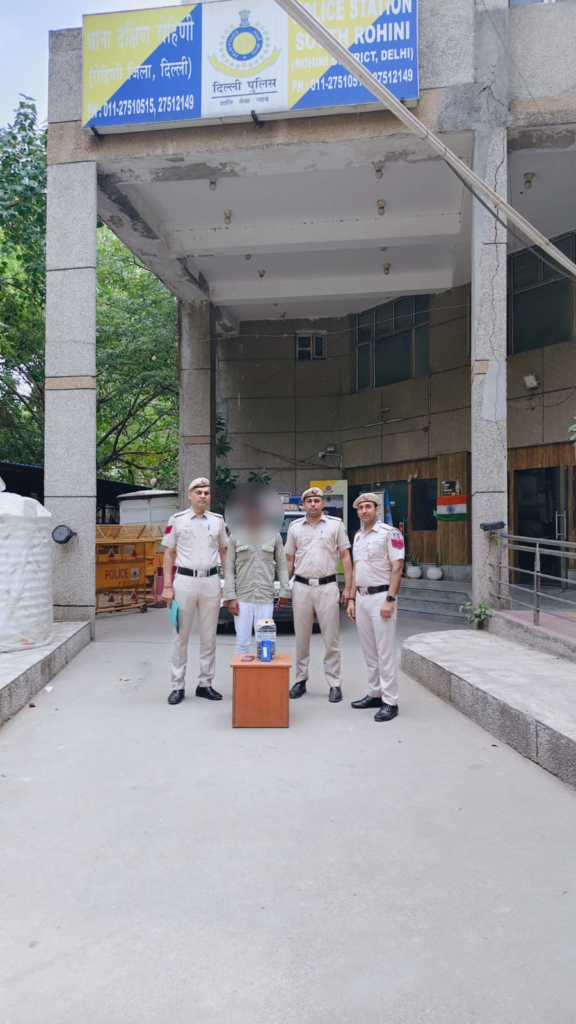
The investigation was carried out under the directions of the Deputy Commissioner of Police (Rohini District) and under the close supervision of the Assistant Commissioner of Police (Rohini) and SHO South Rohini, Inspector Kishore.
From the very beginning, the investigating team focused on collecting reliable evidence rather than relying solely on statements, ensuring that every stage of the investigation met legal standards required for successful prosecution.
Investigation Led by Experienced Police Team
The investigation was entrusted to Head Constable Kuldeep Singh (No. 178/RD), who was assisted by Constable Ajay (No. 2869/RD).
The police team immediately initiated both technical and field investigations, simultaneously examining the crime scene, collecting available evidence, and tracing the suspect through digital and electronic means.
Officials adopted a Rohini scientific approach that combined conventional policing with modern investigative techniques, allowing them to identify the accused within a remarkably short period.
CCTV Footage Became the Turning Point
One of the most crucial aspects of the investigation was the collection and detailed examination of CCTV footage installed near the location of the incident.
Investigators carefully analyzed the recordings frame by frame to identify the individual involved in the theft. The CCTV footage provided valuable visual evidence regarding the movement and identity of the suspect.
The footage enabled investigators to establish the sequence of events surrounding the theft and significantly narrowed down the search for the accused.
The CCTV evidence later became one of the strongest pieces of evidence presented before the court.
Technical Investigation Helped Trace the Accused
Besides CCTV analysis, investigators carried out detailed technical analysis to corroborate the evidence.
According to the investigation, technical examination revealed that the mobile phone location of the accused was present near the place of occurrence during the relevant time.
This electronic evidence substantially strengthened the prosecution’s case by placing the accused at the crime scene.
The successful integration of digital evidence with physical investigation showcased the increasing role of technology in modern policing.
Accused Identified and Arrested Within One Day
Based on CCTV analysis and technical evidence, police identified the accused as:
Mohd. Aijaz, son of Mohd. Akbar, approximately 30 years of age, a resident of Village Mehsoul Purvi, Ward No. 7, District Sitamarhi, Bihar.
The accused was successfully apprehended on May 31, 2026, merely one day after the registration of the FIR.
Following legal formalities, he was formally arrested and produced before the competent court.
On June 1, 2026, he was remanded to Judicial Custody (JC).
The swift arrest prevented any possibility of destruction of evidence and helped investigators recover crucial material connected with the offence.
Stolen Mobile Phone Successfully Recovered
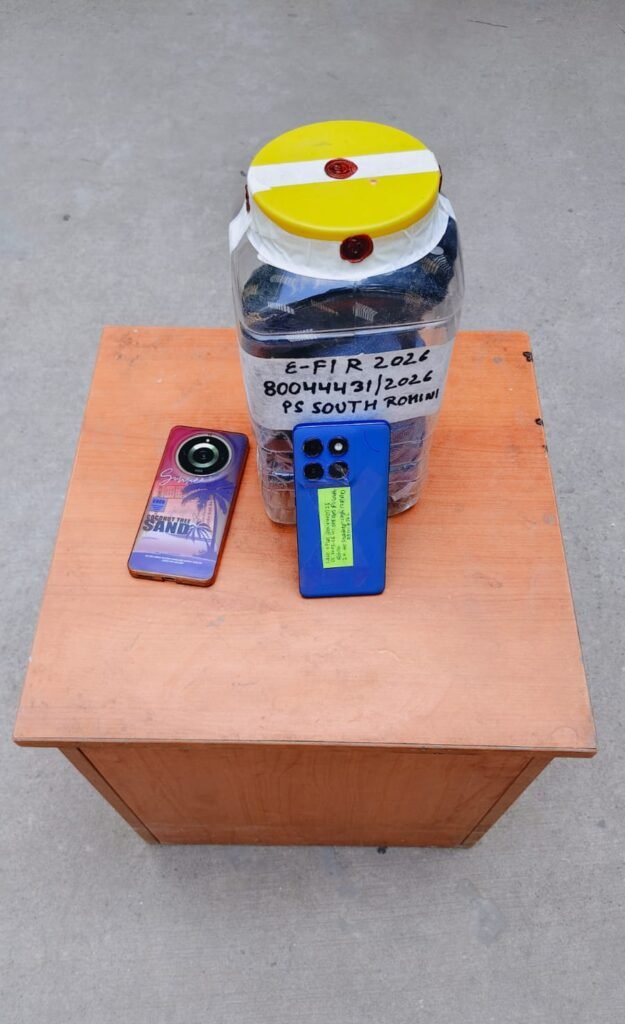
One of the significant achievements during the investigation was the recovery of the stolen mobile phone.
The recovery not only helped restore the complainant’s property but also provided direct physical evidence linking the accused to the theft.
Recovery of stolen property often plays an important evidentiary role in criminal trials, particularly when supported by independent documentary and technical evidence.
Clothes Worn During the Crime Also Seized
Investigators further strengthened the case by recovering and seizing the clothes allegedly worn by the accused during the commission of the offence.
The clothing matched the appearance captured in CCTV footage, creating another important evidentiary link between the accused and the incident.
The seizure was conducted Rohini following due legal procedures and later formed part of the documentary evidence presented before the trial court.
Key Evidence Collected During Investigation
The South Rohini Police successfully collected multiple forms of evidence that collectively established the prosecution’s case. These included:
- CCTV footage capturing the incident and the movements of the accused.
- Recovery of the stolen mobile phone.
- Seizure of the clothes allegedly worn by the accused during the commission of the offence.
- Technical location analysis placing the accused’s mobile phone at or near the crime scene during the relevant period.
- Documentary records supporting the investigation.
- Testimony of public witnesses.
The combination of direct, documentary, electronic, and circumstantial evidence created a strong chain of proof before the court.
Charge Sheet Filed Within Days
After completing the investigation in a short span of time, the investigating officer prepared the charge sheet without unnecessary delay.
The charge sheet was filed before the competent court on June 8, 2026, reflecting the police’s commitment to ensuring a speedy trial.
Timely filing of the charge sheet ensured that judicial proceedings commenced without avoidable delays, contributing significantly to the quick disposal of the matter.
Prosecution Successfully Proved the Case During Trial
During the course of the trial, the prosecution relied upon multiple categories of evidence.
Public witnesses supported the prosecution’s version.
The CCTV footage was exhibited before the court.
The recovered mobile phone further connected the accused with the offence.
The clothes seized during investigation corroborated the visual evidence obtained from CCTV footage.
Additionally, technical location evidence established that the accused’s mobile phone was present at the crime scene at the relevant time.
Collectively, these pieces of evidence convinced the court regarding the guilt of the accused beyond reasonable doubt.
Court Convicts Mohd. Aijaz
Upon appreciation of the evidence produced during trial, the court found Mohd. Aijaz guilty.
On June 12, 2026, the court convicted him under the applicable provisions of the Bharatiya Nyaya Sanhita (BNS).
The conviction reflected the strength of the investigation carried out by the South Rohini Police and the successful presentation of evidence by the prosecution.
Arguments on the Question of Sentence
Following the conviction, the court heard arguments from both the prosecution and the defence regarding the appropriate sentence.
The defence counsel informed the court that the convict was approximately 30 years old and was the sole earning member of his family.
It was submitted that he had to support his elderly parents, his pregnant wife, and his one-and-a-half-year-old daughter.
The defence also urged the court to adopt a lenient approach since the convict had remained in judicial custody and had expressed remorse for his actions.
On the other hand, the prosecution sought a stringent punishment in accordance with law.
Court Balances Reformative and Deterrent Principles
While deciding the sentence, the court referred to the Supreme Court’s judgment in B.S. Goswami vs. Delhi Administration (1973 SCC (Crl) 796), which discusses the principles governing sentencing.
The court observed that sentencing requires balancing multiple objectives, including punishment, deterrence, protection of society, and reformation of offenders.
The judgment emphasized that modern criminal jurisprudence in India follows a reformative and corrective approach rather than a purely retributive one.
The court noted that excessively harsh punishment may frustrate reform, while overly lenient punishment may fail to deter crime.
Sentence Awarded by the Court
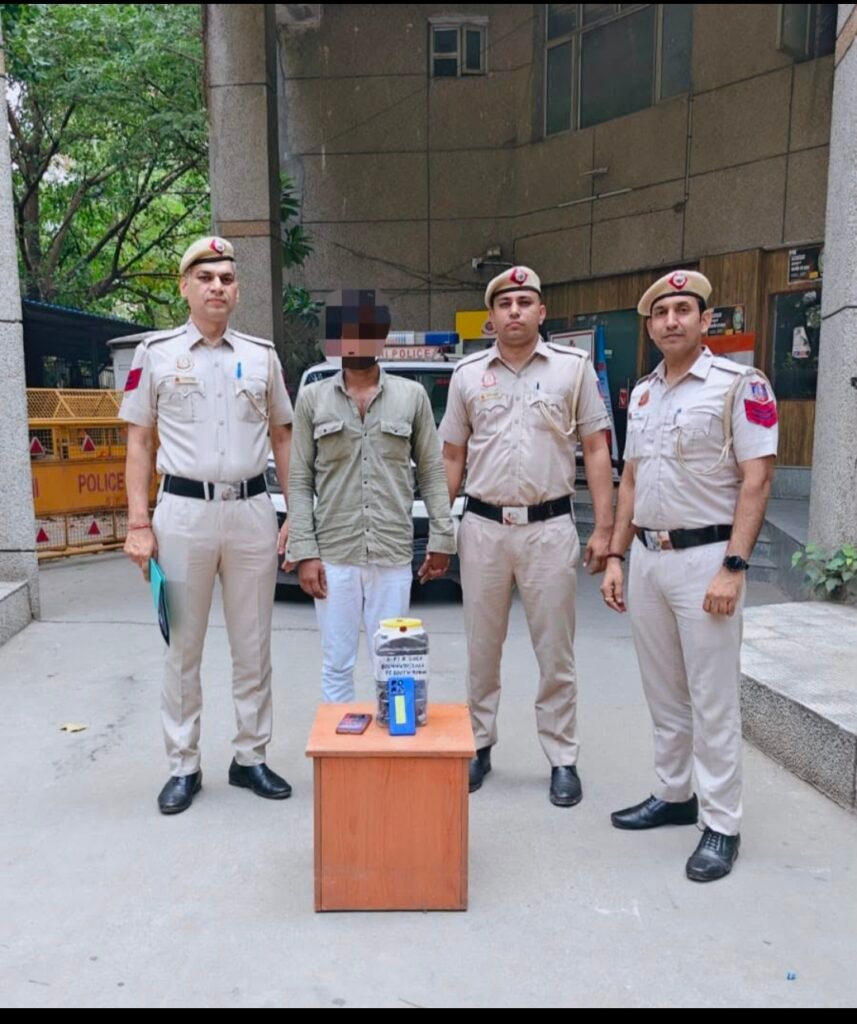
After considering the facts and circumstances of the case, the court sentenced Mohd. Aijaz to:
- Three months’ simple imprisonment.
- Fine of ₹2,000.
- In default of payment of the fine, 15 additional days of simple imprisonment.
The court also directed that the period already spent by the convict in judicial custody would be set off against the sentence in accordance with law.
During the proceedings, the convict informed the court that he did not intend to challenge either the judgment of conviction or the sentencing order.
Accordingly, he was remanded to judicial custody for serving the remaining sentence.
Example of Effective Investigation and Speedy Justice
The case has been viewed as an example of prompt policing, scientific investigation, and effective prosecution.
From registration of the FIR on May 30, 2026, to the conviction on June 12, 2026, the entire process—including investigation, arrest, filing of the charge sheet, trial, conviction, and sentencing—was completed in a remarkably short period.
The successful outcome demonstrates how coordinated police work, supported by digital evidence such as CCTV footage and technical location analysis, can significantly improve conviction rates.
The investigation also highlights the growing importance of forensic and electronic evidence in criminal cases under India’s evolving criminal justice system.
Officials stated that such timely investigations not only ensure justice for victims but also send a strong message that offences involving theft and property crimes will be investigated professionally and prosecuted effectively.
The South Rohini Police’s handling of the case underscores Delhi Police’s continued emphasis on quality investigation, evidence-based policing, and speedy delivery of justice, reinforcing public trust in law enforcement and the judicial process.