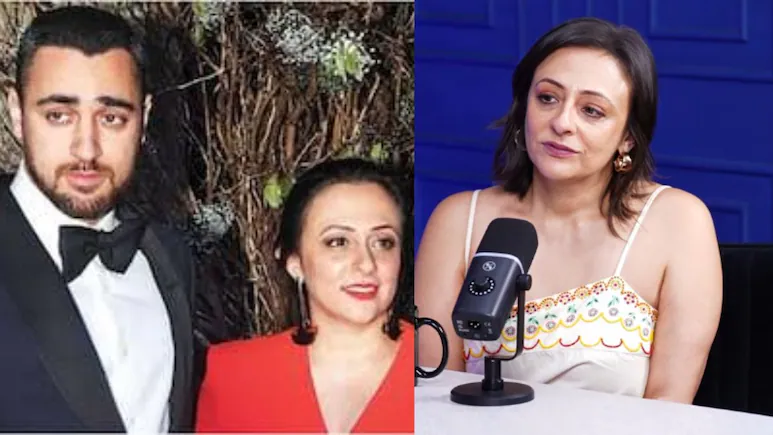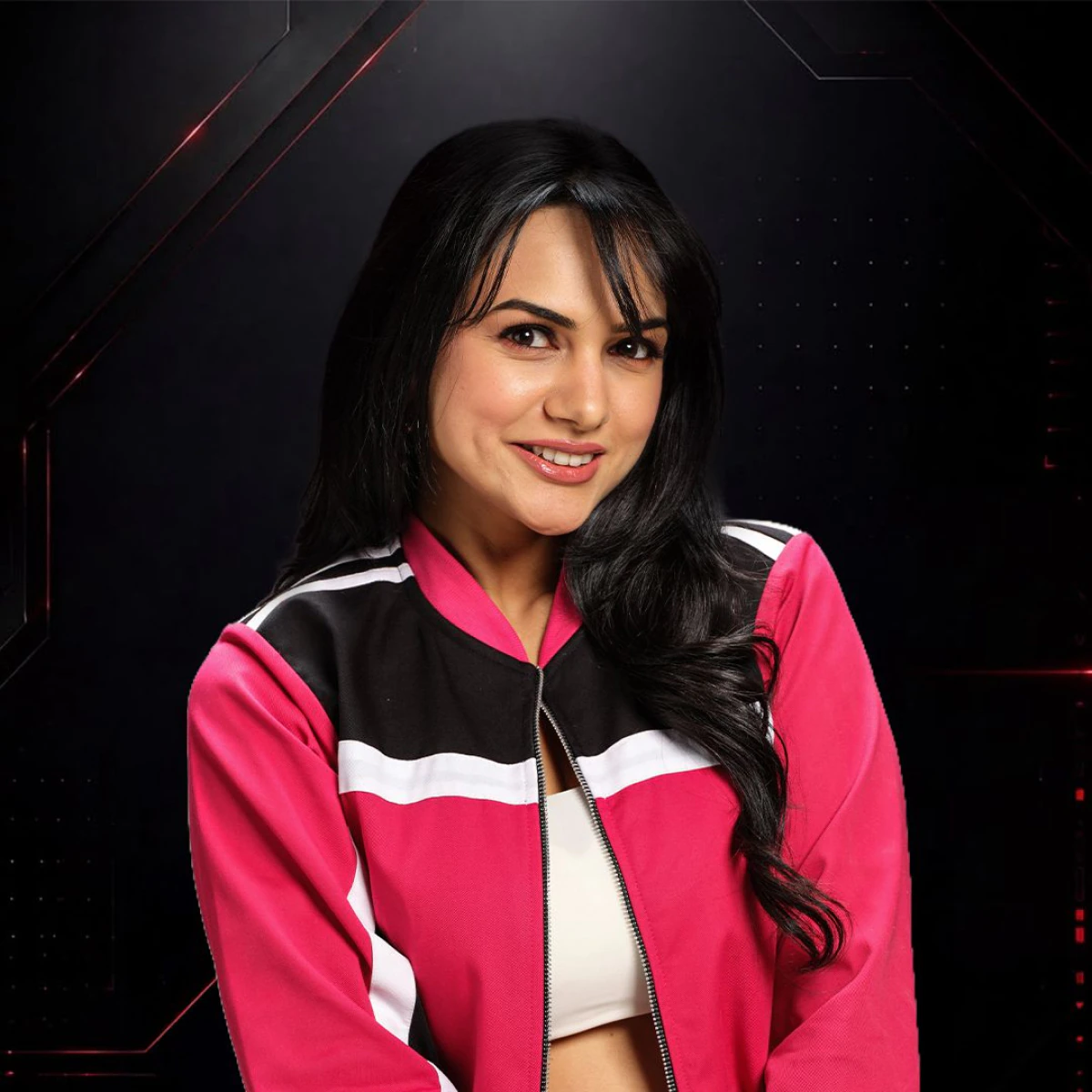
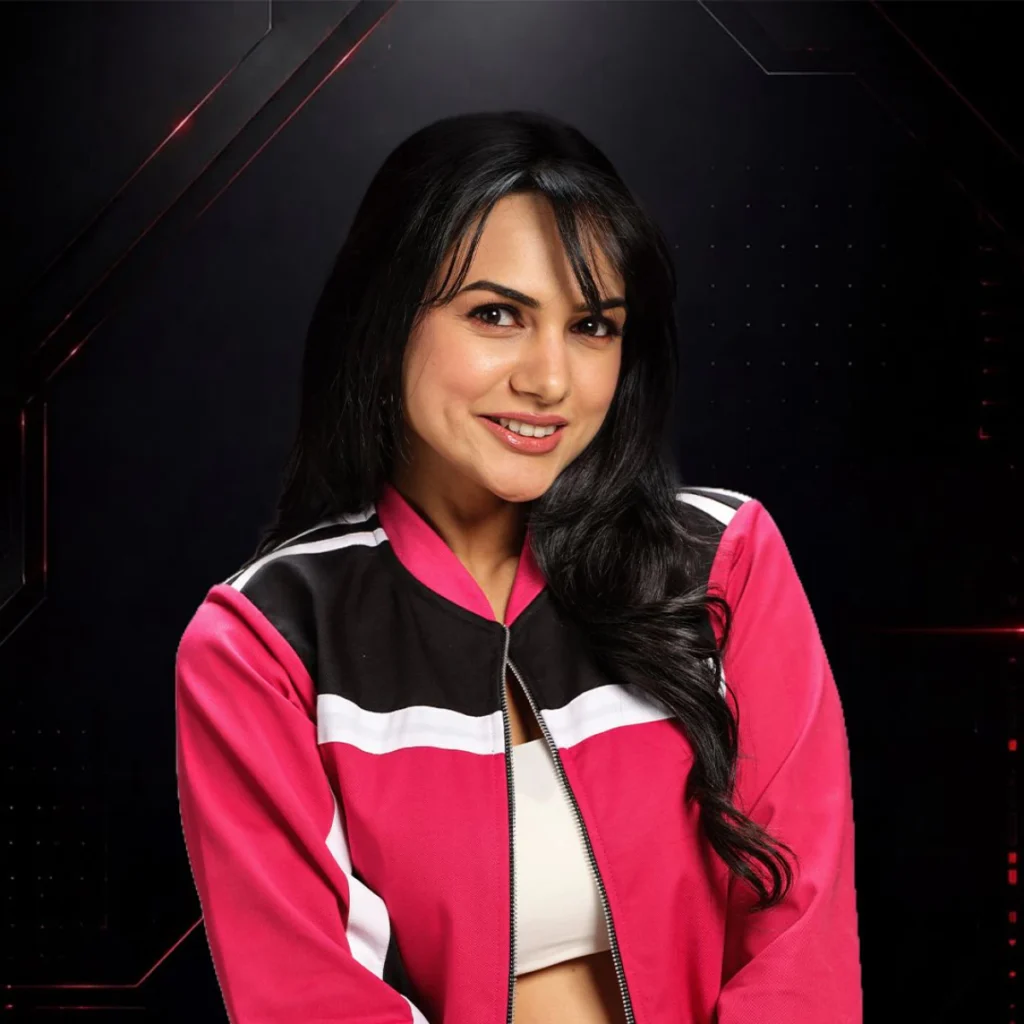
Television actor Akanksha Chamola, a contestant on Lock Upp Season 2, has sparked widespread discussion after sharing that she now identifies as asexual, revisiting an earlier public statement in which she had described herself as bisexual. Her candid remarks have drawn attention across social media and entertainment circles, prompting conversations about sexual orientation, self-discovery, and the evolving nature of personal identity.
Akanksha Chamola latest revelation came during a conversation on the reality show, where contestants discussed relationships, emotional connections, and personal experiences. Explaining her current perspective, she said she no longer feels sexual attraction and believes the label “asexual” best reflects how she understands herself today. The statement quickly became one of the most talked-about moments of the season, with viewers expressing a range of reactions—from support and appreciation to curiosity and debate.
Table of Contents
While reality television often generates headlines for dramatic confrontations and unexpected twists, Akanksha’s comments stood out because they centered on personal identity rather than competition. Many viewers praised her willingness to speak openly about a deeply personal subject on a national platform.
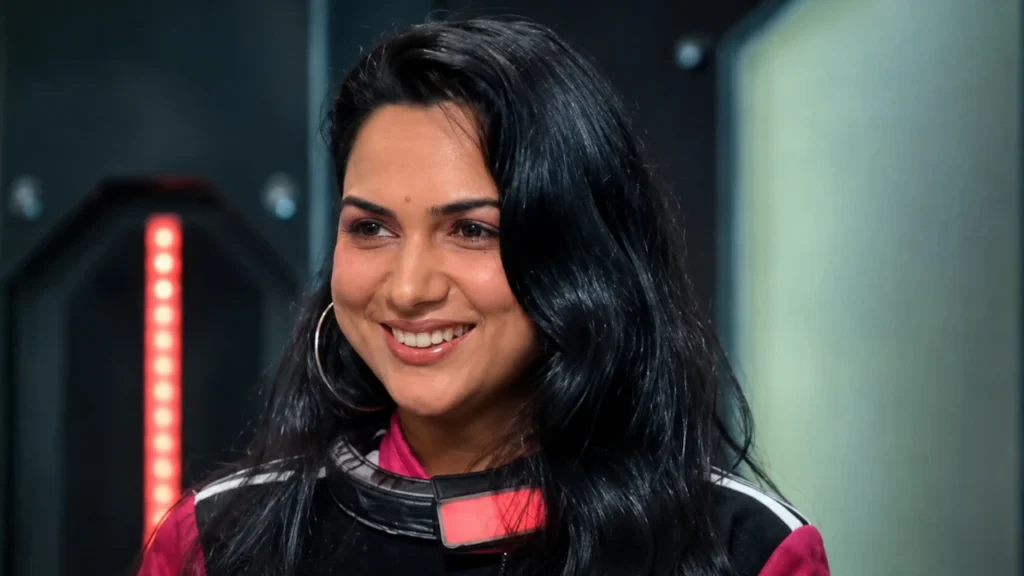
Akanksha Chamola Revisits Her Earlier Public Disclosure
Akanksha Chamola had previously spoken publicly about identifying as bisexual, a statement that received significant attention when it was first made. By discussing her sexuality openly, she became one of several public figures contributing to broader conversations around identity and representation in the entertainment industry.
During her latest appearance on Lock Upp Season 2, however, Akanksha Chamola clarified that her understanding of herself has evolved over time. She explained that after reflecting on her experiences and emotions, she now feels that the term “asexual” more accurately represents her current reality.
Her comments underline an important aspect of identity: for some people, self-understanding develops gradually, and the language they use to describe themselves may change as they learn more about their own feelings and experiences.
What Does Asexual Mean?
Akanksha Chamola’s remarks have also led many viewers to seek a better understanding of asexuality.
Asexuality is generally understood as a sexual orientation in which a person experiences little or no sexual attraction toward others. However, experts emphasize that asexuality exists on a broad spectrum, and experiences can differ significantly from one individual to another.
Being asexual does not necessarily mean that a person does not value relationships, affection, companionship, or emotional intimacy. Many asexual people form meaningful romantic relationships, while others may choose not to pursue romantic partnerships. Some identify as aromantic, meaning they experience little or no romantic attraction, while others do not.
Understanding these distinctions is important because attraction, romantic feelings, and relationships are separate aspects of human experience.
Difference Between Bisexuality and Asexuality
The discussion has also highlighted the distinction between bisexuality and asexuality.
A bisexual person is generally understood to experience romantic or sexual attraction to more than one gender. An asexual person, by contrast, typically experiences little or no sexual attraction.
These identities describe different experiences and are not mutually exclusive in every context, as human sexuality is complex and can vary across individuals.
Mental health professionals and sexuality researchers often note that identity is deeply personal, and individuals are best placed to describe their own experiences using the language that feels most accurate to them.
A Personal Journey of Self-Discovery
Akanksha Chamola explained that her current understanding emerged through personal reflection rather than a single defining moment.
Many psychologists describe identity as an ongoing process rather than a fixed destination. People’s understanding of themselves may evolve because of changing life experiences, emotional growth, relationships, or greater awareness of concepts that help explain their feelings.
For some individuals, discovering a label that resonates with their experiences can provide clarity, while others may choose not to use labels at all.
Akanksha Chamola’s comments reflect this broader reality that self-identification can develop over time.
Reality Television as a Platform for Personal Conversations
Reality shows have increasingly become spaces where contestants discuss personal experiences alongside competition.
While programs are often known for interpersonal conflicts and entertainment value, they also occasionally provide opportunities for conversations about mental health, family relationships, personal struggles, identity, and social issues.
Akanksha Chamola’s statement is one such example, shifting attention from game strategies toward an honest discussion about self-understanding.
These moments often resonate with viewers because they present contestants beyond their competitive personas.
Audience Reactions Across Social Media
As clips from the episode circulated online, social media users expressed diverse opinions.
Many viewers appreciated Akanksha Chamola’s openness and praised her for speaking honestly about a topic that remains misunderstood by many people.
Others admitted they were unfamiliar with asexuality and used the discussion as an opportunity to learn more about different sexual orientations.
Some users emphasized the importance of respecting how individuals choose to identify, while others highlighted that public conversations can encourage greater awareness and reduce misconceptions.
The wide range of responses illustrates how reality television can spark broader public dialogue beyond entertainment.
Representation and Visibility Matter
Public figures discussing their identities can contribute to greater visibility for communities that are often underrepresented in mainstream media.
Representation does not necessarily mean that every individual shares the same experience, but it can encourage conversations that help improve public understanding.
Advocates for LGBTQIA+ awareness have long argued that respectful discussions around identity help reduce stigma and promote acceptance by replacing assumptions with accurate information.
At the same time, experts caution against expecting any one public figure to represent an entire community, as experiences vary widely among individuals.
Identity Can Be Personal and Evolving
Health professionals and researchers generally recognize that personal identity may evolve over time for some people.
This does not mean that everyone’s identity changes, nor does it imply uncertainty or confusion. Rather, it acknowledges that self-awareness can deepen as individuals reflect on their experiences.
For this reason, many experts encourage respecting how people describe themselves at any given point in their lives instead of assuming that identity must remain permanently unchanged.
Akanksha Chamola’s comments reflect her personal experience and should be understood in that context.
The Role of Entertainment in Encouraging Conversations
Entertainment programs frequently influence public discussions by introducing topics that viewers may not encounter in everyday life.
When contestants share personal stories, audiences often begin researching unfamiliar subjects, discussing them with friends, and engaging with educational resources.
This process can help normalize conversations around identity, relationships, and emotional well-being while encouraging empathy and understanding.
In recent years, Indian television and digital platforms have gradually expanded the range of stories and experiences represented on screen, reflecting broader social conversations taking place across the country.
Looking Beyond Headlines
Although headlines often focus on labels, many observers believe the broader message of Akanksha Chamola’s statement is about authenticity and personal growth.

Rather than presenting her earlier identity and current identity as contradictory, she described her experience as part of an ongoing journey of understanding herself.
Experts frequently emphasize that identity is deeply individual and that respectful dialogue benefits from listening to people’s own descriptions of their experiences instead of making assumptions.
A Conversation That Extends Beyond Reality Television
Akanksha Chamola’s comments on Lock Upp Season 2 have become one of the season’s most widely discussed moments because they touch on themes that extend far beyond reality television. By sharing that she now identifies as asexual after previously describing herself as bisexual, she has prompted conversations about self-discovery, identity, and the importance of understanding different human experiences.
Whether viewers were already familiar with asexuality or encountered the term for the first time through the show, the discussion has highlighted the value of informed and respectful conversations. As audiences continue to engage with the episode online, Akanksha’s candid remarks are likely to remain a significant talking point, encouraging greater awareness while reminding viewers that personal identity is, above all, an individual journey.