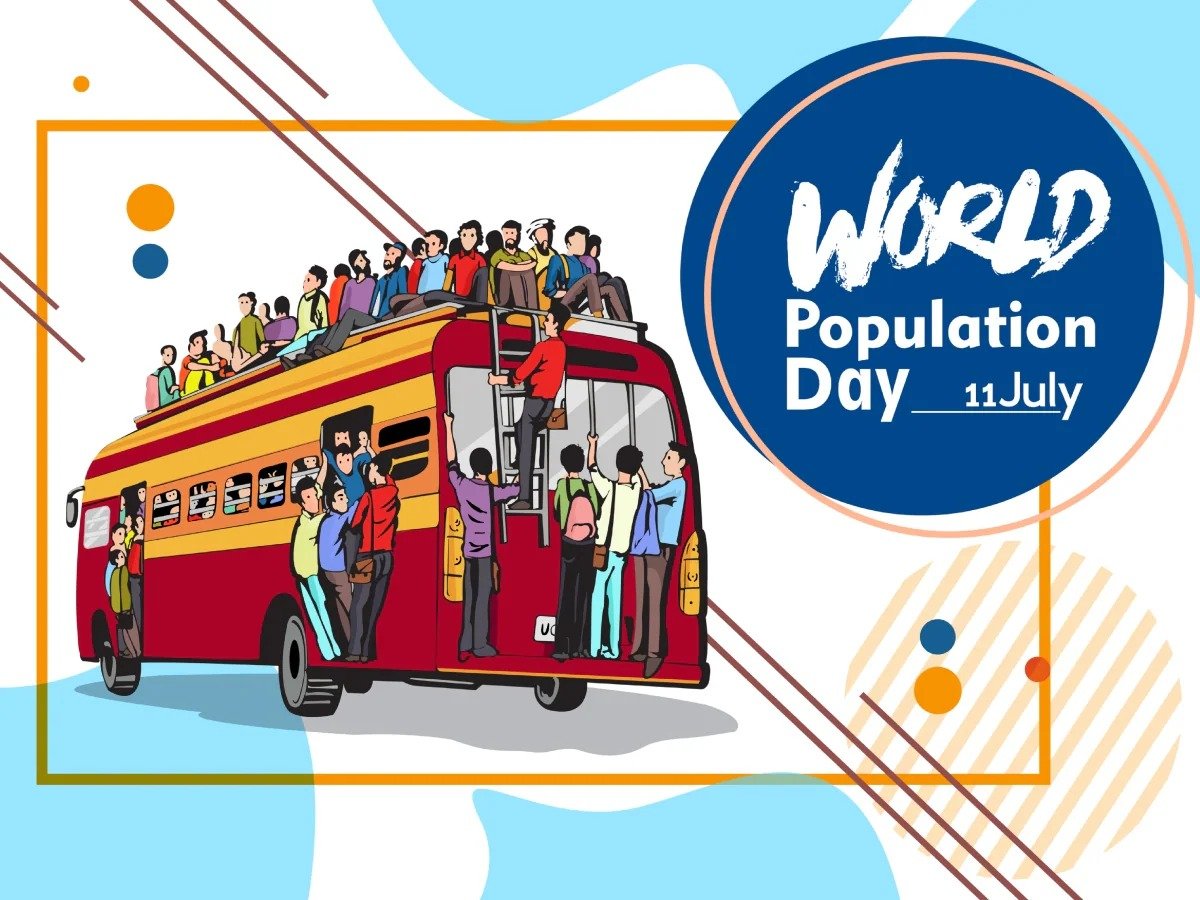
World Population Day is being observed on July 11, 2026, bringing renewed attention to one of the most important issues affecting humanity—the impact of population growth on sustainable development, healthcare, education, employment, climate change, and quality of life. Observed every year across the world, World Population Day serves as an opportunity for governments, policymakers, researchers, educators and communities to discuss how population trends shape the future and what steps are needed to ensure balanced and inclusive development.
As the global population continues to rise, countries are facing both opportunities and challenges. A larger population can contribute to economic growth through a stronger workforce and greater innovation. At the same time, rapid population growth can increase pressure on food supplies, housing, healthcare systems, natural resources and public infrastructure. This is why World Population Day is not simply about counting people; it is about understanding how population affects every aspect of human life.
Table of Contents
The Origin of World Population Day
World Population Day was established by the United Nations Development Programme (UNDP) in 1989, inspired by the global attention received on July 11, 1987, when the world’s population was estimated to have reached five billion people. That milestone became known as the “Day of Five Billion” and highlighted the need for international discussions on population-related issues.
Since then, World Population Day has been observed every year on July 11 to encourage conversations around population growth, reproductive health, gender equality, family planning and sustainable development.
Over the years, the scope of World Population Day has expanded beyond population numbers. Today, the observance focuses on improving the quality of life for people while ensuring that development remains environmentally and socially sustainable.
Why World Population Day Is Important
Population influences nearly every area of public policy. Governments must plan for schools, hospitals, transportation, employment opportunities, housing, energy and food production based on changing population trends.
World Population Day reminds policymakers that development should not only meet the needs of today’s population but should also safeguard resources for future generations.
Rapid urbanisation, migration, ageing populations in some countries and growing youth populations in others have made population planning more complex than ever before.
The observance encourages countries to develop long-term strategies that support balanced growth while protecting the environment and promoting social inclusion.
The Global Population Continues to Grow
According to estimates from the United Nations, the global population crossed 8 billion in recent years, making humanity larger and more interconnected than at any point in history.
While population growth has slowed compared to previous decades, many developing countries continue to experience significant increases in population. This creates both opportunities and challenges depending on how effectively governments invest in education, healthcare and employment.
Regions with a young population have the potential to benefit from what economists call the “demographic dividend,” where a larger working-age population contributes to economic growth. However, this advantage can only be realised if sufficient investments are made in skills, education and job creation.
World Population Day highlights these changing demographic patterns and encourages countries to prepare for future needs rather than reacting after challenges emerge.
Healthcare Remains a Central Focus
One of the major themes associated with World Population Day is access to quality healthcare.
Growing populations increase demand for hospitals, medical professionals, medicines and public health infrastructure.
Healthcare systems must expand to ensure that people receive timely treatment regardless of where they live.
Maternal healthcare, child nutrition, vaccination programmes and reproductive health services continue to remain key priorities in many developing countries.
Improving healthcare not only saves lives but also contributes to healthier communities and stronger economies.
World Population Day encourages governments to strengthen healthcare systems while ensuring equal access for all sections of society.
Education Shapes Population Outcomes
Education plays a crucial role in addressing population-related challenges.
Research consistently shows that access to education, particularly for girls and young women, contributes to healthier families, improved economic opportunities and informed decision-making.
Countries that invest in quality education often experience better employment outcomes, improved healthcare awareness and stronger economic development.
World Population Day highlights the importance of ensuring that every child has access to education regardless of gender, income or location.
Education also helps people understand issues related to nutrition, health, environmental conservation and responsible resource use.
Gender Equality and Women’s Empowerment
Another important objective of World Population Day is promoting gender equality.
Women and girls should have equal access to education, healthcare, employment and decision-making opportunities.
When women are empowered through education and economic participation, families and communities benefit significantly.
International organisations have repeatedly emphasised that gender equality contributes to healthier societies, lower poverty levels and more sustainable development.
World Population Day encourages governments to remove barriers preventing women from accessing healthcare, education and economic opportunities.
Supporting women’s rights also strengthens population planning by ensuring individuals can make informed choices about family size and reproductive health.
Sustainable Development and Population Growth
One of the biggest concerns linked to population growth is sustainability.
Increasing populations require more food, water, electricity, housing and transportation.
If these demands are not managed responsibly, environmental degradation, pollution and resource shortages may become more severe.
World Population Day therefore closely aligns with the United Nations Sustainable Development Goals (SDGs), particularly those related to health, education, gender equality, clean water, climate action and reducing inequalities.
Sustainable development means meeting present needs without compromising the ability of future generations to meet theirs.
Countries are increasingly investing in renewable energy, efficient agriculture, urban planning and environmental conservation to support growing populations responsibly.
India’s Population and Development Journey
As the world’s most populous country, India occupies a significant position in global population discussions.
India possesses one of the world’s youngest populations, creating enormous opportunities for economic growth, innovation and entrepreneurship.
However, this demographic advantage also requires continuous investment in education, healthcare, digital infrastructure, employment generation and skill development.
Government programmes focusing on nutrition, maternal health, digital education, sanitation and women’s empowerment play an important role in improving quality of life.
World Population Day provides an opportunity to evaluate these initiatives and identify areas requiring further attention.
Experts believe that with appropriate policy planning, India’s young population can become one of its greatest strengths in the coming decades.
Climate Change and Population Pressures
Climate change has become an increasingly important topic during World Population Day discussions.
Larger populations increase demand for natural resources, while climate-related disasters affect food production, water availability and public health.
Cities experiencing rapid population growth often face challenges related to air pollution, traffic congestion, waste management and housing shortages.
Addressing these issues requires integrated planning involving governments, businesses, researchers and local communities.
Sustainable urban development, renewable energy adoption and efficient resource management are becoming essential components of future population planning.
World Population Day encourages countries to recognise the close relationship between population trends and environmental sustainability.
Youth Empowerment Is the Key to the Future
Young people represent one of the greatest strengths of the global population.
Providing quality education, healthcare, vocational training and employment opportunities enables youth to contribute meaningfully to society.
Many international organisations view youth empowerment as one of the most effective ways to achieve sustainable development.
World Population Day encourages governments to invest in skill development programmes, entrepreneurship, innovation and digital literacy.
Young people also play a vital role in spreading awareness about environmental conservation, gender equality and public health through social media, educational institutions and community initiatives.
Supporting youth today helps build stronger economies and more resilient societies tomorrow.
Raising Awareness Beyond Numbers
Although population statistics often dominate discussions, World Population Day ultimately focuses on people rather than numbers.
The observance encourages societies to think about improving human well-being through better healthcare, equal educational opportunities, gender equality, environmental protection and sustainable economic development.
Across the world, governments, schools, universities, healthcare institutions and civil society organisations organise seminars, awareness campaigns, workshops, public discussions and community programmes to mark the occasion.
These activities encourage citizens to understand how population trends affect daily life and why informed policy decisions are essential for long-term development.
As the world continues to evolve, World Population Day remains a powerful reminder that responsible population planning is closely connected with economic progress, environmental sustainability and social well-being. By promoting informed decision-making, inclusive growth and equal opportunities, the annual observance continues to play an important role in shaping discussions on the future of humanity.