Railways has taken another significant step towards strengthening its electric locomotive network with the approval of a ₹175-crore infrastructure project to develop additional homing facilities for 250 three-phase electric locomotives at the High Horse Power (HHP) Diesel Shed in Raipur under the South East Central Railway (SECR). The project reflects the growing focus of Indian Railways on modernizing maintenance infrastructure as the national transporter rapidly expands its electric locomotive fleet to meet rising passenger and freight demand.
The latest investment comes at a time when Railways is witnessing one of the fastest transformations in its history. Over the past decade, the network has accelerated electrification, introduced more energy-efficient locomotives and increased freight movement across major industrial corridors. While the expansion of electric locomotives has received considerable attention, experts believe that strengthening maintenance infrastructure is equally important because reliable operations depend not only on acquiring new locomotives but also on keeping them in excellent working condition throughout their service life.
The newly approved project in Raipur aims to bridge this requirement by creating additional homing facilities capable of handling 250 three-phase electric locomotives. Once completed, the upgraded depot will significantly improve maintenance capacity while ensuring that locomotives receive timely inspections, repairs and servicing.
Table of Contents
Why the project matters
As Railways continues replacing diesel-powered locomotives with electric ones, the demand for modern maintenance facilities has grown considerably. Every locomotive requires scheduled inspections after running a specific number of kilometres or operating hours. These inspections help identify wear and tear before small issues develop into major technical failures.
Without sufficient maintenance capacity, locomotives may spend longer periods waiting for servicing, reducing fleet availability and affecting train operations. The expansion of homing facilities in Raipur is designed to prevent such bottlenecks by allowing more locomotives to be maintained simultaneously.
The Ministry of Railways stated that the project will optimise the use of existing infrastructure while creating additional capacity for future fleet expansion and technological advancements. This approach enables Railways to prepare for increasing transportation requirements without compromising safety or operational efficiency.
Understanding a homing facility
For many passengers, the term “homing facility” may sound technical, but it plays a crucial role in railway operations.
A homing facility is essentially the designated locomotive shed where an engine is officially assigned. This becomes its maintenance base throughout its operational life. Here, locomotives undergo routine servicing, preventive maintenance, detailed inspections, software updates, repairs and safety checks.
Engineers and technicians working at these facilities ensure that every locomotive performs efficiently before it returns to service. They inspect electrical systems, traction motors, braking equipment, control electronics, wheels, suspension components and other mechanical parts.
Modern electric locomotives contain sophisticated electronic systems that require specialised equipment and trained personnel. Therefore, expanding homing facilities has become an essential part of Railways’ infrastructure planning.
Why Raipur has been selected
Raipur occupies an important position within the South East Central Railway zone and serves as a major hub for freight transportation, particularly for industries such as steel, coal, cement and power generation.
The region handles thousands of freight wagons every day carrying raw materials and finished products across different parts of the country. As freight movement continues to increase, the requirement for powerful electric locomotives has also grown substantially.
The High Horse Power Diesel Shed in Raipur has gradually evolved into an important maintenance centre. With diesel locomotives being phased down in many operational areas due to increasing electrification, existing infrastructure can now be upgraded and utilised for electric locomotive maintenance.
The approved project allows Railways to make better use of available land, workshops and engineering resources while adapting to changing operational needs.
Focus on three-phase electric locomotives
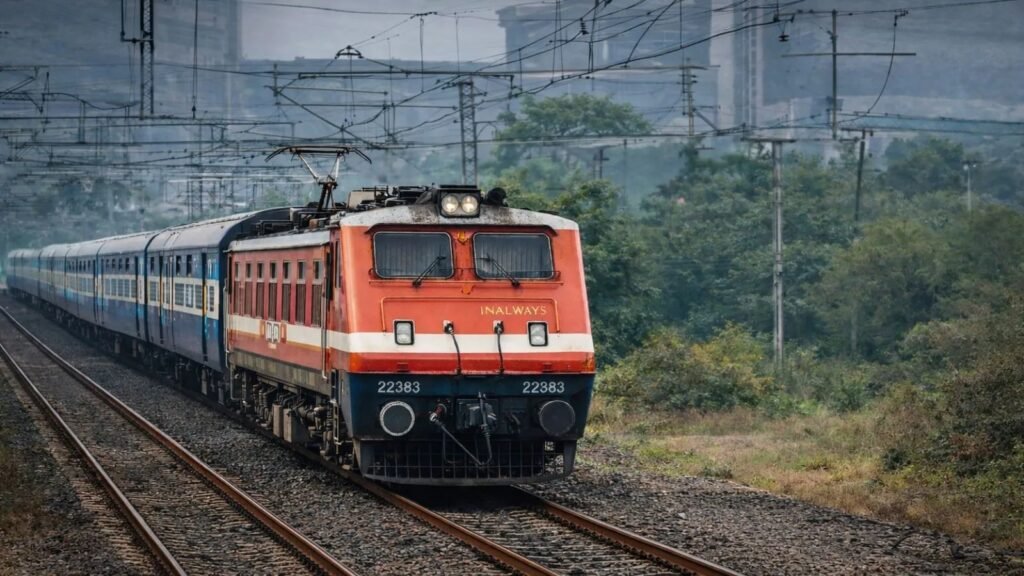
The project specifically targets three-phase electric locomotives, which have become the backbone of modern Railways operations.
Unlike older electric locomotives, three-phase locomotives use advanced propulsion technology that provides smoother acceleration, better energy efficiency and improved hauling capacity.
Some key advantages include:
- Higher hauling capability for heavy freight trains.
- Better energy efficiency, reducing electricity consumption.
- Lower maintenance requirements compared to older locomotive designs.
- Improved reliability during continuous operations.
- Enhanced regenerative braking, allowing energy recovery while slowing down.
These locomotives are widely deployed across major freight routes as well as important passenger corridors because they deliver superior performance while reducing operational costs.
Supporting the expansion of the electric fleet
Indian Railways has significantly increased its electric locomotive fleet over recent years as part of its broader electrification strategy.
Electrification offers multiple long-term benefits. Electric locomotives produce lower emissions compared to diesel engines, reduce dependence on imported fuel and offer better operational economics over their lifespan.
As more railway routes become electrified, the demand for electric locomotives continues to rise. However, increasing fleet size also creates additional maintenance requirements.
The Raipur infrastructure project addresses this challenge by ensuring that maintenance capacity grows alongside fleet expansion. This balanced approach allows Railways to maintain high operational standards while introducing more electric locomotives into daily service.
Improving operational efficiency
One of the biggest advantages of expanding homing facilities is improved operational efficiency.
When locomotives receive maintenance on schedule, they spend less time out of service and more time pulling passenger or freight trains. This improves fleet utilisation, reduces delays caused by equipment shortages and increases overall productivity.
Additional maintenance capacity can also reduce congestion at existing locomotive sheds, enabling engineers to complete inspections more efficiently.
For Railways, this translates into:
- Faster turnaround of locomotives.
- Improved train punctuality.
- Better reliability of freight operations.
- Reduced maintenance backlog.
- Enhanced safety standards.
These improvements become increasingly important as passenger numbers and freight volumes continue to grow across the country.
Strengthening freight transportation
Freight remains one of the largest revenue sources for Railways. Coal, iron ore, cement, steel, food grains and industrial goods are transported daily through an extensive network connecting production centres with markets and ports.
Electric locomotives play a central role in moving these heavy freight trains efficiently.
By strengthening maintenance infrastructure at Raipur, Railways can ensure that more locomotives remain available for freight operations, particularly within the mineral-rich central Indian region served by the South East Central Railway.
Improved locomotive availability also helps industries maintain uninterrupted supply chains while supporting economic activity across multiple sectors.
Investment in future-ready infrastructure
The ₹175-crore project reflects a broader shift within Railways towards building infrastructure that supports long-term growth rather than merely addressing immediate operational needs.
Modern locomotive sheds increasingly rely on digital monitoring systems, predictive maintenance technologies and advanced diagnostic equipment capable of identifying faults before they affect train operations.
Future maintenance facilities are expected to integrate automation, real-time monitoring and condition-based maintenance techniques, allowing engineers to optimise repair schedules and improve equipment reliability.
Creating additional homing facilities today gives Railways the flexibility to accommodate future technological upgrades without requiring entirely new maintenance centres.
Supporting India’s railway modernisation
The Raipur project aligns with the wider modernisation programme underway across Indian Railways, which includes network electrification, introduction of advanced locomotives, redevelopment of stations, installation of modern signalling systems and expansion of freight corridors.
As the railway network becomes increasingly dependent on electric traction, investments in maintenance infrastructure become just as important as investments in locomotives themselves.
Efficient maintenance ensures higher asset availability, better safety, lower operating costs and improved service reliability. These factors directly influence passenger experience while strengthening freight transportation across the country.
With additional homing facilities planned for 250 three-phase electric locomotives, the Raipur High Horse Power Diesel Shed is expected to become one of the important maintenance centres supporting the next phase of Railways expansion. The project demonstrates how infrastructure development behind the scenes plays a critical role in keeping one of the world’s largest railway networks running safely, efficiently and ready for future growth.